
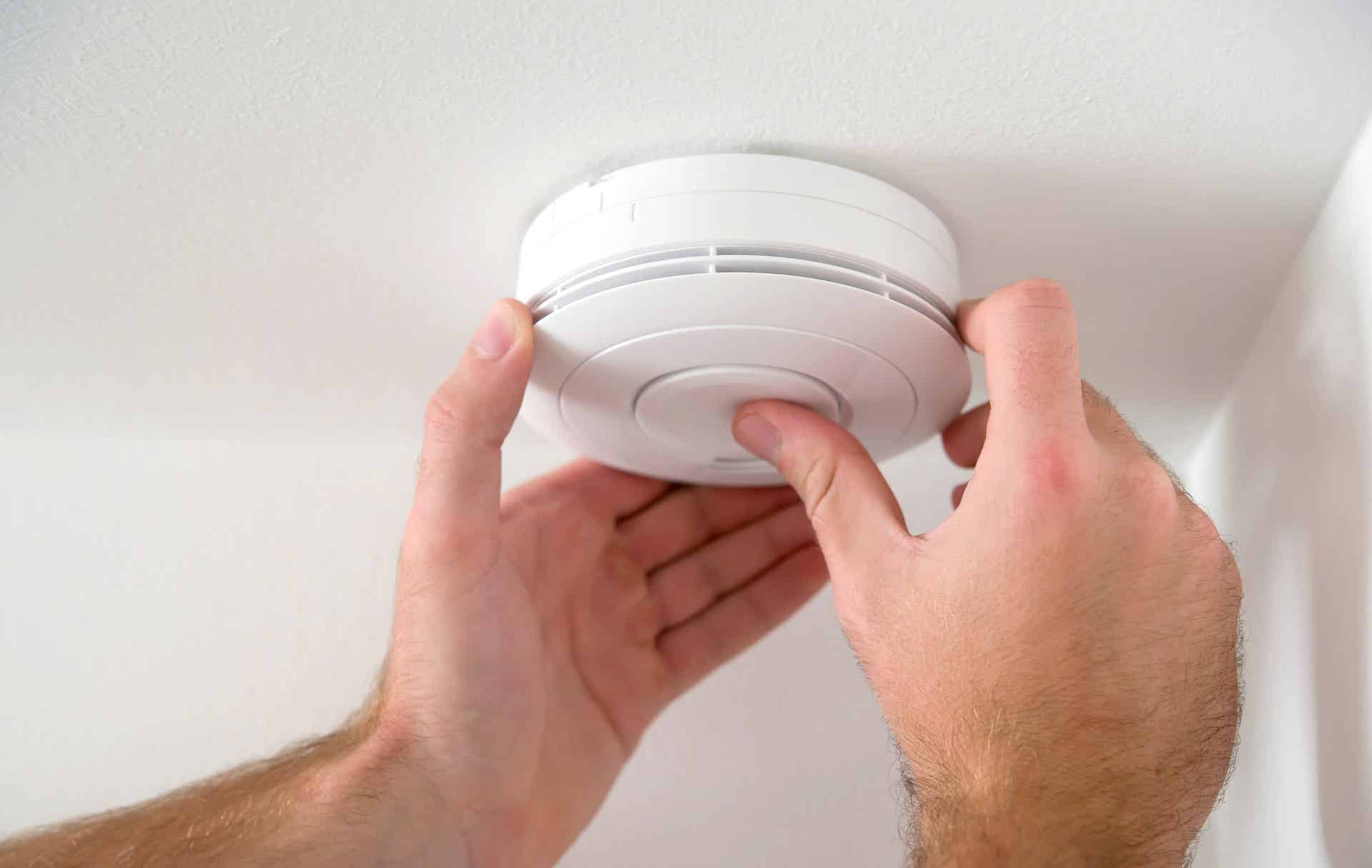
Have you ever wondered if a smoke detector should be in your kitchen? You want to keep your home safe, but you also don’t want constant false alarms from cooking.
The kitchen is where most fires start, so knowing where to place your smoke detector is crucial for your safety. You’ll discover the smart way to protect your kitchen without the hassle of annoying beeps. Keep reading to find out what experts say and how you can make the best choice for your home.
Smoke Detectors And Kitchen Safety
Smoke detectors play a key role in home safety. The kitchen is a common place for fires. It is important to understand how smoke detectors help in this area.
Placing smoke detectors near the kitchen can alert you to dangerous smoke early. This early warning can prevent damage and injury. But kitchens often have smoke from cooking that can trigger false alarms.
Choosing The Right Smoke Detector For The Kitchen
Not all smoke detectors work well in kitchens. Ionization detectors are very sensitive to small smoke particles. They often cause false alarms from cooking fumes.
Photoelectric smoke detectors are better for kitchens. They detect larger smoke particles from smoldering fires. This reduces false alarms while keeping safety high.
Best Location For Kitchen Smoke Detectors
- Place detectors at least 10 feet from cooking appliances.
- Avoid installing directly above the stove or oven.
- Mount on the ceiling or high on a wall.
- Keep detectors away from windows and vents to avoid drafts.
This placement helps detectors work properly without frequent false alarms.
Maintaining Kitchen Smoke Detectors
- Test detectors monthly to ensure they work.
- Replace batteries at least once a year.
- Clean detectors regularly to remove dust and grease.
- Replace the entire unit every 10 years.
Proper care keeps detectors sensitive and reliable in the kitchen environment.

Credit: www.yourhomewiz.com
Risks Of Smoke Detectors In The Kitchen
Installing a smoke detector in the kitchen can be a double-edged sword. While it’s crucial for detecting fires early, it also has its downsides. Understanding the risks can help you make informed decisions about its placement.
False Alarms From Cooking
One of the most common issues with kitchen smoke detectors is false alarms. Cooking activities like frying, baking, or even boiling water can trigger the alarm. Imagine hosting a dinner party and suddenly, the shrill sound of the alarm interrupts the ambiance—frustrating, right?
These false alarms can lead to complacency. Over time, you might start ignoring the alarm, thinking it's just another cooking mishap. This could be dangerous if an actual fire occurs and the alarm goes unnoticed.
Common Causes Of Kitchen Fires
The kitchen is often the heart of the home, but it's also where many fires start. Grease fires, overheated appliances, and unattended stoves are frequent culprits. Did you know that a pan left on high heat can ignite in just a few minutes?
Preventive measures are essential. Ensure all cooking appliances are in good working order and never leave cooking food unattended. Would a heat detector be a better option than a smoke detector in your kitchen? It’s worth considering based on your cooking habits.
Remember, safety starts with awareness. Equip your kitchen wisely and stay alert to keep your home safe from unexpected fires.
Best Locations For Smoke Detectors
Choosing the best location for a smoke detector is crucial, especially near the kitchen where cooking activities are frequent. The right placement ensures early detection of real fires while minimizing unnecessary alarms. Understanding where to install your smoke detector can protect your home without causing daily frustration.
Ideal Placement Near The Kitchen
Placing a smoke detector too close to the stove or oven can trigger constant false alarms from normal cooking smoke. Instead, position the detector at least 10 feet away from cooking appliances. Mount it on the ceiling or high on the wall, since smoke rises and this helps capture smoke early.
Consider installing a smoke detector just outside the kitchen, like in a hallway or near the dining room. This spot balances safety and reduces false alarms. If your kitchen has a high ceiling, placing detectors about 4 to 12 inches below the ceiling can improve sensitivity.
Avoiding False Alarms
False alarms can cause you to disable your smoke detector, which defeats its purpose. Avoid placing detectors near windows, vents, or air conditioners where drafts might blow smoke away or push dust into the sensor. These disturbances often lead to unnecessary alerts.
Use smoke detectors with a hush or silence button feature. It lets you pause alarms during minor cooking smoke without removing the battery. This small convenience makes a big difference in everyday kitchen life.
Have you ever been startled by a smoke alarm just because you burned toast? Positioning your detector thoughtfully can prevent this and keep your home safe without hassle.
Types Of Detectors Suitable For Kitchens
Choosing the right smoke detector for your kitchen is crucial because this area often experiences cooking smoke and steam, which can trigger false alarms. Not all detectors handle these conditions well, so understanding the types that work best can help you keep your home safe without constant interruptions. Let's break down the main options to consider for kitchen safety.
Ionization Vs Photoelectric Detectors
Ionization detectors are very sensitive to fast-flaming fires. However, they can be triggered by normal cooking smoke or steam, causing frequent false alarms in the kitchen.
Photoelectric detectors respond better to smoldering fires, which produce more smoke but less flame. This makes them a better choice for kitchens since they are less likely to go off from everyday cooking activities.
Many people find photoelectric alarms more practical in the kitchen. Have you ever had your smoke detector scream every time you fried bacon? A photoelectric detector can reduce that frustration.
Combination Alarms
Combination alarms include both ionization and photoelectric sensors in one unit. This design aims to detect both fast-flaming and smoldering fires effectively.
While they offer broad protection, some combination alarms can still be sensitive to kitchen smoke, depending on the model. Look for ones with a hush or silence button to temporarily stop false alarms without disabling the detector.
Combining sensors might sound ideal, but have you checked if your kitchen model has features to prevent false alarms? This small detail can save you from many unnecessary interruptions while cooking.
Additional Kitchen Safety Devices
Keeping the kitchen safe means more than just installing a smoke detector. Several devices help prevent fires and protect your home. These tools work well together to reduce risks and alert you quickly.
Heat Detectors
Heat detectors sense a rapid rise in temperature. They react to heat, not smoke. This makes them ideal for kitchens where smoke is common. They help avoid false alarms from cooking steam or small smoke.
Heat detectors activate only when the temperature reaches a dangerous level. They provide an early warning before a fire spreads. Place them away from cooking surfaces but close enough to detect heat fast.
Fire Extinguishers
Fire extinguishers are essential in every kitchen. They allow you to stop small fires quickly. Choose an extinguisher rated for kitchen fires, like Class K for grease fires.
- Keep the extinguisher within easy reach.
- Check its pressure regularly.
- Know how to use it safely.
Fire extinguishers give you control during emergencies. They help protect your family and property from fire damage.

Credit: www.sdmmag.com
Maintaining And Testing Smoke Detectors
Maintaining and testing smoke detectors is essential to ensure they function properly when you need them most. Neglecting these small devices can lead to false alarms or worse, failure to alert you during a real fire. Taking a few minutes regularly to care for your smoke detector can make a big difference in your safety.
Regular Cleaning
Dust and grease buildup can block the smoke sensor and reduce its effectiveness, especially in a kitchen environment. Use a vacuum cleaner with a soft brush attachment to gently remove dust from the detector’s vents every month.
Wipe the outside of the detector with a damp cloth to clear away any grime. Avoid using harsh chemicals that could damage the unit. If your detector has a removable cover, take it off occasionally to clean inside carefully.
Battery Replacement Tips
Smoke detectors usually beep to warn you when the battery is low, but don’t wait for that sound to replace it. Change batteries at least once a year, ideally at the same time you adjust your clocks for daylight saving.
Use high-quality batteries to ensure longer life and better performance. Keep spare batteries nearby so you can swap them quickly when needed. Test your detector monthly by pressing the test button to confirm the battery and alarm are working.
Preventing Kitchen Fires
Preventing kitchen fires is essential for home safety. Kitchens have many fire risks due to heat, flames, and flammable items. Simple actions can reduce the chance of fire and protect your family.
Safe Cooking Habits
Stay in the kitchen while cooking, especially with oil or high heat. Keep flammable items like towels and paper away from the stove. Use timers to remind you when food is cooking. Clean cooking surfaces regularly to avoid grease buildup. Dress in short or tight sleeves to prevent catching fire.
Using Appliances Properly
Follow manufacturer instructions for all kitchen appliances. Check cords and plugs for damage before use. Avoid overloading electrical outlets with multiple appliances. Turn off appliances immediately after use. Keep appliances clean and in good working order to prevent malfunctions that cause fires.

Credit: www.reddit.com
Frequently Asked Questions
Should A Smoke Detector Be Installed Directly In The Kitchen?
No, installing a smoke detector directly in the kitchen often causes false alarms. Instead, place it nearby but outside the kitchen to detect real fires effectively.
What Type Of Smoke Detector Is Best Near The Kitchen?
A photoelectric smoke detector is best near kitchens. It detects slow, smoldering fires and reduces false alarms caused by cooking smoke.
How Far Should A Smoke Detector Be From The Kitchen?
Smoke detectors should be installed at least 10 feet away from the kitchen. This distance helps avoid false alarms from regular cooking activities.
Can A Smoke Detector Prevent Kitchen Fires?
Yes, smoke detectors alert you early to smoke or fire, giving time to act and prevent kitchen fire damage or injury.
Conclusion
A smoke detector near the kitchen helps keep your home safe. It alerts you quickly if fire or smoke appears. But placing it too close may cause false alarms. Finding the right spot is important for proper protection. Regular checks ensure the detector works well.
Safety should always come first in every home. A good smoke detector saves lives and peace of mind. Simple steps make your kitchen a safer place every day.