
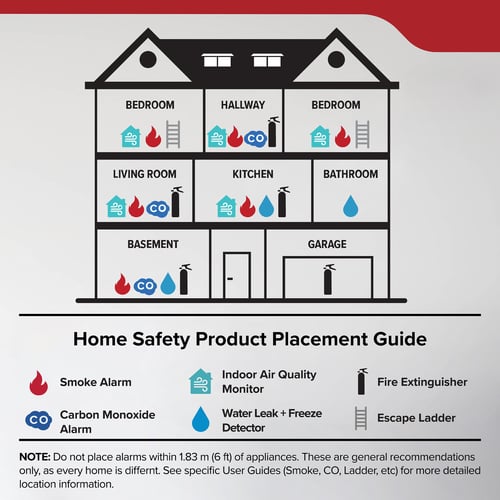
Your kitchen is one of the busiest spots in your home, filled with the aroma of delicious meals and the warmth of family gatherings. But it’s also a place where accidents can happen quickly, especially fires.
Knowing exactly where to install a smoke detector in your kitchen could save your home—and your life. You might think it’s simple, but placing a smoke detector in the wrong spot can cause false alarms or, worse, leave you unprotected when it matters most.
Keep reading to find out the best locations to install your smoke detector and make your kitchen safer without the hassle of constant beeping.
Choosing The Right Spot
Choosing the right spot to install a smoke detector in your kitchen is crucial for safety and convenience. You want to catch real threats without being overwhelmed by false alarms. The location affects how well the detector senses smoke and how often it might go off unnecessarily.
Avoiding False Alarms
Smoke detectors placed too close to cooking appliances often trigger false alarms from everyday cooking activities. Steam, smoke from burnt toast, or even frying oil splatters can set off the alarm. You don’t want your detector to become background noise that you ignore.
Consider placing the detector where it can still sense smoke but stays out of the direct path of steam and smoke from pots and pans. A spot near the kitchen entrance or slightly away from the stove usually works well. Have you noticed how some alarms go off every time you cook? That’s a sign the detector needs repositioning.
Ideal Distance From Cooking Appliances
The recommended distance is typically at least 10 feet away from cooking appliances. This gap helps reduce false alarms while still ensuring smoke from a real fire is detected quickly. Mounting the detector on the ceiling or high on a wall near the kitchen entrance often hits this sweet spot.
Avoid placing it right above the stove or too close to vents that blow steam and smoke around. If your kitchen layout is open, a detector near the boundary between the kitchen and living area can offer early warnings without constant false alerts. Think about your kitchen’s airflow—where does the smoke travel? That’s a good clue for positioning.
Mounting Height And Placement
Proper mounting height and placement of smoke detectors in the kitchen are crucial for safety. Correct positioning ensures early smoke detection and reduces false alarms. Placement must consider kitchen layout, cooking appliances, and airflow.
Ceiling Vs Wall Installation
Smoke detectors work best when installed on the ceiling. Smoke rises, so ceiling placement catches smoke quickly. Place detectors at least 10 feet away from cooking appliances to avoid false alarms.
Wall installation is possible but less effective. Mount the detector 4 to 12 inches below the ceiling on the wall. Avoid corners where smoke may not reach the sensor fast.
Recommended Height For Smoke Detectors
Install smoke detectors at a height where smoke can reach easily. On the ceiling, place detectors at least 4 inches away from walls. On walls, position detectors 4 to 12 inches below the ceiling.
Keep detectors away from windows, vents, and fans. These can interfere with smoke flow and delay detection. Proper height and placement help the detector alert you quickly in case of fire.
Types Of Smoke Detectors For Kitchens
Choosing the right smoke detector for your kitchen is crucial to ensure safety without unnecessary false alarms. Different types of smoke detectors are available, each with unique features that cater to the specific needs of a kitchen environment. Understanding these options will help you make an informed decision that keeps your kitchen safe and functional.
Photoelectric Vs Ionization Sensors
Photoelectric smoke detectors are highly effective in detecting slow, smoldering fires, which are common in kitchens due to cooking appliances. They respond quickly to visible smoke, making them ideal for areas where smoke from cooking might trigger false alarms. On the other hand, ionization smoke detectors are more responsive to fast, flaming fires. While they are effective, they might be more prone to false alarms in a kitchen setting where smoke is often present.
Consider your cooking habits. Do you frequently grill or fry foods that produce more smoke? A photoelectric sensor might be the better choice. However, if your kitchen is near a living area with more potential fire hazards, an ionization detector could offer added protection.
Combination Smoke And Heat Detectors
Combination smoke and heat detectors offer dual protection by sensing both smoke and rapid increases in temperature. This makes them particularly useful in kitchens where both smoke and heat are common. These detectors can provide more reliable alerts by distinguishing between normal cooking activities and real fire threats.
Think about the layout of your kitchen. If you have an open floor plan or high ceilings, a combination detector can help cover a larger area. It also reduces the chances of false alarms by analyzing both smoke and temperature changes.
Which type of smoke detector aligns best with your kitchen needs? By understanding the differences, you can choose a detector that offers peace of mind without constant interruptions. Install wisely and enjoy a safer kitchen environment.

Credit: www.sdmmag.com
Additional Safety Measures
Adding smoke detectors in your kitchen is essential, but there are extra steps you can take to boost safety. Kitchens are busy places with heat, steam, and smoke from cooking, which can sometimes trigger false alarms. Knowing how to fine-tune your detection system and keep it in top shape helps you avoid unnecessary stress while ensuring your home stays protected.
Using Heat Detectors Near Cooking Areas
Smoke detectors often go off during cooking because of steam or minor smoke. Heat detectors can be a smarter choice near stoves or ovens since they respond to temperature changes instead of smoke particles.
These detectors activate only when the heat reaches a certain threshold, reducing false alarms without sacrificing safety. Consider placing heat detectors at least 3 feet away from cooking appliances to catch dangerous temperature spikes effectively.
Have you noticed your smoke alarm going off just because of burnt toast? Switching to a heat detector in that spot can save you from frequent interruptions.
Regular Testing And Maintenance
Even the best smoke or heat detectors won’t help if they aren’t working properly. Testing your detectors once a month ensures they respond correctly to smoke or heat.
Replace batteries at least once a year, or sooner if your detector starts beeping. Dust and grease buildup can also block sensors, so clean them regularly with a soft cloth or vacuum attachment.
Setting reminders on your phone for these tasks can make maintenance part of your routine. What’s the last time you tested your kitchen smoke detector?
Common Installation Mistakes
Installing smoke detectors in the kitchen requires care. Mistakes can cause false alarms or missed warnings. Avoid common errors to keep your home safe and your detector effective.
Placing Detectors Too Close To Appliances
Smoke detectors should not be installed near stoves, ovens, or toasters. Heat and steam from these appliances can trigger false alarms. Place detectors at least 10 feet away from cooking devices. This reduces nuisance alarms and ensures proper smoke detection.
Ignoring Manufacturer Guidelines
Each smoke detector comes with specific installation instructions. Ignoring these can affect the device’s performance. Follow the height, location, and maintenance tips given by the manufacturer. Proper installation ensures reliable smoke detection and longer device life.

Credit: yourstore.nz

Credit: www.reddit.com
Frequently Asked Questions
Where Is The Best Place To Install A Smoke Detector In The Kitchen?
Install the smoke detector at least 10 feet away from cooking appliances. Place it on the ceiling or high on a wall to avoid false alarms from cooking smoke.
Can I Install A Smoke Detector Directly Above The Stove?
No, installing a detector directly above the stove can cause frequent false alarms. Place it nearby but at a safe distance to detect real smoke.
How High Should Smoke Detectors Be Installed In A Kitchen?
Smoke detectors should be installed on the ceiling or high on a wall, about 4 to 12 inches below the ceiling, to detect smoke early.
Should I Use A Heat Detector Instead Of A Smoke Detector In The Kitchen?
Yes, heat detectors are better in kitchens as they reduce false alarms caused by cooking smoke while still detecting dangerous heat levels.
Conclusion
Placing a smoke detector in the kitchen helps keep your home safe. Install it near the cooking area but away from steam and heat. This prevents false alarms and ensures quick alerts if smoke appears. Test your detector regularly to keep it working well.
A well-placed smoke detector can save lives and protect your family. Simple steps like these make your kitchen safer every day. Safety first, always.