
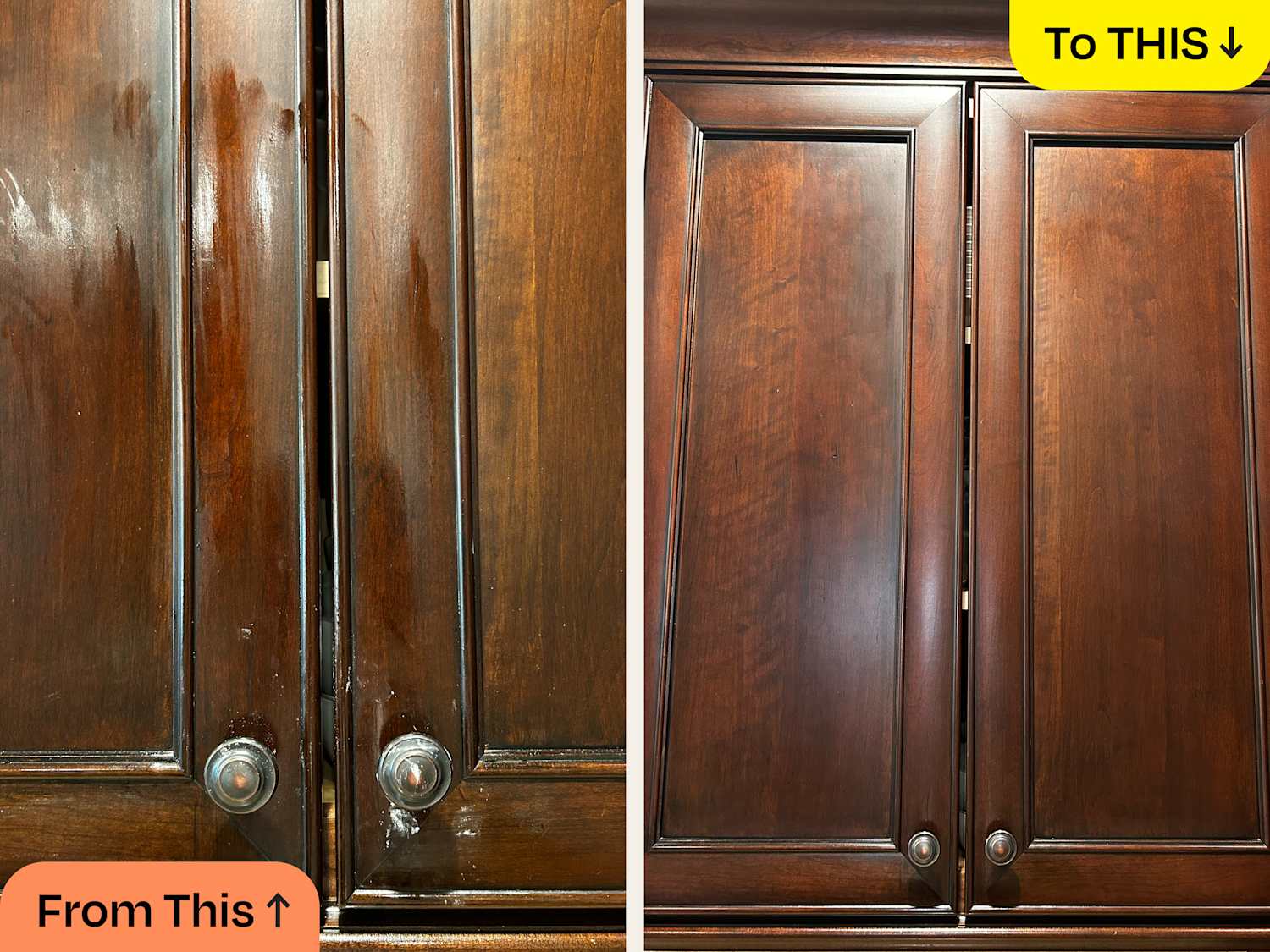
Are your kitchen cabinets looking dull or sticky? You might be wondering, “What can I use to wipe down my kitchen cabinets?” Finding the right cleaning solution is key to keeping your cabinets fresh without damaging the finish.
You’ll discover simple, effective options that are safe for your cabinets and easy for you to use. Keep reading to learn how to make your kitchen shine like new with just a few household items you probably already have.

Credit: currently.att.yahoo.com
Common Cleaning Solutions
Keeping kitchen cabinets clean is key for a fresh and inviting space. Choosing the right cleaning solution protects the cabinet’s finish and removes dirt effectively. Common cleaning solutions are easy to make and safe for most cabinet materials. These solutions tackle grease, stains, and grime without harsh chemicals.
Mild Dish Soap Mixture
A mild dish soap mixture works well for everyday cleaning. Mix a few drops of dish soap with warm water. Dip a soft cloth or sponge into the solution and wring out excess water. Wipe down the cabinet surfaces gently, removing dirt and grease. Rinse the cloth with clean water and wipe again to avoid soap residue. Dry the cabinets with a clean towel to prevent water damage.
Vinegar And Water Blend
Vinegar and water blend is a natural cleaner that cuts through grease. Mix equal parts of white vinegar and water in a spray bottle. Spray the solution lightly on cabinets and wipe with a soft cloth. This blend helps remove tough stains without damaging the finish. Avoid using vinegar on natural stone or unfinished wood, as it may cause damage.
Baking Soda Paste
Baking soda paste is excellent for stubborn stains and sticky spots. Mix baking soda with a small amount of water to form a thick paste. Apply the paste to the stained areas using a soft cloth or sponge. Let it sit for a few minutes, then gently scrub and wipe clean. Rinse with a damp cloth and dry to keep cabinets looking fresh and clean.
Natural Ingredients For Cleaning
Natural ingredients offer a safe and effective way to clean kitchen cabinets. They avoid harsh chemicals that can damage finishes or harm health. These simple items often come from your kitchen or garden. They clean, shine, and freshen cabinets gently.
Lemon Juice Benefits
Lemon juice is a natural cleaner and disinfectant. Its acidity removes grease and stains easily. It also brightens dull cabinet surfaces without scratching. The fresh citrus scent leaves your kitchen smelling clean and inviting.
Olive Oil For Shine
Olive oil adds a soft shine to wooden cabinets. It helps to moisturize the wood and prevent cracking. A small amount rubbed onto cabinets restores their natural glow. It also creates a protective layer against dust and dirt.
Essential Oils For Freshness
Essential oils bring a pleasant aroma and extra cleaning power. Oils like tea tree, lavender, or eucalyptus have antibacterial properties. Add a few drops to water or olive oil for a fresh-smelling wipe-down. These oils keep cabinets smelling clean longer.
Commercial Cleaners To Consider
Choosing the right commercial cleaner can make wiping down your kitchen cabinets easier and more effective. But with so many options on the market, how do you pick the best one for your cabinet material and cleaning needs? Let’s look at some commercial cleaners that you might want to consider, depending on the type of grime and surface you’re dealing with.
All-purpose Cleaners
All-purpose cleaners are a popular choice because they handle a variety of surfaces well. These products usually come in spray bottles and work on grease, dirt, and fingerprints without damaging finishes.
If you want a quick wipe that won’t require scrubbing or rinsing, an all-purpose cleaner is your friend. Just make sure to check the label for any warnings about wood or sensitive surfaces.
Wood-safe Products
Wood cabinets need gentle care to avoid damage or discoloration. Commercial wood-safe cleaners are specially formulated to clean without stripping the finish or drying out the wood.
Look for products that contain natural oils or conditioners. These not only clean but also nourish your cabinets, keeping them looking fresh longer.
Grease-fighting Sprays
Kitchen cabinets often get coated in stubborn grease, especially near stoves or ovens. Grease-fighting sprays are designed to cut through thick, oily residues fast.
These sprays usually contain powerful degreasers but remember to test a small area first to avoid damaging paint or varnish. Have you noticed how some degreasers leave a residue? Wiping with a damp cloth afterward helps prevent buildup.
Credit: www.apartmenttherapy.com
Tools For Effective Cleaning
Soft microfiber cloths work well to wipe down kitchen cabinets without scratching. A gentle mixture of warm water and mild soap helps remove dirt and grease effectively. Avoid harsh chemicals that can damage cabinet surfaces.
Cleaning your kitchen cabinets doesn't need to be a daunting task. With the right tools, you can make the process quick, efficient, and even enjoyable. Let's dive into some essential tools that can transform your cabinet cleaning routine into a breeze.
Microfiber Cloths
Microfiber cloths are a must-have for any cleaning toolkit. They’re incredibly effective at trapping dust and grime, thanks to their tiny fibers that reach into crevices that other cloths might miss. Plus, they’re reusable and easy to wash, making them an eco-friendly choice for your home. Using a microfiber cloth is simple. Just dampen it slightly with water or a gentle cleaning solution, and wipe down your cabinets. You'll notice the difference immediately as the cloth lifts away dirt without leaving streaks.
Soft Sponges
A soft sponge is another great tool for cleaning kitchen cabinets. These sponges can tackle tougher spots without scratching the surface of your cabinets. Opt for a non-abrasive sponge to protect the finish of your cabinets while still removing grime. Have you ever noticed those stubborn spots near the handles? A soft sponge, dampened with a bit of warm, soapy water, can make short work of those. Just remember to rinse the sponge thoroughly and wring it out well to avoid leaving water marks.
Old Toothbrushes
An old toothbrush might just be your secret weapon against grime. Perfect for getting into those hard-to-reach corners and grooves, a toothbrush can help you clean intricate designs and hardware on your cabinets. Next time you replace your toothbrush, don't toss the old one. Instead, repurpose it for your cleaning arsenal. Dip it in a mild cleaning solution, and gently scrub areas that need a bit more attention. You'll be surprised at how effective this humble tool can be. By using these simple tools, you can keep your kitchen cabinets looking pristine. What tools do you find most useful in your cleaning routine?
Tips For Stubborn Stains
Stubborn stains on kitchen cabinets can be tough to remove. They need extra care and the right methods. Using harsh tools or cleaners may damage the surface. Follow these tips to clean your cabinets safely and effectively.
Gentle Scrubbing Techniques
Use a soft cloth or sponge for scrubbing. Avoid abrasive pads that can scratch the finish. Apply gentle pressure and scrub in small circles. This helps lift dirt without harming the surface. For sticky spots, dampen the cloth with warm water mixed with mild soap.
Soaking And Softening
Soften tough stains by soaking a cloth in warm, soapy water. Place the cloth over the stain for a few minutes. This loosens grime and makes it easier to wipe away. Repeat as needed, but avoid soaking the cabinet wood directly to prevent damage.
Avoiding Damage
- Never use bleach or harsh chemicals on cabinets.
- Do not scrub with steel wool or rough brushes.
- Test cleaners on a small hidden spot first.
- Always dry cabinets immediately after cleaning.
- Use products made for wood or laminate surfaces.
Maintaining Cabinet Finish
Maintaining the finish on your kitchen cabinets is key to keeping them looking fresh and new. The finish protects the wood or material beneath from damage and wear. Taking care of this finish means your cabinets will last longer and stay attractive through daily use.
Regular Dusting
Dust can build up quickly, especially in a busy kitchen. Using a soft, dry microfiber cloth is one of the best ways to remove dust without scratching the finish. Try to dust your cabinets at least once a week to prevent dirt from settling into the surface.
Have you noticed how dust can dull the shine of your cabinets over time? Staying consistent with dusting is a small effort that pays off in the long run.
Avoiding Excess Moisture
Moisture is one of the biggest enemies of cabinet finishes. Wiping cabinets with a damp cloth might seem harmless, but too much water can cause the finish to peel or warp. Always use a barely damp cloth and dry the surface immediately after.
If you’ve ever seen bubbles or peeling on your cabinets, it’s likely from water damage. Try to clean spills quickly and avoid using harsh chemicals that strip protective coatings.
Polishing Methods
Polishing your cabinets can restore their shine and add a protective layer. Use a polish that matches your cabinet finish—whether it’s wood, laminate, or painted. Apply polish sparingly with a soft cloth and buff gently to avoid buildup.
Many people overlook polishing, but it can be the difference between dull cabinets and ones that catch the eye. Have you tried natural options like lemon oil? They can be effective and safe for your finish.

Credit: www.aol.com
Frequently Asked Questions
What Is The Best Cleaner For Kitchen Cabinets?
A mild dish soap mixed with warm water is ideal. It effectively removes grease without damaging surfaces. Avoid harsh chemicals that can strip finishes or discolor cabinets.
Can Vinegar Safely Clean Kitchen Cabinets?
Yes, a diluted vinegar solution can clean cabinets safely. Mix equal parts vinegar and water for a natural, non-toxic cleaner. It removes grime and kills bacteria without harming finishes.
How Often Should I Wipe Down Kitchen Cabinets?
Wipe cabinets weekly to prevent buildup of grease and dirt. Regular cleaning keeps surfaces shiny and extends cabinet life. Spot clean spills immediately to avoid stains.
Are Commercial Cabinet Cleaners Better Than Homemade Solutions?
Commercial cleaners are convenient and formulated for cabinets. However, homemade solutions like soap or vinegar are effective and cost-efficient. Choose based on cabinet material and cleaning needs.
Conclusion
Choosing the right cleaner keeps your cabinets fresh and bright. Use gentle solutions to avoid damage and stains. Soft cloths work best for wiping without scratching. Clean regularly to stop dirt and grease buildup. Small efforts make your kitchen look neat and tidy.
Happy cleaning!