
What is the Effect on Oven Cleaner on Kitchen Countertops? Have you ever wondered what happens when oven cleaner touches your kitchen countertops? You might think it’s a quick way to tackle tough stains, but the truth could surprise you.
Understanding how oven cleaner affects your surfaces is key to keeping your kitchen looking fresh and damage-free. You’ll discover what oven cleaner does to different countertop materials and learn smart tips to protect your investment. Keep reading to make sure your cleaning routine is working for you—not against you.
How Oven Cleaners Work
Understanding how oven cleaners work can help you protect your kitchen surfaces better. These cleaners are powerful and designed to break down tough grease and burnt-on food. However, their strength means you need to be careful about where you use them, especially on your countertops.
Chemical Ingredients In Oven Cleaners
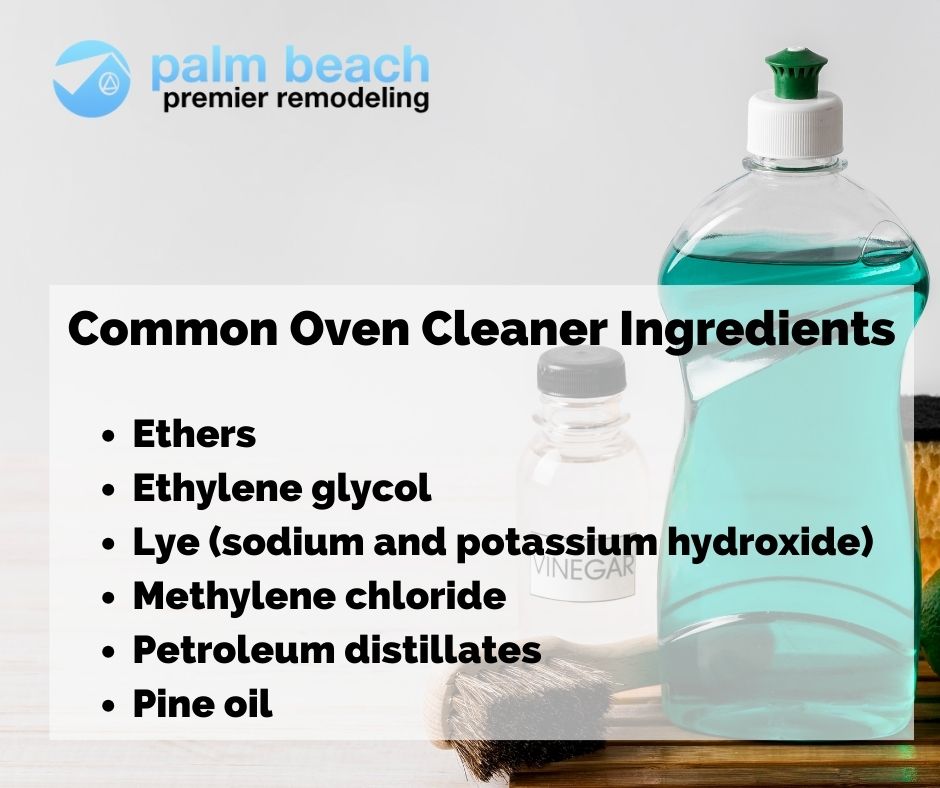
Oven cleaners contain strong chemicals like sodium hydroxide (lye) and potassium hydroxide. These ingredients are highly alkaline, meaning they have a high pH level that helps dissolve stubborn grease. Some formulas also include surfactants to help the cleaner spread evenly and penetrate grime.
These chemicals are effective but harsh. If they come into contact with delicate surfaces, such as granite or laminate countertops, they can cause discoloration or damage the finish. Have you ever noticed a dull spot after using a cleaner near your counter edges?
Mechanism Of Grease Removal
Oven cleaners attack grease by breaking down the molecular bonds that hold grease and burnt food together. The alkaline chemicals saponify fats, turning them into soap-like substances that can be wiped away easily. This process is what makes even the toughest, baked-on messes disappear.
Because the cleaner breaks down grease at a chemical level, it works quickly but can also react with sensitive materials. This is why it’s crucial to avoid letting oven cleaner sit on your countertops. If you want to clean your oven without risking damage elsewhere, always protect nearby surfaces or use milder alternatives on your counters.
Common Countertop Materials
Kitchen countertops come in many materials, each with unique traits. Choosing the right cleaner matters a lot. Oven cleaner contains strong chemicals that can harm surfaces. Understanding common countertop materials helps protect them from damage.
Granite And Marble
Granite and marble are natural stones. They look elegant but are sensitive to harsh chemicals. Oven cleaner can strip their protective sealant. This causes dull spots and stains. It may also etch the stone surface, leaving marks that are hard to fix. Use mild, stone-safe cleaners instead.
Laminate Surfaces
Laminate countertops have a plastic finish over particleboard. Oven cleaner’s strong chemicals can break down this finish. This leads to discoloration and peeling. The particleboard underneath can swell if moisture seeps in. Avoid oven cleaner to keep laminates looking new.
Quartz And Solid Surfaces
Quartz and solid surfaces are engineered materials. They resist stains and scratches well. Oven cleaner may still damage their resin binders. This causes cloudiness or discoloration. Use cleaners made for quartz or solid surfaces. They keep the shine intact without damage.
Wood And Butcher Block
Wood and butcher block countertops are porous and sensitive. Oven cleaner’s strong chemicals dry out wood fibers. This causes cracking and warping over time. The finish can also wear off, exposing raw wood. Use gentle, wood-specific cleaners and oils to maintain them.
Potential Damage From Oven Cleaner
Oven cleaners are powerful products designed to tackle tough grease and baked-on food inside ovens. However, their strength can pose risks when they come into contact with kitchen countertops. Understanding the potential damage helps you protect your surfaces and avoid costly repairs.
Surface Etching And Discoloration
Oven cleaners often contain strong alkaline chemicals that can eat away at the finish of countertops. This can cause surface etching, where the smooth texture becomes rough or pitted. Discoloration may follow, leaving your countertop looking dull or stained in patches.
I once used oven cleaner on a granite countertop accidentally, and noticed a white, chalky mark that wouldn’t go away. It was a clear sign of etching, showing how even brief exposure can cause visible damage.
Chemical Reactions With Sealants
Many countertops rely on sealants to protect against stains and moisture. Oven cleaner chemicals can break down these sealants, reducing their effectiveness. Once the seal is compromised, liquids and dirt can seep in, causing further harm over time.
Ask yourself: Have you checked whether your countertop sealant is compatible with strong cleaners? Using oven cleaner without this knowledge might undo the protection you worked hard to maintain.
Long-term Material Degradation
Repeated or prolonged exposure to oven cleaner can weaken countertop materials beneath the surface. This degradation might not be immediately visible but can lead to cracks, chips, or warping over months or years. It’s a slow process that often goes unnoticed until serious damage appears.
Think about how often you clean tough stains with harsh products. Could those quick fixes be reducing your countertop’s lifespan? Gentle, appropriate cleaners are often the better choice for long-term durability.
Credit: pbphomerepair.com
Health And Safety Risks
Using oven cleaner on kitchen countertops can pose health and safety risks. These risks arise from the chemical nature of oven cleaners. Understanding these risks is essential to maintaining a safe kitchen environment.
Toxic Fumes And Skin Irritation
Oven cleaners often emit toxic fumes. These fumes can irritate your respiratory system. Breathing them in can cause coughing or throat discomfort. Skin contact with oven cleaner is also risky. It can lead to redness or irritation.
Residue And Food Contamination
Oven cleaners can leave behind chemical residues. These residues may linger on countertops. If food contacts these residues, contamination occurs. This can be harmful when the contaminated food is consumed. Ensuring proper cleaning is crucial for health safety.
Safe Cleaning Alternatives
Safe cleaning alternatives protect your kitchen countertops from damage. Oven cleaners contain harsh chemicals that can erode or discolor many countertop surfaces. Choosing gentler options helps keep your counters looking new and prevents costly repairs. These alternatives clean effectively without risking harm to your kitchen.
Natural Cleaning Solutions
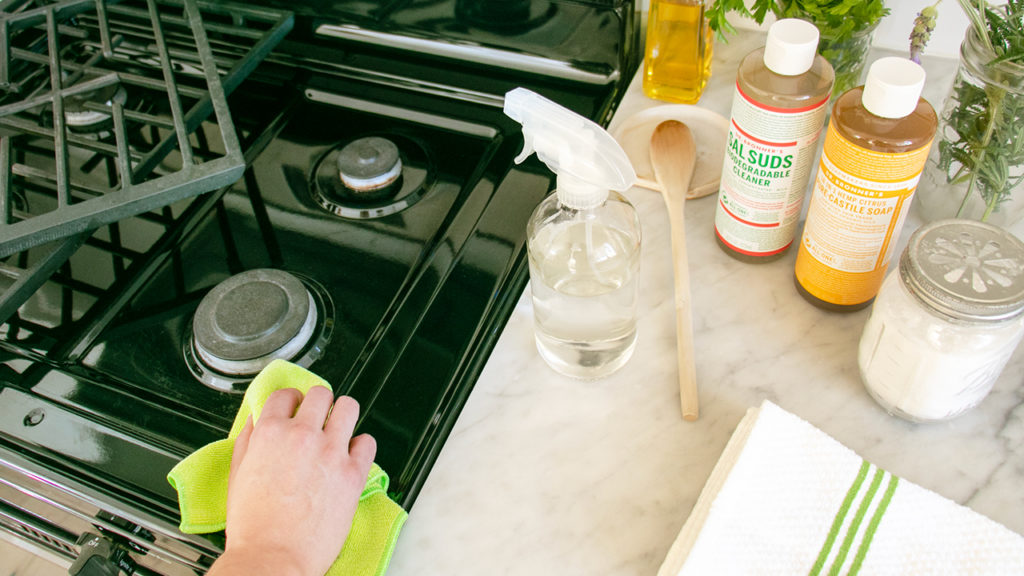
Natural cleaning solutions use simple ingredients found at home. Baking soda and vinegar mix to create a gentle scrub for stains. Lemon juice removes grease and leaves a fresh scent. Olive oil combined with salt can polish wooden countertops safely. These options avoid harsh chemicals and are better for your health and environment.
Recommended Products For Countertops
Choose products designed specifically for your countertop material. For granite, use pH-neutral cleaners that prevent surface damage. Laminate counters benefit from mild dish soap and water solutions. Avoid abrasive powders or acidic cleaners on marble and quartz. Look for labels that say “safe for stone” or “non-abrasive.”
Proper Cleaning Techniques
- Use soft cloths or sponges to prevent scratches.
- Wipe spills immediately to avoid stains.
- Apply cleaner gently without scrubbing hard.
- Rinse thoroughly to remove any residue.
- Dry the surface with a clean towel to prevent water spots.
Following these steps helps maintain your countertop’s finish. Regular gentle cleaning keeps kitchens fresh and safe.

Credit: www.reddit.com
Preventing Damage To Countertops
Oven cleaners are powerful products designed to remove tough grease and burnt residues. However, their strength can also pose risks to your kitchen countertops if not used carefully. Preventing damage means taking a few simple but essential precautions to protect your surfaces while keeping them clean and safe.
Spot Testing Cleaners
Before applying any oven cleaner to your countertop, test it on a small, hidden area. This helps you see how the surface reacts without risking widespread damage.
Apply a tiny amount of the cleaner and wait a few minutes. If you notice discoloration, bubbling, or a rough texture, avoid using that cleaner on your countertop.
Spot testing is quick and easy but can save you from costly repairs or replacements later. Have you ever regretted skipping this step?
Using Protective Barriers
Protective barriers like plastic sheets, old towels, or cardboard can shield your countertops from accidental spills or splashes of oven cleaner.
Lay down these barriers before you start cleaning your oven or working nearby. This simple action creates a physical buffer, preventing harsh chemicals from contacting your countertop.
Remember, even a small drip can cause stains or etching, especially on delicate surfaces like marble or granite.
Regular Maintenance Tips
Keeping your countertops clean with gentle, everyday methods reduces the need for harsh cleaners. Wiping spills immediately and using mild soap keeps surfaces fresh and less prone to damage.
Consider sealing porous countertops regularly to create a protective layer against chemicals. This also helps maintain their natural beauty and durability.
How often do you check your countertops for wear and tear? Regular care can extend their life and keep your kitchen looking great.
Credit: www.lisabronner.com
Frequently Asked Questions
What Damage Can Oven Cleaner Cause To Countertops?
Oven cleaner can discolor or etch sensitive countertop surfaces. It may remove sealants, causing dull spots or permanent marks. Avoid using it on natural stone, laminate, or sealed countertops to prevent surface damage and maintain their appearance.
Is Oven Cleaner Safe For Granite Countertops?
Oven cleaner is not safe for granite. Its harsh chemicals can break down granite's sealant, leading to stains and dullness. Use pH-neutral cleaners specifically designed for granite to protect and preserve your countertop's finish.
How To Clean Countertops After Using Oven Cleaner?
Rinse the countertop thoroughly with water immediately after using oven cleaner. Wipe with a damp cloth to remove residues. Then, apply a mild cleaner to neutralize chemicals and prevent damage or discoloration.
Can Oven Cleaner Remove Tough Stains On Countertops?
Oven cleaner can remove some tough stains, but it risks damaging countertop surfaces. It's safer to use stain removers made for your countertop type to avoid etching or discoloration.
Conclusion
Oven cleaners can damage kitchen countertops if not used carefully. They contain strong chemicals that may harm surfaces. Always read product labels before applying. Test a small area first to avoid stains or discoloration. Use gloves and work in a well-ventilated space.
Consider safer alternatives for cleaning countertops. Protect your kitchen by choosing gentle, suitable cleaners. Taking these steps keeps your countertops looking good longer. Clean smart and stay safe in your kitchen.