
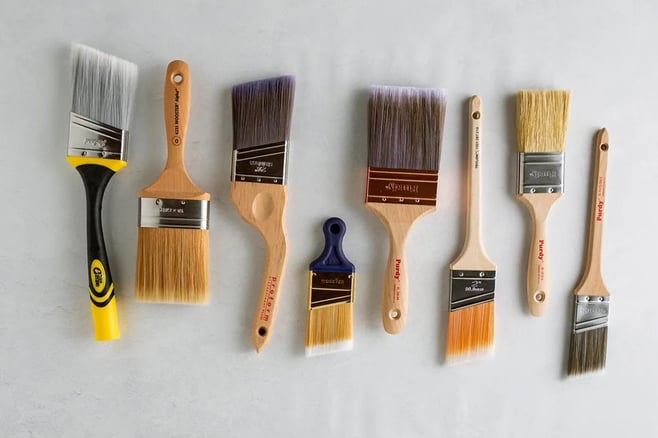
Choosing the right paint brush for your kitchen cabinets can make all the difference between a smooth, professional finish and a frustrating, messy job. If you want your cabinets to look fresh and flawless, you need a brush that works with your paint and fits your cabinet’s surface.
You’ll discover exactly which paint brush will help you achieve that perfect look—saving you time, effort, and headaches. Ready to transform your kitchen with confidence? Keep reading to find the best brush for your project.
Choosing The Right Brush Material
Choosing the right brush material affects your kitchen cabinet's final look. The brush type influences paint application, smoothness, and finish quality. Different materials suit different paints and surfaces. Understanding each type helps pick the best tool for your project.
Natural Bristle Brushes
Natural bristle brushes are made from animal hair like hog or badger. They hold more paint and give a smooth finish. Best for oil-based paints and varnishes. The soft bristles help create fine details on cabinet surfaces. Not ideal for water-based paints, as they absorb water and lose shape.
Synthetic Bristle Brushes
Synthetic brushes use nylon or polyester fibers. They work well with water-based and latex paints. These brushes keep their shape and resist wear. Synthetic bristles provide a smooth coat without brush marks. Easy to clean and maintain after painting sessions.
Hybrid Brush Options
Hybrid brushes combine natural and synthetic bristles. They offer the benefits of both materials. Suitable for use with oil and water-based paints. These brushes give a smooth, even coat on cabinets. A good choice when versatility is needed for different paint types.
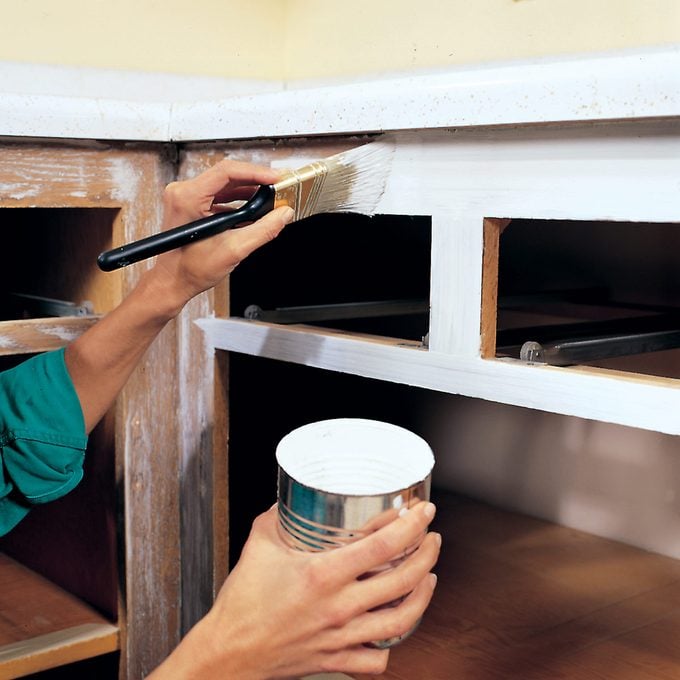
Credit: www.familyhandyman.com
Brush Shapes And Sizes
Choosing the right brush shape and size can make a huge difference in how your kitchen cabinets turn out. Each brush type serves a specific purpose, helping you achieve smooth, even coats and sharp details. Understanding these options lets you work smarter, not harder, and get professional-looking results.
Flat Brushes For Large Surfaces
Flat brushes are perfect for covering broad, flat areas quickly and evenly. Their wide bristles hold plenty of paint, so you spend less time dipping and more time painting. If you want a smooth finish without visible brush marks, use a high-quality synthetic flat brush designed for cabinet paint.
Think about the cabinet doors and drawer fronts—these large areas benefit from a flat brush’s efficiency. You’ll notice the paint glides on smoothly, making your job faster and less tiring. Have you ever struggled with streaks? A flat brush helps minimize that problem.
Angled Brushes For Detail Work
Angled brushes excel at reaching tight corners and trimming around edges. Their slanted bristles give you better control for precise lines and clean edges. If you want your cabinet frames and moldings to look sharp, grab an angled brush.
It’s like having a paintbrush that follows your hand’s every move, perfect for tricky spots. Using an angled brush makes touch-ups easier too, so you don’t accidentally paint over areas you want to keep clean. What areas in your kitchen require extra precision?
Round Brushes For Curves And Edges
Round brushes are designed to handle curves and oddly shaped parts with ease. Their tapered bristles allow you to navigate rounded edges and intricate trim without leaving gaps or uneven paint. If your cabinets have decorative details or curved panels, a round brush is your best friend.
Using a round brush feels more natural for these shapes, giving you better control and a smoother finish. It’s like the brush molds to the surface, helping you avoid drips and clumps. Have you noticed how difficult it is to paint curves evenly with a flat brush? This solves that problem.
Brush Quality And Durability
Choosing the right brush for painting your kitchen cabinets isn’t just about size or shape. Brush quality and durability play a huge role in how smoothly your paint goes on and how long your cabinets look fresh. A high-quality brush saves you time, reduces frustration, and gives you a professional finish that lasts.
Tips For Selecting High-quality Brushes
Look for brushes with tightly packed bristles that feel firm but flexible. Synthetic bristles are often best for kitchen cabinets, especially if you’re using water-based paints. They hold paint well and don’t lose shape easily.
Check the brush handle—comfortable grip means better control during painting. Also, avoid brushes with loose or shedding bristles; they can ruin your smooth finish by leaving stray hairs behind.
- Choose angled brushes for edges and corners.
- Pick brushes labeled as “high-density” or “premium” for better durability.
- Consider brands known for quality rather than cheapest options.
How Brush Quality Affects Finish
Ever painted a cabinet only to find streaks or bubbles afterward? Poor brush quality often causes this. Low-quality brushes shed bristles and leave uneven strokes that require extra sanding and repainting.
High-quality brushes distribute paint evenly, creating a smooth surface that highlights your cabinetry’s details. They help avoid brush marks and reduce the need for multiple coats.
Investing in a durable brush means fewer interruptions to clean or replace it mid-project. This keeps your workflow steady and your results consistently sharp. Don’t underestimate the power of a good brush; it’s a small tool that makes a big difference.
Specialty Brushes For Cabinet Painting
Choosing the right paint brush for kitchen cabinets can greatly affect the final look. Specialty brushes are designed to make your cabinet painting project smooth and precise. These brushes cater to different needs, providing options for smooth finishes and detailed lines. Let's explore two types of specialty brushes that can elevate your cabinet painting.
Foam Brushes For Smooth Finishes
Foam brushes are ideal for achieving a smooth and even finish. They help in spreading the paint without leaving brush marks. Foam brushes absorb paint well and distribute it evenly. This makes them perfect for flat surfaces on cabinets. The soft foam material is gentle on surfaces, reducing the risk of streaks.
These brushes are also lightweight and easy to handle. They allow for quick and efficient painting, saving time and effort. Foam brushes are best for applying thin coats of paint, leading to a flawless finish.
Trim Brushes For Fine Lines
Trim brushes are designed for detailed work and fine lines. These brushes have angled bristles that provide precision in tight spaces. They are perfect for painting edges and corners of cabinets. The angled tip allows for control and accuracy.
Trim brushes are great for cutting in and creating sharp lines. This ensures no paint bleeds over edges, keeping the lines clean. They work well with both oil-based and water-based paints. Trim brushes offer a professional look, enhancing the detail on cabinet surfaces.
Preparing Your Brush For Painting
Preparing your brush before painting kitchen cabinets is a crucial step. It ensures a smooth finish and helps the paint stick properly. A well-prepared brush reduces streaks and brush marks on the surface. Taking time to clean and condition the brush makes your work easier and neater.
Cleaning Before Use
New brushes often have loose bristles and dust. Rinse the brush gently under warm water. Use your fingers to remove any debris or loose hairs. For oil-based paints, dip the brush in mineral spirits and shake off excess. Dry the brush lightly with a clean cloth. This prevents unwanted particles from sticking to the paint and surface.
Proper Technique To Avoid Brush Marks
Load the brush with paint evenly but not too much. Tap off extra paint on the can’s edge. Use long, smooth strokes in one direction. Avoid pressing hard; gentle strokes spread paint better. Keep a wet edge to blend strokes easily. Work in small sections for even coverage. This method reduces streaks and brush lines on cabinets.
Maintaining Brushes During The Project
Maintaining your paint brushes during a kitchen cabinet project is crucial for achieving a smooth, professional finish. Neglecting brush care can lead to dried paint, bristle damage, and uneven strokes. Taking a few moments to clean and store your brushes properly saves time and money, making your project more enjoyable and less frustrating.
Cleaning Between Coats
After applying one coat, don't leave your brush sitting with wet paint. Rinse it gently with warm water if you're using water-based paint, or with the appropriate solvent for oil-based paints. Use your fingers or a brush comb to remove paint trapped near the ferrule.
Dry the brush lightly with a clean cloth to avoid dripping. This quick cleaning prevents paint from hardening and keeps the bristles flexible. Have you noticed how a stiff brush can ruin the smoothness of your cabinet finish? Avoid that by cleaning promptly.
Storing Brushes Properly
If you plan to pause your painting for several hours or overnight, store your brush correctly to protect it. Wrap the bristles in plastic wrap or aluminum foil, making sure they don’t bend. This keeps the brush from drying out without needing a full wash.
Always store brushes flat or hanging with the bristles down. Standing them upright on their bristles causes them to bend and lose shape. Have you ever tried to paint with a brush that’s lost its edge? Proper storage prevents that frustrating experience.
Tips For A Flawless Cabinet Finish
Achieving a flawless finish on your kitchen cabinets depends greatly on how you apply the paint. The right technique can make your cabinets look professionally done, even if you're a beginner. Paying attention to details like paint thickness and common mistakes will save you time and frustration.
Applying Thin, Even Coats
Applying paint in thin, even layers prevents drips and brush marks. Thick coats may seem faster, but they often lead to uneven texture and longer drying times. Use a high-quality angled brush designed for smooth surfaces to control the amount of paint you apply.
Try to brush in one consistent direction with gentle, steady strokes. Avoid going back and forth over the same area while the paint is wet; it can cause streaks. Let each coat dry fully before adding another to build up a smooth, durable finish.
Avoiding Common Painting Mistakes
Many beginners make the mistake of skipping surface preparation. Cleaning and sanding your cabinets before painting ensures better paint adhesion and a smoother look. Never rush through this step—your final result depends on it.
Also, don’t overload your brush with paint; this leads to drips and uneven coverage. If you see bubbles or dust settling on the wet paint, pause and gently sand after it dries before applying the next coat. Have you ever noticed how small imperfections become glaring after the paint dries? Catching them early makes all the difference.
Frequently Asked Questions
What Type Of Paint Brush Is Best For Kitchen Cabinets?
A high-quality synthetic bristle brush is best for kitchen cabinets. It provides smooth, even paint coverage and works well with latex and oil-based paints. Synthetic brushes resist wear and help achieve a professional finish on cabinet surfaces.
Can I Use Foam Brushes On Kitchen Cabinets?
Foam brushes are good for smooth surfaces but not ideal for kitchen cabinets. They can leave bubbles and uneven texture. For best results, use a synthetic bristle brush that offers better control and a cleaner finish on cabinets.
How Do I Choose The Right Brush Size For Cabinets?
Choose a 2 to 2. 5-inch brush for kitchen cabinets. This size balances precision and coverage, allowing you to paint cabinet doors and drawers effectively without missing spots or causing drips.
Should I Use Angled Brushes On Kitchen Cabinets?
Yes, angled brushes are great for kitchen cabinets. They help paint edges, corners, and detailed trim with precision, ensuring clean lines and a professional-looking finish.
Conclusion
Choosing the right paint brush makes your kitchen cabinets look great. A good brush helps paint go on smooth and neat. Think about the type of paint and cabinet surface before buying. Synthetic brushes work well with most paints and clean up easily.
A smaller brush can help with tight spots and edges. Taking time to pick the best brush saves effort and gives better results. Now, you are ready to paint your cabinets with confidence and ease. Simple tools, clear steps, and patience bring fresh kitchen beauty.