

Have you ever wondered why aprons are a must-have in every kitchen? Whether you’re a seasoned chef or just starting out, an apron does more than just keep your clothes clean.
It’s your kitchen’s silent hero, protecting you from spills, stains, and even burns. But there’s more to aprons than meets the eye. You’ll discover surprising reasons why wearing an apron can make your cooking experience safer, easier, and more enjoyable.
Keep reading—you might never want to cook without one again!
Purpose Of Kitchen Aprons
Kitchen aprons serve more than just a decorative role. Their purpose is practical and essential, helping you manage the mess and maintain cleanliness while cooking. Wearing an apron can change your entire kitchen experience by keeping your clothes safe and your cooking environment more hygienic.
Protecting Clothes From Stains
Aprons act as a barrier between your clothes and kitchen spills. Think about those times you’ve accidentally splashed tomato sauce or flour—without an apron, your outfit pays the price. An apron catches stains and splatters before they reach your shirt or pants, saving you from extra laundry or ruined clothing.
Have you ever had to throw away a favorite shirt because of a stubborn cooking stain? Wearing an apron eliminates that risk, giving you the freedom to cook without worry.
Maintaining Hygiene While Cooking
Keeping your cooking area clean is crucial, and aprons play a big role in that. They prevent dirt and dust from your clothes from falling onto food or surfaces. When you wear an apron, you’re less likely to transfer germs from your daily clothes into your kitchen.
Imagine preparing a meal for loved ones—wouldn’t you want to minimize any chance of contamination? An apron is a simple tool that helps you do just that, promoting a cleaner and safer cooking space.
Preventing Cross-contamination
Cross-contamination happens when bacteria or allergens spread from one surface or food to another. Aprons help reduce this risk by acting as a dedicated layer worn only in the kitchen. You can change or wash your apron frequently, unlike your everyday clothes, which may carry unseen bacteria.
Have you ever touched raw chicken and then handled vegetables without washing your hands or changing clothes? An apron reminds you to keep these tasks separate, protecting your food from harmful germs. It’s a small step that can prevent foodborne illnesses and keep your meals safe.
Credit: www.smartuk.net
Types Of Aprons Used In Kitchens
Aprons come in various styles, each designed for different kitchen tasks. Choosing the right apron helps protect clothes and keeps you comfortable. Aprons also add a professional touch to cooking or serving.
Here are some common types of aprons used in kitchens.
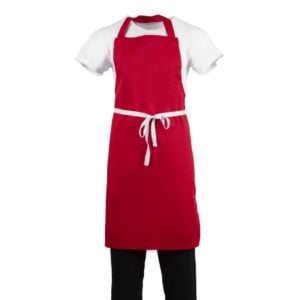
Bib Aprons
Bib aprons cover the chest and tie at the back. They protect both the upper and lower body from spills and stains. Many chefs prefer bib aprons for full coverage and durability. These aprons often have pockets for holding small tools or recipes.
Waist Aprons
Waist aprons cover only the lower half of the body. They tie around the waist and usually fall to the knees or mid-thigh. Waiters and bakers often use waist aprons for easy movement. These aprons keep pants clean without restricting arm movement.
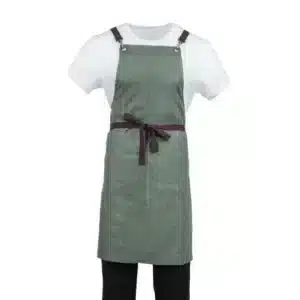
Pinafore Aprons
Pinafore aprons have wide straps that go over the shoulders and cross at the back. They offer more support than waist aprons but less coverage than bib aprons. Pinafore aprons are popular in home kitchens for their comfort and style. They often have decorative designs and large pockets.
Material Choices And Their Benefits
Choosing the right apron material affects comfort and protection in the kitchen. Different fabrics offer unique benefits for daily cooking tasks. Understanding these materials helps select aprons that suit your needs best.
Cotton Aprons
Cotton aprons are soft and breathable. They absorb sweat and keep you cool. These aprons are easy to wash and maintain. Cotton is gentle on the skin and comfortable to wear for long periods. Ideal for light cooking and baking tasks.
Polyester And Blends
Polyester aprons dry quickly and resist wrinkles. Blends combine polyester with cotton to balance comfort and durability. These aprons last longer and resist stains better than pure cotton. They hold colors well, keeping aprons looking new after many washes.
Waterproof And Heat-resistant Fabrics
Waterproof aprons protect against spills and splashes. Made from materials like vinyl or coated fabrics, they keep your clothes dry. Heat-resistant fabrics shield against burns and hot splashes. These aprons are perfect for heavy cooking and grilling tasks. They offer extra safety and easy cleanup.
Credit: www.smartuk.net
Additional Functional Features
Aprons offer extra pockets to hold small tools or recipes, keeping hands free and work efficient. They also provide an extra layer of protection against spills and heat. This makes cooking safer and more organized.
Cooking is more than just mixing ingredients; it’s an art that requires the right tools and attire. Aprons, a staple in the kitchen, offer more than just a barrier between your clothes and that inevitable splash of tomato sauce. Their additional functional features can make your cooking experience smoother and more enjoyable.
Pockets For Tools And Utensils
Ever found yourself scrambling for a whisk or a tasting spoon just when you need it most? Aprons with pockets are your solution. These handy compartments allow you to carry essential tools and utensils right on you. Imagine reaching for a spatula without missing a beat in your cooking flow. Pockets also help keep your counters clutter-free. By storing smaller items directly in your apron, you maintain a tidy workspace. This organization can save you precious time and reduce stress during meal prep.
Adjustable Straps For Comfort
No two bodies are the same, and aprons shouldn't be either. Adjustable straps ensure your apron fits you perfectly, offering both comfort and flexibility. Whether you're tall, short, or somewhere in between, you can customize the fit to suit your needs. A well-fitting apron stays in place, allowing you to move freely as you cook. This can make all the difference during a long day in the kitchen, reducing strain and fatigue. Do you feel like you're constantly adjusting your apron? Consider one with adjustable straps for a snug, secure fit.
Easy Cleaning And Maintenance
Cooking can be messy, and your apron will take the brunt of it. The good news is, many aprons are designed for easy cleaning and maintenance. Look for materials that are machine washable and stain-resistant. This feature not only saves you time but also keeps your apron looking fresh and new. Have you ever hesitated to wear an apron because you dreaded the cleanup? With easy-care fabrics, you can focus on cooking without worrying about tough stains or tedious washing routines. Incorporating these functional features can transform your apron from a simple garment to an indispensable kitchen companion. Have you explored the full potential of your kitchen apron yet?
Aprons And Kitchen Safety
Aprons are more than just a traditional kitchen garment—they play a crucial role in keeping you safe while cooking. Wearing an apron can protect you from common kitchen hazards, helping you avoid burns, spills, and accidents. Understanding how aprons contribute to kitchen safety can change the way you approach your cooking routine.
Protecting Against Hot Spills And Splashes
Hot oil or boiling water can cause painful burns in seconds. An apron acts as a barrier, shielding your skin and clothes from these unexpected splashes.
Imagine frying bacon and a sudden pop sends hot grease flying. With an apron on, that risk turns into a minor annoyance instead of a serious injury. This simple layer can save you from painful burns and ruined outfits.
Reducing Fire Hazards
Loose clothing is a common cause of kitchen fires. Aprons help by keeping your clothes tight and close to your body, reducing the chance of catching fire.
Some aprons are made from flame-resistant materials, adding an extra layer of protection. This makes aprons a smart choice, especially when working near open flames or hot stoves.
Improving Grip And Handling
Slippery hands or wet fabrics can cause accidents when handling sharp knives or hot pots. Aprons often have pockets where you can keep towels handy, improving your grip and control.
Having a towel within reach means you can quickly wipe your hands or clean spills, preventing slips and drops. This small convenience can make a big difference in maintaining safety during busy cooking sessions.

Credit: medium.com
Cultural And Professional Significance
Aprons hold a unique place beyond their practical use in kitchens. They carry deep cultural and professional meaning that connects chefs and cooks to their craft and community. Understanding this significance can change how you view this humble garment.
Symbol Of Culinary Profession
Wearing an apron is often a mark of pride among culinary professionals. It signals readiness and respect for the work ahead.
Think about how chefs wear aprons during service—it shows their commitment and skill. The apron becomes a badge that identifies them in a crowded kitchen.
Aprons In Different Culinary Traditions
Across cultures, aprons vary in style and meaning. In Japan, for instance, the traditional "maekake" apron is more than protection; it reflects heritage and craftsmanship.
Meanwhile, in European kitchens, the apron can denote rank or specialization, with colors and designs distinguishing roles. Have you noticed how some aprons tell stories about the food and culture behind them?
Role In Team Uniforms
Aprons unify kitchen teams visually and functionally. They create a sense of belonging and professionalism among staff.
When you see a team in matching aprons, it’s easier to recognize who’s responsible for what. This clarity helps kitchens run smoothly and fosters teamwork.
Frequently Asked Questions
Why Are Aprons Important In The Kitchen?
Aprons protect clothing from spills, stains, and splashes while cooking. They also help maintain hygiene by reducing contamination risks. Wearing an apron keeps you clean and safe during food preparation, making it a vital kitchen accessory.
How Do Aprons Improve Kitchen Hygiene?
Aprons act as a barrier between your clothes and food. They prevent dirt, dust, and germs from transferring to meals. Changing aprons regularly helps maintain a clean cooking environment and reduces cross-contamination risks in the kitchen.
Can Aprons Protect Against Kitchen Hazards?
Yes, aprons provide an extra layer of protection against heat, hot liquids, and sharp utensils. Some aprons are made from heat-resistant materials, helping reduce burns and accidents. Wearing an apron increases overall kitchen safety.
What Types Of Aprons Are Best For Cooking?
Cotton aprons are breathable and easy to clean, ideal for home cooks. For professional kitchens, durable materials like polyester or blends resist stains and wear. Choose aprons with pockets for added convenience during cooking.
Conclusion
Aprons keep clothes clean while cooking or baking. They protect from spills, stains, and heat. Wearing an apron also helps carry small tools or towels. It makes kitchen work safer and more organized. Everyone in the kitchen can benefit from using one.
Simple, useful, and practical—aprons are a kitchen must-have. They make cooking easier and more enjoyable. Don’t forget to wear one next time you cook!