
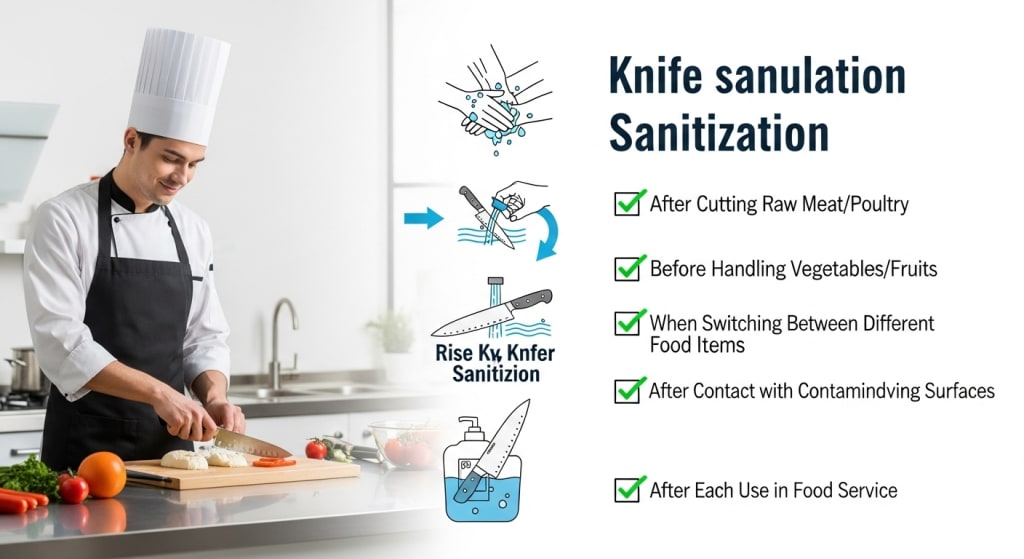
Have you ever stopped to think about what’s really on your kitchen tools? Those knives, cutting boards, and spoons you use every day can hide germs and bacteria that might make you or your loved ones sick.
Cleaning and sanitizing your kitchen tools isn’t just about keeping things looking nice—it’s about protecting your health and ensuring the food you prepare is safe to eat. If you want to avoid foodborne illnesses and keep your kitchen a safe space, understanding why and how to clean and sanitize your tools is essential.
Keep reading to discover the simple steps that can make a big difference in your kitchen hygiene and your family’s well-being.
Health Risks From Dirty Kitchen Tools
Dirty kitchen tools pose serious health risks in everyday cooking. Germs and bacteria can grow fast on unclean utensils. These microbes can spread to food and cause harm. Cleaning and sanitizing tools protect your family from sickness. Understanding the dangers helps keep your kitchen safe.
Bacterial Contamination
Bacteria thrive on food residues left on kitchen tools. Common bacteria include Salmonella, E. coli, and Listeria. These germs multiply quickly in warm, moist environments. Cutting boards, knives, and sponges are common spots for bacteria. Without proper cleaning, these bacteria can enter your food.
Cross-contamination Dangers
Cross-contamination happens when bacteria transfer between foods or surfaces. Using the same knife for raw meat and vegetables spreads germs. Dirty tools carry harmful bacteria from one food item to another. This risk increases if tools are not sanitized after each use. Cross-contamination can cause severe food poisoning.
Foodborne Illnesses
Foodborne illnesses result from eating contaminated food. Symptoms include nausea, vomiting, diarrhea, and stomach cramps. Some infections require hospital care and can be life-threatening. Children, elderly, and pregnant women are most vulnerable. Proper cleaning and sanitizing reduce these health risks significantly.

Credit: us.cleadeep.com
Differences Between Cleaning And Sanitizing
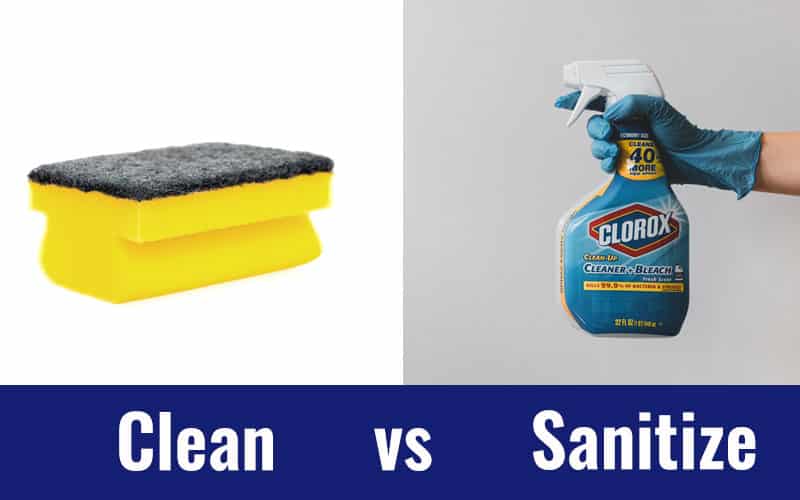
Understanding the differences between cleaning and sanitizing is key to keeping your kitchen tools safe. Both processes help reduce germs but work differently. Cleaning removes dirt, food, and grease. Sanitizing lowers the number of germs to a safe level. Knowing when and how to do each can protect your health and prevent foodborne illnesses.
What Cleaning Entails
Cleaning means removing visible dirt and food particles. It uses soap or detergent with water. Scrubbing helps lift away grease and debris. Cleaning prepares surfaces for sanitizing. Without cleaning first, sanitizing cannot work well. It does not kill all germs but makes tools look clean.
Purpose Of Sanitizing
Sanitizing kills most bacteria and viruses on surfaces. It uses heat or chemicals like bleach solutions. The goal is to reduce germs to safe levels. Sanitizing stops germs from spreading and causing illness. It works only after thorough cleaning. Sanitizers do not remove dirt but kill hidden germs.
When To Clean Vs. Sanitize
- Clean kitchen tools after each use to remove food and grease.
- Sanitize tools that touch raw meat, eggs, or ready-to-eat foods.
- Sanitize cutting boards, knives, and utensils regularly.
- Clean tools daily even if you sanitize them often.
- Sanitize after cleaning to ensure safety from germs.
Key Kitchen Tools To Clean And Sanitize
Keeping your kitchen tools clean and sanitized is essential for a healthy cooking environment. Certain items, due to their frequent contact with food and hands, demand extra attention to avoid cross-contamination and foodborne illnesses. Understanding which tools need thorough cleaning helps you maintain safety without wasting time on less critical items.
Cutting Boards And Knives
Cutting boards and knives are the frontline of food preparation. They often carry raw meat juices and bacteria that can easily spread to other foods.
You should clean them immediately after use with hot, soapy water and sanitize with a diluted bleach solution or vinegar spray. Consider using separate boards for raw meat and vegetables to reduce risks. Have you ever noticed how a dull knife can harbor more bacteria because it’s harder to clean properly?
Utensils And Mixing Bowls
Utensils like spatulas, spoons, and tongs touch multiple ingredients and surfaces, making them hotspots for germs. Mixing bowls, especially those used for raw ingredients, can also carry harmful pathogens if not cleaned thoroughly.
Wash these items with hot water and soap right after use and sanitize regularly. Dishwasher-safe utensils get an easier pass but hand-washed ones need extra scrubbing. How often do you check if your utensils have tiny food residues stuck in crevices?
Appliance Parts And Surfaces
Parts of appliances such as blender blades, food processor bowls, and toaster trays can trap food particles and bacteria. The surfaces of microwaves, refrigerators, and countertops also accumulate dirt and germs.
Disassemble removable parts and wash them well. Wipe down surfaces daily with a disinfectant suitable for kitchen use. Are you aware of how often your appliance surfaces get touched compared to your hands?
Credit: advantagecleaningllc.net
Effective Cleaning Techniques
Effective cleaning techniques keep kitchen tools safe and ready to use. Dirt and germs hide in small cracks. Proper cleaning removes food residues and bacteria that cause illness. Using the right methods helps tools last longer and stay in good condition.
Using Soap And Hot Water
Soap breaks down grease and food particles. Hot water helps kill bacteria and loosens stuck-on debris. Use warm water above 110°F for best results. Mix dish soap with hot water before washing. This makes cleaning faster and more effective.
Proper Scrubbing Methods
Scrub all surfaces carefully. Use a brush or sponge with a rough side for tough spots. Clean handles, edges, and joints thoroughly. Circular motions remove dirt better. Avoid using the same sponge for raw meat and vegetables. Replace sponges often to prevent bacteria growth.
Drying And Storage Tips
Dry tools completely after washing. Water left on tools encourages bacteria and rust. Use a clean towel or air dry on a rack. Store tools in a dry, clean place. Avoid stacking wet tools together. Proper storage keeps tools hygienic and ready for use.
Sanitizing Methods For Kitchen Tools
Cleaning and sanitizing kitchen tools prevent germs and bacteria from spreading. It keeps food safe and helps avoid illnesses. Regular care also extends the life of your tools.
Cleaning and sanitizing kitchen tools is more than just a routine chore; it’s a vital part of ensuring food safety and maintaining a healthy home. But what’s the best way to sanitize your kitchen tools effectively? There are several methods, each with its own benefits. Let’s dive into some practical ways to keep your kitchen tools not just clean, but truly sanitized.
Chemical Sanitizers
Chemical sanitizers are widely used for their effectiveness in killing bacteria and viruses. Bleach, for instance, is a common choice. A simple solution of one tablespoon of bleach mixed with one gallon of water can sanitize most kitchen tools. However, it’s crucial to rinse the tools thoroughly afterward to remove any chemical residue. You might find chemical sanitizers particularly useful after handling raw meat or eggs. Ensure you store these chemicals safely away from food to prevent any contamination.
Heat Sanitization
Using heat is a natural and highly effective method to sanitize kitchen tools. Boiling water can serve as an excellent sanitizer. Submerge your tools in boiling water for at least one minute to ensure germs are killed. Dishwashers also utilize heat sanitization effectively. Opt for a dishwasher with a high-temperature cycle to sanitize tools like cutting boards and utensils. It’s a straightforward and energy-efficient method that fits seamlessly into your routine.
Natural Alternatives
If you prefer to avoid chemicals, natural alternatives can be just as effective. Vinegar is a fantastic option due to its acidic nature, which kills bacteria. Simply spray undiluted vinegar onto your kitchen tools and allow it to sit for a few minutes before rinsing. Lemon juice is another excellent natural sanitizer, offering both antibacterial properties and a fresh scent. You can mix equal parts of lemon juice and water to create a sanitizing solution. These natural methods are especially appealing for those who prioritize eco-friendly practices in their kitchen. In your kitchen, which sanitizing method do you prefer? Each offers unique benefits and can be tailored to fit your lifestyle and safety needs.
Safety Tips For Handling Kitchen Tools
Handling kitchen tools safely is essential to keep your cooking environment clean and prevent foodborne illnesses. Paying close attention to how you manage these tools can make a big difference in your kitchen’s hygiene and your family’s health. Let’s look at some practical tips that help you stay safe while using kitchen tools.
Avoiding Cross-contamination
Cross-contamination happens when harmful bacteria transfer from one surface or food to another. To stop this, always use separate cutting boards for raw meat, vegetables, and cooked food. Clean knives and utensils thoroughly between tasks to prevent germs from spreading.
Think about your last meal prep. Did you use the same knife for chopping onions and then raw chicken? This simple mistake can lead to serious health risks. Keeping tools dedicated or cleaning them properly in between can save you from food poisoning.
Regular Maintenance
Kitchen tools wear out and can develop cracks where bacteria hide. Regularly inspect your utensils, cutting boards, and knives for damage. Replace or repair any tool that looks worn out or difficult to clean.
Sharpen your knives often too. Dull blades require more force and can slip, causing injuries. Keeping your tools in good shape not only helps cleanliness but also makes cooking easier and safer.
Personal Hygiene Practices
Your hands are the first tools you use in the kitchen. Wash them thoroughly with soap and warm water before and after handling food. Avoid touching your face or hair while cooking to reduce the risk of contamination.
Wearing clean clothes and tying back long hair also keeps kitchen tools and food safe. Have you noticed how a simple hand wash before cooking changes your confidence in preparing meals? It’s a small step with a big impact.
Common Mistakes To Avoid
Cleaning and sanitizing kitchen tools is key to keeping food safe and preventing illness. Many people make simple mistakes that reduce the effectiveness of cleaning. Avoiding these errors helps maintain hygiene and protects your health.
Skipping Sanitization Steps
Cleaning removes dirt and food residues, but sanitizing kills harmful germs. Skipping sanitization leaves bacteria behind. Use a safe sanitizer after washing tools to ensure they are safe to use.
Using Incorrect Cleaning Agents
Not all cleaning agents work well on kitchen tools. Some soaps leave residues or fail to kill germs. Use dish soap designed for kitchen use. Avoid harsh chemicals that can damage tools or harm health.
Neglecting Hard-to-reach Areas
Tools have small parts where dirt hides. Handles, joints, and crevices often stay dirty. Clean these spots carefully to remove hidden germs. Use brushes or toothpicks for tight areas to keep tools fully clean.
Frequently Asked Questions
Why Is Cleaning Kitchen Tools Important?
Cleaning kitchen tools removes food residues and bacteria. It prevents contamination and foodborne illnesses. Proper cleaning ensures safe cooking and maintains tool hygiene.
How Does Sanitizing Differ From Cleaning Tools?
Cleaning removes dirt and debris. Sanitizing kills harmful germs and bacteria. Both steps are essential for safe and healthy kitchen practices.
What Risks Arise From Unclean Kitchen Tools?
Unclean tools can harbor bacteria and viruses. This causes food poisoning and allergic reactions. Regular cleaning reduces health risks and cross-contamination.
How Often Should Kitchen Tools Be Sanitized?
Kitchen tools should be sanitized after each use. Frequent sanitizing prevents bacterial growth and contamination. This keeps your cooking environment safe and hygienic.
Conclusion
Cleaning and sanitizing kitchen tools keeps your food safe and healthy. Germs and bacteria hide on dirty utensils. They can cause sickness and spoil food. Regular cleaning stops germs from spreading. It also helps tools last longer and work well.
Simple habits protect your family from harm. Clean tools show care and respect for food. Keep your kitchen safe by cleaning every day. It’s a small step with big benefits. A clean kitchen means peace of mind and better meals.