
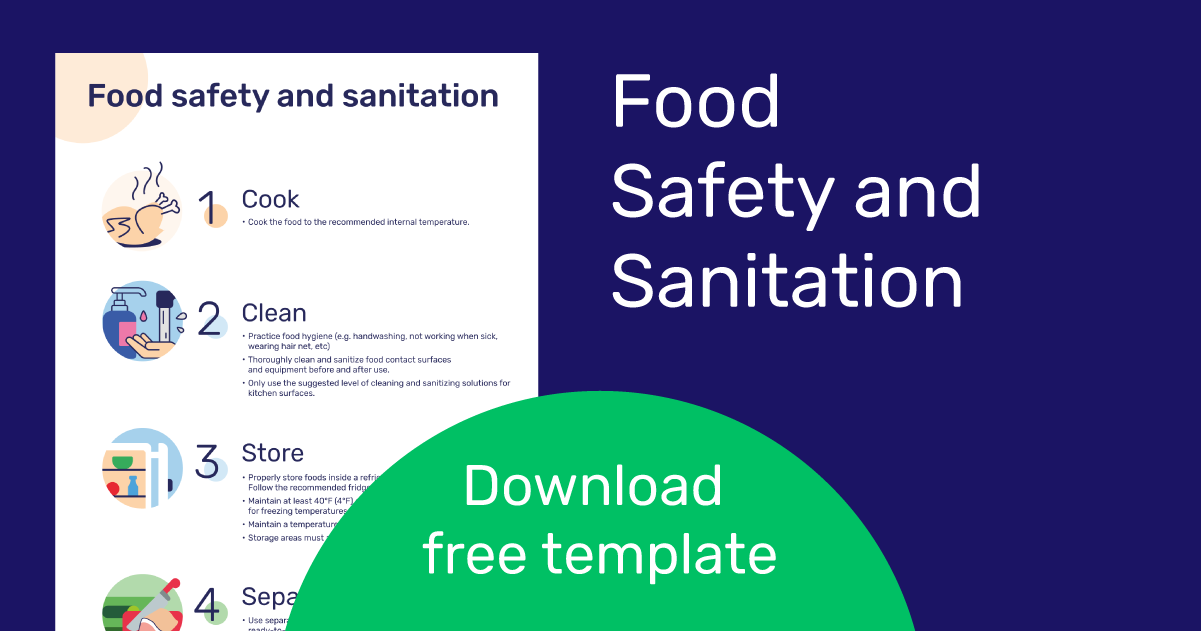
Imagine preparing a meal in your kitchen without worrying about germs or accidents. Sounds peaceful, right?
Your kitchen is the heart of your home, where delicious meals come to life. But if safety and cleanliness are ignored, it can quickly become a place of risk. You might not realize it, but a small slip or a tiny germ could cause big problems for you and your loved ones.
Understanding why kitchen safety and sanitation matter isn’t just about rules—it’s about protecting your health and keeping your cooking space a happy, safe place. Keep reading, and you’ll discover simple steps that make a huge difference every time you step into your kitchen.
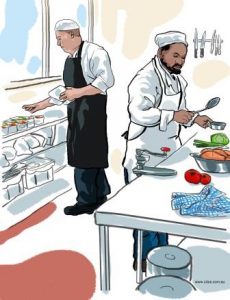
Credit: cdcs.com.au
Kitchen Hazards
Kitchen hazards are everywhere, often hiding in plain sight. You might think your kitchen is safe because it’s familiar, but even the smallest slip can lead to serious injury or illness. Understanding these hazards is key to protecting yourself and your loved ones every time you cook or clean.
Common Injury Risks
Sharp knives, hot surfaces, and slippery floors are some of the biggest injury risks in your kitchen. Have you ever rushed to chop vegetables and accidentally nicked your finger? That quick moment of carelessness can turn into a painful lesson.
Burns from stovetops or boiling water happen more often than you think. Even a small splash can cause discomfort and long healing times. And don’t forget about falls—wet floors or cluttered spaces can easily cause you to lose your balance.
- Knife cuts while chopping or slicing
- Burns from hot pans, ovens, or liquids
- Slips and falls on wet or greasy floors
- Electric shocks from faulty appliances
Foodborne Illness Sources
Foodborne illnesses come from harmful bacteria and viruses that thrive in unclean environments. Have you noticed that raw meat and vegetables should always stay separate? Mixing them can spread dangerous germs that make you sick.
Improper storage temperatures and poor hand hygiene also increase risks. Even leftovers can become risky if not cooled and stored properly. You might think reheating food once is enough, but some bacteria produce toxins that survive heat.
- Cross-contamination between raw and cooked foods
- Inadequate hand washing before handling food
- Using unclean cutting boards or utensils
- Improper food storage and temperature control
What safety habits do you follow in your kitchen to avoid these hazards? Small changes can make a big difference in keeping your kitchen safe and your food healthy.
Health Benefits
Kitchen safety and sanitation protect health by reducing risks. Clean and safe kitchens stop germs from spreading. They help prevent illnesses caused by food contamination. Good habits in the kitchen support overall well-being and keep families safe.
Preventing Contamination
Proper kitchen sanitation stops bacteria and viruses from spreading. Washing hands, surfaces, and utensils removes harmful germs. Keeping raw and cooked foods separate avoids cross-contamination. Safe food handling lowers chances of food poisoning and infections.
Maintaining Food Quality
Clean kitchens keep food fresh and tasty longer. Proper storage prevents spoilage and waste. Good hygiene ensures meals are safe to eat and look appealing. Fresh, uncontaminated food supports better nutrition and health every day.
Cleaning Essentials
Keeping a kitchen clean is key to safe food preparation. Cleanliness stops germs and bacteria from spreading. It protects you and your family from foodborne illnesses. Simple cleaning habits can make a big difference. Let’s explore the essential cleaning practices for a healthy kitchen.
Proper Handwashing Techniques
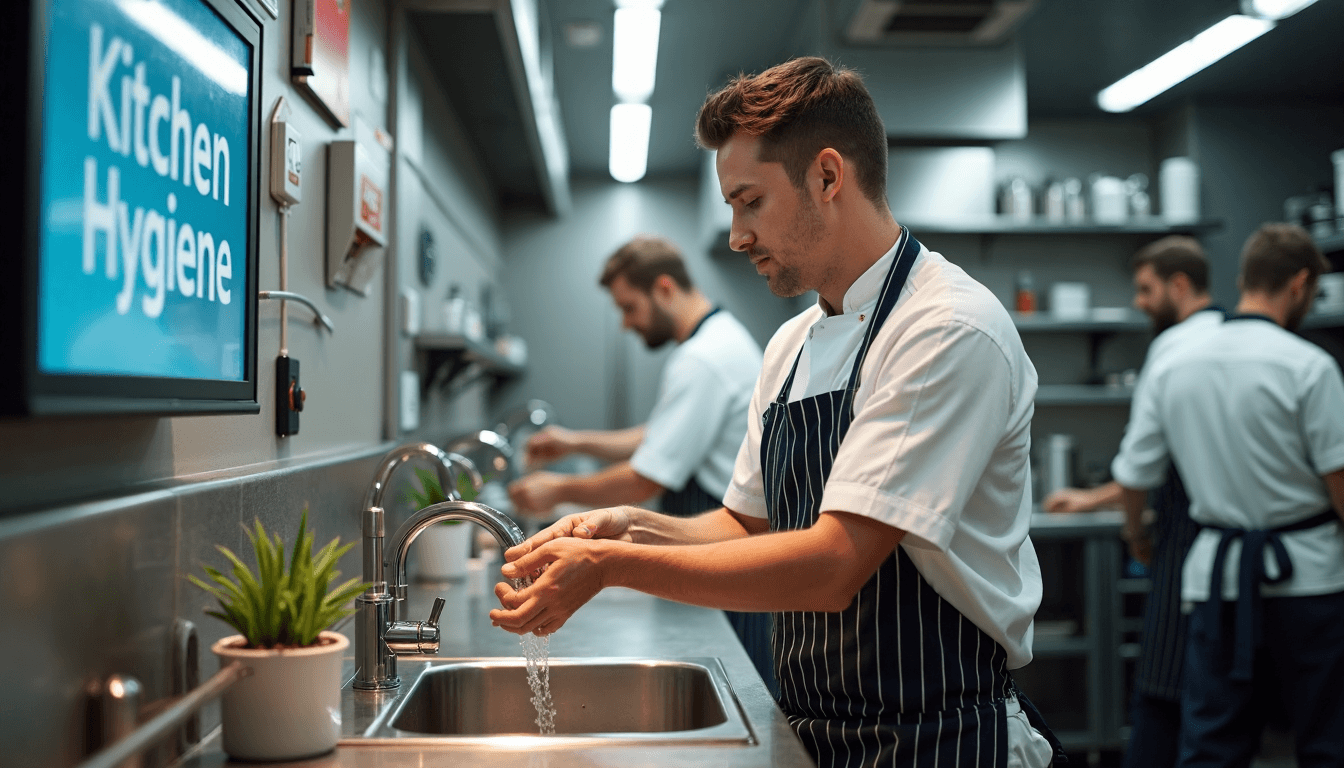
Hands carry many germs after touching different surfaces. Wash hands before and after handling food. Use warm water and soap. Rub your hands together for at least 20 seconds. Clean under nails, between fingers, and wrists. Rinse well and dry with a clean towel. Proper handwashing prevents cross-contamination.
Sanitizing Surfaces
Kitchen surfaces hold bacteria from raw food and spills. Clean counters, cutting boards, and utensils after use. Use hot, soapy water first to remove dirt. Then apply a food-safe sanitizer to kill germs. Wipe surfaces with a clean cloth or paper towel. Regular sanitizing lowers the risk of food poisoning.
Safe Dishwashing Practices
Dishes and utensils can spread germs if not cleaned well. Wash dishes with hot water and dish soap. Scrub off all food particles. Rinse thoroughly to remove soap residue. Use a dishwasher if available; it uses very hot water. Dry dishes completely before storing to avoid bacteria growth.
Credit: probeit.ca
Safe Food Handling
Clean kitchens stop germs from spreading and keep food safe to eat. Handling food carefully prevents sickness and protects your health. Safe food habits save time and money by avoiding waste and illness.
Safe food handling is crucial for kitchen safety and sanitation. It ensures the health of everyone who enjoys the meals prepared. Proper practices reduce the risk of foodborne illnesses. Let's explore key aspects of safe food handling.
Correct Storage Temperatures
Maintaining correct storage temperatures prevents bacteria growth. Cold foods should stay below 40°F. Hot foods should remain above 140°F. Use a reliable thermometer for accuracy. Store raw meats on the lowest shelf. This avoids dripping onto other foods.
Avoiding Cross-contamination
Cross-contamination spreads harmful bacteria. Use separate cutting boards for meat and vegetables. Wash hands and utensils between tasks. Clean surfaces regularly. This keeps different food groups safe from each other.
Cooking Food Thoroughly
Cooking food thoroughly kills harmful bacteria. Use a meat thermometer to check internal temperatures. Poultry should reach 165°F. Ground meats should reach 160°F. Follow guidelines for each food type. This ensures safe consumption.
Equipment Safety
Equipment safety is a crucial part of keeping your kitchen both functional and secure. Every tool, from the smallest knife to the largest appliance, can become a hazard if not used or maintained correctly. Paying attention to how you handle your kitchen equipment protects you from injuries and helps your tools last longer.
Using Knives Properly
Knives are essential but can easily cause cuts if mishandled. Always hold the knife firmly and cut away from your body. Use a stable cutting board to prevent slips that might lead to accidents.
Keep your knives sharp. A dull knife requires more force, increasing the risk of slipping. Have you ever felt a knife slip while chopping? That’s a clear sign it needs sharpening or replacement.
Handling Appliances Safely
Appliances like blenders, mixers, and ovens are powerful but demand respect. Always read the user manual before first use to understand safety features. Never overload electrical outlets to avoid sparks or fires.
Unplug appliances when not in use. This simple habit prevents accidental starts and electrical hazards. Think about how often you leave devices plugged in unnecessarily—could that be a safety risk in your kitchen?
Maintaining Kitchen Tools
Regular maintenance keeps your tools working safely and efficiently. Clean tools immediately after use to avoid buildup of food particles that cause contamination or rust. Inspect handles and blades for damage and replace any faulty parts promptly.
Organize your tools to prevent accidental cuts or damage. Storing knives in a block or magnetic strip keeps blades protected and hands safe. How often do you check your kitchen tools for wear and tear? Making it a habit can save you from unexpected injuries.
Emergency Preparedness
Emergency preparedness in the kitchen saves lives and prevents injuries. Knowing how to act quickly during an emergency reduces damage and keeps everyone safe. Being ready means knowing safety rules and having tools nearby. Preparation helps avoid panic and chaos.
Fire Safety Measures
Fires can start in the kitchen easily. Keep a fire extinguisher close and know how to use it. Avoid wearing loose clothes near the stove. Turn pot handles inward to stop spills. Never leave cooking food unattended. Have a fire blanket ready for small fires. Know the emergency exit routes clearly.
First Aid Basics
Accidents happen, so knowing first aid is vital. Keep a first aid kit in the kitchen. Treat burns with cool water immediately. Clean cuts with antiseptic and cover with a bandage. Know when to seek medical help. Teach family members basic first aid steps. Quick action lowers the risk of infection.
Dealing With Spills And Breakages
Spills and broken glass cause slips and cuts. Clean spills immediately using a mop or cloth. Mark wet floors with signs to warn others. Use gloves to pick up broken glass safely. Dispose of sharp objects in a sturdy container. Keep the kitchen floor dry and clutter-free. Prompt cleanup prevents accidents effectively.
Creating A Safety Routine
Creating a safety routine in your kitchen is essential to keep accidents and contamination at bay. It helps turn safety from a one-time effort into a natural habit. This way, you protect yourself and everyone else who uses the kitchen every day.
Regular Cleaning Schedules
Set specific times for cleaning different kitchen areas, such as countertops, cutting boards, and appliances. Sticking to a schedule prevents dirt and bacteria from building up unnoticed. You might find it helpful to clean right after cooking or at the end of the day to maintain a fresh kitchen.
Think about how much easier it is to cook when everything is spotless and organized. Could a simple daily wipe-down save you from a bigger mess later?
Safety Checklists
Use checklists to track important safety steps like turning off the stove, storing knives properly, and checking for spills. A checklist acts as a reminder and reduces the chance of missing critical tasks. Keep it visible, like on your fridge or a kitchen wall, to make it part of your routine.
Have you noticed how ticking off tasks gives you a sense of control? That small habit can prevent many kitchen accidents.
Involving Everyone In Safety
Make kitchen safety a team effort by involving family members or roommates. Teach children simple rules like washing hands before cooking or not touching hot surfaces. When everyone knows their role, the kitchen becomes safer and more enjoyable for all.
Imagine how much smoother meal prep goes when everyone follows the same safety habits. Who in your household could you invite to join your safety routine today?

Credit: satishcaterers.in
Frequently Asked Questions
Why Is Kitchen Safety Crucial For Home Cooks?
Kitchen safety prevents accidents like cuts, burns, and fires. It ensures a secure cooking environment and protects everyone in the home. Safe practices reduce risks and help maintain a smooth, enjoyable cooking experience.
How Does Kitchen Sanitation Prevent Foodborne Illnesses?
Proper kitchen sanitation eliminates harmful bacteria and germs. It stops cross-contamination and keeps food safe to eat. Clean surfaces and utensils reduce the risk of food poisoning significantly.
What Are Common Kitchen Hazards To Avoid?
Common hazards include sharp knives, hot surfaces, slippery floors, and electrical appliances. Awareness and caution help prevent injuries. Regular cleaning and proper storage also reduce risks.
How Often Should Kitchen Surfaces Be Sanitized?
Kitchen surfaces should be sanitized daily and after handling raw food. Frequent cleaning prevents bacterial growth and contamination. This habit keeps the kitchen hygienic and safe for food preparation.
Conclusion
Keeping your kitchen safe and clean protects your health every day. Clean surfaces stop germs from spreading. Safe habits prevent accidents and injuries. Good kitchen care saves money by avoiding food waste and doctor visits. Everyone in the home feels better and more comfortable.
Simple steps make a big difference in safety and cleanliness. Remember, a safe kitchen means a happy kitchen. Your health and well-being depend on it. Stay careful, stay clean, and enjoy cooking with peace of mind.