
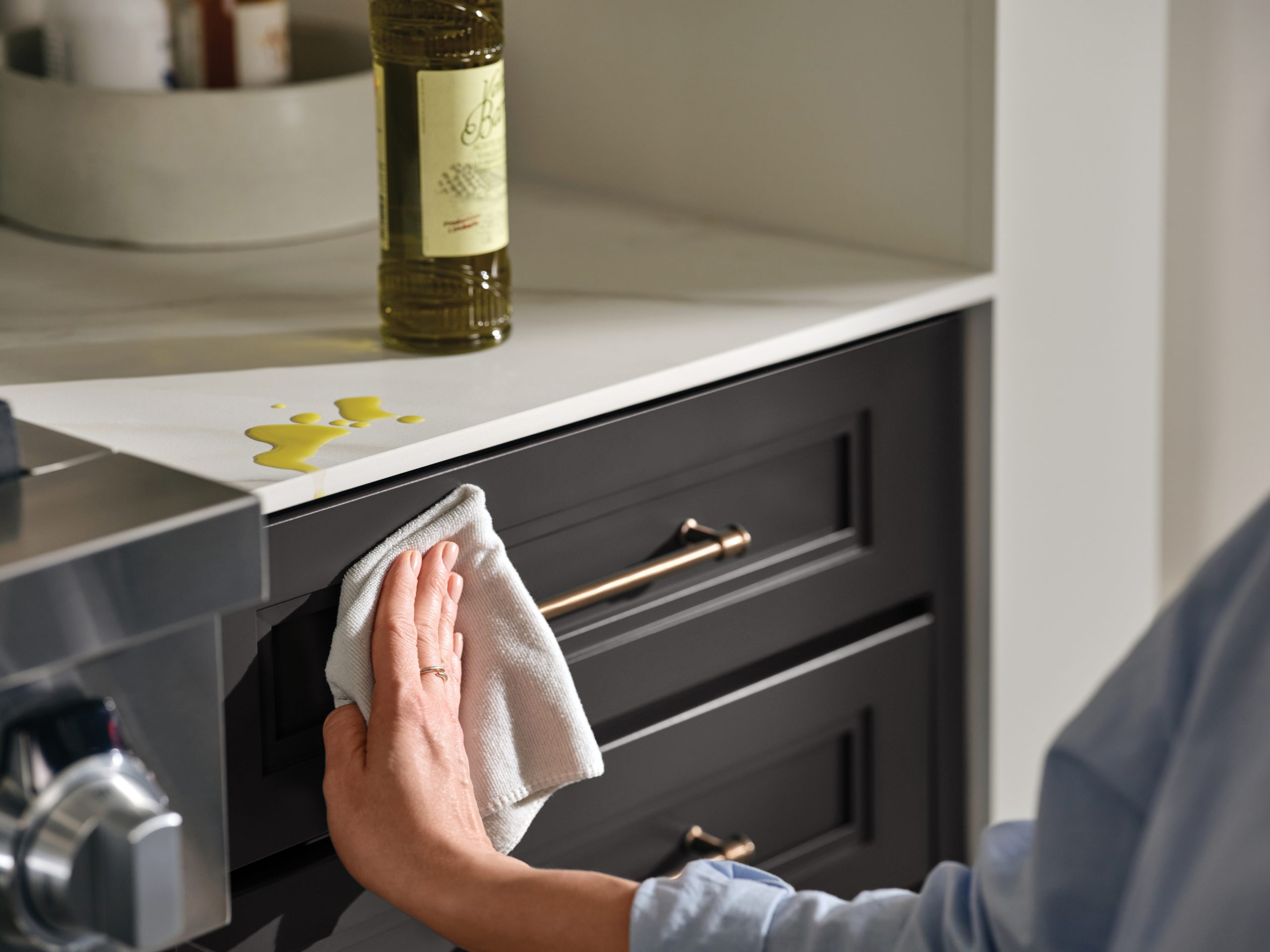
Are your kitchen cabinets looking dull or sticky? You might not realize how much grime and grease build up over time, making your kitchen feel less fresh.
But don’t worry—cleaning your cabinets doesn’t have to be a big hassle. With the right steps, you can make your cabinets shine like new and keep your kitchen inviting. In this guide, you’ll learn simple, effective ways to wipe down your kitchen cabinets quickly and safely.
Ready to transform your kitchen? Let’s get started!
Prepare Your Supplies
Preparing your supplies is the first step to cleaning kitchen cabinets effectively. Having everything ready saves time and makes the process smoother. It helps you avoid interruptions while wiping down the cabinets. Focus on gathering the right tools and choosing the right cleaner for your cabinet material.
Gather Cleaning Materials
Collect all necessary cleaning tools before you start. This includes soft cloths or microfiber towels that won’t scratch surfaces. Have a bucket or spray bottle for your cleaning solution. Use a gentle scrub brush or an old toothbrush for tough spots. Keep gloves handy to protect your hands. A step stool might help reach top cabinets safely.
- Microfiber cloths or soft rags
- Bucket or spray bottle
- Gentle scrub brush or old toothbrush
- Rubber gloves
- Step stool (if needed)
Choose The Right Cleaner
Select a cleaner that matches your cabinet finish. Wood cabinets need a mild soap or specialized wood cleaner. Laminate or painted surfaces respond well to gentle all-purpose cleaners. Avoid harsh chemicals that can damage the finish or strip paint. Test any cleaner on a small hidden area first. This prevents unwanted damage and ensures safe cleaning.
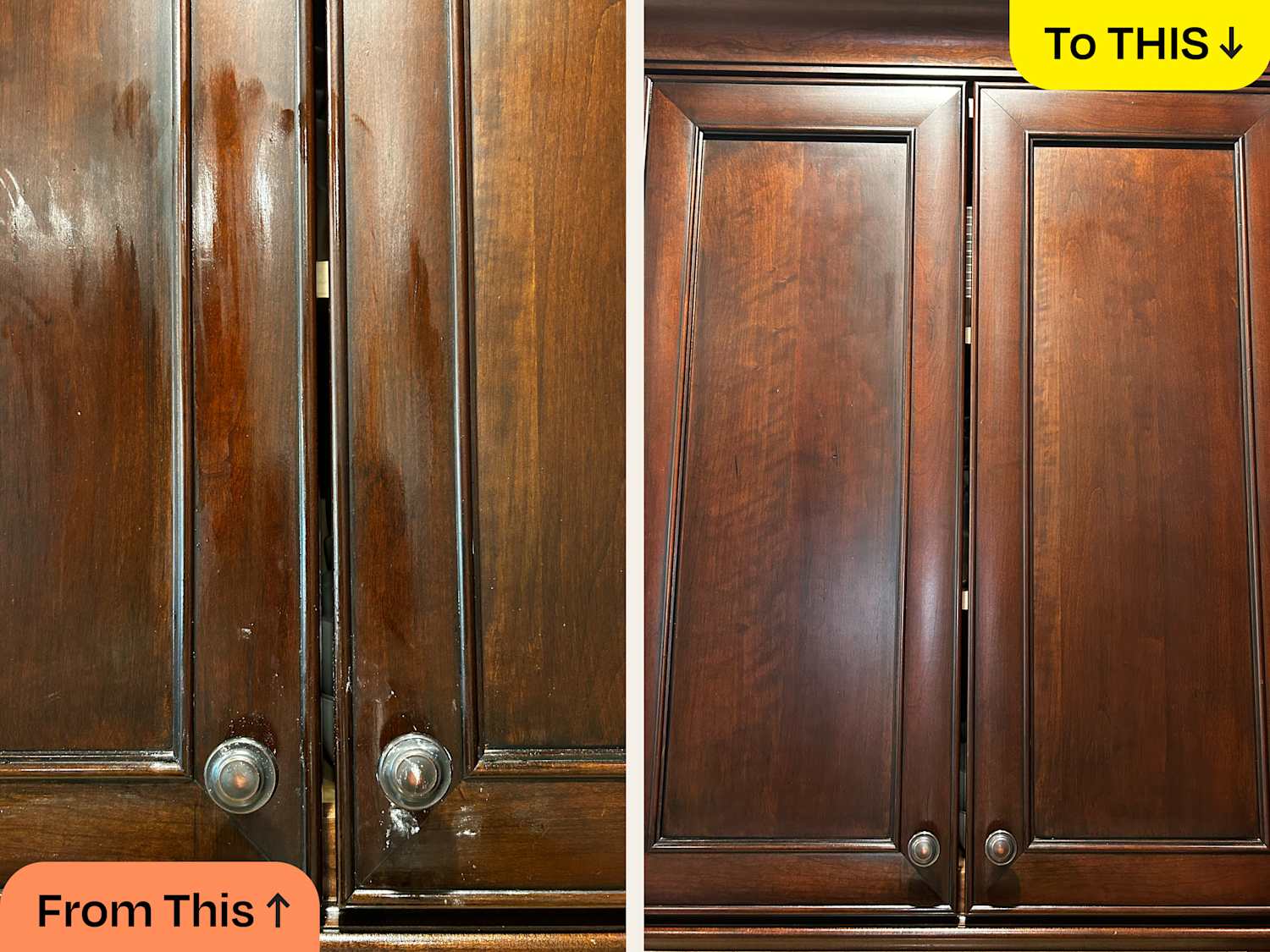
Credit: www.thekitchn.com
Clear Cabinet Surfaces
Clearing your cabinet surfaces is the essential first step to achieving a spotless kitchen. Before you wipe anything down, the surfaces must be free of clutter and loose particles that can scratch or smear the finish. Taking a little extra time here ensures your cleaning will be thorough and effective.
Remove Items From Cabinets
Start by taking everything out of your cabinets. This includes dishes, food containers, and any miscellaneous items you might have stored there. Removing these items not only clears the space but also allows you to inspect the interior for any hidden messes or damage.
Have you ever noticed how much dust and crumbs accumulate behind those rarely moved items? Clearing them out gives you a fresh look at your cabinets and prevents dirt from simply being pushed around during cleaning. If you find expired food or broken containers, now’s the perfect time to toss them.
Dust And Remove Loose Debris
Once your cabinets are empty, grab a soft microfiber cloth or a duster to sweep away loose dust and debris. Pay special attention to corners and edges where dirt tends to gather unnoticed. If you spot stubborn crumbs, a small handheld vacuum can be a handy tool to clean without spreading dust into the air.
Skipping this step can make your wiping less effective and might even scratch your cabinet surfaces. Think about the last time you cleaned your cabinets—did you notice tiny particles left behind? Removing loose debris first ensures every swipe of your cloth leaves the surface truly clean and ready for deeper cleaning or polishing.
Clean Cabinet Doors And Frames
Wipe cabinet doors and frames gently with a soft cloth and mild soap solution. Focus on edges and corners to remove grease and dust. Dry thoroughly to prevent moisture damage.
Keeping your kitchen cabinets clean not only enhances the look of your kitchen but also prolongs the life of the cabinets. Over time, they collect dust, grime, and grease, especially in high-traffic areas. A regular cleaning routine can prevent buildup and make kitchen maintenance a breeze. Let's dive into some practical tips for cleaning your cabinet doors and frames effectively.
Wipe Down With A Damp Cloth
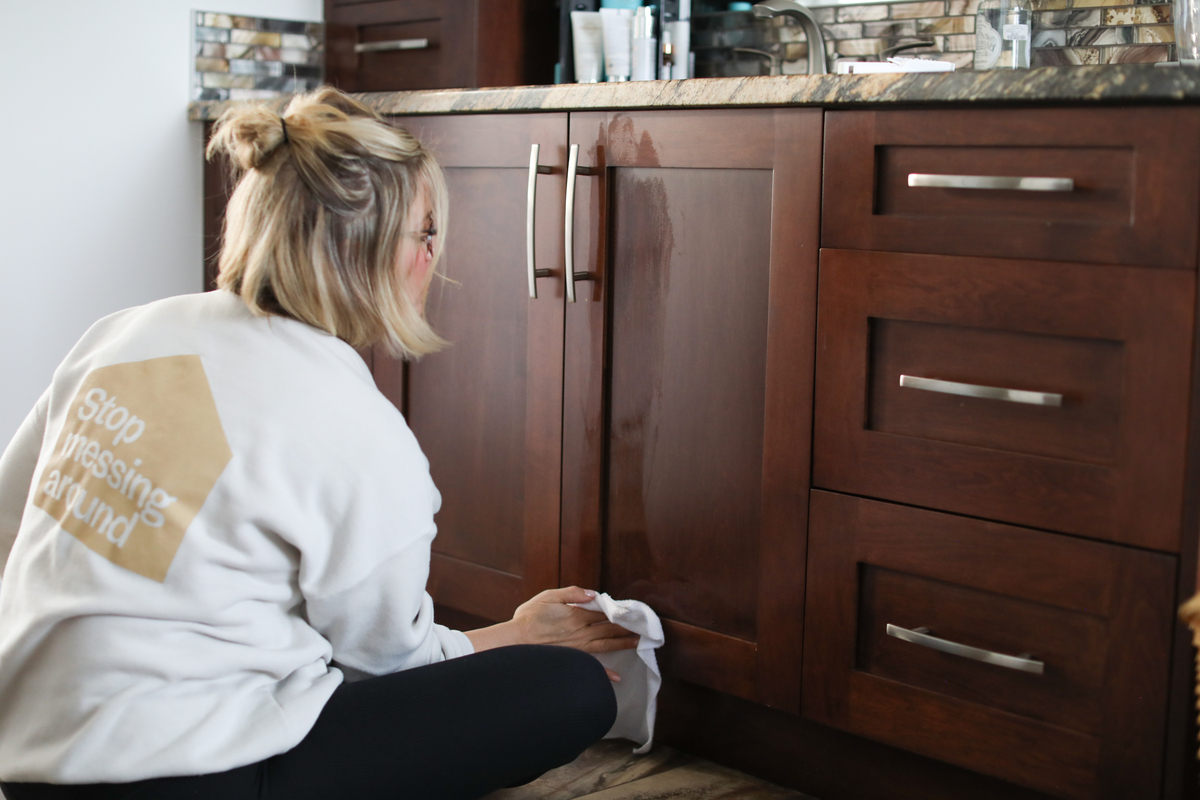
Start by using a damp cloth to wipe down the cabinet doors and frames. This simple action removes dust and surface grime quickly. Use a microfiber cloth as it effectively traps dirt without scratching the surface. Regular wiping prevents grime from becoming stubborn, making it easier for you to maintain a clean look. If you notice any sticky spots, a little warm water can help loosen the residue. A gentle touch ensures the finish of your cabinets stays intact.
Tackle Tough Stains And Grease
For those stubborn stains and grease spots, a more targeted approach is necessary. Mix a few drops of dish soap with warm water to create a mild cleaning solution. Dip a clean cloth into the solution and gently scrub the affected areas. Grease often accumulates around handles and edges—don’t overlook these spots. For extra tough stains, consider using a mixture of baking soda and water to create a paste. Apply it to the stain, let it sit for a few minutes, then wipe clean with a damp cloth. Have you ever noticed how a clean kitchen feels inviting and ready for your next culinary adventure? Maintaining clean cabinet doors and frames not only enhances the look but also elevates your cooking experience. You’ll be surprised at how a little effort can transform your kitchen space.
Credit: www.housework.com
Clean Inside The Cabinets
Cleaning inside kitchen cabinets helps keep your storage fresh and hygienic. Dirt and crumbs build up over time. Wiping inside cabinets removes grease, dust, and food particles. This simple task prevents pests and bad smells. It also protects your cabinet surfaces and extends their life.
Empty Shelves Completely
Take everything out of the cabinets. Remove jars, boxes, and utensils. Clearing the shelves makes cleaning easier and thorough. Check expiration dates while emptying. Toss expired or unwanted items. This step creates space and helps organize better later.
Wipe Shelves And Walls
Use a soft cloth or sponge with mild soap and water. Wipe all shelves and walls inside the cabinets. Pay close attention to corners and edges. Dry surfaces with a clean towel to avoid moisture damage. For tough stains, a mixture of vinegar and water works well. Avoid harsh chemicals that can harm cabinet finishes.
Dry And Polish Cabinets
Drying and polishing kitchen cabinets is a key part of cleaning. It keeps the wood or surface looking fresh and shiny. Proper drying stops water damage and warping. Polishing adds a smooth finish and protects the cabinets.
Remove Moisture Thoroughly
Use a clean, dry cloth to wipe all moisture from cabinet surfaces. Check corners and edges where water hides. Avoid leaving damp spots that can cause damage. Let cabinets air dry for a few minutes to ensure all moisture evaporates.
Apply Polish For Extra Shine
Choose a polish suitable for your cabinet material. Apply a small amount on a soft cloth. Rub gently in circular motions to cover all surfaces. Polish helps hide scratches and adds a glossy look. Buff with a dry cloth for a smooth finish.

Credit: www.express.co.uk
Maintain Cabinet Cleanliness
Maintaining cabinet cleanliness keeps your kitchen fresh and inviting. Regular care prevents dirt buildup and extends cabinet life. Clean cabinets look new and improve kitchen hygiene. Small daily habits make a big difference over time.
Regular Dusting Tips
Dust cabinets often to stop dirt from settling. Use a soft cloth or microfiber duster. Wipe gently to avoid scratching surfaces. Dusting once a week keeps cabinets looking bright. Pay attention to corners and edges where dust hides.
Preventing Grease Build-up
Grease stains make cabinets sticky and hard to clean. Wipe cabinet fronts with a mild soap solution after cooking. Avoid harsh chemicals that damage finishes. Use a damp cloth to clean spills right away. Keep kitchen vents on to reduce grease in the air.
Frequently Asked Questions
How Often Should I Wipe Kitchen Cabinets?
Wipe kitchen cabinets every one to two weeks to prevent grease buildup. Regular cleaning keeps surfaces fresh and extends cabinet life. Increase frequency if you cook daily or notice stains and spills.
What Is The Best Cleaner For Kitchen Cabinets?
Use a mild dish soap mixed with warm water for most cabinets. Avoid harsh chemicals that can damage finishes. For tough grease, try vinegar diluted with water. Always test cleaners on a small area first.
Can I Use Vinegar To Clean Kitchen Cabinets?
Yes, vinegar is effective for removing grease and grime. Mix equal parts vinegar and water for a natural cleaner. Avoid using vinegar on waxed or sensitive wood finishes to prevent damage.
Should I Remove Cabinet Doors Before Cleaning?
Removing doors is optional but helps clean hard-to-reach spots thoroughly. For routine wiping, cleaning doors in place is sufficient. If deep cleaning, unscrew doors carefully and clean separately.
Conclusion
Wiping kitchen cabinets keeps your space clean and fresh. Use gentle cleaners and soft cloths for best results. Regular cleaning prevents dirt and stains from building up. Take your time to clean every corner carefully. Clean cabinets make your kitchen look neat and inviting.
A small effort can keep your cabinets looking new. Remember, simple steps lead to great results. Keep your kitchen bright by wiping cabinets often. Clean cabinets help maintain a healthy home environment. Try these tips to enjoy a tidy kitchen every day.