
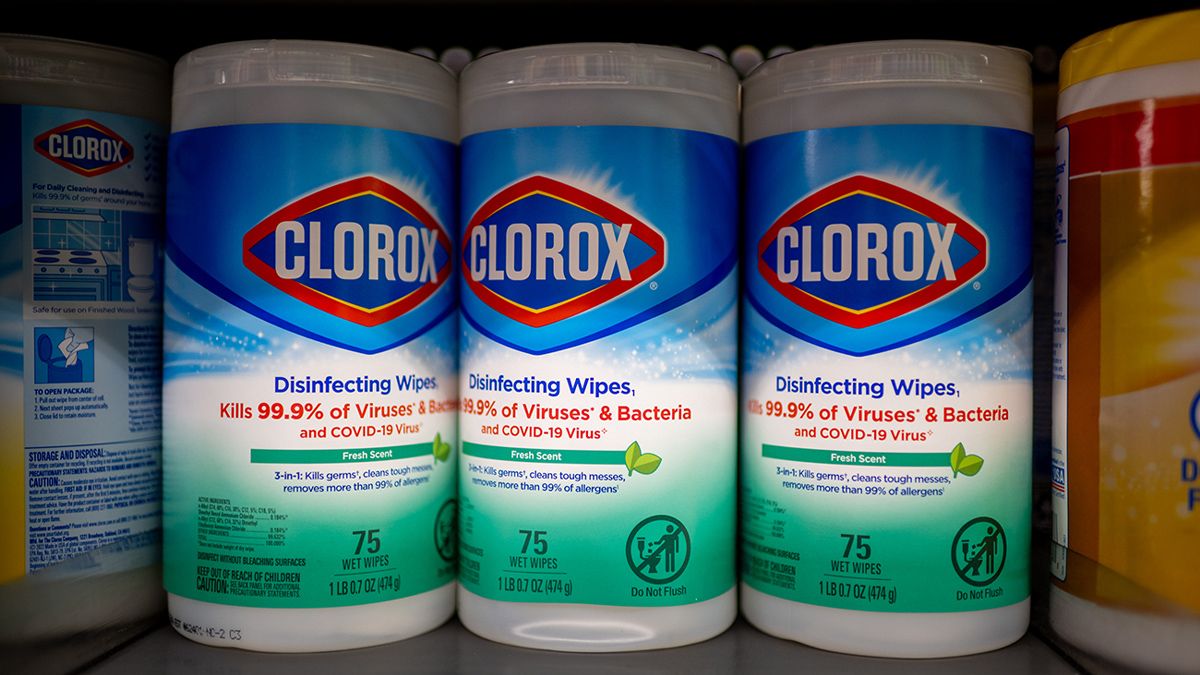
Are you wondering if Clorox wipes are safe and effective for cleaning your kitchen countertops? You’re not alone.
Keeping your kitchen clean is important, but using the wrong product can damage your surfaces or leave harmful residues. You’ll discover exactly how Clorox wipes work on different countertop materials and what you should watch out for. By the end, you’ll know whether these popular wipes are a smart choice for your kitchen or if you need to look for better options.
Keep reading to protect your countertops and keep your kitchen sparkling clean.
Clorox Wipes And Kitchen Surfaces
Keeping your kitchen countertops clean and germ-free is essential for a healthy cooking environment. Clorox wipes have become a popular choice for quick and effective cleaning. But how safe and effective are they on the various surfaces in your kitchen? Let’s take a closer look at how Clorox wipes interact with common countertop materials and what makes them work.
Common Kitchen Countertop Materials
Kitchen countertops come in many different materials, each with its own cleaning needs and sensitivities. Here are some of the most common types:
- Granite:A natural stone that is durable but porous, requiring gentle cleaning to avoid dulling its surface.
- Quartz:Engineered stone that is non-porous and resistant to stains, making it easier to clean with disinfectants.
- Laminates:Made from layers of paper and plastic, these surfaces can be damaged by harsh chemicals or excessive moisture.
- Marble:Another porous natural stone that can etch or discolor if exposed to acidic or abrasive cleaners.
- Butcher Block/Wood:Porous and sensitive to moisture, requiring milder cleaning products to avoid warping or cracking.
Knowing your countertop material helps you decide if Clorox wipes are a safe choice or if you need to consider alternatives.
How Clorox Wipes Work
Clorox wipes contain disinfecting agents that kill bacteria and viruses on contact. They combine cleaning ingredients with bleach or other sanitizers to break down germs quickly.
These wipes are convenient because they don’t require rinsing, which is helpful when you want to disinfect your countertop fast. However, the chemicals in Clorox wipes can be harsh on some surfaces, especially porous or delicate materials.
Have you noticed any discoloration or dull spots after using disinfectant wipes on your counters? That’s often a sign that the surface and the cleaning agent aren’t a perfect match. Testing a small hidden area before regular use can save you from damage down the line.
Safety On Different Countertops
Using Clorox wipes on your kitchen countertops can seem like a quick and easy cleaning solution. However, not all surfaces react the same way to disinfectants. Understanding the safety of Clorox wipes on different countertop materials helps protect your investment and keeps your kitchen looking its best.
Granite And Marble
Granite and marble are beautiful natural stones, but they are sensitive to acidic and harsh chemicals. Clorox wipes contain bleach and other strong ingredients that can dull the shine or even etch the surface over time.
If you decide to use Clorox wipes, test a small hidden area first. Ideally, use a cleaner specifically designed for natural stone to maintain the finish. Have you noticed any discoloration or dull spots after cleaning your stone countertops?
Quartz And Solid Surface
Quartz and solid surface countertops are more resistant to chemicals than natural stone. Clorox wipes generally can be used safely on these materials, but avoid prolonged exposure or heavy scrubbing.
After wiping, rinse the surface with water to remove any residue. This extra step prevents potential damage or streaking. How often do you clean your quartz countertops with disinfecting wipes?
Laminate And Wood
Laminate countertops handle Clorox wipes better than natural stone but can still suffer from the harsh chemicals if used too often. Wood countertops, on the other hand, are porous and can absorb moisture and chemicals, which may cause warping or discoloration.
For laminate, wipe gently and dry immediately. With wood, avoid Clorox wipes or limit their use, opting for milder cleaning agents instead. What cleaning methods have worked best for your wood or laminate surfaces?
Proper Usage Tips
Clorox wipes clean kitchen countertops quickly and kill germs effectively. Test a small area first to avoid surface damage. Always follow the instructions on the package for safe use.
Proper usage of Clorox wipes on kitchen countertops ensures cleanliness and safety. It's important to follow a few simple steps for effective results. Understanding these tips will help maintain your kitchen's sparkle and hygiene.
Preparing The Surface
Clear the countertop of any food or appliances. This ensures the wipes reach every corner. Check for any loose debris or crumbs. A quick sweep with a dry cloth can help. Make sure the surface is dry. Wet surfaces may dilute the disinfectant.
Wiping Technique
Use gentle, circular motions with the wipe. Cover the entire surface for thorough cleaning. Apply even pressure to remove sticky residues. Avoid using the same wipe on multiple surfaces. This prevents cross-contamination. Replace the wipe if it becomes too dirty.
Drying And Ventilation
Let the countertop air dry after wiping. This ensures the disinfectant works effectively. Open windows or use a fan for better ventilation. Proper ventilation speeds up drying. It also reduces chemical odor in the kitchen.

Credit: www.yahoo.com
Potential Risks And Precautions
Using Clorox wipes on kitchen countertops can be convenient, but it’s important to be aware of the potential risks and take precautions. These wipes contain strong chemicals designed to disinfect, which might not always be safe for every surface or household member. Understanding these risks helps you keep your kitchen clean without causing damage or harm.
Avoiding Surface Damage
Clorox wipes can sometimes damage delicate countertop materials like natural stone, wood, or laminate. The harsh chemicals may cause discoloration, dullness, or even erosion if used too often or left on the surface too long.
Test the wipe on a small, hidden area before cleaning the entire countertop. This quick step can save you from costly repairs or replacements later.
Chemical Sensitivities
Some people experience skin irritation, allergic reactions, or respiratory issues when exposed to the chemicals in Clorox wipes. If you or someone in your household has chemical sensitivities or asthma, you should be extra cautious.
Wearing gloves while cleaning and ensuring good ventilation can reduce exposure. Have you noticed any sneezing or coughing after cleaning? That might be a sign to switch to milder alternatives.
Child And Pet Safety
Clorox wipes contain ingredients that can be harmful if ingested by children or pets. Even after wiping, residue can remain on surfaces within their reach.
Keep wipes out of reach and wipe surfaces thoroughly to remove any leftover chemicals. Consider how often your family uses the kitchen and if it’s a high-touch zone for little hands or paws—this awareness can guide safer cleaning choices.
Alternatives To Clorox Wipes
If you’re looking for alternatives to Clorox wipes for your kitchen countertops, there are several effective options that can keep your surfaces clean and safe. Whether you prefer natural ingredients or other disinfectants, you can find a solution that fits your cleaning style and health preferences. Let’s explore some practical choices that work well without relying on Clorox wipes.
Natural Cleaning Solutions
Natural cleaners can be just as powerful without harsh chemicals. Vinegar mixed with water makes a simple spray that cuts through grease and grime effectively. Adding a few drops of essential oils like tea tree or lemon boosts its antibacterial power and leaves a fresh scent.
Baking soda is another versatile cleaner. It acts as a gentle scrub for stubborn stains without scratching your countertop. Sprinkle it on, add a little water, and scrub gently with a cloth to refresh your surface.
Have you tried castile soap? It’s a plant-based soap that cleans thoroughly without residue. You can mix it with water in a spray bottle and use it daily for safe and easy cleaning.
Other Disinfectant Options
If you want stronger disinfecting power, several products can replace Clorox wipes. Hydrogen peroxide is a great choice; it kills germs and is safe for most countertop materials. Apply it with a spray bottle, let it sit for a few minutes, then wipe clean.
Isopropyl alcohol (rubbing alcohol) also disinfects effectively. Use a solution with at least 70% alcohol, spray it on your counters, and allow it to evaporate for fast drying. Just test on a small area first to avoid damage.
Don’t overlook disinfectant sprays labeled safe for kitchen surfaces. Many brands offer wipes and sprays that target bacteria and viruses without harsh chemicals. Always read labels to ensure compatibility with your countertop type.
Credit: ntpavers.com
Maintaining A Clean Kitchen
Maintaining a clean kitchen is essential for both health and comfort. Your kitchen countertops often face spills, crumbs, and bacteria, making them a hotspot for germs. Keeping them spotless not only improves hygiene but also makes cooking more enjoyable and stress-free.
Regular Cleaning Schedule
Establish a simple cleaning routine to keep your countertops fresh. Wiping them down daily with Clorox wipes can remove germs and prevent buildup. You might find it helpful to clean immediately after meal prep to avoid stains setting in.
Consider adding a deeper clean once a week using a disinfectant spray for extra protection. This habit reduces the chances of bacteria multiplying where food is prepared. How often do you currently clean your kitchen surfaces? Could a quick daily wipe save you from a tougher clean later?
Storage And Handling Of Wipes
Storing Clorox wipes properly is key to maintaining their effectiveness. Keep the container tightly sealed to prevent them from drying out. Place them in an easily accessible spot near your kitchen counters for quick use.
Handling wipes with clean hands also matters. Dirty hands can transfer grime back onto surfaces, defeating the purpose of cleaning. Have you noticed how much quicker your cleaning feels when wipes are at arm’s reach?
Frequently Asked Questions
Can Clorox Wipes Damage Kitchen Countertops?
Clorox wipes are safe for most sealed countertops. Avoid using them on unsealed or sensitive surfaces like natural stone. Always test on a small area first to prevent damage or discoloration.
Are Clorox Wipes Effective For Kitchen Bacteria?
Yes, Clorox wipes kill 99. 9% of bacteria and viruses. They are effective for cleaning kitchen countertops and maintaining hygiene. Use as directed for best results.
Can Clorox Wipes Be Used Daily On Countertops?
Daily use is generally safe on durable, sealed countertops. However, frequent use may wear down some surfaces over time. Consider alternating with mild cleaners to preserve countertop finish.
Do Clorox Wipes Leave Harmful Residues On Counters?
Clorox wipes may leave slight residue if not wiped off. It's best to rinse or wipe the surface with water after use. This ensures no chemical buildup on kitchen counters.
Conclusion
Clorox wipes can clean many kitchen countertops safely. Always check your countertop material first. Some surfaces may get damaged by strong cleaners. Wiping gently helps keep counters shiny and clean. Use wipes only as directed on the label. Let the surface dry before placing items back.
Regular cleaning keeps your kitchen fresh and germ-free. Choose the right product for your countertop type. Clean smart, stay safe, and enjoy your kitchen space.