
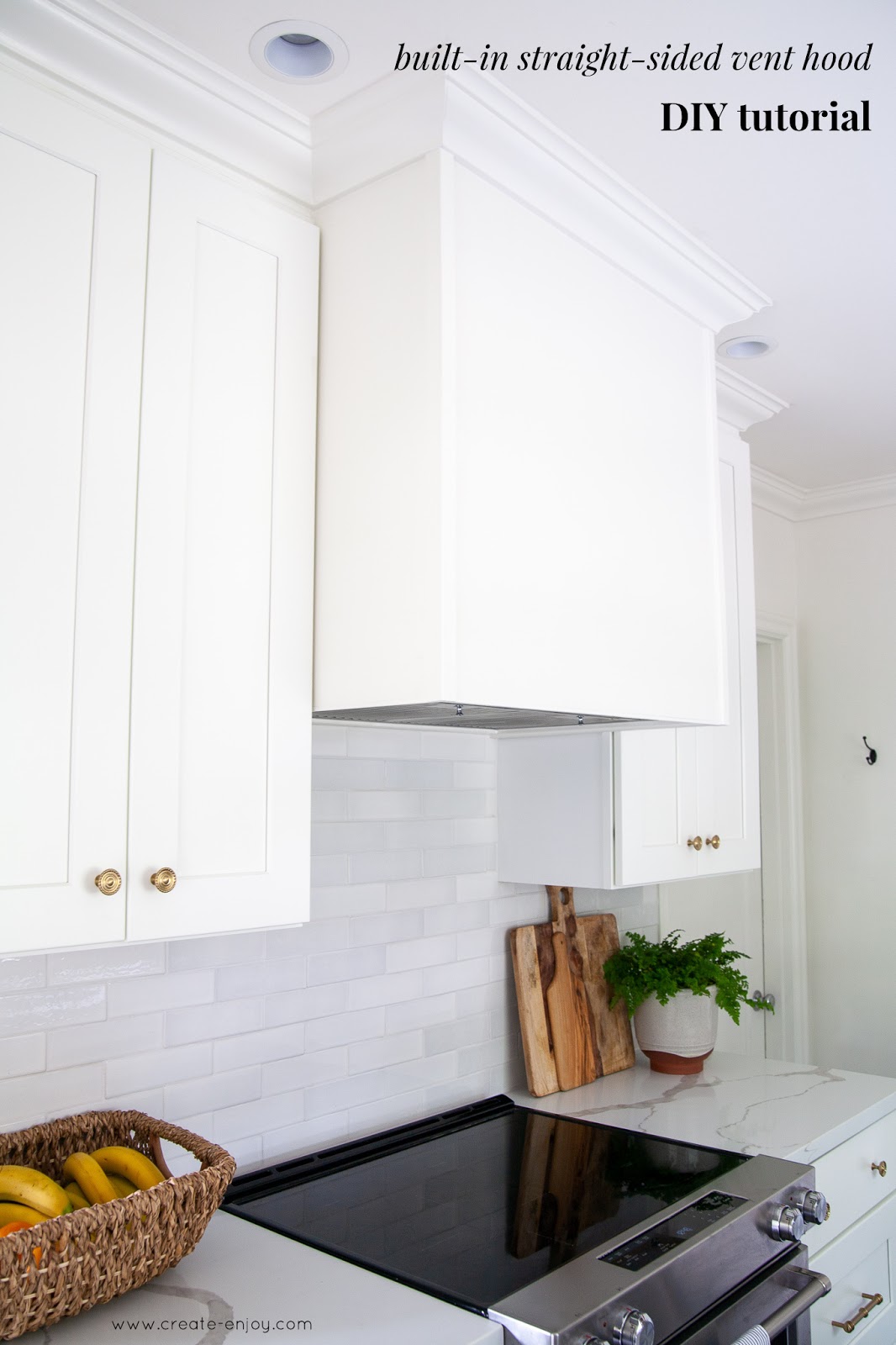
Is your kitchen exhaust fan looking old or out of place? Or maybe you want to protect it from dust and grease while keeping your kitchen stylish.
Covering your kitchen exhaust fan can make a huge difference in both appearance and function. But how do you do it without blocking airflow or causing damage? You’ll discover simple, effective ways to cover your kitchen exhaust fan that fit your style and keep your kitchen fresh.
Keep reading to find out how easy it is to upgrade your kitchen’s look and protect your fan at the same time.
Reasons To Cover Kitchen Exhaust Fan
Covering a kitchen exhaust fan offers several practical benefits. It protects the fan from damage and keeps your kitchen environment cleaner. A cover also helps control noise and enhances the kitchen’s look. Understanding these reasons can help you decide why covering the fan is important for your space.
Preventing Grease Build-up
Cooking releases grease and oil particles into the air. These particles can stick to the fan’s surface and inside parts. A cover acts as a barrier to catch grease before it reaches the fan. This reduces cleaning time and keeps the fan working well. It also lowers fire risks caused by greasy deposits.
Reducing Noise Levels
Kitchen exhaust fans often produce loud sounds during operation. Noise can be distracting or annoying while cooking or dining. A cover can help absorb and block some of this noise. It makes the kitchen environment quieter and more comfortable. This is especially useful in open-plan homes.
Improving Kitchen Aesthetics
Exhaust fans can look bulky and unattractive. A cover hides the fan and blends it with kitchen decor. It creates a cleaner and more organized appearance. Covers come in various styles and materials to suit different kitchen designs. This small change can boost the overall feel of your kitchen.
Types Of Exhaust Fan Covers
Choosing the right cover for your kitchen exhaust fan is essential. It helps maintain cleanliness and efficiency. Different types of covers offer unique benefits and styles. Understanding these options can simplify your decision-making process.
Magnetic Covers
Magnetic covers provide a quick and easy installation process. They attach directly to metal surfaces without tools. These covers are great for temporary solutions. They can be easily removed for cleaning. You can find them in various colors and designs.
Metal Mesh Screens
Metal mesh screens are durable and long-lasting. They are effective at trapping grease and dirt. These covers are easy to clean and require minimal maintenance. They also allow for adequate airflow. This makes them a practical choice for high-use kitchens.
Plastic Vent Covers
Plastic vent covers offer an affordable option. They are lightweight and simple to install. These covers resist moisture and corrosion. They come in various sizes and shapes. This versatility makes them suitable for different fan models.
Materials Needed For Diy Covers
Creating a cover for your kitchen exhaust fan can improve both the look and functionality of your cooking space. Before you start, gathering the right materials is key to making the process smooth and effective. The right tools and materials will help you build a cover that fits well, lasts long, and matches your kitchen style.
Basic Tools
Having the correct tools makes any DIY project easier and more precise. For a kitchen exhaust fan cover, you’ll want to have:
- Measuring tape:To get exact dimensions of your fan and surrounding space.
- Screwdriver or drill:Essential for attaching or removing screws quickly.
- Utility knife:Useful for cutting materials like plastic or thin wood.
- Sandpaper:Helps smooth rough edges on wooden or plastic covers.
- Safety gloves and goggles:Protect yourself while handling sharp tools and materials.
Do you find yourself rushing through projects without proper tools? Investing a little time to gather these basics can save you frustration and improve your final result.
Covering Materials
Choosing the right material for your exhaust fan cover depends on your kitchen's style and durability needs. Some popular options include:
- Wood:Offers a classic look and can be painted or stained to match cabinets.
- Metal mesh:Provides good airflow while hiding the fan, and is easy to clean.
- Plastic panels:Lightweight and moisture-resistant, perfect for humid kitchen environments.
- Fabric covers:Can add a decorative touch but require regular washing to avoid grease buildup.
Think about how much maintenance you’re willing to do and whether you want the cover to blend in or stand out. Which material fits your kitchen’s vibe and your lifestyle?
Adhesives And Fasteners
Securing your cover properly ensures it stays in place and functions well. Depending on the material you choose, here are common options:
- Screws:Ideal for wood and metal covers, providing a sturdy hold.
- Double-sided tape:Good for lightweight covers and temporary setups.
- Velcro strips:Allow easy removal for cleaning or adjustment.
- Construction adhesive:Works well for bonding plastic or metal but is more permanent.
Have you thought about how often you might need to remove the cover? Choosing fasteners that fit your cleaning routine can make a big difference.

Credit: www.create-enjoy.com
Step-by-step Diy Cover Installation
Installing a cover on your kitchen exhaust fan protects it from dust and grease buildup. A DIY cover also keeps your kitchen cleaner and improves air quality. This guide breaks down the process into easy, manageable parts. Follow these steps for a neat, secure cover installation.
Measuring The Fan Dimensions
Start by measuring the width and height of your exhaust fan. Use a tape measure for accuracy. Note the depth if the cover needs to fit inside the fan frame. Write down all measurements clearly. Double-check to avoid mistakes that cause a poor fit.
Cutting The Cover Material
Choose a durable material like acrylic, metal, or plastic. Mark the measurements on the material with a pencil or marker. Use a saw or cutting tool suitable for the material type. Cut slowly and carefully for clean edges. Smooth rough edges with sandpaper to prevent injuries.
Attaching The Cover Securely
Align the cover over the exhaust fan opening. Use screws or strong adhesive to fix it in place. If screws are used, drill pilot holes to avoid splitting. Tighten screws evenly to hold the cover firmly. Check that the cover does not block airflow or access to the fan.
Maintenance Tips For Exhaust Fan Covers
Maintaining your kitchen exhaust fan cover is essential for its efficiency and longevity. Clean covers prevent grease buildup and allow proper airflow. Regular checks help spot damage early, avoiding bigger issues. Replacing worn covers keeps your kitchen safe and fresh.
Regular Cleaning
Remove the cover carefully before cleaning. Use warm soapy water and a soft brush to scrub away grease and dust. Rinse with clean water and dry completely. Clean covers every one to two months for best results. Avoid harsh chemicals that can damage the cover material.
Checking For Damage
Inspect the cover for cracks, holes, or warping. Look closely at edges and mounting points. Damaged covers reduce fan efficiency and may cause safety risks. Check the cover after cleaning and during routine kitchen inspections. Replace the cover if you find any damage.
Replacing Worn Covers
Choose a cover that fits your exhaust fan perfectly. Select materials that resist heat and grease. Remove the old cover gently to avoid damage to the fan. Install the new cover securely following the manufacturer’s instructions. Replace covers every few years or sooner if damaged.
Safety Considerations
Covering a kitchen exhaust fan requires careful attention to safety. Ignoring safety can cause serious problems. Proper safety measures protect your home and family. Below are key points to consider for safe coverage.
Ensuring Proper Ventilation
Good airflow is vital when covering an exhaust fan. Blocked vents trap smoke and odors inside. Use covers that allow air to flow freely. Check the fan’s airflow after installation. Ensure the cover does not reduce the fan’s efficiency. Proper ventilation prevents moisture buildup and mold growth.
Avoiding Fire Hazards
Kitchen exhaust fans handle grease and heat. Covers must be made from fire-resistant materials. Avoid using plastic or flammable fabrics. Keep covers away from heating elements and open flames. Clean the fan and cover regularly to remove grease. Grease buildup can ignite and cause fires. Follow local fire safety codes strictly.
When To Call A Professional
Knowing when to call a professional to cover your kitchen exhaust fan can save time and prevent damage. Some tasks need expert skills beyond simple DIY. Professionals ensure safety and proper installation. They have the right tools and experience for complex work.
Complex Installations
Covering a kitchen exhaust fan can involve tricky setups. Fans may connect to vents in hard-to-reach places. Custom covers might need precise measurements and fitting. Professionals handle unusual layouts and tight spaces easily. They avoid mistakes that could cause poor ventilation or damage.
Electrical Concerns
Kitchen exhaust fans often connect to electrical wiring. Incorrect wiring can cause shorts or fires. Professionals know local electrical codes and safety rules. They ensure wiring is done safely and correctly. Calling an expert avoids costly repairs and keeps your home safe.

Credit: www.create-enjoy.com

Credit: www.create-enjoy.com
Frequently Asked Questions
How Do I Cover A Kitchen Exhaust Fan Safely?
Use a fire-resistant cover designed for exhaust fans. Ensure it allows proper airflow to prevent overheating and maintain ventilation efficiency.
What Materials Are Best For Kitchen Exhaust Fan Covers?
Metal mesh or stainless steel covers work best. They resist heat, are durable, and allow air to flow freely while blocking debris.
Can I Cover My Kitchen Exhaust Fan To Reduce Noise?
Yes, use soundproof covers designed for exhaust fans. They reduce noise without blocking airflow or affecting fan performance.
How Often Should I Clean The Kitchen Exhaust Fan Cover?
Clean it every 1-3 months. Regular cleaning prevents grease buildup, improves airflow, and maintains fan efficiency and kitchen hygiene.
Conclusion
Covering a kitchen exhaust fan keeps your space clean and safe. It stops dust, grease, and bugs from building up. A simple cover also lowers noise and improves air flow. Choose a cover that fits well and is easy to clean.
Regular care helps your fan work better for longer. Small steps make a big difference in your kitchen. Try these tips to keep your kitchen fresh and healthy.