
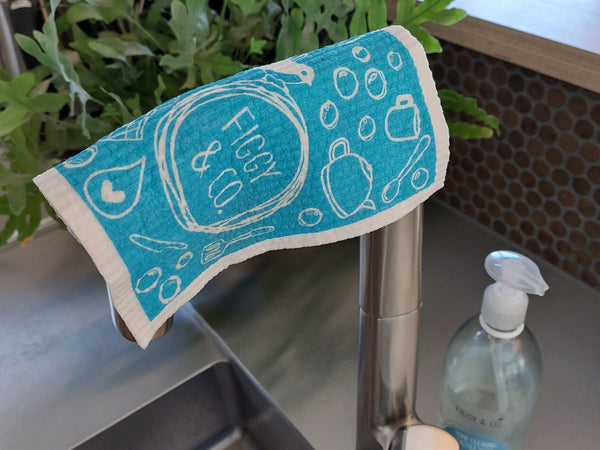
Your kitchen clothes are supposed to help you stay clean and comfortable, but when they start smelling bad, they can make cooking unpleasant. You might notice that no matter how many times you wash them, that stubborn odor just won’t go away.
What if you could stop that smell before it even begins? You’ll discover simple and effective ways to keep your kitchen clothes fresh and odor-free. By the end, you’ll feel confident that your kitchen gear smells as good as it looks—making your time in the kitchen more enjoyable every day.
Keep reading to find out how!
Common Causes Of Odors
Kitchen clothes often develop unpleasant odors that linger despite washing. Understanding the common causes of these smells helps keep fabrics fresh and clean. Odors mainly arise from leftover food, moisture, and how clothes dry. Each factor plays a role in creating a musty or sour scent.
Food Residue And Grease
Food particles stuck on kitchen cloths can cause bad smells. Grease from cooking is oily and traps bacteria. These bacteria break down the food and grease, creating strong odors. Even small bits of food can lead to sour or rancid smells over time. Regular cleaning removes these residues and controls odor build-up.
Moisture And Mold
Wet kitchen cloths create an environment for mold and mildew. Mold spores grow quickly on damp fabrics. This growth causes a musty smell that is hard to remove. Leaving clothes wet for long periods encourages mold development. Drying cloths promptly stops moisture from causing odors.
Improper Drying
Drying kitchen clothes the wrong way traps moisture inside fibers. Air circulation is essential for complete drying. Folding or piling wet cloths slows drying and promotes odor formation. Using a dryer or hanging cloths in a dry place helps keep them fresh. Proper drying prevents musty and sour smells effectively.
Effective Washing Techniques
Effective washing techniques help keep kitchen clothes fresh and odor-free. Proper washing removes food stains and bacteria that cause smells. Using the right methods ensures fabrics stay clean and last longer.
Choosing The Right Detergent
Select a detergent designed to fight odors and grease. Look for labels mentioning "odor control" or "deep cleaning." Avoid detergents with heavy fragrances that can mix with food smells.
Powder detergents often work better on tough stains. Liquid detergents dissolve faster and clean in cold water. Use the amount suggested on the packaging for best results.
Using Hot Water Safely
Hot water kills bacteria and removes grease effectively. Check the care label on your kitchen clothes before washing. Some fabrics shrink or get damaged in hot water.
Use warm water for most cotton and durable fabrics. For delicate items, choose cold water and a gentle cycle. Running clothes through a rinse cycle with warm water can help too.
Adding Natural Deodorizers
Natural deodorizers help remove smells without harsh chemicals. Baking soda neutralizes odors and softens fabrics. Add half a cup to the wash cycle for fresh results.
White vinegar works as a natural fabric softener and deodorizer. Pour half a cup into the rinse cycle to remove residues. Lemon juice also brightens fabrics and leaves a clean scent.
Drying And Storage Tips
Proper drying and storage of kitchen clothes play a big role in keeping them fresh. Wet or poorly stored clothes can develop bad smells fast. Simple habits can stop dampness and bacteria growth. This keeps fabrics clean and odor-free longer.
Air Drying Vs Machine Drying
Air drying kitchen clothes helps remove moisture gently. It prevents shrinking and fabric damage. Sunlight also kills some bacteria and freshens the fabric naturally. Place clothes in a well-ventilated area for best results.
Machine drying is faster but can trap heat and moisture. Use a low heat setting and avoid overloading the dryer. Remove clothes promptly once dry to prevent musty smells. Combining both methods can work well.
Avoiding Damp Storage
Never store kitchen cloths while they are damp or wet. This creates a perfect spot for bacteria and mildew. Use hooks or racks that allow air circulation. Keep storage areas dry and clean to stop odors.
Consider using moisture absorbers in storage spaces. These keep the air dry and prevent dampness. Regularly check stored cloths and rewash if any smell develops.
Proper Folding And Hanging
Fold kitchen cloths only when fully dry. Neat folding helps air flow and reduces wrinkles. Avoid piling too many cloths together in tight spaces.
Hanging cloths on hooks or rods improves drying and storage. It keeps fabric stretched and fresh. Use hangers with clips or clothespins to secure smaller items. Rotate cloths regularly to keep them fresh.
Daily Maintenance Habits
Washing kitchen clothes regularly prevents bad smells from building up. Dry them completely before storing to avoid damp odors. Use vinegar or baking soda in laundry to keep fabrics fresh and clean.
Keeping your kitchen clothes fresh and odor-free can be a challenge, but adopting a few daily maintenance habits can make a world of difference. By integrating simple routines into your kitchen cleaning schedule, you can extend the lifespan of your kitchen linens and keep them smelling clean. Let's dive into some practical habits that can transform your kitchen experience.
Rinsing After Use
Rinsing your kitchen clothes immediately after use can prevent odor buildup. A quick rinse under warm water removes food particles and residues that contribute to bad smells. Make it a habit to rinse them before tossing them into the laundry basket.
Frequent Washing Schedule
Stick to a frequent washing schedule to keep your kitchen clothes fresh. Consider washing them every two to three days, especially if you use them often. This prevents the buildup of bacteria and keeps unpleasant odors at bay.
Spot Cleaning Stains
Address stains as soon as they happen to prevent them from setting in. Use a mild detergent and a soft brush to treat stains on your kitchen clothes. Doing this promptly ensures that your linens remain clean and fresh for longer. By incorporating these daily habits, you not only maintain cleanliness but also create a more pleasant cooking environment. What changes can you start making today to enhance your kitchen routine?
Natural Freshness Boosters
Keeping your kitchen clothes smelling fresh can be a challenge, especially with constant exposure to food odors and moisture. Natural freshness boosters offer a simple, eco-friendly way to tackle these smells without harsh chemicals. These easy-to-use solutions not only neutralize odors but also add a pleasant scent that makes your kitchen feel cleaner and more inviting.
Essential Oils And Sprays
Essential oils are a powerful and natural way to freshen up your kitchen cloths. Try mixing a few drops of lavender, lemon, or eucalyptus oil with water in a spray bottle. Lightly mist your kitchen towels after washing to give them a fresh, clean scent that lasts.
You can even add a few drops of essential oils to your washing machine during the rinse cycle. This small step makes a big difference in keeping odors at bay. Have you tried making your own homemade fabric spray yet?
Using Baking Soda
Baking soda is a natural deodorizer that works wonders on stubborn smells trapped in fabric. Sprinkle baking soda directly on damp kitchen cloths and let it sit for 15-30 minutes before washing. This helps absorb odors and leaves your towels smelling fresher.
You can also add half a cup of baking soda to your washing machine along with detergent. It boosts the cleaning power and neutralizes odors. Are you surprised how such a common household item can improve freshness?
Vinegar Soaks
White vinegar is another natural ingredient that fights odors and kills bacteria. Soak your kitchen cloths in a mixture of one part vinegar to four parts water for about 30 minutes before washing. This soak helps break down lingering smells and keeps your cloths soft.
Adding half a cup of vinegar to the rinse cycle of your laundry also helps remove any soap residue that can cause smells. Have you noticed vinegar’s magic in refreshing fabrics without harsh chemicals?
Replacing Old Kitchen Cloths
Replacing old kitchen cloths is a key step in keeping your kitchen fresh and free from unpleasant odors. Over time, cloths can trap bacteria and grease that even frequent washing can't fully remove. Recognizing when to replace them and choosing the right fabric can make a big difference in maintaining a clean-smelling kitchen.
Signs It’s Time To Replace
Do your kitchen cloths still smell fresh after washing? If not, that’s a clear sign they need to be replaced. Persistent odors often mean bacteria have deeply settled in the fibers.
Look for visible wear and tear like holes, fraying edges, or thinning fabric. These signs reduce the cloth’s effectiveness and can harbor more dirt and germs.
If you notice discoloration that doesn’t come out with washing or if the cloth feels stiff and rough, it’s time to say goodbye. Using old cloths can actually spread smells rather than clean them.
Choosing Durable Fabrics
Opt for fabrics that can withstand frequent washing and heavy use. Cotton is a popular choice because it absorbs well and is easy to clean.
Microfiber cloths are another excellent option. They dry quickly and resist odors better than traditional fabrics, making them ideal for kitchen tasks.
Consider how you use your cloths too. For drying dishes, a soft, absorbent cloth works best. For scrubbing, choose a thicker, more durable fabric that won’t break down quickly.
Have you ever kept a kitchen cloth past its prime, only to realize it was causing more harm than good? Replacing your cloths regularly and picking the right material can save you from that frustration.
:max_bytes(150000):strip_icc()/SPR-how-to-keep-clothes-fresh-11781597-348caf1991444f6996e7ad41fe47b05e.jpg)
Credit: www.thespruce.com
Frequently Asked Questions
How Often Should I Wash Kitchen Cloths?
Wash kitchen cloths after every use or at least daily. Frequent washing prevents odor buildup and bacterial growth. Use hot water and a strong detergent for best results. Regular cleaning keeps cloths fresh and hygienic, reducing smells and cross-contamination in your kitchen.
What Detergent Works Best For Removing Odors?
Use a detergent with enzymes or oxygen bleach to remove odors effectively. These ingredients break down food particles and bacteria causing smells. Avoid fabric softeners, which can trap odors. For extra freshness, add white vinegar or baking soda during the wash cycle.
Can Vinegar Help Keep Kitchen Cloths Odor-free?
Yes, vinegar neutralizes odors and kills bacteria in kitchen cloths. Add half a cup of white vinegar to the rinse cycle. Vinegar acts as a natural deodorizer and fabric softener. It helps remove stubborn smells without harming the fabric.
How Should I Dry Kitchen Cloths To Prevent Smells?
Dry kitchen cloths thoroughly after washing to prevent mold and odors. Use a high-heat dryer setting or hang them in direct sunlight. Sunlight naturally kills bacteria and dries cloths quickly, keeping them fresh and odor-free for longer.
Conclusion
Keeping kitchen clothes fresh is easy with good habits. Wash them often and dry fully to stop smells. Use baking soda or vinegar to remove odors. Store clothes in clean, dry places only. Small steps make a big difference every day.
Clean clothes make cooking more pleasant and healthy. Try these tips and enjoy a fresher kitchen. Simple care keeps your kitchen clothes smelling nice. No more bad odors to worry about.