
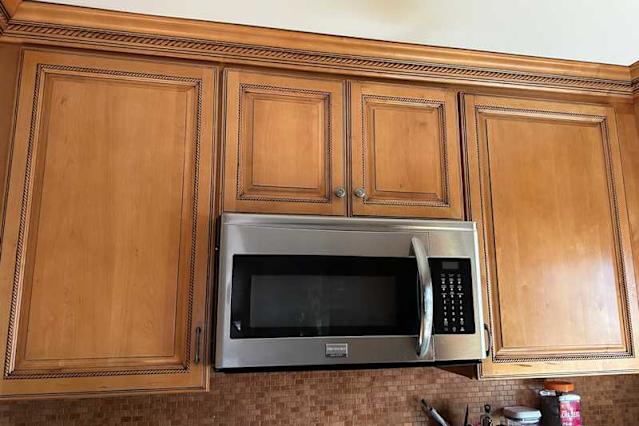
Are your kitchen cabinets looking dull and sticky because of stubborn grease? You’re not alone.
Grease builds up quickly, making your cabinets hard to clean and leaving your kitchen feeling less fresh. But don’t worry—you can restore that shine and get rid of the grime with the right cleaning methods. You’ll discover simple, effective ways to clean greasy kitchen cabinets so they look like new again.
Keep reading, and you’ll learn the secrets to a fresher, cleaner kitchen in no time.
Causes Of Greasy Cabinets
Greasy kitchen cabinets happen from various sources in daily cooking. The grease sticks to the cabinet surfaces, making them look dirty and sticky. Knowing the causes helps in choosing the right cleaning method. Understanding these causes keeps your kitchen fresh and welcoming.
Common Kitchen Grease Sources
- Frying foods in oil or butter releases grease particles.
- Steam from cooking carries grease that settles on surfaces.
- Grease splatters during grilling or sautéing.
- Handling greasy hands transfers oils to cabinets.
- Cooking with fatty meats produces more grease vapor.
How Cooking Affects Cabinet Surfaces
Heat from cooking makes grease more fluid and sticky. It helps grease spread easily on cabinet surfaces. Cabinets near stoves catch more grease than others. Over time, layers of grease build up and harden. This buildup dulls the cabinet finish and attracts dirt.

Credit: currently.att.yahoo.com
Choosing The Right Cleaning Products
Choosing the right cleaning products can make a huge difference in tackling greasy kitchen cabinets. Not every cleaner is strong enough to cut through stubborn grease, and some might even damage the finish of your cabinets. It’s important to understand the options available and pick products that are both effective and safe for your kitchen surfaces.
Natural Cleaners For Grease
Natural cleaners offer a gentle yet effective way to clean greasy cabinets without harsh chemicals. Ingredients like vinegar, baking soda, and lemon juice have natural degreasing properties. For instance, mixing equal parts vinegar and water in a spray bottle can help you wipe away grease quickly.
Many people find that a paste made from baking soda and water works well on tougher grease spots. You just apply the paste, let it sit for a few minutes, then scrub gently with a soft cloth. Have you tried using lemon juice? Its acidity naturally breaks down grease and leaves a fresh scent behind.
Commercial Degreasers And Their Uses
Commercial degreasers are designed specifically to cut through heavy kitchen grease and grime. These products often contain powerful solvents that break down oily residues fast. Look for degreasers labeled safe for wood or laminate if your cabinets have those finishes.
Using commercial degreasers can save time when natural cleaners aren’t strong enough. However, it’s crucial to follow the instructions carefully and test the product on a small hidden area first. Have you ever noticed a cleaner leaving a sticky residue? That’s why rinsing off degreasers properly is key to keeping your cabinets looking their best.
Step-by-step Cleaning Process
Cleaning greasy kitchen cabinets requires a clear plan. Follow a simple process for the best results. This step-by-step guide helps remove tough grease and restore shine. Each stage ensures your cabinets look fresh and clean without damage.
Preparing Your Cleaning Supplies
Gather all necessary items before starting. Use:
- Warm water
- Mild dish soap
- White vinegar
- Baking soda (optional)
- Soft cloths or sponges
- Old toothbrush or small brush
- Spray bottle
Mix warm water with dish soap for an effective cleaner. Combine vinegar and water in a spray bottle for tough stains. Have a dry cloth ready for finishing touches.
Effective Techniques For Grease Removal
Spray the vinegar-water mix on greasy areas. Let it sit for a few minutes. Gently scrub with a soft cloth or sponge in circular motions. Use a toothbrush for corners and edges.
For stubborn grease, sprinkle baking soda on the cabinet surface. Dip a damp cloth in warm soapy water. Rub the baking soda gently to lift grease. Rinse the cloth and wipe away residue.
Repeat these steps until grease disappears. Avoid harsh scrubbing to protect cabinet finish.
Drying And Polishing Cabinets
Use a clean, dry cloth to remove moisture. Dry cabinets fully to prevent water damage. Buff the surface softly to restore shine. For wooden cabinets, apply a small amount of furniture polish with a soft cloth.
This final step keeps cabinets looking fresh and protected. Proper drying also prevents streaks and water spots.

Credit: currently.att.yahoo.com
Preventing Future Grease Build-up
Regularly wiping cabinets with a mild cleaner helps stop grease from building up. Using a degreaser after cooking keeps surfaces fresh and clean. Ventilating the kitchen reduces grease settling on cabinets.
Preventing Future Grease Build-up Greasy kitchen cabinets are every home chef's nemesis, but the good news is that preventing future build-up is entirely possible. By adopting a few simple habits, you can maintain a clean, grease-free kitchen. Let's dive into practical tips that can make your kitchen sparkle.
Regular Maintenance Tips
Regular cleaning is your first line of defense against grease. Wipe down your cabinets weekly using a damp cloth with mild dish soap. This simple routine keeps grease from accumulating and becoming a tougher mess. Consider using natural cleaners like vinegar and water. They are effective and safe for most cabinet surfaces. Plus, they leave your kitchen smelling fresh! Create a cleaning schedule that fits your lifestyle. Whether it's a quick wipe-down after dinner or a more thorough clean-up every weekend, consistency is key.
Kitchen Ventilation And Its Role
Proper kitchen ventilation plays a crucial role in reducing grease accumulation. Ensure your stove's exhaust fan is in good working order and use it whenever you cook. If you lack a built-in ventilation system, an open window can also help. Fresh air circulation minimizes grease particles settling on your cabinets. Consider investing in a high-quality range hood. It's an upfront investment, but it pays off by protecting your cabinets and improving air quality. Have you ever thought about how much grease your kitchen could accumulate without proper ventilation? A little foresight can save you from frequent deep cleans and keep your kitchen looking its best.
Diy Cleaning Solutions
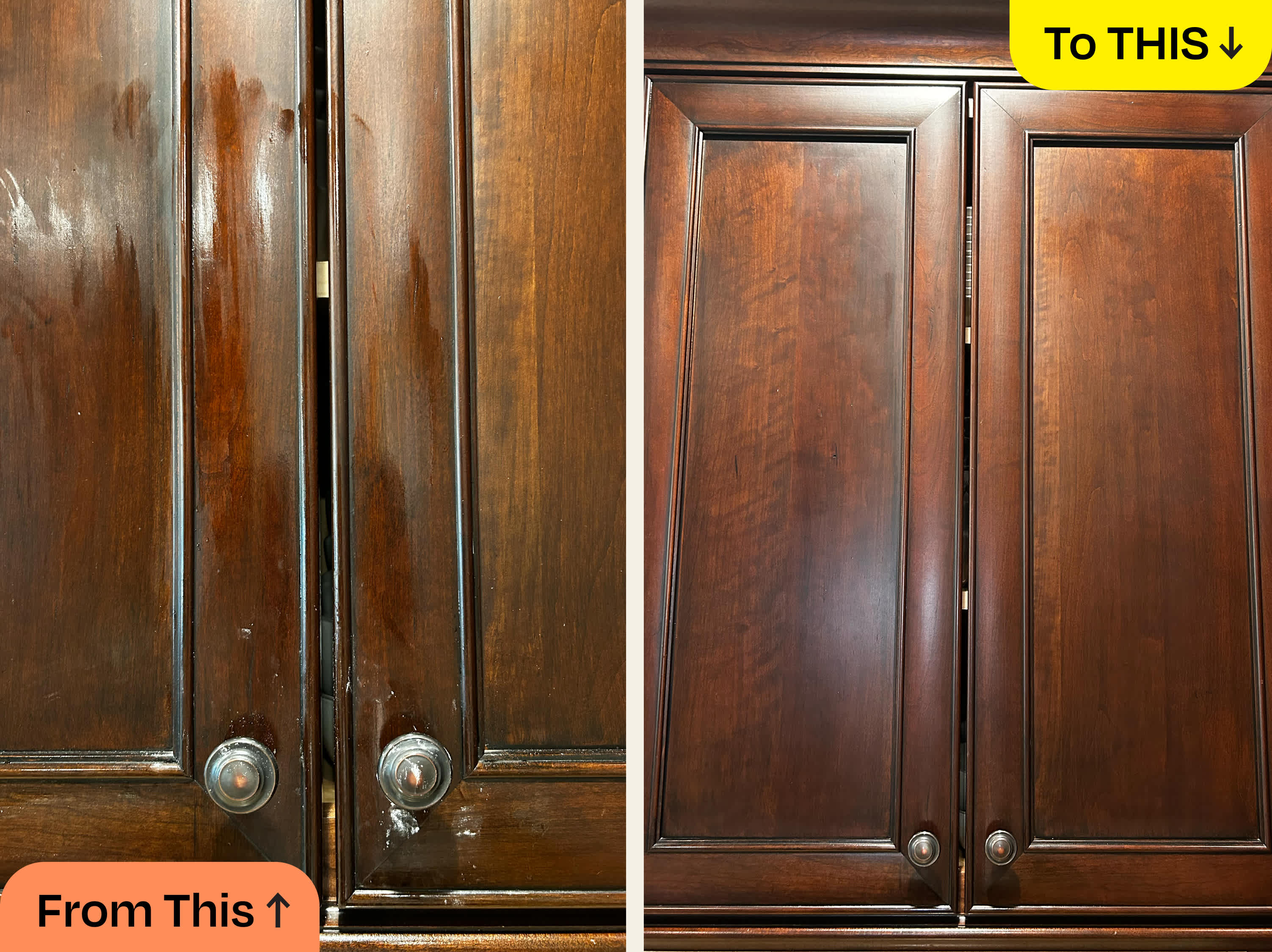
Greasy kitchen cabinets can be stubborn and frustrating to clean. Instead of reaching for harsh chemicals, you might find that simple DIY cleaning solutions work wonders. These natural remedies are not only effective but also safe and budget-friendly for your home.
Vinegar And Baking Soda Mixes
Combining vinegar and baking soda creates a powerful cleaning duo that cuts through grease effortlessly. The fizzing reaction helps lift grime without damaging your cabinet surfaces.
To use this mix, sprinkle baking soda directly on the greasy spots. Then spray or dab white vinegar over it and let the mixture bubble for a few minutes. Wipe away the residue with a damp cloth, and you’ll notice your cabinets looking much cleaner.
Have you ever tried this on other kitchen messes? It works great on stovetops and sinks too, making it a versatile option worth keeping in your cleaning toolkit.
Lemon-based Cleaners
Lemon’s natural acidity makes it an excellent grease cutter with the added benefit of a fresh scent. You can juice a lemon or use lemon essential oil diluted with water to make a gentle yet effective cleaner.
Apply the lemon solution to your cabinets using a soft cloth, rubbing gently to break down grease. The citrus also helps brighten surfaces, which is a bonus if your cabinets look dull.
Why not squeeze a lemon next time you spot a greasy patch? It’s an easy way to combine cleaning with a pleasant aroma, making your kitchen feel fresher and cleaner.
Credit: www.thekitchn.com
Frequently Asked Questions
What Is The Best Cleaner For Greasy Kitchen Cabinets?
A mixture of warm water, dish soap, and vinegar effectively removes grease. Use a soft cloth to avoid damage.
How Do I Remove Stubborn Grease From Cabinets?
Apply baking soda paste, let it sit for 10 minutes, then scrub gently. Rinse with water and dry thoroughly.
Can Natural Ingredients Clean Greasy Kitchen Cabinets?
Yes, lemon juice and vinegar are natural degreasers. They break down grease without harsh chemicals, making them safe and eco-friendly.
How Often Should I Clean Greasy Kitchen Cabinets?
Clean cabinets weekly to prevent grease buildup. Regular cleaning keeps surfaces shiny and reduces tough stains.
Conclusion
Greasy kitchen cabinets can be tough to clean. Using the right cleaners makes the job easier. Simple solutions like vinegar and soap work well. Avoid harsh chemicals that may damage the surface. Regular cleaning keeps cabinets looking fresh longer. Remember to wipe spills quickly to stop buildup.
A clean kitchen feels more inviting and healthy. Try these tips to keep your cabinets shiny. Small efforts bring big results in kitchen care.