
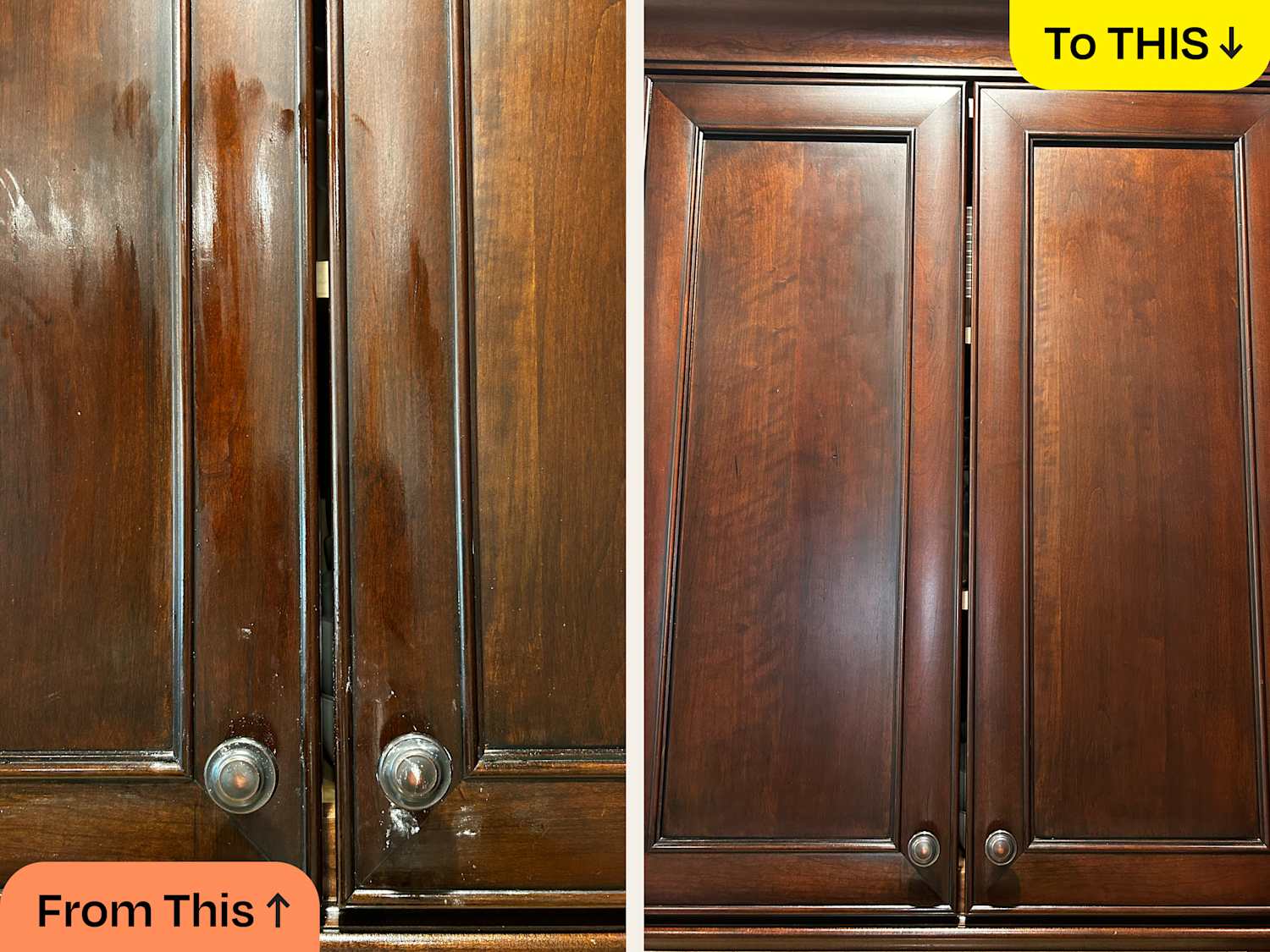
Are your kitchen cabinets looking dull or sticky? You might be wondering if soap and water are enough to clean them effectively.
The truth is, using the right cleaning method can make a big difference in keeping your cabinets fresh and lasting longer. You’ll discover whether soap and water are safe and effective for your kitchen cabinets. Plus, you’ll get easy tips to avoid damage and keep your kitchen looking its best.
Keep reading to find out how a simple cleaning routine can save you time and effort!
Soap And Water Basics
Cleaning kitchen cabinets with soap and water is a simple, effective way to keep them fresh. It removes grease, dirt, and grime without harsh chemicals. Understanding the basics helps prevent damage and keeps cabinets looking new longer.
Choosing The Right Soap
Select a mild dish soap or gentle liquid soap. Avoid strong detergents or bleach. Harsh soaps can strip the cabinet finish or cause discoloration. A simple soap helps lift dirt without harming surfaces.
Water Temperature Tips
Use warm water, not hot. Warm water dissolves grease easily. Hot water may damage wood or peel paint. Cold water does not clean as well. Warm water keeps the cleaning gentle and effective.
Tools For Cleaning Cabinets
Soft cloths or sponges work best. Avoid abrasive scrubbers or steel wool. These can scratch or damage the finish. Microfiber cloths trap dust and dirt better. Use a soft brush for corners and edges.
Credit: www.aosom.com
Cleaning Different Cabinet Materials
Different kitchen cabinet materials need different cleaning care. Soap and water work well for many types, but some need gentler handling. Understanding each material helps keep cabinets fresh and damage-free. Below are tips for cleaning common cabinet surfaces safely and effectively.
Wood Cabinets
Wood cabinets are common and add warmth to kitchens. Use mild soap mixed with warm water for cleaning. Dampen a soft cloth, wipe gently, and dry immediately. Avoid soaking wood to prevent warping or swelling. Harsh cleaners can strip the finish or cause discoloration.
Laminate Cabinets
Laminate cabinets resist stains but can scratch easily. Soap and water clean most dirt and grease well. Use a soft sponge or cloth to avoid damage. Avoid abrasive pads or harsh chemicals that can wear down the surface. Wipe dry to prevent water spots.
Metal Cabinets
Metal cabinets require careful cleaning to avoid rust or streaks. Soap and water work well for light dirt and fingerprints. Use a soft cloth and dry thoroughly after cleaning. Avoid strong acids or bleach, which can damage metal finishes. Polish with a dry cloth for shine.
Glass Cabinets
Glass cabinet doors need clear, streak-free cleaning. Soap and water help remove smudges and grease. Use a microfiber cloth for wiping to avoid lint. Dry with a clean cloth to prevent water marks. Avoid abrasive cleaners that can scratch glass surfaces.
Step-by-step Cleaning Process
Cleaning your kitchen cabinets with soap and water is a simple task that can refresh their appearance without harsh chemicals. But how you approach the process makes all the difference in protecting your cabinets and achieving a spotless finish. Let’s break down the cleaning into clear, manageable steps you can easily follow.
Preparing The Area
Start by clearing the cabinet surfaces and removing any items nearby to avoid splashes or drips. Lay down old towels or newspapers under the cabinets to catch any excess water. This small step keeps your kitchen floor safe from moisture damage.
Next, make sure your cleaning cloths or sponges are ready and clean. Dirty tools can spread grime rather than remove it, so fresh supplies give you better results.
Mixing Soap Solution
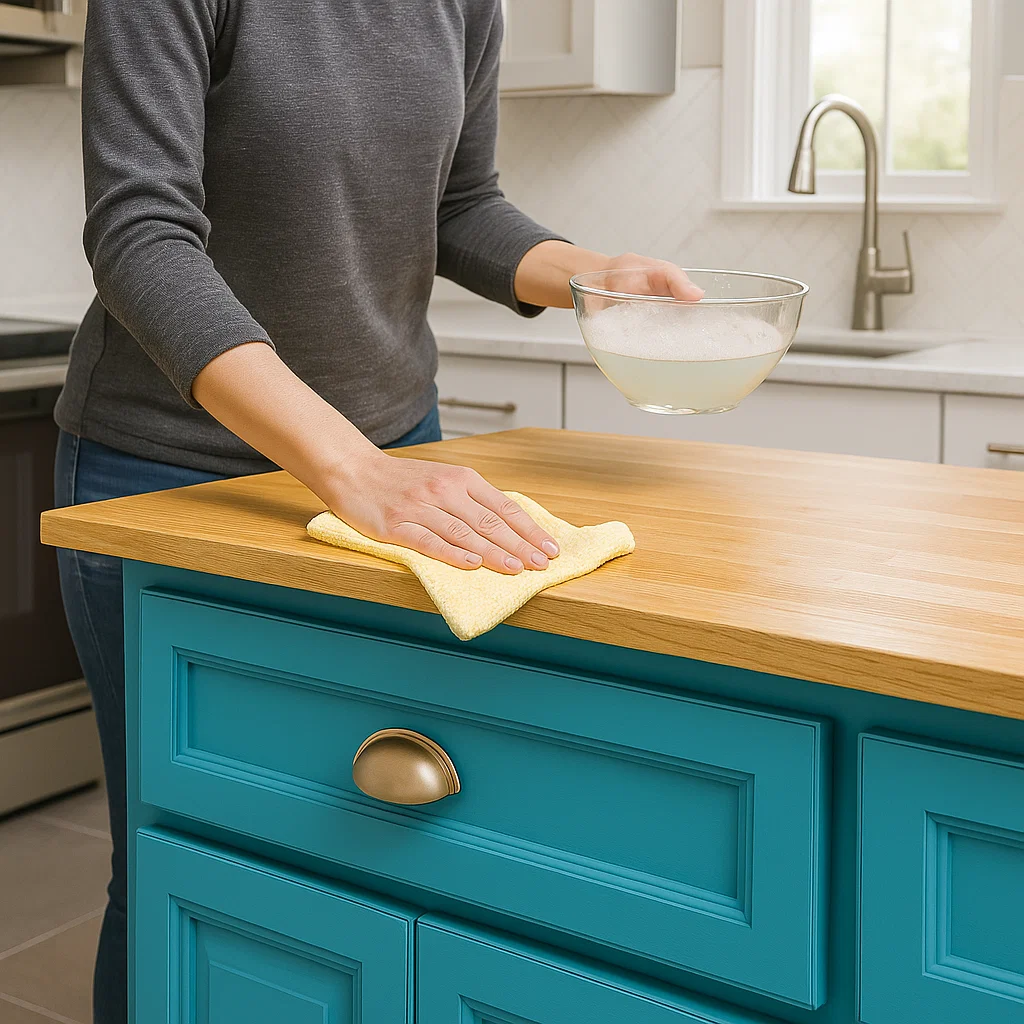
Use warm water and add a few drops of mild dish soap. Avoid using too much soap as it can leave a sticky residue on your cabinets. Stir gently until the soap dissolves completely.
Have you noticed some soaps work better than others on your surfaces? Experiment with different brands to find one that cleans well without damaging your cabinet finish.
Wiping Techniques
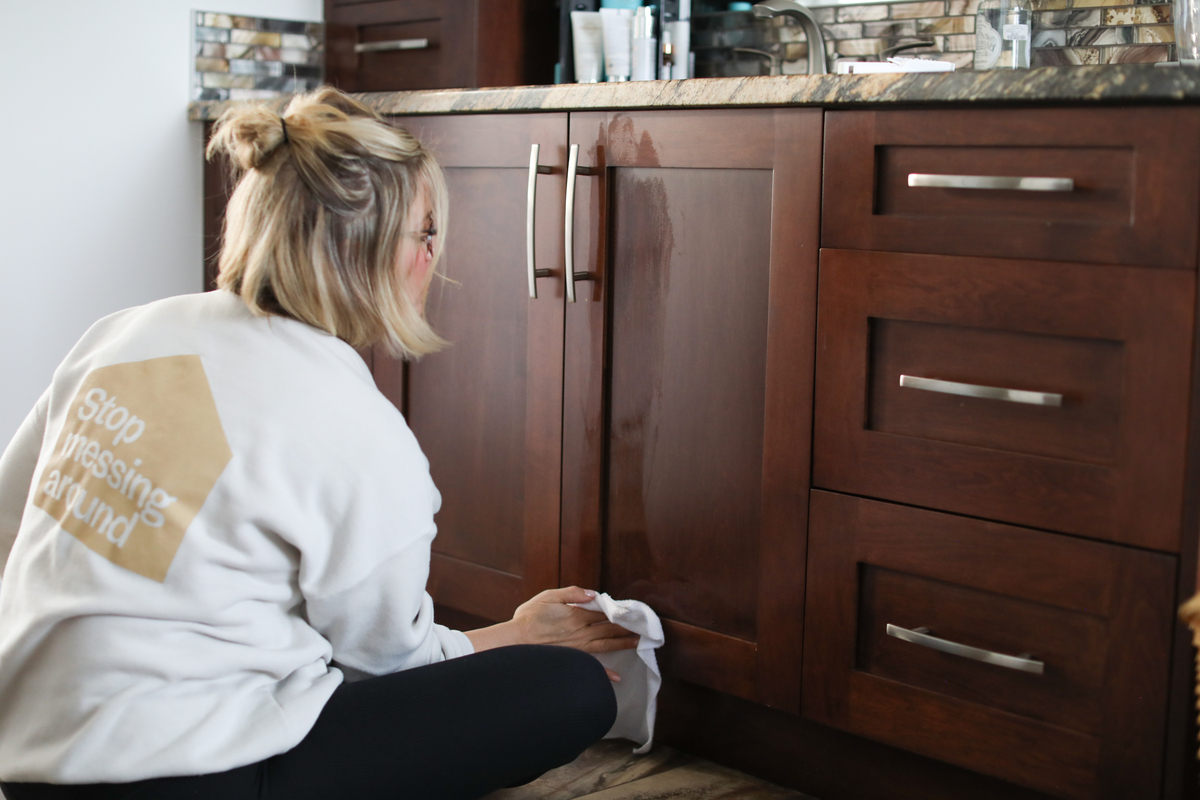
Dip a soft cloth or sponge into the soapy water, then wring it out well to prevent excess moisture. Wipe the cabinets gently following the wood grain or the cabinet’s texture. This reduces the risk of scratching.
For stubborn spots, apply a little more pressure but avoid scrubbing harshly. Sometimes, a little patience and gentle circular motions do the trick without harming the surface.
Drying Cabinets Properly
After wiping, immediately dry the cabinets using a clean, dry microfiber cloth. This step prevents water spots and swelling caused by lingering moisture. Have you ever skipped drying and noticed your cabinets looking streaky or warped?
Allow the cabinets to air out by keeping doors open for a short while. Proper drying keeps your cabinets looking fresh and extends their lifespan.
Credit: www.housework.com
Common Mistakes To Avoid
Using harsh soap or too much water can damage cabinet surfaces. Avoid soaking wood to prevent warping or peeling. Always test cleaning solutions on a small area first.
Cleaning kitchen cabinets with soap and water might seem straightforward, but there are common mistakes that can lead to damage or less-than-satisfactory results. Understanding these pitfalls can help keep your cabinets looking their best. Let's explore some key errors to avoid.
Using Too Much Water
Excessive water is a cabinet's worst enemy. Cabinets, particularly those made of wood, can absorb water, causing them to warp or swell over time. Instead of soaking a cloth in water, dampen it just enough to clean the surface effectively. Avoid letting water sit on the cabinet surfaces. Quickly dry any excess moisture with a clean, dry cloth. This simple step can extend the life of your cabinets significantly.
Harsh Scrubbing
While it might be tempting to scrub away stubborn stains, harsh scrubbing can damage the cabinet finish. Gentle cleaning is more effective and safe for the surface. Use a soft cloth or sponge to avoid scratching or dulling the finish. Consider using a gentle, circular motion to clean the cabinets. This method is effective in lifting dirt without causing harm. Remember, patience is key to preserving the beauty of your kitchen cabinets.
Ignoring Manufacturer Guidelines
Every cabinet material has its own set of care instructions. Ignoring these guidelines can lead to unintended damage. Always check the manufacturer's instructions before cleaning. Are your cabinets made of laminate, wood, or another material? Each type may require specific cleaning agents or methods. Following these guidelines ensures that you maintain the warranty and keep your cabinets in top condition. By being mindful of these common mistakes, you can keep your kitchen cabinets clean and beautiful for years to come. What other cleaning challenges do you face in the kitchen? Share your experiences and tips in the comments below!
Alternative Cleaning Methods
Alternative cleaning methods offer different ways to keep kitchen cabinets fresh and clean. These options can be gentler or more effective than just soap and water. They help remove grime and add shine without damaging the cabinet surface. Choose the right method based on your cabinet material and cleaning needs.
Vinegar And Water Solution
Mix equal parts vinegar and water in a spray bottle. Vinegar cuts through grease and kills bacteria naturally. Spray the solution on cabinets and wipe with a soft cloth. Avoid soaking wood cabinets to prevent damage. This method is safe and eco-friendly.
Commercial Cleaners
Use cleaners made specifically for kitchen cabinets. These products remove tough stains and grease quickly. Follow the label instructions carefully to avoid harming finishes. Test a small area first to check for color changes or damage. Commercial cleaners save time and effort.
Natural Oils For Shine
Natural oils like lemon or olive oil add shine and protect wood cabinets. Apply a small amount with a soft cloth and rub gently. Oils help prevent drying and cracking over time. They leave a fresh scent and a smooth finish. Use oils sparingly to avoid buildup.

Credit: currently.att.yahoo.com
Maintaining Cabinet Cleanliness
Maintaining the cleanliness of kitchen cabinets keeps your kitchen fresh and inviting. Clean cabinets protect the wood or finish and extend their life. Regular care prevents buildup of grease, dust, and stains. Simple cleaning habits save time and effort in the long run.
Regular Cleaning Schedule
Set a weekly routine for cleaning kitchen cabinets. Wipe down surfaces with a soft cloth and mild soap solution. Avoid harsh chemicals that can damage the finish. Dry the cabinets after cleaning to prevent moisture buildup. Consistency is key to keeping cabinets looking new.
Preventing Stains And Damage
Protect cabinets from stains by wiping spills immediately. Use coasters or mats near cooking areas. Avoid placing wet items directly on cabinet surfaces. Keep heat sources like pots and pans away from wood. These steps help maintain the cabinet’s original look.
Quick Spot Cleaning Tips
- Use a damp cloth to clean fingerprints and smudges.
- Mix a small amount of dish soap with warm water for greasy spots.
- Apply the solution gently, then wipe with a dry cloth.
- For tough stains, use a baking soda paste and rinse well.
- Always test cleaning products on a small hidden area first.
Frequently Asked Questions
Can I Clean Kitchen Cabinets With Soap And Water?
Yes, soap and water can effectively clean kitchen cabinets. Use mild dish soap mixed with warm water. Gently wipe cabinets with a soft cloth. Avoid harsh scrubbing to prevent damage to the finish.
Is Soap And Water Safe For All Cabinet Types?
Soap and water are generally safe for most cabinet materials. However, avoid excessive moisture on wood cabinets. Always test a small area first to check for any adverse reactions or damage to the finish.
How Often Should I Clean Kitchen Cabinets With Soap?
Cleaning kitchen cabinets with soap and water monthly is ideal. Regular cleaning prevents grease and grime buildup. For heavily used kitchens, clean more frequently to maintain appearance and hygiene.
Can Soap And Water Remove Grease From Cabinets?
Mild soap combined with warm water can remove light grease stains. For tougher grease, add a small amount of vinegar or baking soda. Always rinse well and dry cabinets to prevent residue.
Conclusion
Soap and water work well to clean most kitchen cabinets. They remove dirt and grease gently without damage. Use a soft cloth to avoid scratches. Avoid soaking cabinets with too much water. Dry surfaces quickly to keep them safe. For tough stains, try a mild cleaner made for cabinets.
Regular cleaning keeps cabinets looking fresh and new. Simple care makes your kitchen shine every day. Easy and safe—soap and water do the job right.