
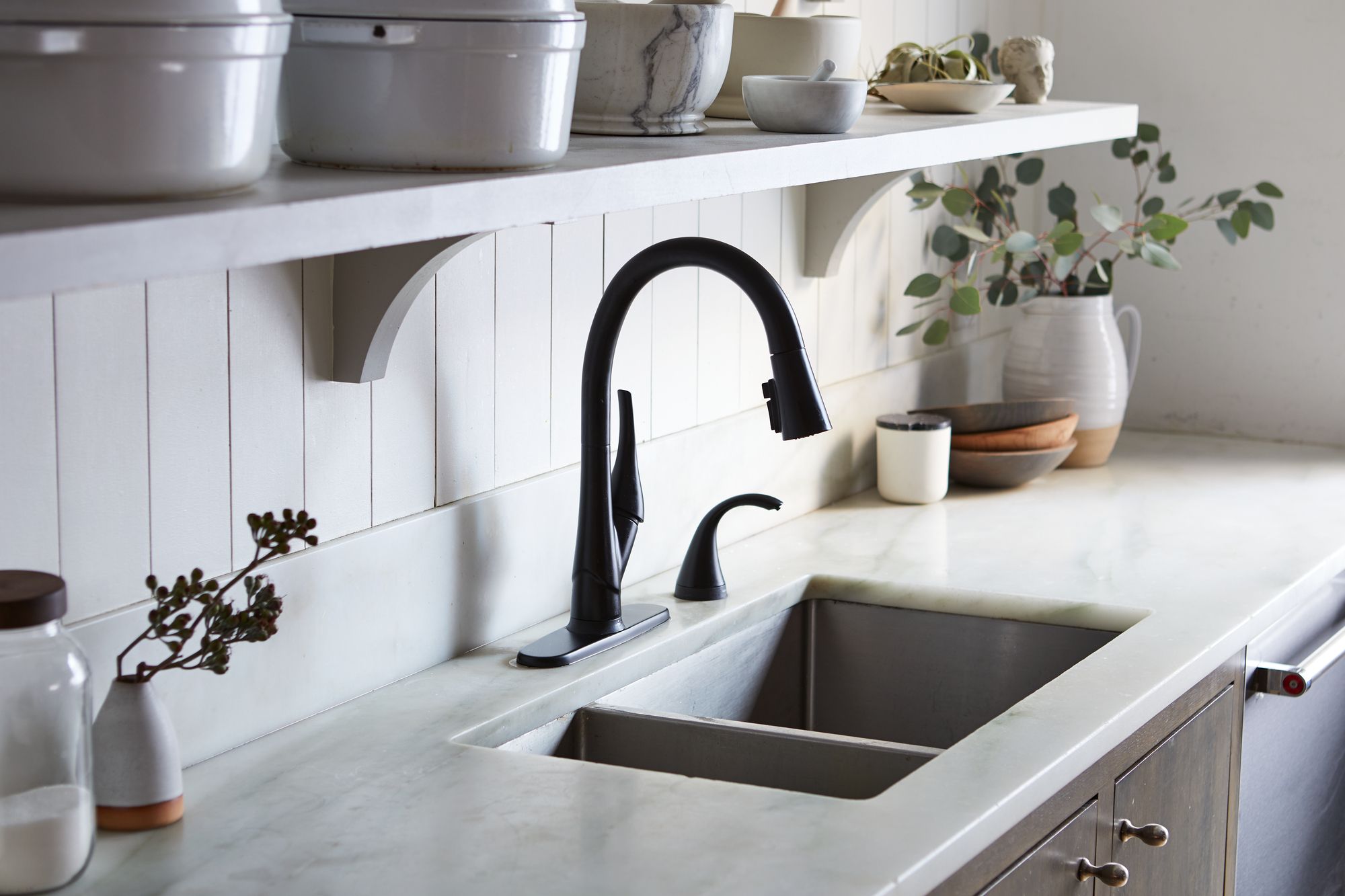
How to Cover Kitchen Countertop: Your kitchen countertop is one of the most used surfaces in your home. Over time, it can show signs of wear, stains, or damage that make your kitchen look tired.
But what if you could give it a fresh, new look without a full renovation? Knowing how to cover your kitchen countertop can save you time, money, and stress. You’ll discover simple, effective ways to transform your countertop quickly and easily.
By the end, you’ll have the confidence to choose the best method for your space and style. Ready to make your kitchen shine again? Let’s dive in!

Credit: designingvibes.com
Choosing The Right Material
Choosing the right material for your kitchen countertop can make a big difference in how your kitchen looks and functions. The material you pick affects your budget, how much care the countertop needs, and how it fits with your kitchen's style. Thinking through these factors will help you find a surface that works well for your daily life and matches your taste.
Budget-friendly Options
Not every good countertop has to break the bank. Materials like laminate and butcher block offer attractive looks without a high price tag. Laminate is especially practical if you want a variety of colors and patterns at a low cost.
Butcher block brings warmth and can be easier to repair if scratched. If you’re careful, these options can last for years and still look great. Would you prefer spending less upfront and upgrading later, or investing more now for something long-lasting?
Durability And Maintenance
Think about how much wear and tear your countertop will face daily. Granite and quartz are popular because they resist scratches and stains well. Quartz, in particular, requires very little maintenance—just regular cleaning keeps it looking new.
On the other hand, materials like marble look stunning but need more care to avoid etching and staining. If you want a countertop that can handle heavy cooking without constant worry, durability should guide your choice. How much time do you want to spend maintaining your kitchen surface?
Aesthetic Considerations
Your countertop material sets the tone for your kitchen's overall style. Sleek quartz offers a modern, clean look, while natural stone adds unique patterns and texture. Wood countertops can create a cozy, rustic feel that invites warmth into the room.
Think about the colors and finishes in your kitchen. Would a shiny surface brighten the space, or do you prefer matte for a softer look? Matching your countertop with your cabinets and backsplash can pull the whole design together beautifully.

Credit: designingvibes.com
Preparing Your Countertop
Preparing your kitchen countertop is the first step for a smooth and lasting finish. It requires careful cleaning, fixing any damage, and creating the right surface for new materials. Taking time here helps you avoid problems later and ensures your countertop looks great.
Cleaning And Repairing Surface
Start by removing all items from the countertop. Use warm water and mild soap to clean away grease and dirt. Dry the surface completely with a soft cloth. Check for cracks, chips, or holes that need fixing. Use a suitable filler or putty to repair damaged areas. Let the repairs dry fully before moving on.
Sanding And Priming Tips
Sanding helps the new covering stick better to the countertop. Use fine-grit sandpaper to smooth the entire surface gently. Focus on rough spots and repaired areas. Wipe away dust with a damp cloth after sanding. Apply a primer designed for your countertop material. This step improves adhesion and prevents peeling. Allow the primer to dry according to the product instructions.
Peel-and-stick Tiles
Peel-and-stick tiles offer a quick and easy way to refresh kitchen countertops. These tiles come with adhesive backs that stick directly to surfaces. They save time and money compared to traditional tile installations. Plus, they allow for creative design choices and personalization.
Selecting Patterns And Colors
Choose patterns that fit your kitchen style. Simple geometric shapes create a modern look. Floral or mosaic designs add charm and detail. Consider colors that complement cabinets and walls. Light colors brighten small spaces. Dark tones add depth and contrast.
Installation Steps
- Clean the countertop thoroughly to remove dust and grease.
- Measure the area and plan tile placement before peeling.
- Peel the backing off each tile carefully.
- Press tiles firmly onto the countertop, starting from one corner.
- Align tiles to avoid gaps and ensure a smooth surface.
- Trim excess tiles with a utility knife for a perfect fit.
Sealing For Longevity
Apply a clear sealant to protect the tiles from water and stains. Use a sealant designed for peel-and-stick surfaces. Apply evenly with a brush or roller. Let it dry fully before using the countertop. Sealing helps the tiles last longer and stay vibrant.
Contact Paper Makeover
Covering a kitchen countertop with contact paper offers a quick, affordable refresh. Simply measure, cut, and smooth the paper to fit your surface perfectly. This DIY trick hides damage and adds style without heavy renovation.
Transforming your kitchen with a contact paper makeover is a budget-friendly way to refresh your space without a full renovation. It's an ideal solution for renters or anyone looking for a temporary change. With the right techniques, you can achieve a stunning new look that mimics high-end materials.
Choosing Designs
Selecting the perfect design is crucial for a successful countertop makeover. Consider your kitchen's overall style and color palette. Whether you prefer a marble look or a wood grain finish, ensure the design complements your existing decor. Visit local home improvement stores or browse online for a variety of options. Keep in mind the durability and water resistance of the contact paper you choose. You want a design that not only looks good but also stands up to daily use.
Smooth Application Techniques
Achieving a smooth finish is essential for a professional look. Start by thoroughly cleaning your countertops. Any dirt or grease will prevent the contact paper from adhering properly. When applying the paper, peel off a small section of the backing at a time. Use a squeegee or a flat tool to smooth out the paper as you go. This method helps prevent wrinkles and ensures an even application.
Avoiding Air Bubbles
Air bubbles can ruin the appearance of your new countertop. To avoid them, work slowly and methodically. Press firmly with your smoothing tool as you apply the paper. If you do encounter a bubble, don’t panic. Gently lift the paper and reapply, smoothing out the bubble. For stubborn bubbles, use a pin to carefully puncture the area and release the air, then smooth it out again. A successful contact paper makeover can breathe new life into your kitchen. What design will you choose to transform your space?
Painting Your Countertop
Painting your kitchen countertop can transform your space without the high cost of replacement. It allows you to customize colors and patterns to match your style. However, the key to a successful paint job lies in choosing the right materials and applying them correctly.
Best Paint Types
Not all paints are suitable for countertops since they need to withstand heat, moisture, and frequent cleaning. Look for epoxy or acrylic paints specifically designed for surfaces that get heavy use. Epoxy paints offer a hard, durable finish that resists scratches and stains.
Acrylic paints are easier to apply and dry faster, but they often require a protective topcoat. Some brands even offer countertop-specific paint kits, which can simplify your project and improve longevity.
Layering And Finishing
Proper layering is crucial to achieve a smooth, lasting finish. Start by cleaning and sanding your countertop to create a surface the paint can stick to. Apply a primer designed for your paint type to prevent peeling.
Use thin, even coats rather than thick layers to avoid drips and uneven drying. Wait for each coat to dry completely before adding the next. This step-by-step build-up creates a robust surface that feels like a brand-new countertop.
Protective Coatings
After painting, protect your work with a clear, durable coating. Polyurethane or epoxy sealants are popular choices for countertops. They shield the paint from moisture, heat, and daily wear.
Some coatings require curing time, so avoid heavy use for several days. The protective layer not only extends the life of your paint job but also makes cleaning easier. Have you considered how a simple sealant can save you from repainting sooner than expected?
Installing Laminate Sheets
Installing laminate sheets on kitchen countertops offers a fresh, durable surface at a lower cost. This process can update your kitchen’s look quickly and with less mess. Careful measuring and cutting help achieve a smooth fit. Using the right adhesive ensures strong bonding. Trimming edges neatly finishes the job with a clean, professional appearance.
Cutting And Measuring
Start by measuring the countertop surface precisely. Use a tape measure and write down the dimensions. Mark the laminate sheet with a pencil or marker. Cutting should be done with a fine-toothed saw or utility knife. Score the sheet deeply, then snap it along the line. Take extra care around corners and curves. Accurate cuts prevent gaps and overlaps later.
Adhesive Options
Choose an adhesive that suits laminate and countertop materials. Contact cement is common and creates a strong bond. Apply it evenly on both surfaces and let it dry until tacky. Use a roller to press the laminate firmly onto the countertop. Some use wood glue or construction adhesive for simpler projects. Always follow the product instructions for best results.
Trimming Edges
Trim excess laminate around the edges with a sharp utility knife. Hold the knife straight to avoid chipping the surface. Use a router with a laminate trimming bit for smooth, rounded edges. Sand any rough spots lightly to create a polished finish. Clean the edges thoroughly to remove dust and debris. Proper trimming ensures a sleek and neat countertop look.
Using Epoxy Resin
Epoxy resin creates a smooth, durable surface on kitchen countertops. It seals and protects from spills and stains effectively. Apply evenly for a shiny, long-lasting finish.
Using epoxy resin offers a sleek look for kitchen countertops. It's durable and provides a glossy finish. Perfect for a modern kitchen feel. Epoxy resin is easy to apply with some patience. Let's explore the steps involved in using this material.
Mixing And Coloring
Begin by gathering your materials. You'll need resin, hardener, and color additives. Measure the resin and hardener in equal parts. Stir them slowly to avoid bubbles. Add color pigments gradually. Mix until you achieve the desired shade. Ensure a consistent blend for even coloring.
Pouring Techniques
Prepare the surface by cleaning it thoroughly. Start pouring the epoxy at one end of the countertop. Use a spatula to spread the mixture evenly. Let it flow naturally across the surface. Work quickly, as epoxy starts curing fast. Check for air bubbles and remove them with a heat gun.
Curing Time And Care
Allow the epoxy to cure for at least 24 hours. The curing process strengthens the surface. Avoid placing heavy items during this time. Once cured, clean with mild soap and water. Avoid harsh chemicals to maintain the glossy finish. Regular care ensures your countertop stays beautiful.

Credit: designingvibes.com
Decorative Tile Overlays
Decorative tile overlays offer a stylish way to update kitchen countertops. They create a fresh look without removing existing surfaces. Tiles come in many shapes, colors, and textures. This variety lets you match any kitchen style. Installing tile overlays is a cost-effective and durable option. It also allows you to add personality and charm to your kitchen space.
Choosing Tile Styles
Select tiles that fit your kitchen’s overall design. Consider color, size, and pattern carefully. Small mosaic tiles add intricate detail. Large tiles create a sleek, modern look. Matte finishes hide scratches better than glossy ones. Ceramic and porcelain tiles are popular for durability. Natural stone tiles bring warmth and texture. Choose grout colors that complement or contrast your tiles.
Grouting And Sealing
Grout fills the gaps between tiles and keeps them in place. Apply grout evenly and wipe off excess quickly. Use a grout sealer to protect against stains and moisture. Sealing also extends the life of your countertop. Reapply sealant every 1 to 2 years for best results. Proper grouting and sealing prevent water damage and mold growth.
Maintenance Tips
- Clean spills immediately to avoid stains.
- Use mild soap and warm water for daily cleaning.
- Avoid abrasive cleaners that can scratch tiles.
- Check grout lines regularly for cracks or gaps.
- Reseal grout as needed to maintain protection.
- Use cutting boards to prevent tile damage.
Adding Functional Accessories
Adding functional accessories to your kitchen countertop can transform it from a simple workspace into a practical and stylish area. These accessories help you stay organized, save time, and even inspire creativity while cooking. Think about the last time you scrambled to find a cutting board or struggled with poor lighting—small additions could have made a big difference.
Cutting Boards And Trays
Cutting boards and trays are more than just kitchen tools; they can also protect your countertops from scratches and stains. Choose boards made from wood or bamboo for durability and a natural look, or go for colorful plastic options that brighten up your space. Trays help you gather ingredients or serve snacks without cluttering your countertop.
Consider stacking a couple of cutting boards in different sizes for versatility. You might find that having a designated board for meat and another for vegetables keeps things cleaner and safer. Wouldn’t it be easier to prep meals if everything you need was right there, neatly arranged?
Countertop Organizers
Organizers keep your essentials within reach but off your main workspace, reducing clutter and stress. Use utensil holders to corral spatulas, whisks, and spoons. Spice racks or small baskets can hold jars, making them easy to grab without digging through cabinets.
Look for vertical organizers to maximize space on small countertops. A tiered organizer can hold fruits, napkins, or even your mail. How much time could you save if you didn’t have to search for tools while cooking?
Lighting Enhancements
Good lighting changes everything. It helps you see what you’re doing and sets the right mood in your kitchen. Under-cabinet LED strips or puck lights provide focused illumination on your countertop where you work most.
Adjustable task lighting lets you brighten up key areas while keeping the rest of the kitchen cozy. Think about adding dimmable lights to create a versatile space that works for cooking and entertaining. Have you noticed how a well-lit countertop makes chopping and mixing feel more precise and enjoyable?
Frequently Asked Questions
What Materials Work Best To Cover Kitchen Countertops?
Popular materials include laminate, granite, quartz, and butcher block. Each offers durability and style. Choose based on budget and kitchen design.
How Do I Prep My Countertop Before Covering It?
Clean the surface thoroughly and remove debris. Sand rough areas for better adhesion. Ensure the countertop is dry before starting.
Can I Cover Kitchen Countertops Myself Safely?
Yes, many coverings are DIY-friendly. Follow instructions carefully and use proper tools. Take safety precautions to avoid damage or injury.
How Long Does It Take To Cover A Kitchen Countertop?
Typically, small projects take a few hours. Larger or complex jobs may require a day or more. Drying times vary by material.
Conclusion
Covering your kitchen countertop can change your space quickly. Choose the right material for durability and style. Measure carefully to avoid mistakes and waste. Clean the surface well before starting the project. Take your time to apply coverings evenly and smoothly.
Small steps lead to big improvements in your kitchen. Enjoy a fresh look without spending too much money. A neat countertop makes cooking and cleaning easier. Try different options to find what suits your home best. You can update your kitchen with simple, smart choices.