
What Does Oven Cleaner Do to Kitchen Countertops: Have you ever wondered what happens when oven cleaner touches your kitchen countertops? You might think it’s just a powerful cleaner for ovens, but its effects on your countertops could surprise you.
Using the wrong product on your kitchen surfaces can cause damage you didn’t expect. If you want to keep your countertops looking great and avoid costly repairs, it’s important to understand exactly what oven cleaner does when it comes into contact with them.
Keep reading to find out how oven cleaner interacts with different countertop materials and what you should do to protect your kitchen.
How Oven Cleaners Work
Understanding how oven cleaners work helps explain their effects on kitchen countertops. These cleaners use strong chemicals designed to break down tough grease and baked-on food. The process involves a chemical reaction that softens and dissolves grime. Knowing the components and how they act clarifies why some countertops may react differently to these products.
Chemical Components
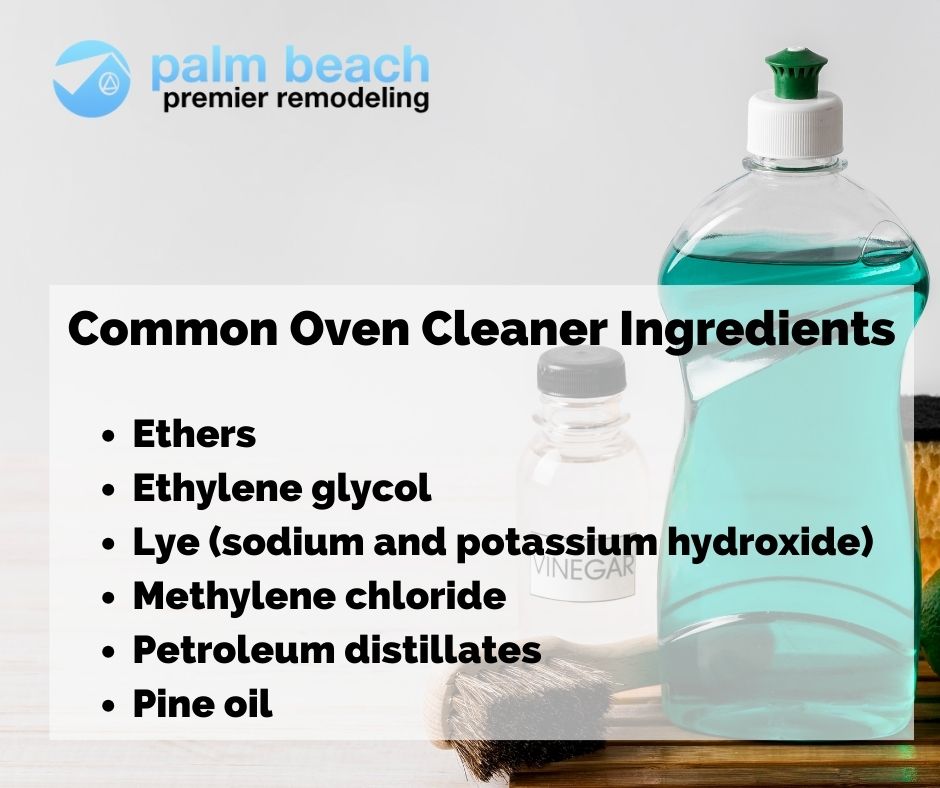
Oven cleaners often contain powerful chemicals like sodium hydroxide and potassium hydroxide. These are strong alkaline substances. They can break down fats and proteins quickly. Other ingredients may include solvents to dissolve grease and surfactants to lift dirt. Some formulas have fragrances and thickeners to improve use and smell.
Mechanism Of Action
The alkaline chemicals react with grease and burnt food. This process is called saponification. It turns fats into soap and water, which washes away easily. The cleaner also breaks down protein chains in food residue, loosening them from surfaces. This makes scrubbing less effortful.
These reactions generate heat and bubbles, helping lift stubborn dirt. The longer the cleaner stays, the more grime it can dissolve. However, strong chemicals can damage sensitive countertops by eroding finishes or causing discoloration. Careful use is essential to protect kitchen surfaces.

Credit: www.reddit.com
Common Kitchen Countertop Materials
Kitchen countertops come in different materials. Each type reacts differently to strong cleaners like oven cleaner. Knowing your countertop material helps protect its surface from damage. Here are some common kitchen countertop materials and how oven cleaner may affect them.
Granite And Marble
Granite and marble are natural stones. They have a polished, shiny surface that looks elegant. Oven cleaner contains harsh chemicals that can eat away the stone’s seal. This causes dull spots and stains. Acidic ingredients in oven cleaner can etch marble, leaving permanent marks. Avoid using oven cleaner on these surfaces.
Laminate And Tile
Laminate countertops have a thin plastic layer over wood or particleboard. Oven cleaner can break down this plastic, causing peeling or discoloration. Tile countertops are more resistant but grout lines can absorb chemicals. Oven cleaner may weaken grout and cause it to crumble. Use gentle cleaners to keep these countertops safe.
Quartz And Solid Surface
Quartz is a man-made stone mixed with resin. Solid surface countertops are made from acrylic or polyester. Both can resist stains better than natural stone. Still, strong oven cleaner can damage their finish. Harsh chemicals can cause cloudiness or dullness on the surface. Use mild, non-abrasive cleaners to protect these materials.
Effects Of Oven Cleaner On Different Surfaces
Oven cleaner contains strong chemicals designed to remove tough grease and baked-on food. These chemicals can react differently with various kitchen countertop materials. Understanding these effects helps protect your countertops from damage. Some surfaces handle oven cleaner better than others. Some may suffer lasting harm after contact.
Corrosion And Etching
Oven cleaner often contains alkaline substances that can corrode sensitive surfaces. Natural stone countertops, like marble and granite, are prone to etching. Etching appears as dull spots or marks on the surface. Metals like stainless steel may also corrode or lose shine. Plastic laminates might melt or warp if exposed too long.
Discoloration And Staining
Strong chemicals in oven cleaner can cause discoloration on many countertops. Porous materials absorb the cleaner, leading to stains or color changes. Wood and some engineered stones can darken or bleach. Painted or sealed surfaces may lose their finish. Discoloration often appears uneven and hard to fix.
Surface Texture Changes
Oven cleaner can alter the texture of some countertop materials. Smooth surfaces may become rough or pitted after exposure. Stone surfaces might develop tiny cracks or feel grainy. Plastic and laminate tops can swell or blister. These texture changes reduce the countertop’s lifespan and appeal.
Credit: pbphomerepair.com
Safety Risks And Hazards
Oven cleaner contains strong chemicals that can damage kitchen countertops. It may cause discoloration, dullness, or even surface erosion. Use caution to avoid permanent harm to your countertop material.
Cleaning your kitchen countertops can sometimes feel like a never-ending task, especially when stubborn stains refuse to budge. You might be tempted to grab an oven cleaner to tackle the grime. But before you do, it's crucial to understand the safety risks and hazards associated with using oven cleaner on countertops. This knowledge could save you from costly repairs—or worse, a trip to the emergency room.
Chemical Burns
Oven cleaners are packed with strong chemicals designed to dissolve baked-on grease and residue. But these same chemicals can be harsh on your skin and surfaces. Accidental spills can result in painful chemical burns, leaving your skin feeling raw and irritated. Have you ever accidentally touched an area cleaned with oven cleaner without gloves? The stinging sensation is enough to remind you to be more cautious next time. Wearing protective gear, like gloves and long sleeves, is not just a suggestion; it's a necessity.
Fumes And Respiratory Issues
The fumes emitted from oven cleaners can be overwhelming. Inhaling these fumes poses a risk to your respiratory system. You might notice a burning sensation in your throat or even start coughing. Make sure your kitchen is well-ventilated if you must use an oven cleaner. Open windows and run your kitchen exhaust fan to circulate air. Have you ever noticed how quickly the air seems to clear when you do this? It's a small step that can protect your health. Remember, the convenience of using oven cleaner might not outweigh the potential hazards. Are you willing to risk your safety for a cleaner countertop? Take these safety precautions seriously and explore safer cleaning alternatives whenever possible.
Preventing Damage To Countertops
Oven cleaners are powerful and can harm kitchen countertops if misused. Protecting your countertops is key to keeping your kitchen safe and looking good. Understanding how to prevent damage helps maintain surfaces longer and avoids costly repairs. Use the right products carefully to keep your counters intact and spotless.
Choosing Safe Cleaners
Pick cleaners made for kitchen surfaces. Avoid harsh chemicals like bleach or strong acids. Look for labels stating “safe for countertops” or “non-abrasive.” Natural or mild cleaners reduce risk of damage. Test cleaners on a small, hidden spot first. This checks for any reaction before full use.
Proper Usage Tips
- Wear gloves to protect skin.
- Apply cleaner to a cloth, not directly to counters.
- Wipe gently to avoid scratching.
- Do not leave cleaner on surface too long.
- Rinse thoroughly with water after cleaning.
- Dry the countertop with a soft cloth.
Following these tips helps keep countertops safe and clean. Careful use prevents stains, discoloration, and surface damage. Always read and follow product instructions for best results.
How To Repair Damaged Countertops
Repairing damaged kitchen countertops after accidental exposure to harsh oven cleaners can feel overwhelming. However, understanding the options available can help you restore your surfaces efficiently. Whether the damage is minor or severe, there are practical ways to bring your countertop back to life.
Diy Fixes
Small stains or discoloration caused by oven cleaner often respond well to home remedies. Start by gently scrubbing the area with a mixture of baking soda and water; this mild abrasive can lift stains without further damage.
If your countertop has small scratches or dull spots, try using a countertop polish or a fine abrasive pad designed for your surface type. These products can smooth out imperfections and improve the look quickly.
- Use mineral oil on wooden countertops to hydrate and restore shine.
- For laminate surfaces, a mild abrasive cleaner can remove surface damage.
- Seal granite or stone countertops with a suitable sealer to prevent further damage.
Remember, always test any product or method on a small, hidden area first. This step ensures you don’t worsen the problem. Have you tried a DIY fix before and noticed an unexpected improvement?
When To Call A Professional
Deep burns, permanent discoloration, or cracks usually require expert attention. Professionals have specialized tools and materials to repair or resurface countertops properly.
If the damage compromises the countertop’s structure or safety, delaying professional help might lead to more costly repairs. For instance, chipped natural stone often needs resurfacing, which is best handled by a stone restoration expert.
Consider professional repair if your countertop material is expensive or rare. They can preserve its value and appearance better than DIY methods. Have you weighed the cost of professional repair against replacement?

Credit: www.reddit.com
Frequently Asked Questions
Can Oven Cleaner Damage Kitchen Countertops?
Yes, oven cleaner can damage countertops, especially porous or delicate materials. It contains strong chemicals that may cause discoloration or surface erosion.
Is Oven Cleaner Safe For Granite Countertops?
No, oven cleaner is not safe for granite. It can strip the sealant and dull the stone, leading to permanent damage.
How To Remove Oven Cleaner Residue From Countertops?
Wipe residue immediately with a damp cloth. Use mild soap and water to clean thoroughly and prevent chemical buildup or stains.
What Alternatives Are Safe For Cleaning Countertops?
Use mild dish soap, baking soda paste, or specialized countertop cleaners. These options are effective and safe for most countertop surfaces.
Conclusion
Oven cleaner can damage kitchen countertops if used carelessly. It contains strong chemicals that may discolor or eat away the surface. Always check the label before applying it near counters. Test a small hidden spot first to see how it reacts.
Use gentler cleaners designed specifically for countertops instead. Protect your kitchen by choosing safe cleaning methods. A little caution can save your countertops from harm. Keep your kitchen both clean and beautiful.