
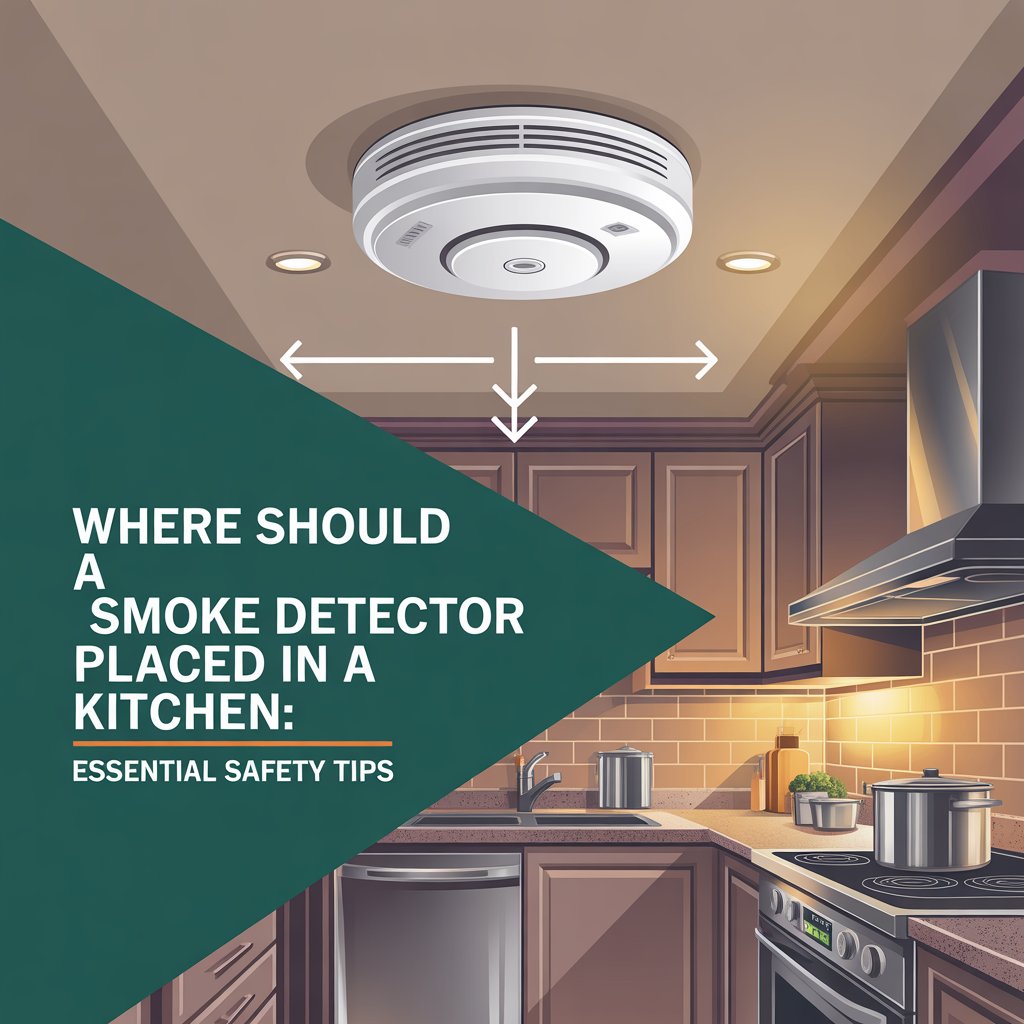
Where Should a Smoke Detector Be Placed in a Kitchen. Your kitchen is one of the busiest places in your home, filled with heat, steam, and delicious smells. But it’s also a spot where fires can start unexpectedly.
So, where should a smoke detector be placed in your kitchen to keep you and your loved ones safe without causing false alarms? Getting this right can make all the difference between early warning and constant frustration. Keep reading to discover the best spots for your smoke detector and how to protect your kitchen effectively.

Credit: www.sdmmag.com
Ideal Smoke Detector Locations
Choosing the right spot for a smoke detector in the kitchen is key to safety. The ideal locations catch smoke early and avoid false alarms. Placement depends on the type of detector and kitchen layout. Proper positioning helps protect your home without causing nuisance alerts.
Ceiling Placement
Smoke rises, so installing detectors on the ceiling works best. Place the detector at least 4 inches away from any wall. Avoid corners where air flow is limited. Center it in the kitchen ceiling for wide coverage. Keep it away from vents or fans that might block smoke.
Wall Placement
If ceiling installation is not possible, mount the detector on the wall. Position it 4 to 12 inches below the ceiling. Choose a spot away from windows and doors. Avoid areas near vents or air conditioners. Make sure smoke can easily reach the detector.
Distance From Cooking Appliances
Keep smoke detectors at least 10 feet from stoves and ovens. This distance reduces false alarms from normal cooking smoke. Avoid placing detectors directly above cooking appliances. Steam and heat can trigger false alerts. Place detectors close enough to detect real fires quickly.

Credit: www.reddit.com
Avoiding False Alarms
False alarms from smoke detectors in kitchens cause frustration and can lead to ignoring real dangers. Proper placement and thoughtful setup help reduce these unwanted alerts. Avoiding false alarms keeps your kitchen safe and your smoke detector effective.
Steering Clear Of Steam And Smoke
Smoke detectors placed too close to cooking areas often sense steam and light smoke. These can trigger false alarms even during normal cooking. Position detectors away from stoves, ovens, and kettles to prevent this. Keep a safe distance of at least 10 feet from cooking appliances.
Use detectors with photoelectric sensors. They respond better to real smoke rather than steam or cooking fumes. Avoid placing detectors directly above cooking surfaces or near windows where drafts carry steam.
Proper Ventilation Considerations
Good kitchen ventilation reduces smoke and steam buildup. Install exhaust fans or range hoods that vent outside. This helps clear air and lowers false alarm risks. Proper airflow moves smoke away from detectors.
Ensure vents do not blow directly toward smoke detectors. Air currents can carry small particles to sensors and cause alarms. Balance airflow so smoke clears quickly without disturbing detector function.
Types Of Smoke Detectors For Kitchens
Choosing the right type of smoke detector for your kitchen is key to balancing safety and avoiding false alarms. Kitchens often produce steam, smoke from cooking, and even burnt toast odors, which can confuse some detectors. Understanding the main types of smoke detectors helps you pick one that stays alert to real dangers without going off every time you cook.
Photoelectric Smoke Detectors
Photoelectric smoke detectors work by shining a light beam inside a sensing chamber. When smoke particles enter, they scatter the light, triggering the alarm. These detectors are better at detecting smoldering fires, which are common in kitchens when food overheats or burns slowly.
They are less likely to go off from cooking smoke or steam, making them a practical choice near your stove or oven. Have you noticed your smoke alarm going off just because you burned some toast? A photoelectric detector might be what you need to avoid those false alarms.
Ionization Smoke Detectors
Ionization detectors detect fast-flaming fires by sensing changes in electrical current caused by smoke particles. They respond quickly to small smoke particles typical of intense, rapid fires. However, they are more sensitive to common kitchen smoke and steam, which can lead to frequent false alarms.
If your kitchen smoke alarm frequently sounds during everyday cooking, an ionization detector might not be the best fit. Consider where you place it carefully if you choose this type since it’s better suited for areas away from cooking appliances.
Combination Alarms
Combination alarms merge photoelectric and ionization technologies into a single device. This dual approach improves detection of both smoldering and fast-flaming fires. These alarms offer comprehensive protection but tend to be more expensive than single-type detectors.
They can reduce the chance of false alarms compared to ionization-only detectors, but placement still matters. Would you prefer one device that covers all fire types, or separate detectors in different areas? Your kitchen setup and cooking habits can guide this choice.
Installation Tips
Proper installation of a smoke detector in the kitchen is essential for safety. Correct placement helps avoid false alarms and ensures early fire detection. Follow these tips to install your smoke detector effectively.
Height And Positioning
Mount the smoke detector on the ceiling for best results. Place it at least 10 feet away from cooking appliances. Avoid installing near windows, doors, or vents to reduce false alarms. Smoke rises, so keep the detector high but away from steam and smoke sources.
Mounting Guidelines
- Use screws and anchors for a secure fit.
- Avoid adhesive mounts that can fall over time.
- Install detectors on flat surfaces to ensure proper function.
- Test the detector after mounting to confirm it works correctly.
Power Source Options
Battery-powered detectors offer easy installation and placement flexibility. Replace batteries every six months to maintain function. Hardwired detectors connect to home electrical systems for constant power. Some models combine hardwired and battery backup for extra security.
Maintenance And Testing
Maintenance and testing of smoke detectors ensure kitchen safety. Regular checks prevent malfunctions and ensure reliability. Proper upkeep is crucial for effective smoke detection. Let's explore essential maintenance steps.
Regular Cleaning
Dust can hinder a smoke detector's function. Clean it monthly to ensure efficiency. Use a vacuum cleaner or soft brush. Gently remove dust and debris. Keep vents clear to avoid false alarms.
Battery Replacement
Change batteries twice a year. Dead batteries can put your safety at risk. Use the daylight saving time change as a reminder. Keep spare batteries on hand. Ensure your detector never runs out of power.
Functional Testing
Test your smoke detector monthly. Press the test button on the device. Listen for the alarm to sound. If it doesn't, replace the batteries or unit. Functional tests confirm operational readiness.
Credit: www.kidde.com
Additional Safety Measures
Additional safety measures in the kitchen reduce fire risks and protect your home. Proper placement of a smoke detector helps, but other steps strengthen safety. These steps prepare you for emergencies and prevent accidents before they happen.
Fire Extinguishers
A fire extinguisher in the kitchen is essential. Keep it near cooking areas but away from heat sources. Choose a Class K extinguisher for grease fires or a multipurpose ABC extinguisher. Check it regularly to ensure it works. Everyone in the home should know how to use it safely.
Emergency Exits
Clear, accessible emergency exits save lives. Keep paths to doors free of clutter. Mark exits clearly, so everyone knows the way out. Practice quick evacuation plans with your family. This reduces panic during a fire and helps everyone escape safely.
Cooking Safety Practices
Safe cooking habits prevent kitchen fires. Never leave cooking food unattended. Use timers to remind you when food is done. Keep flammable items like towels and paper away from the stove. Clean cooking surfaces regularly to avoid grease buildup. Wear tight-fitting clothes to prevent catching fire.
Frequently Asked Questions
Where Is The Best Spot For A Kitchen Smoke Detector?
Place the smoke detector on the ceiling, at least 10 feet from cooking appliances. Avoid placing it too close to prevent false alarms from normal cooking smoke.
Can Smoke Detectors Be Installed Near Kitchen Vents?
No, avoid installing smoke detectors near vents or fans. Airflow can interfere with smoke detection and cause delayed alarms or false triggers.
How High Should A Smoke Detector Be In A Kitchen?
Install smoke detectors on the ceiling or high on the wall, at least 4 inches from the ceiling. This ensures early smoke detection as smoke rises.
Should Smoke Detectors Be Interconnected In Kitchens?
Yes, interconnecting smoke detectors ensures all alarms sound if one detects smoke. This improves safety by alerting everyone in the home promptly.
Conclusion
Placing a smoke detector in the kitchen saves lives and prevents damage. Install it away from cooking smoke to avoid false alarms. Choose a spot near the cooking area but not too close. Regularly check and maintain your smoke detector for best results.
A well-placed detector alerts you early to fire dangers. Safety in the kitchen starts with smart placement of smoke detectors. Keep your home and family safe by following these simple tips.