

Have you ever wondered if wearing an apron in the kitchen is more than just a habit? Is it something you must do by law, or is it simply a personal choice?
Knowing the answer can protect your health, keep your workspace safe, and even help your business avoid costly penalties. You’ll discover the real rules behind aprons in the kitchen and why they might be more important than you think. Keep reading to find out what the law says and how you can stay on the right side of it.
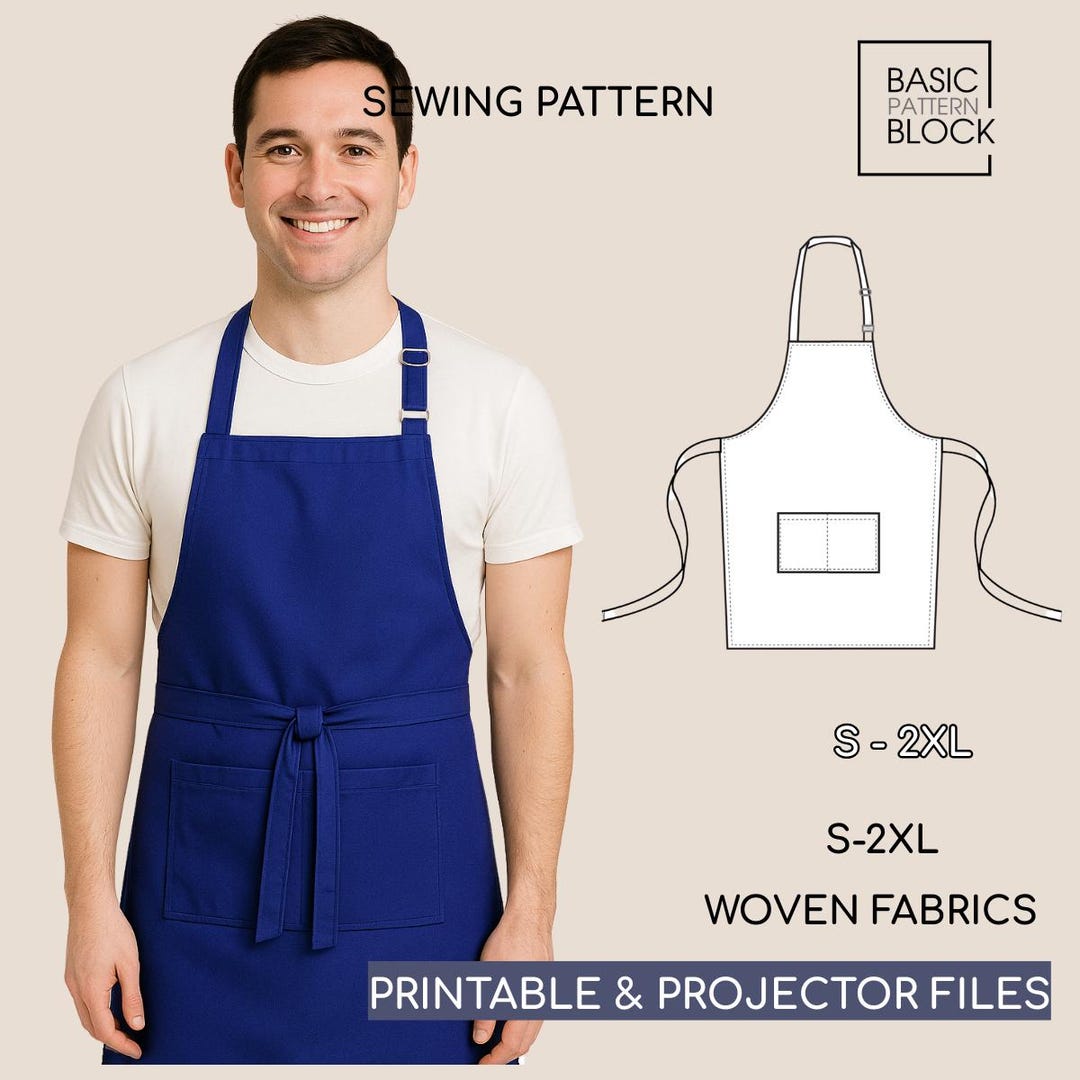
Credit: www.etsy.com
Aprons In Kitchen Safety
Aprons play a crucial role in kitchen safety beyond just being a piece of clothing. They act as a barrier that helps maintain cleanliness and protect both the food and the staff. Understanding their role can help you appreciate why aprons are more than just a uniform accessory.
Role Of Aprons In Hygiene
Aprons help keep your clothes free from food stains and spills, which can carry bacteria and other contaminants. This reduces the risk of cross-contamination between different food items and surfaces.
Imagine handling raw meat and then switching to salad preparation without changing your apron or washing your hands. That’s a recipe for germs spreading easily.
Wearing a clean apron every shift ensures you’re less likely to transfer harmful pathogens. It’s a simple step that protects your customers and maintains high hygiene standards.
Protective Benefits For Staff
Aprons shield your body from hot splashes, sharp utensils, and chemical cleaners. This protection lowers the chance of burns, cuts, and irritations while working in a busy kitchen.
Think about the last time you spilled hot oil or sauce—an apron can absorb or block much of that, preventing serious injury.
Additionally, aprons often come with pockets, allowing you to keep essential tools handy without risking contamination or accidents. This convenience adds to both safety and efficiency in the kitchen.
Legal Standards For Kitchen Attire
Understanding the legal standards for kitchen attire is crucial if you work in or run a kitchen. These standards ensure safety, hygiene, and professionalism, protecting both staff and customers. Knowing what the law requires can help you avoid costly fines and maintain a safe working environment.
Health And Safety Regulations
Health and safety rules often require kitchens to maintain strict hygiene standards. Aprons are commonly mandated as part of protective clothing to prevent contamination of food. These rules focus on reducing risks such as spills, burns, and cross-contamination.
For example, some health authorities specify that aprons must be worn whenever handling raw meat or fish. This helps stop bacteria from spreading to other surfaces or foods. Have you ever noticed staff changing aprons between tasks? That’s a practical step to keep kitchens safe.
Failing to follow these regulations can lead to penalties or even closures. Your best bet is to check local health department guidelines regularly. They often update requirements based on new research or incidents.
Industry-specific Requirements
The need for aprons varies by kitchen type and industry. Restaurants, catering services, and food processing plants might have different rules based on the scale and nature of their operations. For example, a hospital kitchen may require specialized aprons to meet strict medical hygiene standards.
In some industries, aprons must be made from specific materials that resist heat or chemicals. This protects workers from burns or harmful substances. Do you know what apron material your workplace mandates?
Understanding these nuances can save you from unexpected compliance issues. Always ask your employer or check your industry’s official guidelines for detailed apron requirements. Being proactive keeps your kitchen safe and legal.
Regional And National Laws
Apron use in kitchens is often guided by laws that differ by region and country. These rules aim to keep kitchens clean and safe. Understanding these laws helps kitchen staff and business owners comply with health standards. The requirements can vary widely depending on the local authority and national regulations.
Variations Across Countries
Each country sets its own rules about apron use in kitchens. Some countries require aprons for all food handlers. Others leave apron use as a recommendation, not a must. These differences depend on the country's health and safety culture.
For example, in some European countries, aprons are mandatory in commercial kitchens. In the United States, apron use is often part of broader hygiene regulations. Some Asian countries focus more on handwashing than apron rules. Knowing local laws is key for kitchens operating internationally.
Local Health Department Rules
Local health departments enforce apron regulations closely. These departments conduct inspections to check apron use. They may require clean aprons to prevent cross-contamination. Rules can also include apron material and cleanliness standards.
Some health departments provide detailed guidelines on apron use. Others include aprons in general hygiene requirements. Kitchen staff must follow these rules to avoid fines or closures. Staying updated with local rules ensures smooth kitchen operations.
Employer Responsibilities
Employers in the kitchen industry carry crucial responsibilities. Ensuring a safe and compliant work environment is key. This involves providing appropriate kitchen attire, including aprons. Employers must also ensure staff understand and adhere to safety protocols. Let's explore how employers can meet these obligations effectively.
Providing Proper Kitchen Gear
Employers must supply workers with the right kitchen gear. This includes aprons, gloves, and non-slip shoes. These items protect staff from spills and burns. They also help maintain cleanliness and hygiene in the kitchen. Ensuring the gear is of good quality is essential. It should withstand the rigors of a busy kitchen.
Training And Compliance
Training is crucial for kitchen staff. Employers must provide comprehensive safety training. This includes how to use kitchen gear properly. Staff should know the importance of wearing aprons and other protective items. Regular training sessions help reinforce these practices. Employers should also monitor compliance. Ensuring staff follow safety protocols is vital. This minimizes accidents and promotes a safe work environment.
Consequences Of Non-compliance
Ignoring apron use in the kitchen can lead to serious consequences that affect both health and legal standing. You might think skipping this simple garment saves time, but the risks far outweigh the convenience. Understanding these consequences helps you make better decisions about kitchen safety.
Health Risks And Contamination
Aprons act as a barrier between your clothes and food. Without them, bacteria and dirt from your clothing can easily transfer to food, increasing the risk of contamination. This can cause foodborne illnesses that put your customers or family at risk.
Consider how often clothes pick up germs throughout the day. If you don’t wear an apron, those germs can end up in the meals you prepare. Have you ever thought about how many times your sleeves brush against raw meat or dirty surfaces?
Wearing an apron helps reduce cross-contamination, protecting both you and those eating your food. Skipping it invites unnecessary health hazards that could have been easily avoided.
Legal Penalties And Fines
Many food safety regulations require protective clothing like aprons in professional kitchens. Failing to comply can lead to inspections, warnings, or even hefty fines. These legal consequences can hurt your business reputation and finances.
Imagine losing a client because your kitchen was flagged for poor hygiene practices. The cost of a fine might be small compared to the damage to your credibility. Are you ready to risk that over something as simple as wearing an apron?
In some cases, repeated non-compliance can lead to closure orders or legal action. Taking apron use seriously is a practical step toward avoiding these issues and keeping your kitchen running smoothly.

Credit: zegaapparel.com
Best Practices For Kitchen Apparel
Kitchen apparel plays a crucial role in maintaining hygiene and safety standards. Wearing the right apron can protect you from spills, burns, and contamination. Understanding how to choose and care for your apron helps you stay comfortable and compliant while cooking.
Choosing The Right Apron Materials
Not all apron materials are created equal. Cotton aprons are breathable and absorbent, making them perfect for long cooking sessions. However, they can stain easily and may not protect well against liquids.
Polyester aprons resist stains and dry quickly but might feel less comfortable in hot kitchens. A blend of cotton and polyester can offer a good balance of comfort and durability. Think about your kitchen environment—are you dealing mostly with wet spills or dry heat?
For heavy-duty cooking, consider aprons with waterproof coatings or leather aprons that provide extra protection from grease and hot splashes. Choosing the right material means fewer accidents and more focus on your culinary tasks.
Maintaining Cleanliness And Replacement
Keeping your apron clean is essential to prevent cross-contamination. Wash your apron after every use using hot water to kill germs effectively. Avoid using bleach on colored aprons as it can weaken the fabric and cause discoloration.
Inspect your apron regularly for wear and tear. Small holes or frayed edges might seem minor, but they reduce the apron’s protective function. When your apron no longer keeps stains or liquids off effectively, it’s time to replace it.
Have you ever worn a stained apron and felt less confident while cooking? Clean and well-maintained aprons not only protect you but also boost your professionalism in the kitchen. Keep a spare apron handy to avoid last-minute scrambles before cooking sessions.

Credit: zegaapparel.com
Frequently Asked Questions
Are Aprons Legally Required In Commercial Kitchens?
Aprons are often required by health and safety regulations in commercial kitchens. They protect against contamination and maintain hygiene standards. Specific rules vary by country and local laws. Employers must ensure staff wear aprons when handling food to comply with legal and safety guidelines.
Do Health Codes Mandate Apron Use In Restaurants?
Many health codes mandate apron use to prevent cross-contamination and ensure cleanliness. Aprons act as a barrier between clothing and food. Compliance with these codes helps avoid fines and health violations. Always check local health department regulations for precise apron requirements.
Can Kitchen Aprons Prevent Food Contamination?
Yes, aprons prevent food contamination by keeping clothing germs away from food. They reduce the risk of bacteria transfer during food preparation. Wearing aprons is a simple, effective hygiene practice in kitchens, enhancing overall food safety for customers and staff.
Are Aprons Mandatory For Home Kitchen Cooks?
Aprons are not legally mandatory in home kitchens. However, they are recommended to maintain cleanliness and protect clothing. Home cooks benefit from using aprons to prevent stains and reduce the spread of germs during food preparation.
Conclusion
Aprons may not always be a strict legal need in kitchens. Still, they help keep clothes clean and protect from spills. Many health rules suggest using aprons to keep food safe. Wearing one shows care for hygiene and safety. It also helps prevent accidents and contamination.
So, while not always required by law, aprons are smart to wear. They make kitchens safer and cleaner for everyone. Think of aprons as a simple tool that helps cooks work better.