
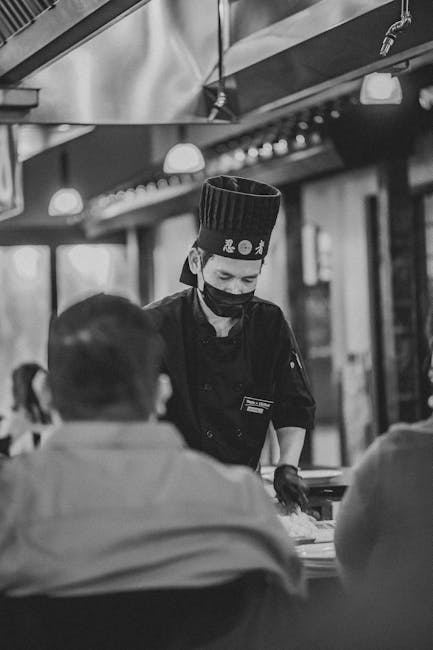
Are you wondering if kitchen staff really need to wear masks? Whether you run a restaurant or just want to know what’s best for your food safety, this question matters more than you might think.
Masks can impact hygiene, comfort, and even customer trust. Keep reading to discover the important reasons behind mask rules in kitchens, and what you should know to keep your kitchen safe and efficient. Don’t miss out—this could change how you think about kitchen safety forever.

Credit: hqtoronto.ca
Mask Mandates In Kitchens
Mask mandates in kitchens play a key role in food safety and worker health. These rules help stop germs from spreading during food preparation. Understanding the current mask requirements helps kitchens stay safe and compliant.
Current Regulations
Health authorities often require kitchen staff to wear masks. This rule helps reduce the spread of airborne germs. Masks protect both employees and customers. Some regulations focus on specific situations, like during illness outbreaks. Rules may change with new health updates.
Variations By Region
Mask rules vary widely depending on the location. Some areas have strict mandates, while others have relaxed rules. Local health departments set these standards based on infection rates. Climate and ventilation systems also affect mask guidelines. Kitchen managers must check regional laws regularly.
Workplace Policies
Many kitchens set their own mask policies beyond legal requirements. These rules can include mask types and when to wear them. Employers may require masks during peak hours or close contact tasks. Staff training on mask use is common. Clear policies help maintain a safe work environment.

Credit: www.safetyandhealthmagazine.com
Health Benefits Of Masks
Wearing masks in the kitchen is not just about following rules; it directly impacts health and safety. Masks serve as a barrier that helps reduce the spread of germs and contaminants in food preparation areas. Understanding the health benefits of masks can help you see why they are essential for kitchen staff.
Preventing Contamination
Kitchens are busy environments where food passes through many hands. Masks help stop saliva droplets from reaching food, cutting down the chance of contamination.
Imagine preparing a fresh salad. Without a mask, tiny droplets from a cough or sneeze can land on the greens, potentially spreading illness. Wearing a mask creates a physical block, keeping your food safer for customers.
This simple action can prevent foodborne illnesses and keep your kitchen’s hygiene standards high. Are you confident that your current practices protect your dishes from invisible contaminants?
Protecting Staff And Customers
Mask-wearing protects not only the customers but also your kitchen staff. It reduces the risk of catching or spreading respiratory infections during close teamwork.
Think about a tight kitchen during peak hours. Staff work close together, sharing equipment and space. Masks lower the chance of illness spreading among your team, keeping everyone healthier and work running smoothly.
By wearing masks, you help create a safer workspace. This means fewer sick days and more consistent service. How often do you consider the impact of health safety on your team’s performance and morale?
Challenges Of Mask Wearing
Wearing masks in the kitchen brings several challenges for staff. These challenges affect daily tasks and overall comfort. Understanding these issues helps create better workplace solutions.
Comfort And Breathability
Kitchens are hot and busy places. Masks can make breathing feel harder. Staff may feel hot and sweaty under masks. This discomfort can lower energy and focus. Masks with poor breathability add to the problem. Staff might touch their faces more often to adjust masks. This can increase contamination risks.
Communication Barriers
Clear communication is key in kitchens. Masks cover mouths and muffle voices. It becomes harder to hear and understand instructions. Non-verbal cues like smiles or lip reading get lost. This can cause mistakes or delays in food preparation. Staff often need to repeat themselves, slowing down work.
Alternatives And Enhancements
In the dynamic environment of a kitchen, safety and hygiene are top priorities. While masks have been standard, some kitchen staff seek alternatives and enhancements that maintain safety without compromising comfort. Let's explore some options that can make a difference in your kitchen.
Face Shields
Face shields offer a practical alternative to masks. They cover the entire face, providing a barrier against splashes and droplets. Many find them more breathable and less restrictive, which is crucial during long shifts.
Imagine a busy kitchen where communication is key. With face shields, staff can read each other's facial expressions, improving teamwork and efficiency. Plus, they can be easily sanitized between shifts, ensuring hygiene.
Improved Ventilation
Air quality is vital in any kitchen setting. Improved ventilation systems can significantly reduce airborne particles, creating a safer environment for everyone. It’s a smart investment that pays off in health and comfort.
Have you ever noticed how fresh air can instantly change your mood and energy levels? Enhanced ventilation does that and more, reducing heat and odors, making the kitchen a more pleasant place to work. Consider upgrading your system to support your team better.
Enforcing Safety Rules
Enforcing safety rules in kitchens is vital to protect both staff and customers. Proper enforcement ensures that mask-wearing policies are followed strictly. This reduces the risk of spreading germs and keeps the environment clean. Clear guidelines and consistent actions help maintain a safe workplace.
Training And Awareness
Training kitchen staff on mask use is the first step. Staff must understand why masks are important. Explain how masks prevent contamination and protect health. Use simple language and clear examples during training sessions. Regular refreshers keep the message strong and clear. Visual aids like posters help remind staff about mask rules.
Monitoring Compliance
Supervisors should watch kitchen staff to ensure mask use. Check that masks cover both nose and mouth properly. Use gentle reminders if someone forgets or wears masks incorrectly. Regular checks create a culture of safety and responsibility. Tracking compliance helps identify areas needing more attention or training.
Impact On Kitchen Operations
The requirement for kitchen staff to wear masks can significantly influence daily operations. It affects how tasks are performed, how staff interact, and ultimately, the overall atmosphere in the kitchen. Understanding these impacts helps you manage your team and workflow more effectively.
Efficiency Considerations
Wearing masks can sometimes slow down communication among kitchen staff. Masks muffle voices and hide facial expressions, making it harder to quickly exchange instructions or warnings.
However, many kitchens adapt by using clear masks or hand signals to keep efficiency high. Some chefs report that after a short adjustment period, the impact on speed and accuracy becomes minimal.
Have you noticed any changes in your kitchen’s pace when masks are worn? Tracking these shifts can help you decide if additional training or tools are needed.
Staff Morale
Mask mandates can affect how your team feels about their work environment. Some staff might find masks uncomfortable, especially during long shifts in hot kitchens.
On the other hand, masks can make employees feel safer, which may boost confidence and reduce stress about health risks. This safety feeling can improve focus and job satisfaction.
Checking in regularly with your team about their comfort and concerns can reveal if masks help or hinder morale. What small changes could you make to support your staff better while keeping safety a priority?
Frequently Asked Questions
Are Kitchen Staff Legally Required To Wear Masks?
Mask requirements for kitchen staff depend on local health regulations. Many regions mandate masks to prevent contamination and ensure safety. Employers often enforce mask policies to comply with food safety standards and protect both staff and customers.
Why Should Kitchen Staff Wear Masks During Food Preparation?
Wearing masks helps reduce the spread of germs and contaminants. Masks protect food from respiratory droplets, ensuring hygiene. This practice is crucial in maintaining food safety and preventing foodborne illnesses in kitchens.
How Do Masks Improve Kitchen Hygiene And Safety?
Masks prevent saliva and droplets from contaminating food and surfaces. They act as a barrier, reducing the risk of cross-contamination. This enhances overall kitchen cleanliness and protects both staff and consumers.
Are There Exceptions When Kitchen Staff Don’t Need Masks?
Some jurisdictions allow mask removal when staff work alone or maintain distance. In well-ventilated kitchens or with protective barriers, mask rules may be relaxed. However, compliance depends on specific local health guidelines.
Conclusion
Wearing masks in the kitchen helps keep food safe and clean. It protects both staff and customers from germs. Many places still require masks for health reasons. Staff should follow local rules and restaurant policies. Masks also show care and respect for others.
Staying safe supports a healthy work environment. This simple step can prevent illness and keep business running. Safety matters, especially where food is prepared. Masks are an easy way to help everyone stay healthy.