
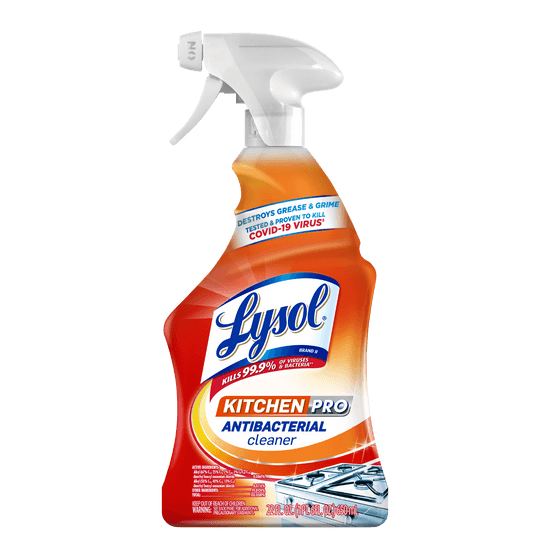
Are you wondering if you can safely use Lysol Kitchen Cleaner on your beautiful granite countertops? You want your kitchen to be spotless, but also worry about damaging the natural stone that adds so much value and style to your home.
Using the wrong cleaner could dull or even ruin your granite surface. You’ll discover the facts about Lysol Kitchen Cleaner and whether it’s the right choice for your granite. Keep reading to protect your investment and keep your kitchen shining like new.

Credit: phillyhealth.org
Lysol Kitchen Cleaner Ingredients
Lysol Kitchen Cleaner contains several ingredients designed to clean and disinfect kitchen surfaces. Understanding these ingredients helps you decide if it is safe for your granite countertops.
The cleaner has a mix of chemicals that remove grease, dirt, and bacteria. Some ingredients can be harsh on natural stone like granite. Knowing what is inside helps prevent damage.
Lysol Kitchen Cleaner Main Ingredients
- Water – Acts as a solvent for other ingredients
- Surfactants – Help break down grease and dirt
- Alcohol – Provides disinfecting properties
- Fragrance – Adds scent to the product
- Preservatives – Keep the formula stable and effective
- pH Adjusters – Control acidity or alkalinity
Potentially Harmful Ingredients For Granite
- Acids – Can etch or dull granite surfaces
- Ammonia – May cause discoloration or damage
- Bleach – Can weaken sealants on granite
- Abrasives – Scratch the polished surface
Why Ingredient Knowledge Matters
Granite is a natural stone that requires gentle care. Some cleaning agents can erode the surface or remove the protective seal.
Checking ingredients helps you avoid cleaners with acids or bleach. Using the wrong cleaner can lead to stains, dullness, or cracks.
Granite Surface Characteristics
Granite is a popular choice for kitchen countertops. Its natural beauty and durability attract many homeowners. Understanding granite surface characteristics helps in choosing the right cleaning methods. Granite is a natural stone made from quartz, feldspar, and mica. These minerals give granite its unique patterns and colors.
Granite surfaces are hard and dense, but they are not completely impervious. They have tiny pores that can absorb liquids and stains. This makes sealing granite important to protect it from damage. Granite is heat-resistant and can handle hot pots and pans without damage. However, it can chip or crack if hit hard.
Porosity And Sealing
Granite's pores can absorb water, oils, and other liquids. Sealing granite fills these pores and creates a protective barrier. Sealing should be done regularly to keep granite safe from stains. Without sealing, liquids can seep in and cause discoloration or damage.
Surface Hardness
Granite is one of the hardest natural stones. It resists scratches better than many other surfaces. Still, sharp objects can scratch or chip granite if used carelessly. Use cutting boards to protect the surface from damage.
Resistance To Heat And Chemicals
Granite can resist heat well. Placing hot pots directly on granite usually causes no harm. Strong acids or harsh chemicals can harm granite’s seal and surface. Avoid using cleaners with bleach, ammonia, or acidic ingredients. Gentle, pH-balanced cleaners are safer for granite.
Potential Risks Of Using Lysol On Granite
Using Lysol Kitchen Cleaner on granite surfaces can cause several problems. Granite is a natural stone that needs gentle care. Harsh chemicals in Lysol can harm this delicate material. Understanding these risks helps protect your granite countertops and keep them looking great.
Surface Damage
Lysol contains strong chemicals that can wear down granite's surface. It may cause small scratches or etching. Over time, these damages can become more visible. The cleaner might also strip away the protective sealant on granite. This leaves the stone vulnerable to stains and moisture.
Loss Of Shine
Granite has a natural shine that makes it attractive. Using Lysol can dull this shine quickly. The acidic ingredients in Lysol break down the polished layer. This results in a cloudy or matte finish. Restoring the shine often requires professional polishing.
Chemical Reactions
Granite reacts with acidic or alkaline cleaners like Lysol. These reactions can cause discoloration or spots on the stone. Some chemicals might cause the surface to become rough or uneven. These changes are often permanent and hard to fix. Safe granite cleaners avoid these harsh chemical reactions.
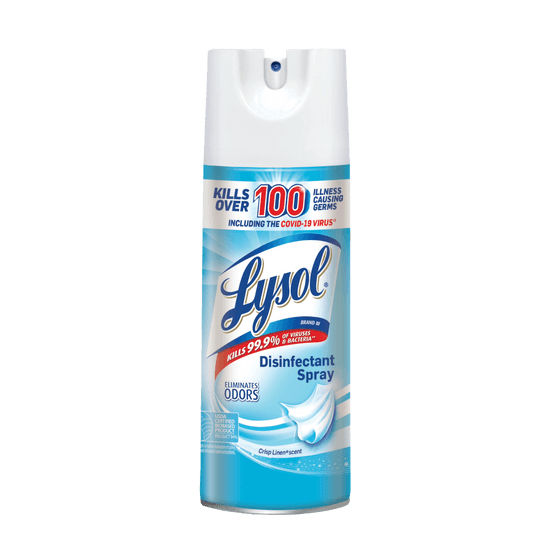
Credit: www.lysol.com
Safe Cleaning Alternatives For Granite
Lysol Kitchen Cleaner can harm granite surfaces due to its strong chemicals. Choose mild soap and water or granite-specific cleaners to keep your stone safe. Regular gentle cleaning helps maintain granite’s shine without damage.
When it comes to maintaining the pristine beauty of your granite countertops, choosing the right cleaner is essential. While products like Lysol Kitchen Cleaner are popular for various surfaces, they might not be the best choice for granite. The wrong cleaner can damage your countertop's sealant, dulling its natural shine. So, what are the safe alternatives for cleaning granite? Let's dive into some effective options.
Ph-neutral Cleaners
Granite is a natural stone, sensitive to acidic and abrasive substances. Using a pH-neutral cleaner ensures that the surface remains unblemished and the sealant stays intact. Look for products specifically labeled as pH-neutral, which are readily available in most stores. These cleaners gently remove grime without harming your precious stone.
Homemade Solutions
Sometimes, the best solutions are right in your pantry. A simple mix of mild dish soap and warm water can work wonders. Mix a few drops of dish soap with water in a spray bottle, and you have an effective cleaner. This budget-friendly solution is gentle yet effective, leaving your granite sparkling clean.
Commercial Granite Cleaners
If you're looking for something specifically tailored for granite, commercial granite cleaners are your best bet. These products are formulated to clean and protect the stone's finish. Brands like Granite Gold and Weiman are popular choices, offering products that enhance the stone's natural luster. Always read the label to ensure compatibility with your granite. By choosing the right cleaning alternative, you're not just maintaining your granite's appearance; you're extending its lifespan. What methods have you found effective for cleaning granite? Share your experiences and tips to help others keep their stone surfaces immaculate.
Tips For Maintaining Granite Countertops
Maintaining granite countertops keeps them beautiful and durable for years. Simple care steps protect the stone’s natural shine and prevent damage. Follow practical tips to make your granite last longer and stay clean.
Regular Cleaning Routine
Use a soft cloth or sponge for daily cleaning. Warm water and mild dish soap work well. Avoid abrasive scrubbers that can scratch the surface. Wipe spills quickly to prevent stains. Dry the countertop with a clean towel after cleaning.
Sealing Frequency
Granite needs sealing to stay stain-resistant. Test by placing a few drops of water on the surface. If the water absorbs quickly, it’s time to seal. Usually, sealing every 1 to 2 years is enough. Follow the sealer’s instructions for best results.
Avoiding Harsh Chemicals
Harsh cleaners can dull or damage granite. Stay away from bleach, ammonia, and acidic cleaners. Lysol Kitchen Cleaner may harm the stone’s finish. Instead, use granite-specific cleaners or mild soap solutions. Protect your investment with gentle products only.
When To Contact A Professional
Knowing when to contact a professional is important for maintaining granite countertops. Some problems need expert care to avoid damage. Professionals have the right tools and knowledge to fix issues safely. Acting too late or using the wrong cleaning product can worsen the problem. Below are signs to watch for that mean it is time to seek help.
Visible Stains That Do Not Come Off
Stubborn stains on granite may need special treatment. If regular cleaning fails to remove marks, a professional can identify the cause. They use safe products that do not harm the stone.
Deep Scratches Or Chips
Scratches or chips can weaken granite surfaces. Professionals can repair these defects to restore the countertop’s look and durability. DIY fixes may cause more damage or leave marks.
Discoloration After Using Harsh Cleaners
Using the wrong cleaner can discolor granite. If you notice color changes after using Lysol or other products, call an expert. They can assess the damage and suggest restoration options.
Sealing And Polishing Needs
Granite requires regular sealing to stay protected. If your countertop looks dull or feels rough, a professional can reseal and polish it. This extends the life of the surface.
Water Damage Or Etching
Water spots and etching can happen if acidic substances sit too long. Professionals can repair these areas and prevent further damage. Quick expert help keeps granite looking new.

Credit: www.amazon.in
Frequently Asked Questions
Can Lysol Kitchen Cleaner Damage Granite Surfaces?
Lysol Kitchen Cleaner may harm granite due to its acidic ingredients. It can dull or etch the stone’s surface. Use pH-neutral cleaners specifically designed for granite to protect your countertops and maintain their shine.
Is Lysol Kitchen Cleaner Safe For Granite Countertops?
Lysol Kitchen Cleaner is not recommended for granite. Granite requires gentle, non-abrasive cleaners. Using Lysol might strip sealants and cause surface damage over time. Opt for granite-safe cleaning products to preserve durability and appearance.
How Should I Clean Granite Countertops Safely?
Use a mild dish soap diluted in warm water or a granite-specific cleaner. Avoid acidic or abrasive cleaners like Lysol. Wipe with a soft cloth and dry to prevent streaks and maintain the stone’s natural beauty.
Can Lysol Disinfect Granite Surfaces Effectively?
While Lysol disinfects, its ingredients can harm granite’s finish. Disinfecting granite is best done with products labeled safe for natural stone. Always test cleaners on a small area before full application to avoid damage.
Conclusion
Using Lysol Kitchen Cleaner on granite is not safe for the stone. It can damage the surface and dull its shine. Granite needs gentle cleaners made for natural stone. Always choose products labeled safe for granite. Regular care keeps your countertop looking fresh and strong.
Avoid harsh chemicals to protect its beauty. Simple soap and water work well for daily cleaning. Protect your granite with the right choice. Keep your kitchen countertop safe and beautiful every day.