
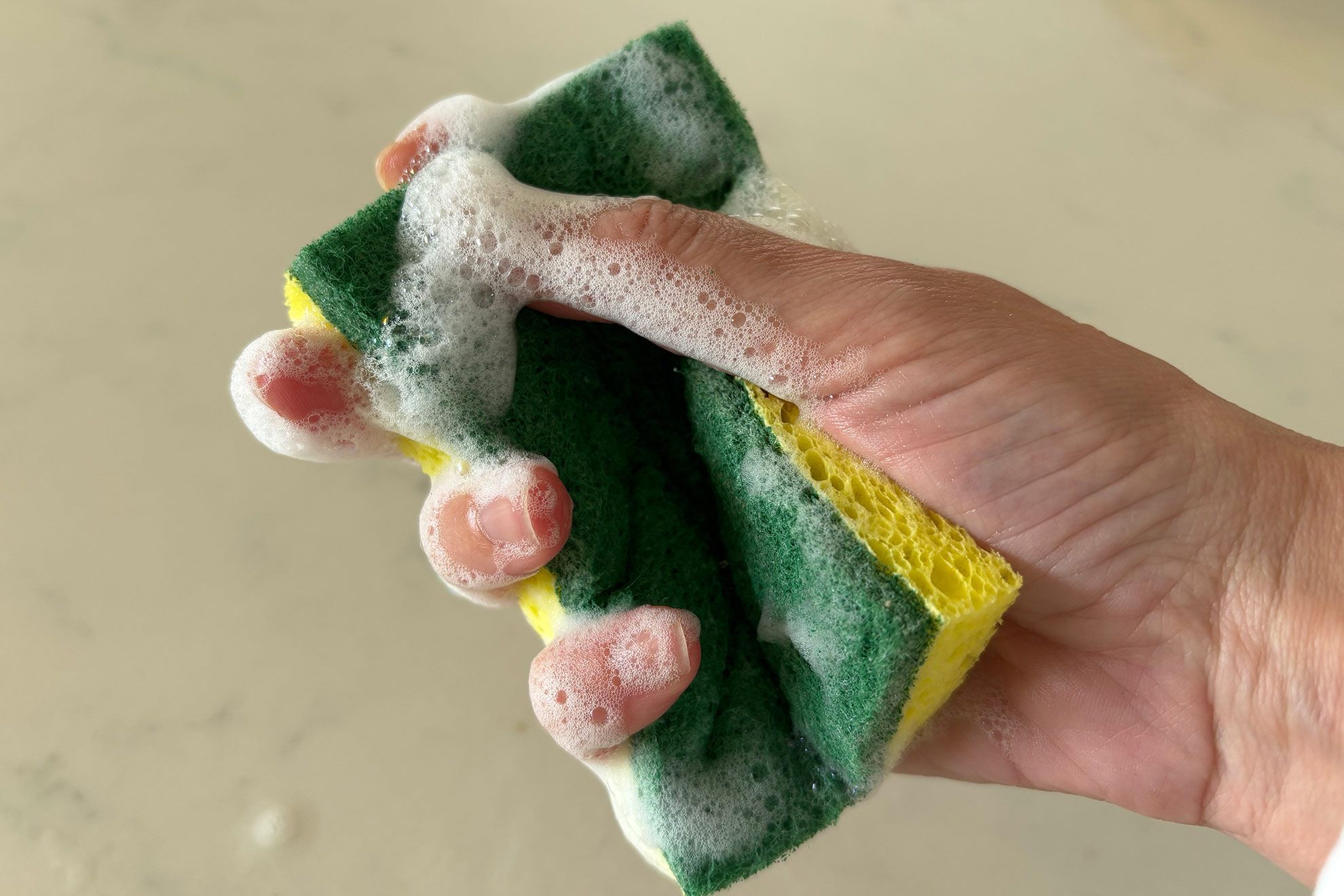
Your kitchen sponge is one of the busiest tools in your home. You use it every day to clean dishes, wipe counters, and tackle spills.
But have you ever stopped to think about how often you should change it? Using the same sponge for too long can turn it into a breeding ground for germs and bacteria. You'll discover the best timing to swap out your kitchen sponge to keep your kitchen clean and your family safe.
Keep reading to learn simple tips that can make a big difference in your daily hygiene.
Why Replace Kitchen Sponges Regularly
Keeping your kitchen sponge fresh is more important than you might think. Over time, sponges become a breeding ground for germs and dirt, which can affect your health and the cleanliness of your kitchen. Understanding why you should replace your kitchen sponge regularly helps you maintain a safer cooking environment.
Bacteria Growth Risks
Kitchen sponges are often damp and filled with food particles, creating the perfect environment for bacteria to multiply. Studies have shown that sponges can harbor more bacteria than a toilet seat. If you don't replace your sponge often, you're essentially spreading germs around your kitchen.
Think about the last time you used a sponge that smelled funny or looked worn out. That’s a sign bacteria are thriving inside it. Regular replacement cuts down on these risks and keeps your kitchen surfaces cleaner.
Health Implications
Using a dirty sponge can expose you and your family to harmful bacteria like E. coli and Salmonella. These bacteria can cause food poisoning and other infections. Even if you rinse your sponge well, many germs remain hidden deep inside.
Swapping out your sponge regularly can reduce the chances of cross-contamination. It’s a simple step that helps protect your health without extra effort.
Signs Your Sponge Needs Changing
How do you know when it’s time to toss your kitchen sponge? Here are clear signs to watch for:
- Bad odor:A foul smell means bacteria are thriving.
- Fraying or falling apart:When the sponge starts to break down, it can’t clean effectively.
- Discoloration:Stains that don’t wash away signal buildup of germs.
- Frequent use:If you use the same sponge daily, changing it every one to two weeks is best.
Have you ever considered how often you actually change your sponge? Paying attention to these signs can keep your kitchen safer and your cleaning more effective.

Credit: www.absolutesolutions.com.sg
Recommended Sponge Replacement Frequency
Knowing how often to replace kitchen sponges helps keep your kitchen clean and safe. Sponges collect bacteria and dirt over time. Replacing them regularly stops germs from spreading. The right replacement frequency depends on how you use the sponge and expert advice. Here’s a guide to help you decide when to swap out your sponge.
Daily Use Considerations
Using a sponge every day means it wears out fast. Sponges get wet and dirty after each use. Change sponges at least once a week for daily use. If the sponge smells bad or looks damaged, replace it immediately. Washing sponges in the dishwasher does not kill all germs. Fresh sponges keep your kitchen healthier and reduce bad odors.
Different Uses, Different Lifespans
Sponges used for light cleaning last longer than heavy-duty ones. For example, sponges used only for wiping counters can last two weeks. Sponges used for washing dishes or cutting boards need replacing every few days. Avoid using the same sponge for raw meat and vegetables. Different tasks affect how quickly a sponge becomes unsafe.
Expert Guidelines
Health experts recommend changing sponges every one to two weeks. Some suggest replacing kitchen sponges twice a week in busy homes. Experts warn about bacteria buildup in sponges left wet for long. Using multiple sponges for different tasks also helps reduce contamination. Follow expert advice to keep your kitchen safe and clean.
Tips To Extend Sponge Life
Kitchen sponges should be replaced every one to two weeks to avoid bacteria buildup. Rinsing and drying sponges after use helps them last longer. Regularly disinfecting sponges can also keep them cleaner between changes.
Extending the life of your kitchen sponge not only saves you money but also reduces waste. By adopting a few simple practices, you can keep your sponges fresh and functional for longer. Below are some practical tips to help you make the most out of your kitchen sponges.
Proper Cleaning Techniques
To keep your sponge clean, regularly sanitize it to kill bacteria. A quick and effective way is by microwaving a damp sponge for about a minute. Remember to ensure the sponge is wet to avoid any fire hazard. Another method is to soak the sponge in a mixture of water and a few tablespoons of vinegar or bleach for five minutes. This not only cleans but also deodorizes the sponge, leaving it fresh.
Drying And Storage
A wet sponge is a breeding ground for bacteria. Always squeeze out excess water and store it in a well-ventilated area to dry completely. A rack or a holder that allows air circulation is ideal. Avoid leaving the sponge in the sink or a closed container. This traps moisture and accelerates bacterial growth.
Using Alternative Cleaning Tools
Consider rotating between sponges and alternative cleaning tools like dishcloths or scrub brushes. These can be easier to clean and often last longer. Dishcloths can be washed in the washing machine, and scrub brushes can be easily rinsed and dried. This rotation reduces wear and tear on your sponges, extending their lifespan. By following these tips, you not only maintain hygiene but also ensure your kitchen sponges serve you longer. What changes will you make today to keep your sponges in top shape?

Credit: www.taste.com.au
Hygiene Best Practices In The Kitchen
Keeping your kitchen clean helps stop germs from spreading. Good hygiene protects your family from illnesses. It also makes cooking safer and more pleasant.
Small daily habits in the kitchen improve overall cleanliness. These habits include cleaning surfaces, washing hands, and sanitizing tools. Following these steps helps reduce bacteria and keeps your kitchen fresh.
Regular Surface Cleaning
Clean kitchen surfaces after each use. Use warm water and soap or a disinfectant spray. Wipe countertops, cutting boards, and tables carefully. This stops germs from building up. Avoid letting spills sit for too long.
Handwashing Habits
Wash your hands often with soap and water. Do this before cooking, after handling raw food, and after using the bathroom. Scrub for at least 20 seconds. Dry hands with a clean towel or air dryer. This simple step cuts down on bacteria transfer.
Sanitizing Kitchen Tools
Sanitize kitchen tools like knives, cutting boards, and sponges regularly. Use hot water or a bleach solution for deep cleaning. Replace sponges every one to two weeks to avoid germs. Keep tools dry when not in use to prevent bacteria growth.
Choosing The Right Sponge
Choosing the right kitchen sponge can make a big difference in how clean and safe your kitchen stays. Not all sponges are created equal, and picking the right type depends on your cleaning needs and personal preferences. Let’s look at some important factors to help you make the best choice for your kitchen routine.
Material Types
Kitchen sponges come in various materials, each suited for different tasks. Traditional cellulose sponges absorb well and are great for wiping surfaces, but they can hold onto bacteria if not replaced often.
On the other hand, synthetic sponges often include scrubbing layers for tougher messes, but they might wear out faster. Consider what you clean most often—delicate dishes or stubborn grime—to decide which material fits your needs.
Antibacterial Options
Some sponges come treated with antibacterial agents designed to reduce germs between uses. These can be helpful if you want extra protection without changing sponges daily.
However, keep in mind that antibacterial sponges still need regular replacement, as they don’t eliminate all bacteria completely. Would you feel more comfortable knowing your sponge fights germs actively, or would you prefer changing it more often instead?
Eco-friendly Choices
If you’re concerned about the environment, eco-friendly sponges offer a better option. Made from natural materials like cellulose or coconut fibers, they break down faster and reduce plastic waste.
Using biodegradable sponges doesn’t mean sacrificing cleaning power; many are just as effective as synthetic ones. Have you tried swapping your usual sponge for a greener alternative to see how it performs?

Credit: www.absolutecleaning.com.sg
Frequently Asked Questions
How Often Should Kitchen Sponges Be Replaced?
Kitchen sponges should be replaced every 1 to 2 weeks. Frequent use causes bacteria buildup, making them unhygienic. Regular replacement helps maintain cleanliness and prevents cross-contamination in your kitchen.
Can Kitchen Sponges Be Sanitized Instead Of Replaced?
Yes, sponges can be sanitized using microwaving or soaking in bleach solution. However, sanitizing only reduces bacteria temporarily. Frequent replacement is still recommended for optimal hygiene and safety.
What Are Signs That A Kitchen Sponge Needs Changing?
If your sponge smells bad, feels slimy, or falls apart, it’s time to replace it. These signs indicate bacteria growth and deterioration, which can spread germs in your kitchen.
Does Using A Dishwasher Clean Kitchen Sponges Effectively?
Running sponges through a dishwasher can kill some bacteria but may not eliminate all germs. It’s a helpful method but should not replace regular sponge replacement.
Conclusion
Kitchen sponges get dirty fast and can spread germs. Change them every one to two weeks. If the sponge smells bad or looks worn, replace it sooner. Keeping a clean sponge helps keep your kitchen safe. Regularly washing your hands and cleaning surfaces also reduces bacteria.
Small habits make a big difference in kitchen hygiene. Stay mindful and keep your kitchen healthy and fresh.