

Your kitchen floor sees a lot of action every day—spills, crumbs, and dirt all find their way onto it. But how often should you mop to keep it truly clean and safe?
If you’re unsure whether you’re cleaning too much or not enough, you’re not alone. Finding the right balance is key to maintaining a fresh kitchen without wasting time or effort. Keep reading to discover the simple, effective routine that will keep your kitchen floor spotless and your home healthier.
Credit: www.housework.com
Importance Of Kitchen Floor Cleaning
Cleaning the kitchen floor is more than just a chore. It keeps your kitchen safe and pleasant. Dirt and spills can build up quickly in this busy area. Regular mopping stops grime from settling in. It helps maintain a fresh and clean cooking space.
Health And Hygiene Benefits
A clean kitchen floor reduces germs and bacteria. Food crumbs and spills attract pests like ants and cockroaches. These pests carry diseases and contaminate food. Mopping removes harmful bacteria and stops illness. It also prevents mold and mildew growth. This creates a healthier environment for your family.
Preventing Stains And Damage
Spills can cause stains and sticky patches on the floor. If left too long, they damage the surface. Acidic foods like lemon juice can erode tile grout or wood finish. Regular mopping removes spills before they cause harm. It keeps floors looking new and shiny. Proper care extends the life of your flooring.
Factors Affecting Mopping Frequency
Mopping frequency depends on several factors. These factors influence how quickly your kitchen floor gets dirty. Understanding them helps keep your floor clean and safe.
Household Size And Activity Level
Bigger families usually need more frequent mopping. More people mean more dirt, spills, and crumbs. Active households with kids or frequent guests also increase floor mess. High traffic areas get dirty faster and need regular cleaning.
Type Of Flooring
Different floors need different care. Tile and vinyl floors handle frequent mopping well. Hardwood floors require gentle cleaning and less water. Stone floors might need special cleaners. Knowing your floor type helps avoid damage and keeps it clean.
Presence Of Pets
Pets bring extra dirt and hair inside. They may track mud or food crumbs on the floor. Pet accidents require immediate cleaning to avoid stains and odors. Homes with pets often need more frequent mopping to stay fresh.
Cooking Habits
Cooking style affects floor mess. Frying or baking can cause grease and spills. Frequent cooking means more crumbs and stains on the floor. Clean spills quickly to avoid sticky or slippery surfaces.
Recommended Mopping Schedules
Setting a clear schedule for mopping your kitchen floor helps keep your space clean and safe without wasting time or effort. The right frequency depends on how much traffic your kitchen gets and whether spills happen often. Let’s break down how you can manage daily, weekly, and monthly cleaning to keep your floors spotless and fresh.
Daily Cleaning Tips
Quick daily mopping doesn’t mean dragging out a bucket every day. Instead, use a damp mop or microfiber cloth to wipe down high-traffic spots and areas around the sink and stove. This prevents grime buildup and keeps sticky messes from hardening.
Think about those tiny crumbs and spills you might overlook. A few minutes each day can save you from scrubbing tougher stains later. You might even find it helps your kitchen feel more inviting and less chaotic.
Weekly Deep Cleaning
Once a week, dedicate time to a more thorough mop with warm water and a mild floor cleaner. Focus on corners, under appliances, and areas where dirt tends to collect. This step removes buildup that daily mopping can’t handle.
Try moving small furniture or mats to clean underneath. This deeper clean will maintain your floor's shine and hygiene, especially if you cook often. How much difference could a single weekly session make to your kitchen’s overall freshness?
Monthly Maintenance
Monthly mopping should include special care to protect your floor’s finish. Use a gentle cleaning solution designed for your floor type, whether it’s tile, hardwood, or vinyl. Consider sealing or polishing if your floor requires it.
This maintenance step can extend the life of your flooring and keep it looking new. Don’t forget to check for any damage or wear during this time, so you can address problems early. Could a little extra care once a month save you costly repairs later?
Best Cleaning Solutions For Kitchen Floors
Mopping kitchen floors twice a week helps keep them clean and free from germs. High-traffic areas may need mopping more often to stay fresh. Regular cleaning prevents dirt buildup and keeps your kitchen safe.
Cleaning the kitchen floor is a task that often falls low on the priority list, yet it is crucial for maintaining a healthy home environment. The right cleaning solution can make all the difference in achieving a spotless and sanitary floor. With countless options available, how do you choose the best one for your needs? Let’s break down the options, comparing natural and chemical cleaners, and identify safe products for various floor types.
Natural Vs. Chemical Cleaners
Natural cleaners, often made from ingredients like vinegar and baking soda, have gained popularity for being eco-friendly and safe for pets and children. They are great for those who prefer to avoid harsh chemicals in their home. However, they may not always be effective on stubborn stains or grease. Chemical cleaners, on the other hand, are specifically formulated to tackle tough kitchen grime. They offer powerful cleaning action and usually require less effort. It's essential to follow the instructions carefully to avoid damaging your floor or affecting indoor air quality.
Safe Products For Different Floor Types
Different floor materials require different care. For tile floors, a mixture of warm water and a few drops of dish soap can effectively remove dirt without leaving residue. Stone floors, like marble or granite, benefit from pH-neutral cleaners to prevent etching. Wood floors need special attention to avoid water damage. A damp mop with a wood-specific cleaner ensures a clean surface without warping the wood. Laminate floors require a gentle cleaner to prevent scratching and maintain their finish. Always test a new product on a small, inconspicuous area first to ensure it doesn't harm your flooring. Choosing the right cleaning solution is vital for maintaining both the appearance and longevity of your kitchen floor. What’s your go-to cleaner for tackling the toughest spots?
Mopping Techniques For Effective Cleaning
Mopping your kitchen floor isn’t just about swiping a wet cloth over the surface. The right techniques can make your cleaning more effective, saving you time and leaving your kitchen sparkling. Paying attention to your tools, the process, and common pitfalls helps you maintain a hygienic space with less effort.
Tools And Equipment
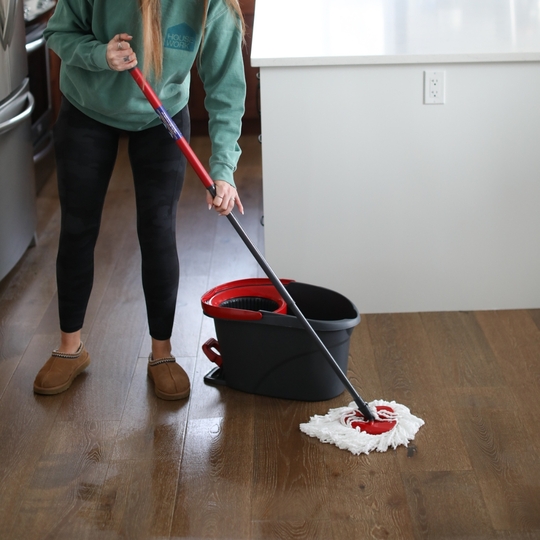
Choosing the right tools is key. A mop with a microfiber head works well because it traps dirt instead of just pushing it around. You’ll also need a bucket with a wringer to control moisture, avoiding overly wet floors that take ages to dry.
Consider getting a mop with a swivel head to reach tricky corners easily. Don’t forget a good floor cleaner suitable for your kitchen’s surface, whether it’s tile, vinyl, or hardwood.
Step-by-step Mopping Process
Start by sweeping or vacuuming your floor to remove loose dirt and crumbs. Then, fill your bucket with warm water and add the recommended amount of floor cleaner.
Dip your mop, wring out excess water, and mop in small sections. Move the mop in a figure-eight or S-shaped pattern to cover the floor evenly. Rinse your mop regularly to avoid spreading dirt back onto the floor.
After mopping, leave your kitchen door or windows open to help the floor dry faster. This also prevents slips and keeps the floor looking shiny.
Common Mistakes To Avoid
- Using too much water: Excess water can damage floors and create a slipping hazard.
- Not changing mop water often: Dirty water just moves grime around instead of cleaning.
- Skipping pre-cleaning steps: Mopping over dust or crumbs reduces cleaning effectiveness.
- Ignoring corners and edges: These spots collect dirt quickly and need extra attention.
Have you noticed your floor still feels sticky after mopping? It might be time to check your cleaning solution or technique. Small changes in your routine can make a big difference in how clean your kitchen floor really is.
:max_bytes(150000):strip_icc()/SPR-should-you-mop-with-hot-or-cold-water-11785902-8034a4fa718143caa9fb087a9d1cf7f7.jpg)
Credit: www.thespruce.com
Additional Tips To Keep Floors Spotless
Keeping your kitchen floor spotless goes beyond just regular mopping. Small habits and smart choices can make a huge difference in maintaining a clean and inviting space. Let’s look at some practical tips that help reduce dirt and spills, making your floor easier to care for every day.
Preventing Dirt And Spills
Stopping dirt before it hits the floor saves you time and effort. Ask yourself: where does most of the dirt come from in your kitchen? Often, it’s from shoes, pet paws, or spilled food.
Try setting a no-shoes rule in the kitchen or use slippers just for this area. Keep pet paws clean by wiping them before they roam indoors. Also, handle food and drinks carefully—use trays or bowls to catch drips and crumbs.
Routine Spot Cleaning
Spills don’t wait for your next mopping session. Wiping spots as soon as they happen prevents stains and sticky residues. Keep a small spray bottle of mild cleaner and a cloth nearby for quick cleanups.
Have you noticed how much easier it is to clean a fresh spill than one that’s dried? Spot cleaning saves you from scrubbing later and keeps your floor looking fresh daily.
Using Floor Mats And Rugs
Floor mats and rugs act like shields for your kitchen floor. Placing them in high-traffic spots, like in front of the sink and stove, catches dirt and moisture before it spreads.
Choose mats that are easy to wash and have non-slip backs for safety. Changing or washing these mats regularly keeps them effective and your floor protected longer.
Frequently Asked Questions
How Often Should You Mop Kitchen Floors For Hygiene?
Mop kitchen floors at least once a week to maintain cleanliness. High-traffic kitchens may require mopping twice weekly. Regular mopping prevents bacteria buildup and keeps floors looking fresh. Promptly clean spills to avoid stains and sticky residue.
Does Daily Mopping Harm Kitchen Floors?
Daily mopping can be safe if done gently and with proper cleaners. Avoid harsh chemicals that damage flooring materials. Use a damp mop rather than soaking wet to prevent water damage. Adjust frequency based on floor type and kitchen usage.
What’s The Best Time To Mop Kitchen Floors?
Mop kitchen floors after meal preparation or when the kitchen is least busy. Early mornings or late evenings work well to avoid traffic. This ensures floors dry quickly and reduces slip hazards. Regular timing helps maintain consistent cleanliness.
Should I Sweep Before Mopping Kitchen Floors?
Yes, always sweep or vacuum before mopping. Removing dust and debris prevents scratches and improves mopping effectiveness. Sweeping prepares the floor for deeper cleaning by the mop. It also helps maintain the floor’s appearance longer.
Conclusion
Keeping your kitchen floor clean helps maintain a healthy home. Mop it often enough to remove spills and dirt. This prevents germs and keeps the floor looking fresh. For busy kitchens, mopping two to three times a week works well.
Less busy kitchens may need it once a week. Always clean up spills right away. A clean floor makes cooking and eating more pleasant. Simple care keeps your kitchen safe and inviting every day.