
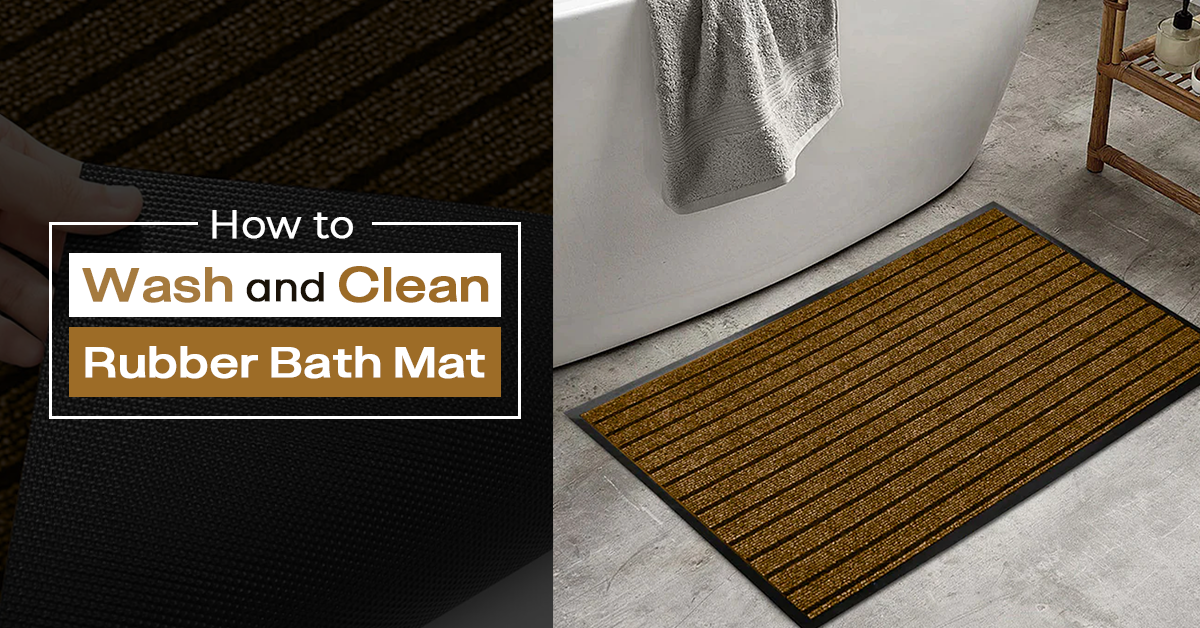
Your rubber kitchen mats work hard every day, catching spills and keeping your floors safe. But when was the last time you gave them a good clean?
If your mats look grimy or smell less than fresh, it’s time to take action. Cleaning your rubber kitchen mats isn’t as tricky as you might think, and doing it right can make your kitchen feel cleaner and more inviting.
Keep reading, and you’ll discover simple steps that will bring your mats back to life quickly and easily.

Credit: www.amazon.com
Types Of Rubber Kitchen Mats
Rubber kitchen mats come in various types, each designed for specific uses and benefits. Choosing the right mat depends on your kitchen needs and comfort preferences. Understanding these types helps maintain them properly and keep your kitchen safe and clean.
Solid Rubber Mats
Solid rubber mats are thick and durable. They provide a firm surface that resists wear and tear. These mats are easy to clean since they have a smooth surface. Solid mats are great for heavy-duty kitchen areas where spills and drops happen often.
Textured Rubber Mats
Textured rubber mats have raised patterns or designs. These textures help prevent slipping by providing extra grip. They also trap dirt and moisture, keeping floors cleaner. Cleaning textured mats may require scrubbing to reach into grooves and patterns.
Anti-fatigue Rubber Mats
Anti-fatigue mats are softer and cushioned. They reduce stress on feet and legs during long standing periods. These mats improve comfort in busy kitchens. They often have a smooth or slightly textured surface for easy cleaning.

Credit: www.amazon.ca
Why Clean Rubber Mats Regularly
Cleaning rubber kitchen mats regularly is essential for a healthy and safe kitchen. Dirt, food particles, and moisture get trapped easily on these mats. This creates a perfect place for germs and bacteria to grow. Regular cleaning keeps your kitchen safe and your mats in good shape.
Preventing Bacteria Build-up
Rubber mats stay close to the floor where dirt and spills happen. Bacteria and mold can grow quickly in damp, dirty mats. Cleaning stops harmful germs from spreading to your feet or kitchen items. It also reduces bad smells caused by bacteria build-up.
Maintaining Appearance
Dirty mats look old and worn out fast. Cleaning removes stains, dust, and grime. This keeps mats looking fresh and bright. A clean mat improves the overall look of your kitchen. It shows you care about hygiene and cleanliness.
Extending Mat Lifespan
Regular cleaning prevents damage caused by dirt and oils. Dirt can break down rubber material over time. Removing debris stops wear and tear. Clean mats last longer and save money. Proper care means you replace mats less often.
Basic Cleaning Supplies Needed
Gather a soft brush, mild detergent, warm water, and a clean cloth for cleaning rubber kitchen mats. These basic supplies help remove dirt and grime without damaging the mat’s surface. Simple tools make the cleaning process quick and effective.
Cleaning rubber kitchen mats requires the right tools. These basic cleaning supplies ensure effectiveness and ease. Let's explore each essential item.
Mild Detergents And Soaps
Mild detergents clean without harsh chemicals. Choose a gentle dish soap for safe cleaning. Ensure it's non-toxic to protect your mats and health.
Soft Brushes And Cloths
Use soft brushes to scrub dirt gently. Avoid abrasive materials that can damage rubber. Microfiber cloths are perfect for wiping and drying. They leave surfaces spotless without scratches.
Water Sources And Drying Tools
Access to clean water is vital. Use a garden hose for outdoor cleaning. Indoors, a sink or bucket works well. Proper drying prevents mold. A dry towel or air drying is effective. Ensure mats are completely dry before reuse.
Step-by-step Cleaning Process
Cleaning rubber kitchen mats doesn’t have to be a chore. Taking the time to clean them properly extends their life and keeps your kitchen safer and fresher. Here’s a straightforward process that you can easily follow to get your mats looking like new again.
Removing Loose Debris
Start by shaking out the mat to remove crumbs and loose dirt. You can also use a handheld vacuum or brush to get rid of stubborn particles stuck in the grooves. This step prevents dirt from turning into grime during washing.
Washing With Soap And Water
Fill a bucket or sink with warm water and add a few drops of mild dish soap. Submerge the mat and let it soak for about 10 minutes to loosen grease and grime. This simple soak makes scrubbing much easier.
Scrubbing Stubborn Stains
Use a soft-bristle brush or sponge to scrub away any tough spots. Focus on areas with grease or dried food. If you notice lingering stains, sprinkle baking soda on the mat before scrubbing for extra cleaning power.
Rinsing Thoroughly
Rinse the mat under running water to wash away soap and loosened dirt. Make sure no soapy residue remains, as it can make the mat slippery and attract more dirt. A clean rinse also helps maintain the rubber’s texture.
Drying Properly
Lay the mat flat or hang it to air dry completely before placing it back in your kitchen. Avoid direct sunlight for long periods to prevent the rubber from cracking. Dry mats resist mold and keep your kitchen safe and odor-free.
Dealing With Tough Stains And Odors
Tough stains and odors on rubber kitchen mats can make your cooking space feel less fresh and inviting. These mats often trap grime and smells from food spills, grease, and moisture. Tackling these problems effectively requires the right approach and materials.
Using Baking Soda Paste
Baking soda is a natural cleaner that works wonders on stubborn stains and odors. Mix baking soda with a little water to form a thick paste. Apply the paste directly to the stained areas of your rubber mat and let it sit for 15 to 20 minutes.
After waiting, scrub the paste gently with a soft brush or cloth. Baking soda helps lift the dirt while neutralizing unpleasant smells. Rinse thoroughly with warm water and air dry the mat for best results.
Applying Vinegar Solutions
White vinegar is another powerful yet safe option to combat tough odors and stains on rubber mats. Mix equal parts of white vinegar and water in a spray bottle. Spray the solution generously over the mat’s surface, focusing on areas with visible stains or lingering smells.
Let the vinegar solution sit for about 10 minutes before scrubbing with a soft brush. Vinegar’s natural acidity breaks down grime and kills odor-causing bacteria. Rinse well with water and dry the mat outside if possible to remove any vinegar smell.
Commercial Rubber Mat Cleaners
If homemade solutions don’t fully remove the stains or odors, commercial cleaners designed for rubber surfaces can help. Look for products labeled safe for rubber and kitchen use. These cleaners often contain enzymes or solvents that target tough grease and dirt.
Follow the instructions carefully, usually applying the cleaner, scrubbing gently, and rinsing thoroughly. Always test a small area first to ensure the cleaner won’t damage your mat’s surface. Have you tried a commercial cleaner that surprised you with its effectiveness?

Credit: www.amazon.ca
Preventive Tips For Cleaner Mats
Keeping rubber kitchen mats clean saves time and effort later. Simple habits protect mats from dirt and damage. These tips help maintain freshness and extend mat life.
Regular Spot Cleaning
Clean spills and stains as soon as they appear. Use a damp cloth or sponge with mild soap. This prevents dirt from settling deep into the mat. Spot cleaning is quick and keeps mats looking new.
Proper Placement And Usage
Place mats in dry, low-traffic areas to reduce wear. Avoid dragging heavy objects over the mats. Rotate mats regularly to ensure even use. Proper placement helps avoid premature damage and stains.
Avoiding Harsh Chemicals
Use gentle cleaners designed for rubber surfaces only. Avoid bleach, ammonia, and strong solvents. Harsh chemicals can cause rubber to crack or discolor. Stick to natural or mild cleaning solutions for best results.
When To Replace Your Rubber Mat
Knowing when to replace your rubber kitchen mat is just as important as cleaning it. Over time, mats lose their effectiveness and can even become a safety hazard. Paying attention to certain signs can help you decide if it’s time for a new one, ensuring your kitchen stays safe and comfortable.
Signs Of Wear And Tear
Look closely at your mat for cracks, tears, or peeling edges. These signs show the material is breaking down and won’t last much longer. If you notice chunks missing or the surface feeling rough, it’s a clear signal that replacement is due.
Loss Of Grip And Cushioning
Does your mat slide around when you step on it? Or maybe it feels less soft underfoot? This means the rubber is losing its grip and cushioning ability. A mat that no longer stays put or provide comfort can increase the risk of slips and foot fatigue, so consider getting a new one.
Persistent Stains And Odors
Sometimes, no matter how much you clean, stains and smells just won’t go away. This often happens if spills have soaked deep into the rubber. If your mat smells unpleasant or looks permanently stained, replacing it will improve your kitchen’s hygiene and atmosphere.
Frequently Asked Questions
How Often Should I Clean Rubber Kitchen Mats?
Clean rubber kitchen mats every 1 to 2 weeks to prevent dirt buildup. Regular cleaning maintains hygiene and extends mat life.
What Is The Best Cleaning Method For Rubber Mats?
Use mild soap and warm water with a soft brush. Rinse thoroughly and air dry to avoid damage and odors.
Can I Use Bleach To Clean Rubber Kitchen Mats?
Avoid bleach as it can degrade rubber. Stick to gentle cleaners like dish soap for safe, effective cleaning.
How Do I Remove Tough Stains From Rubber Mats?
Apply a paste of baking soda and water to stains. Scrub gently, rinse well, and let the mat dry completely.
Conclusion
Cleaning rubber kitchen mats keeps your kitchen safe and neat. Regular washing stops dirt and germs from building up. Use mild soap and warm water for best results. Let the mats dry completely before placing them back. This simple care extends their life and looks fresh.
A clean mat also prevents slips and falls. Keep a routine to avoid tough stains. Your kitchen will feel more comfortable and hygienic. Easy steps make cleaning quick and stress-free. Take a little time to care for your mats well.