
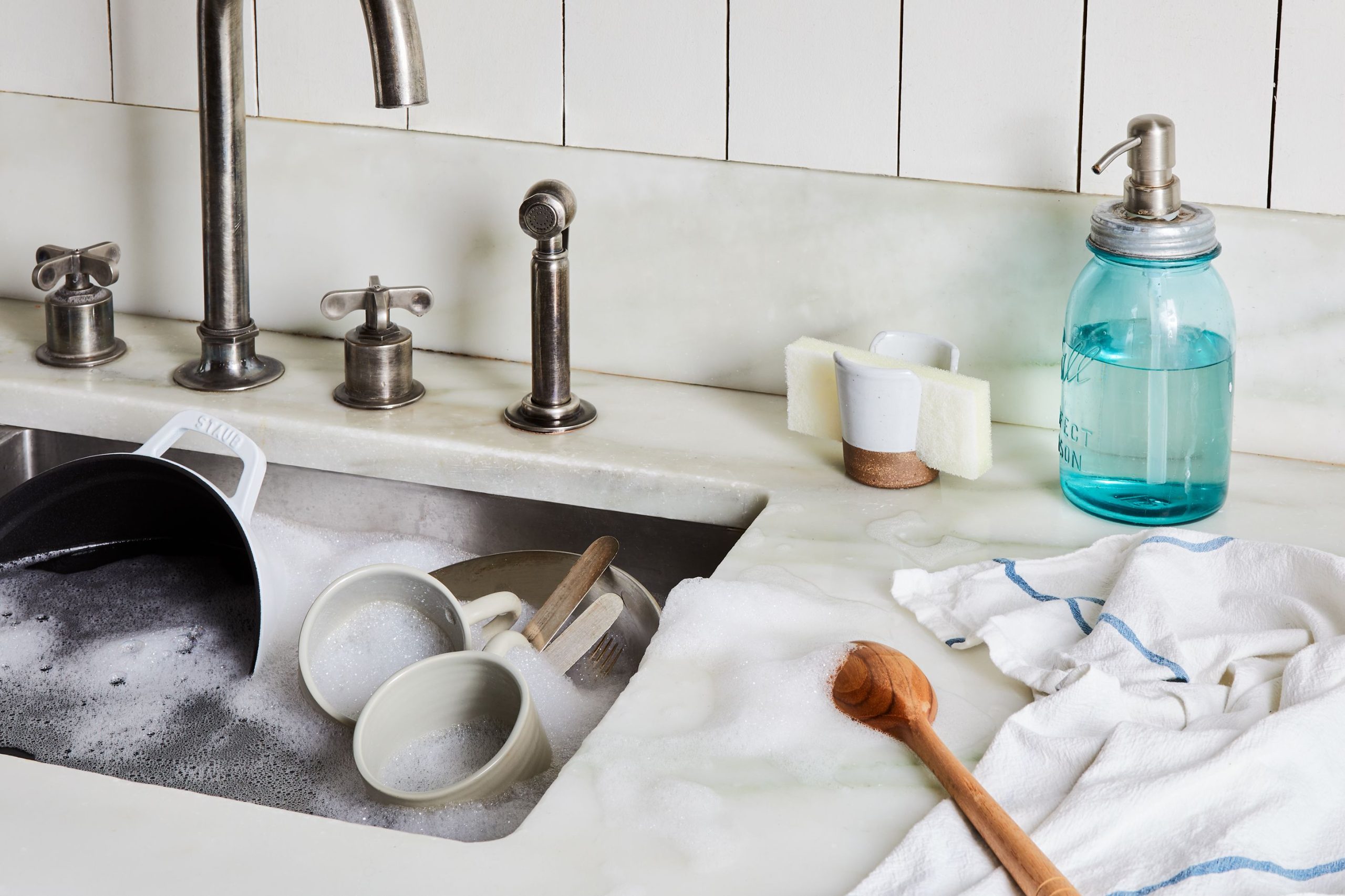
Are you tired of using harsh chemicals to clean your kitchen? What if you could make a powerful, safe cleaner right at home with simple ingredients?
You don’t need expensive products or complicated recipes. This guide will show you exactly how to make your own kitchen cleaner that’s effective, natural, and easy to prepare. Imagine having a fresh, sparkling kitchen without worrying about toxins or spending a fortune.
Keep reading, and you’ll discover step-by-step instructions that anyone can follow to keep your kitchen spotless and safe for your family.
Benefits Of Homemade Kitchen Cleaner
Making your own kitchen cleaner at home offers many advantages. It is simple, safe, and saves money. You control the ingredients and avoid harsh chemicals. This makes your kitchen healthier for your family and pets.
Homemade cleaners also reduce plastic waste. You can reuse bottles and containers. This helps the environment by cutting down on trash.
Cost-effective Cleaning Solution
Homemade kitchen cleaners use common household items. Ingredients like vinegar, baking soda, and lemon are cheap. You spend less compared to store-bought cleaners. This keeps your budget in check without sacrificing cleanliness.
Safe For Family And Pets
Many commercial cleaners contain toxic chemicals. These can cause allergies or irritate skin and eyes. Homemade cleaners use natural ingredients that are gentle. They provide a safer environment for children and animals.
Eco-friendly And Sustainable
Homemade cleaners create less plastic waste. You reuse containers and reduce packaging. Natural ingredients break down easily and do not pollute water. This supports a cleaner planet and healthier ecosystems.
Customizable For Different Needs
You can adjust homemade cleaner recipes. Add more lemon for grease or more baking soda for scrubbing. This flexibility allows you to clean various surfaces effectively. Tailor it to your kitchen’s specific messes and preferences.
Essential Ingredients For Natural Cleaners
Creating your own kitchen cleaner at home becomes simple once you know the essential ingredients that work effectively and naturally. These items are not only safe but also cost-efficient and easy to find. Let’s look at some powerful staples you probably already have in your kitchen.
Vinegar
Vinegar is a natural disinfectant and deodorizer. Its acidity helps break down grease, grime, and mineral deposits quickly. I once used vinegar to clean my microwave, and the stubborn stains vanished after just a few minutes of wiping.
Try mixing equal parts vinegar and water in a spray bottle. This combo works wonders on countertops, sinks, and even glass surfaces. Just avoid using it on marble or granite, as the acid can dull the finish.
Baking Soda
Baking soda acts as a gentle abrasive that scrubs away dirt without scratching surfaces. It’s also great at neutralizing odors, leaving your kitchen smelling fresh. I like to sprinkle baking soda on a damp sponge to clean my stovetop—no harsh chemicals needed.
You can mix baking soda with water to form a paste for tougher stains or combine it with vinegar for fizzing action that lifts grime from drains and surfaces. This combination is a classic for a reason.
Lemon Juice
Lemon juice is a natural bleaching agent and antibacterial cleaner. Its fresh scent brightens up any room while cutting through grease and stains. I often rub lemon juice on my wooden cutting boards to remove odors and lighten marks.
Use lemon juice alone or mix it with vinegar or baking soda for added cleaning power. Keep in mind, lemon juice can lighten wood or fabrics, so test it in a small area first.
Essential Oils
Essential oils add not only a pleasant fragrance but also extra antibacterial and antifungal properties. Tea tree oil, lavender, and eucalyptus are popular choices for homemade cleaners. I add a few drops of tea tree oil to my spray bottle mixture for a refreshing and germ-fighting boost.
Besides their cleaning benefits, essential oils can uplift your mood and make cleaning less of a chore. Just use them sparingly, as they are potent and can irritate skin if overused.
Simple Recipes For Kitchen Cleaner
Creating your own kitchen cleaner at home is easier than you might think. These simple recipes use common ingredients that you probably already have in your pantry. Not only do they save money, but they also avoid harsh chemicals, making your kitchen safer and fresher.
All-purpose Spray
This spray works well on counters, sinks, and even appliances. Combine 1 cup of water with 1 cup of white vinegar in a spray bottle. Add 10 drops of your favorite essential oil, like lemon or tea tree, for a fresh scent and extra cleaning power.
Shake well before each use. Spray on surfaces and wipe with a clean cloth. Have you noticed how a simple homemade spray can cut through grime just as effectively as store-bought versions?
Grease Remover
Grease buildup can be tough, but this mix tackles it without harsh chemicals. Mix 2 tablespoons of baking soda with a few drops of liquid dish soap and enough water to make a paste. Apply it to greasy spots and let it sit for 10 minutes.
Scrub gently with a sponge and rinse clean. You’ll find this paste is a powerful tool against stubborn grease, and it’s safe for most kitchen surfaces. Why buy expensive cleaners when this simple paste does the job?
Disinfectant Solution
Keeping your kitchen germ-free is crucial, and this disinfectant is both effective and natural. Mix 1 cup of water with 1/4 cup of rubbing alcohol and 1 tablespoon of hydrogen peroxide in a spray bottle. Spray on cutting boards, countertops, and handles.
Let it sit for a few minutes before wiping. This solution kills germs quickly without leaving harmful residues. How often do you sanitize your kitchen, and could this easy recipe fit into your routine?
Step-by-step Preparation Guide
Making your own kitchen cleaner at home is simple and safe. Follow this clear guide to prepare an effective cleaner. Gather all needed materials before starting. Measure ingredients carefully to ensure the right mix.
Measuring Ingredients
Use standard measuring cups and spoons for accuracy. Keep the measurements exact for the best results. Common ingredients include vinegar, water, baking soda, and essential oils. Measure each component separately and in the right quantity.
Mixing Techniques
Combine ingredients in a clean bowl or spray bottle. Stir gently with a spoon or shake the bottle well. Avoid using metal containers, as vinegar can react with metal. Mix until the baking soda dissolves completely.
Storage Tips
Store your cleaner in a labeled spray bottle for easy use. Keep it in a cool, dark place to maintain freshness. Avoid storing near heat or direct sunlight. Shake the bottle before each use to keep ingredients mixed well.
Safe Usage And Application Tips
Handle homemade kitchen cleaner with care by storing it in a labeled spray bottle. Test on a small area before full use to avoid damage or irritation. Keep out of reach of children and avoid mixing with other cleaners.
Safe usage and application of homemade kitchen cleaners ensure efficiency and protection. Proper techniques prevent harm to surfaces and maintain cleanliness. Follow these tips for optimal results.
Surface Compatibility
Check your cleaner against the surface type. Some materials need special care. Granite and marble require pH-balanced solutions. Wooden surfaces need mild cleaners. Test a small area before full application. Avoid using abrasive tools on delicate surfaces.
Avoiding Damage
Prevent damage by using the right amount of cleaner. Overusing can cause residue buildup. Use a soft cloth or sponge for gentle cleaning. Rinse surfaces after cleaning to remove any leftover cleaner. Store homemade cleaners properly to maintain their effectiveness.
Proper Ventilation
Ensure good airflow while cleaning. Open windows or use fans to circulate air. This helps reduce inhalation of any fumes. It also speeds up drying time. Proper ventilation keeps your kitchen safe and fresh.
Eco-friendly Cleaning Habits
Eco-friendly cleaning habits transform your kitchen routine into a powerful way to protect the environment. They reduce harmful chemicals in your home and lower waste that ends up in landfills. Adopting simple yet effective habits can make your homemade kitchen cleaner even more sustainable and safe.
Reducing Waste
Think about how many disposable wipes or paper towels you use when cleaning. Switching to reusable cloths or old t-shirts cut into rags can drastically cut down your waste. You can also save leftover cleaner in a spray bottle instead of making a new batch every time.
Have you tried using vinegar and baking soda for tough stains? These natural ingredients leave no harmful residue and reduce reliance on plastic packaging. Small changes like these add up and make a big difference in reducing waste.
Sustainable Packaging
Choose containers made from glass or recycled plastic to store your homemade cleaner. These options are easier to clean and reuse, limiting single-use plastic waste. Label your bottles clearly to avoid confusion and keep your kitchen organized.
Buying ingredients like vinegar or baking soda in bulk also reduces packaging waste. Bringing your own containers to refill stations supports sustainable packaging efforts and saves money. How often do you consider the packaging of your cleaning supplies?
Regular Maintenance
Keeping your kitchen cleaner fresh and effective means cleaning regularly, not just when it looks dirty. A quick wipe-down every day prevents buildup, reducing the need for harsh scrubbing or extra cleaner. This habit saves time and keeps your surfaces healthier.
Check your homemade cleaner’s smell and texture periodically. If it changes, make a fresh batch to avoid ineffective cleaning. Maintaining your cleaning tools, like sponges and cloths, by washing them often also keeps your kitchen truly clean and eco-friendly.
Troubleshooting Common Issues
Making your own kitchen cleaner at home is rewarding, but sometimes it doesn’t work perfectly right away. You might notice that certain stains just won’t come off, or strange smells linger longer than expected. Don’t worry—these common issues have simple fixes that can make your homemade cleaner even more effective.
Removing Stubborn Stains
Stubborn stains like grease or burnt-on food can challenge your homemade cleaner. If regular wiping doesn’t do the trick, try letting the cleaner sit on the stain for a few minutes before scrubbing. Adding a bit of baking soda to the cleaner creates a gentle abrasive that lifts tough grime without damaging surfaces.
Have you ever noticed that some stains seem to resist everything? Sometimes using a scrub brush with firm bristles instead of a sponge can help break down the dirt faster. Remember, patience is key—give the cleaner time to work before scrubbing.
Handling Odor Problems
Does your kitchen cleaner leave behind an odd smell? This can happen if certain ingredients don’t mix well or if the cleaner sits too long. Adding a few drops of essential oils like lemon or tea tree oil can freshen the scent naturally.
If you’ve ever smelled vinegar’s sharpness after cleaning, you know how strong odors can linger. To avoid this, rinse the cleaned surface with plain water after using your homemade solution. This simple step can prevent odors from sticking around.
Adjusting Cleaner Strength
Your homemade cleaner might feel too weak or too strong depending on what you’re cleaning. If it’s not cutting through grease well, increase the amount of vinegar or dish soap slightly. If it irritates your skin or smells too harsh, dilute it with more water.
Have you tried a small test spot before cleaning the whole area? This can save you from damaging delicate surfaces with a formula that’s too strong. Finding the right balance makes your cleaner safer and more effective.
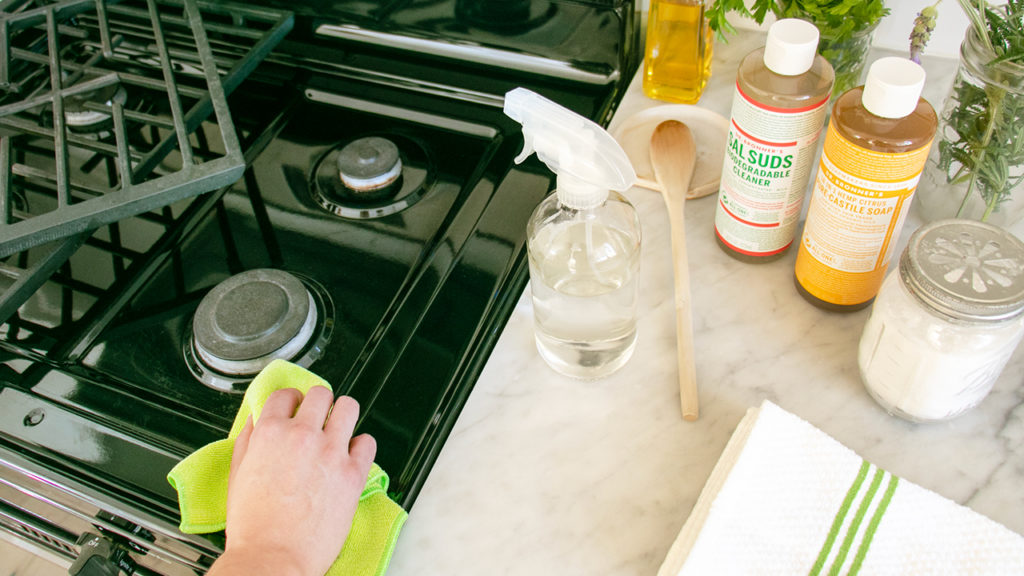
Credit: www.lisabronner.com
Credit: www.youtube.com
Frequently Asked Questions
What Ingredients Make An Effective Homemade Kitchen Cleaner?
Common ingredients include white vinegar, baking soda, lemon juice, and water. These are natural, safe, and powerful cleaning agents that remove grease and grime effectively.
How Do I Safely Store Homemade Kitchen Cleaner?
Store it in a labeled spray bottle away from direct sunlight. Keep it out of reach of children and pets for safety.
Can Homemade Kitchen Cleaner Disinfect Surfaces?
Yes, vinegar and lemon juice have natural antibacterial properties. They help reduce germs but may not replace commercial disinfectants for heavy contamination.
How Often Should I Use Homemade Kitchen Cleaner?
Use it daily or as needed to maintain cleanliness. Regular cleaning prevents buildup and keeps your kitchen hygienic and fresh.
Conclusion
Making your own kitchen cleaner saves money and reduces chemicals. You control what goes into your cleaner. It is easy and quick to prepare at home. Natural ingredients work well and keep your kitchen fresh. Try different recipes to find what suits you best.
Clean kitchens feel safer and more pleasant to cook in. Start today and enjoy a cleaner, greener kitchen space. Small changes make a big difference for your home.