
Is your kitchen sink clogged, and you’re wondering if a plunger is the right tool to fix it? You might think a plunger is only for toilets, but it can actually be a lifesaver for your kitchen drain too.
Before you reach for expensive drain cleaners or call a plumber, you need to know when and how using a plunger can solve your problem quickly and safely. Keep reading to discover if a plunger is the simple solution your kitchen sink really needs—and how to use it like a pro.

Credit: www.threads.com
When To Use A Plunger
Knowing when to use a plunger on your kitchen sink can save you time and prevent minor problems from becoming major headaches. Using a plunger effectively depends on recognizing the right signs and understanding the type of blockage you're dealing with. Let’s break down how to spot these moments and what kinds of clogs respond best to plunging.
Signs Of A Clog
Is your kitchen sink draining slower than usual? That’s often the first sign of a clog. You might notice water pooling around the drain or hear gurgling sounds when the water tries to flow.
Other clear signs include:
- Water backing up into the sink when you run the dishwasher
- A foul odor coming from the drain
- Visible debris or food particles that won’t wash away
If you catch these early, a plunger could be your fastest fix.
Types Of Blockages Suitable For Plunging
Plungers work best on soft blockages caused by grease, food scraps, or soap buildup. These tend to clog the drainpipe but don’t form a solid mass.
For example, leftover pasta or small bits of vegetable peel can cause partial blockages that a plunger can often clear. On the other hand, hard objects like silverware or broken glass won’t budge with a plunger and need professional help.
Consider this: if the clog feels like it’s just below the drain and water pools quickly, plunging is worth trying. But if the sink barely fills before backing up, the clog might be deeper and tougher to reach.
Credit: qualitycool.com
Choosing The Right Plunger
Choosing the right plunger can make all the difference when you're tackling a clogged kitchen sink. Not all plungers are created equal, and picking the wrong one might waste your time or even damage your sink. Let's break down what you need to know to pick a plunger that actually works for your kitchen drain.
Cup Plunger Vs. Flange Plunger
The cup plunger is the classic style with a simple rubber cup at the end. It works great on flat surfaces like sinks and bathtubs. However, it may struggle to create a tight seal in kitchen sinks that have smaller or irregular drain openings.
The flange plunger has an extra rubber flap that extends from the cup. This flap fits inside the drain, creating a stronger seal and better suction. If your kitchen sink has a narrow or curved drain, a flange plunger will often clear clogs faster and with less effort.
Ask yourself: Does your sink drain have a flat opening or a recessed one? Choosing the right plunger shape based on this simple observation can save you frustration.
Material And Size Considerations
Plungers come in different materials, usually rubber or silicone. Rubber is flexible and affordable but can wear out quicker. Silicone lasts longer and resists cracking but usually costs a bit more.
Size matters too. A plunger that’s too large won’t fit your sink properly, and one that’s too small won’t create enough pressure. Typically, a 6 to 8-inch diameter cup works well for most kitchen sinks.
Think about how often you might need your plunger. Investing in a durable material and the right size could save you money and hassle down the line.
Step-by-step Plunging Guide
Using a plunger on your kitchen sink can be a quick fix for minor clogs, but doing it right is key to avoiding damage or making the problem worse. Here’s a clear, step-by-step guide to help you plunge effectively and safely.
Preparing The Sink
Start by removing any dishes or debris from the sink. You want a clean surface to work with and clear access to the drain.
Next, block any overflow holes with a wet cloth or tape. This helps create the suction needed to dislodge the clog.
If your sink has a double basin, plug the other drain with a wet cloth. This prevents air from escaping and improves the plunging action.
Proper Plunging Technique
Choose a cup plunger, the one with a flat bottom, not a flange plunger designed for toilets.
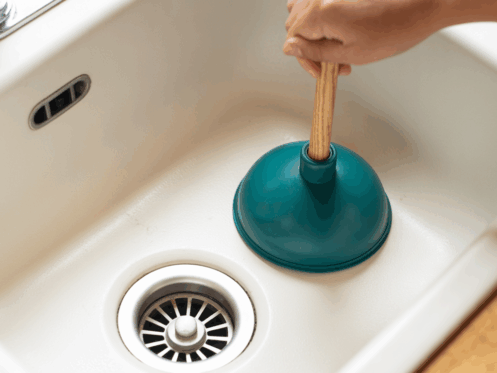
Place the plunger firmly over the drain, ensuring a tight seal. Push down slowly, then pull up sharply without breaking the seal.
Repeat this pumping action about 15-20 times. If you hear a gurgling sound or see water draining, you’re likely loosening the clog.
Aftercare Tips
Once the water starts draining smoothly, run hot water for a few minutes to clear any loosened debris.
Clean your plunger thoroughly with hot soapy water and disinfect it to prevent bacteria buildup.
Consider how often you clean your drain to avoid future clogs. Could a simple routine save you time and hassle?
When Not To Use A Plunger
A plunger should not be used if the kitchen sink has a garbage disposal or a damaged pipe. Using it in these cases can cause more harm than good. Instead, try other cleaning methods or call a plumber.
When facing a clogged kitchen sink, your first instinct might be to grab a plunger. But is that always the best solution? While plungers can be effective, there are situations where using one could do more harm than good. Understanding when not to use a plunger can save you time and potentially costly repairs.
Signs Of Severe Blockage
If water is barely draining or not draining at all, your sink might have a severe blockage. A plunger may not be able to dislodge something deeply lodged in the pipes. Instead, this might be the time to call in a professional plumber. In situations where multiple drains are backed up, such as your sink and your dishwasher, a plunger won’t solve the problem. This usually indicates a blockage in the main drainage line. Attempting to use a plunger here can complicate the issue, pushing the blockage further down.
Potential Damage Risks
Using a plunger improperly can lead to damage. Aggressive plunging can weaken or even break fragile pipes, especially in older homes. This can lead to leaks and additional repairs, costing you more than the original clog ever would have. Additionally, if your sink has a garbage disposal, plunging can damage its mechanisms. You risk disrupting the seal, leading to leaks or even damaging the disposal unit itself. Have you ever found yourself making a problem worse while trying to fix it? Knowing when to step back is crucial in these situations. Being aware of these signs and risks ensures that you use the right tools for the job. So, before you reach for that plunger, consider the situation carefully.
Alternative Solutions
Clogged kitchen sinks can disrupt daily routines. A plunger is a common tool, but not always the best choice. Alternative solutions can clear drains effectively and safely. These options fit different clog types and user preferences.
Chemical Drain Cleaners
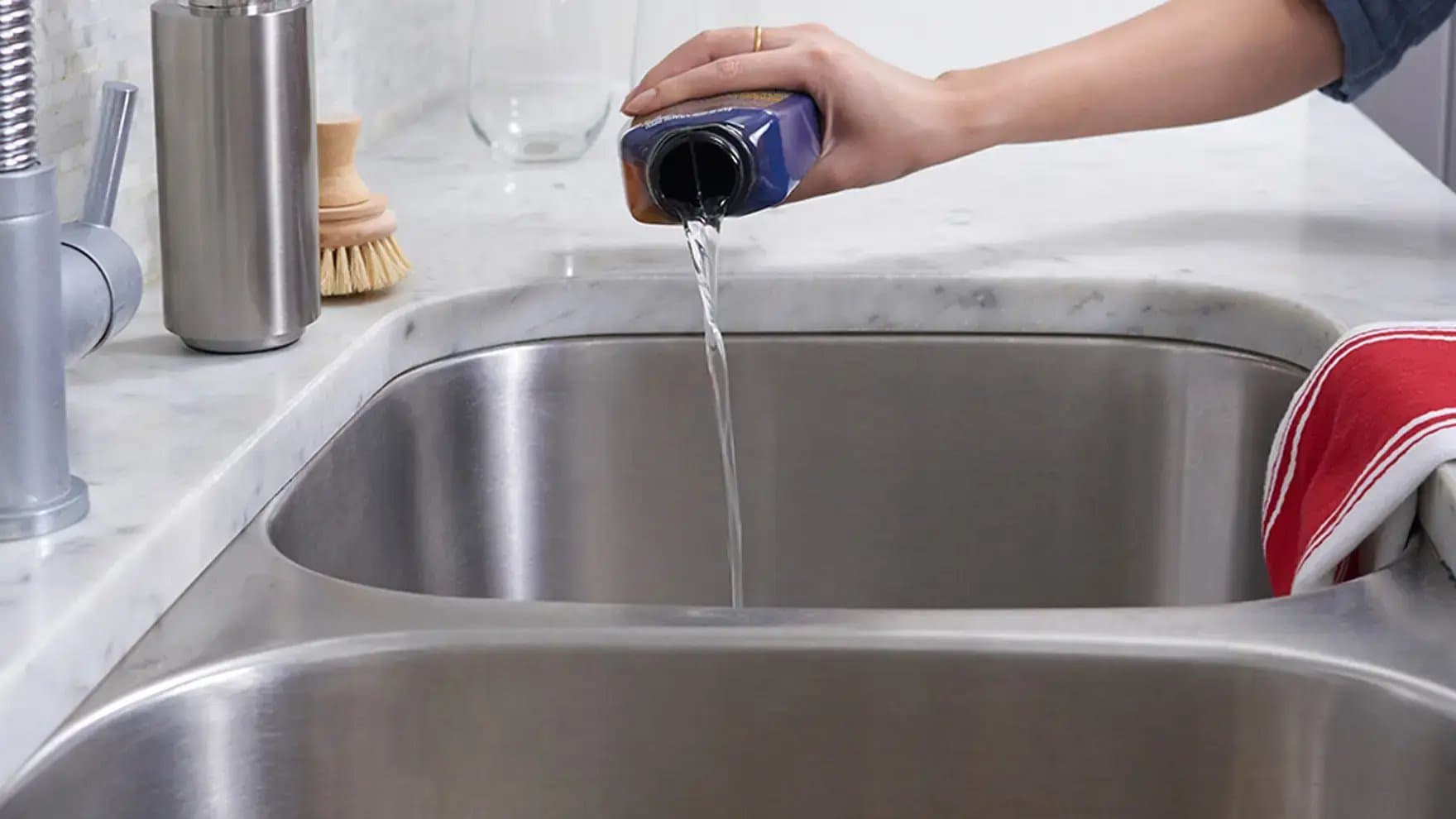
Chemical drain cleaners dissolve grease and debris. They are easy to use and found in most stores. Pour the cleaner into the drain and wait as instructed. Use with caution to avoid skin burns or pipe damage. Not ideal for frequent use or older pipes.
Manual Drain Snake
A manual drain snake is a flexible tool that reaches deep clogs. Insert it into the drain and twist to break up blockages. It works well on hair, food particles, and small objects. No chemicals involved, making it eco-friendly and safe for pipes. Requires some effort but often clears tough clogs.
Calling A Professional
Professional plumbers offer expert solutions for stubborn clogs. They use advanced tools like motorized snakes and video inspection cameras. This option saves time and prevents pipe damage. Ideal when DIY methods fail or for recurring issues. Professionals ensure the problem is fully solved.
Preventing Kitchen Sink Clogs
Preventing kitchen sink clogs saves time and avoids costly repairs. A few simple habits keep drains flowing smoothly. Understanding what causes clogs helps protect your pipes. Small changes in daily routines make a big difference.
Best Practices For Disposal
- Never pour grease or oil down the drain. It hardens and blocks pipes.
- Use a sink strainer to catch food scraps. Dispose of them in the trash.
- Avoid flushing coffee grounds or eggshells. They build up inside pipes.
- Run cold water when using the garbage disposal. It helps clear debris.
- Only grind soft, small food waste. Hard items can damage the disposal.
Routine Maintenance Tips
- Flush the drain weekly with hot water and mild soap.
- Use baking soda and vinegar monthly to break down buildup naturally.
- Clean the sink strainer regularly to prevent trapped debris.
- Check under the sink for leaks or signs of moisture.
- Schedule professional drain cleaning every year to avoid major clogs.

Credit: www.popularmechanics.com
Frequently Asked Questions
Can A Plunger Unclog A Kitchen Sink Effectively?
Yes, a plunger can effectively unclog a kitchen sink if the blockage is near the drain. It creates suction to dislodge the clog. For stubborn blockages, multiple attempts or other methods might be needed.
When Should You Avoid Using A Plunger On A Sink?
Avoid plunging if the sink has a garbage disposal or if the clog is severe. Using a plunger can cause damage or worsen the blockage. In such cases, use specialized tools or call a plumber.
How To Properly Use A Plunger On A Kitchen Sink?
Fill the sink with enough water to cover the plunger’s cup. Place the plunger over the drain and push down firmly, then pull up quickly. Repeat this several times until the clog clears.
Will Using A Plunger Damage Kitchen Sink Pipes?
No, using a plunger correctly will not damage kitchen sink pipes. It applies gentle pressure that helps clear clogs. However, excessive force or incorrect use can cause leaks or damage.
Conclusion
A plunger can help clear many kitchen sink clogs. Use it carefully to avoid damage. If the clog stays, try other methods or call a plumber. Regular cleaning helps prevent blockages. Keep your sink draining smoothly and avoid tough problems later.
Simple steps can save time and money. Stay calm and patient when dealing with clogs. Your kitchen will work better with good care. Easy to do and often effective. Give it a try before calling for help.