
Have you ever stopped to think about what happens in your kitchen every day? Your kitchen is more than just a place to cook—it's where you prepare meals for yourself and your loved ones.
But if your kitchen isn’t clean and sanitary, it can become a hidden danger. Imagine the risk of harmful germs spreading right where you handle your food. That’s why understanding the importance of kitchen sanitation isn’t just helpful—it’s essential for your health and safety.
Keep reading to discover how simple steps in kitchen cleanliness can protect you and those you care about, making every meal safer and more enjoyable.
Credit: www.universalclass.com
Health Risks From Poor Kitchen Sanitation
Poor kitchen sanitation poses serious health risks. Dirty surfaces and utensils can harbor harmful germs. These germs spread quickly and contaminate food. Eating contaminated food can cause sickness. Maintaining cleanliness in the kitchen is essential for safe food preparation.
Common Kitchen Contaminants
- Bacteria like Salmonella and E. coli thrive in unclean areas.
- Viruses such as norovirus can spread from contaminated hands.
- Fungi and molds grow on spoiled food and wet surfaces.
- Cross-contamination happens when raw meat contacts ready-to-eat foods.
- Residue from cleaning chemicals can also contaminate food.
Foodborne Illnesses And Their Causes
Foodborne illnesses often result from eating unsafe food. Bacteria and viruses cause most cases. Symptoms include nausea, vomiting, diarrhea, and fever. Poor handwashing and dirty utensils increase risk. Improper food storage and undercooking allow germs to survive. Contaminated water and unwashed vegetables also spread illness.
Impact On Vulnerable Groups
Children, elderly, and pregnant women face higher risks. Their immune systems are weaker. Illnesses can be more severe or life-threatening. Safe kitchen practices protect these vulnerable groups. Cleanliness reduces chances of infection. Simple habits like washing hands and surfaces help keep them safe.
Key Practices For Kitchen Cleanliness
Keeping a kitchen clean is vital for health and safety. It stops germs and bacteria from spreading. Cleanliness also helps food stay fresh and tasty. Following key practices makes kitchen sanitation easier and more effective.
Proper Handwashing Techniques
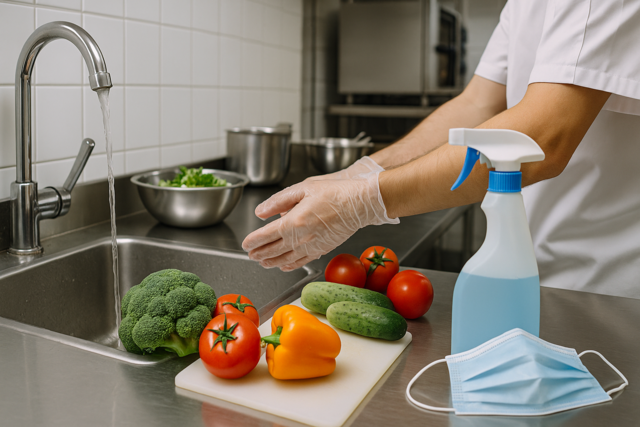
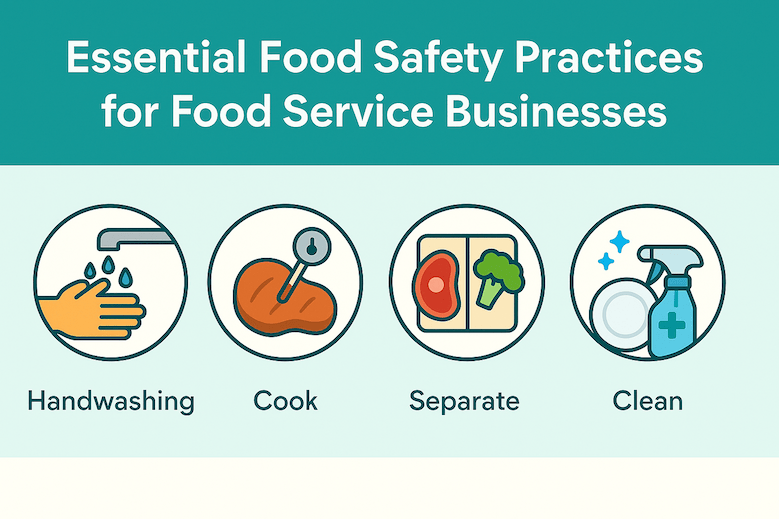
Handwashing is the first step in preventing contamination. Use warm water and soap. Rub hands together for at least 20 seconds. Clean under nails and between fingers. Rinse well and dry with a clean towel. Wash hands before and after handling food.
Safe Food Handling And Storage
Keep raw and cooked foods separate. Use different cutting boards for meats and vegetables. Store food in airtight containers. Keep perishable items in the refrigerator. Check expiration dates regularly. Avoid leaving food out at room temperature for long.
Cleaning And Disinfecting Surfaces
Wipe counters and cutting boards after use. Use hot, soapy water to clean surfaces. Follow with a disinfectant to kill bacteria. Clean kitchen tools and appliances often. Change dishcloths and sponges regularly to prevent germs.
Tools And Products For Effective Sanitation
Effective kitchen sanitation depends heavily on the right tools and products. Cleanliness is not just about appearance but preventing illness. The proper cleaning agents, sanitizers, and maintenance routines keep kitchens safe and hygienic. Using these tools correctly reduces bacteria and cross-contamination risks. Every kitchen needs well-chosen supplies to maintain a healthy environment.
Choosing The Right Cleaning Agents
Select cleaning agents made for kitchen use. Look for products that remove grease, dirt, and food residue well. Avoid harsh chemicals that can damage surfaces or leave harmful residues. Use detergents with antibacterial properties to kill germs effectively. Always read labels to ensure safety and suitability for your kitchen materials.
Using Sanitizers Safely
Sanitizers reduce germs after cleaning. Use food-safe sanitizers approved for kitchen use. Follow instructions for dilution and contact time strictly. Never mix sanitizers with other chemicals. Store sanitizers away from food and children. Proper use prevents contamination and keeps food safe.
Maintenance Of Kitchen Equipment
Keep kitchen tools and equipment clean and in good condition. Regularly wash cutting boards, knives, and utensils after each use. Deep clean appliances like ovens and refrigerators often. Repair or replace damaged items that can harbor bacteria. Proper maintenance extends equipment life and ensures hygiene.
Role Of Kitchen Sanitation In Preventing Allergies
Clean kitchens reduce allergens like dust, mold, and food particles. Proper sanitation stops cross-contamination, protecting sensitive individuals. Maintaining hygiene lowers allergy risks and keeps the environment safe.
The kitchen is more than just the heart of your home; it's a vital space where cleanliness plays a crucial role in preventing allergies. By maintaining high standards of kitchen sanitation, you not only protect against common illnesses but also safeguard yourself and your loved ones from allergic reactions. Have you ever wondered how a simple step in your cleaning routine could make such a big difference?
Eliminating Cross-contamination
Cross-contamination is a leading cause of allergic reactions in the kitchen. Imagine preparing a meal and using the same cutting board for raw chicken and vegetables without cleaning it in between. This not only spreads bacteria but can also transfer allergens from one food to another. To prevent this, ensure you have separate utensils and cutting boards for different types of food. Washing surfaces with hot soapy water immediately after use can also make a big difference. Consider labeling your kitchen tools to minimize any mix-ups.
Managing Food Allergens In The Kitchen
Managing food allergens starts with awareness. Make a list of common allergens like nuts, dairy, and gluten that may be present in your kitchen. This small step can be crucial in preventing allergic reactions. Store allergenic ingredients separately to avoid accidental exposure. Use airtight containers and label them clearly. Regularly clean kitchen surfaces, as even a tiny residue can cause a reaction for someone with severe allergies. By implementing these practices, you create a safer cooking environment. It's not just about cleanliness; it's about peace of mind. Are there other simple changes you can make today to improve your kitchen's safety?
Tips For Maintaining A Sanitary Kitchen Environment
Keeping your kitchen clean is more than just about looks—it’s about health and safety. A sanitary kitchen protects you and your family from foodborne illnesses and keeps your cooking space pleasant and efficient. Let’s look at practical tips to help you maintain a kitchen environment that’s both safe and inviting.
Routine Cleaning Schedules
Set specific times each day for cleaning key kitchen areas like countertops, sinks, and cutting boards. Wiping surfaces immediately after use prevents bacteria buildup and cross-contamination. Have you ever noticed how much easier cooking feels when your workspace is spotless?
Deep clean appliances and cupboards weekly to remove hidden grease and grime. Using natural cleaners like vinegar or baking soda can be effective and safe. Small daily efforts add up to a big difference in preventing pests and odors.
Proper Waste Disposal Methods
Dispose of food scraps promptly to avoid attracting insects and rodents. Use separate bins for recyclables, compost, and trash to keep waste organized and manageable. Does your kitchen have a designated spot for each type of waste?
Clean your garbage cans regularly to stop bacteria from spreading. Consider using liners to make emptying easier and cleaner. These habits help maintain a fresh kitchen environment and reduce health risks.
Encouraging Good Hygiene Habits
Wash your hands thoroughly before and after handling food to prevent contamination. Encourage everyone in your household to follow this simple but powerful practice. Have you ever experienced how clean hands can change the way food tastes?
Use separate utensils and cutting boards for raw meat and vegetables to avoid cross-contamination. Teach family members or roommates about these habits to build a culture of kitchen safety. Consistency in hygiene habits makes your kitchen a safer place every day.

Credit: www.restaurantsupply.com
Credit: www.foodsafesystem.com
Frequently Asked Questions
Why Is Kitchen Sanitation Crucial For Health?
Kitchen sanitation prevents the growth of harmful bacteria and viruses. It reduces foodborne illness risks. Clean surfaces and utensils ensure safe food preparation and consumption.
How Does Kitchen Sanitation Affect Food Quality?
Proper sanitation stops contamination from dirt and germs. It keeps food fresh and tasty. Clean kitchens help maintain the original flavor and texture of food.
What Are Common Kitchen Sanitation Practices?
Washing hands regularly, cleaning surfaces, and sanitizing utensils are key. Proper storage of food also prevents spoilage. Regular garbage disposal avoids pest infestations.
How Often Should Kitchen Sanitation Be Done?
Daily cleaning is essential for high-use areas like counters and sinks. Deep cleaning should be weekly. Regular sanitation maintains hygiene and safety.
Conclusion
Keeping your kitchen clean protects your health and food quality. Germs and bacteria find no place to grow. Clean surfaces stop cross-contamination and food poisoning. A tidy kitchen saves time and reduces waste. It also creates a pleasant space to cook and eat.
Everyone benefits from simple habits like washing hands and cleaning counters. Small actions make a big difference. Remember, good kitchen sanitation supports your family’s well-being every day. Stay safe, stay clean.