
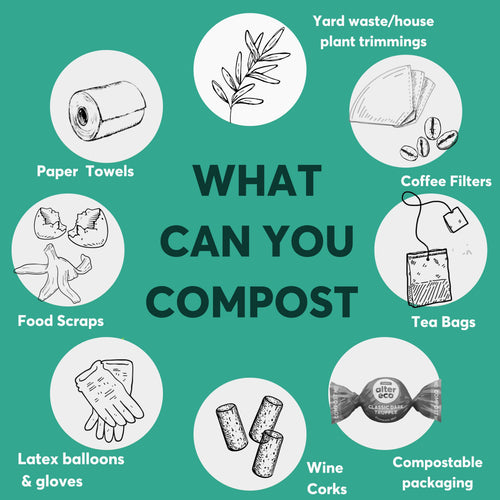
Are you tired of tossing kitchen scraps into the trash and watching them go to waste? What if you could turn those everyday leftovers into rich, healthy compost for your garden?
Knowing exactly what kitchen scraps can go in compost is the first step to reducing waste and boosting your plants’ growth. You’ll discover simple tips to make composting easy and effective. Keep reading to learn how to transform your kitchen waste into something valuable that benefits both your home and the environment.
Credit: canadale.ca
Compost Basics
Composting kitchen scraps is a simple way to turn everyday waste into something valuable for your garden. Understanding the basics helps you decide what to compost and how to do it right. Let's look at why composting kitchen scraps makes sense and how it helps the environment.
Why Compost Kitchen Scraps
You might wonder why you should bother composting food scraps instead of just tossing them in the trash. Composting reduces the amount of waste sent to landfills, which can lower your household's carbon footprint.
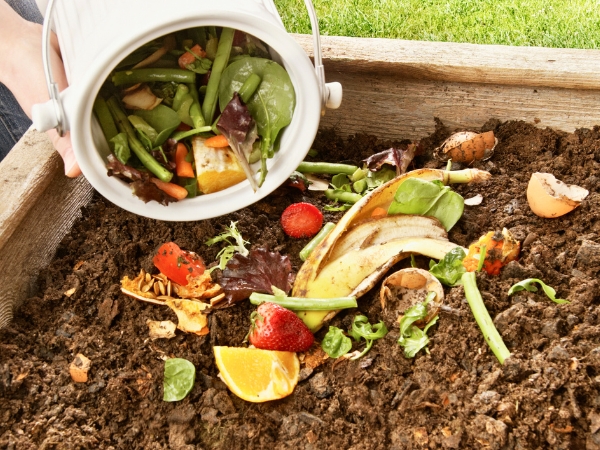
Kitchen scraps like vegetable peels, coffee grounds, and eggshells break down quickly and add essential nutrients to your compost. This creates rich soil that helps your plants grow better without needing chemical fertilizers.
Think about the last time you threw away fruit peels—could those scraps nourish your garden instead? Composting gives your waste a second life and saves money on gardening supplies.
How Composting Benefits The Environment
Composting cuts down on methane gas emissions, a harmful greenhouse gas released by decomposing food in landfills. By composting, you help reduce air pollution and combat climate change.
Healthy soil created by compost retains water better, which means less need for irrigation. This helps conserve water, an important resource in many areas.
Besides improving soil health, composting supports biodiversity. It encourages worms, microbes, and insects that keep your garden ecosystem balanced and thriving.

Credit: www.bamboozlehome.com
Safe Kitchen Scraps For Compost
Knowing which kitchen scraps are safe for compost helps you create rich, healthy soil without unwanted pests or odors. Your compost pile thrives on scraps that break down easily and add valuable nutrients. Let’s look at some common kitchen leftovers you can confidently add to your compost bin.
Fruit And Vegetable Peels
Fruit and vegetable peels are compost gold. They break down quickly and add important nutrients like nitrogen and potassium to your pile. Citrus peels, onion skins, and potato peels all work well, but be cautious with large amounts of citrus as it can increase acidity.
Have you noticed how your compost speeds up when you toss in apple cores or carrot tops? That’s because these scraps provide moisture and organic matter that microbes love.
Coffee Grounds And Tea Bags
Used coffee grounds are a fantastic addition to compost. They add nitrogen and improve soil texture. Tea bags can also go in, but make sure they’re made of natural fibers and don’t contain plastic.
Next time you brew your morning coffee, save those grounds instead of tossing them. You’ll be surprised how much they boost your compost’s health.
Eggshells
Eggshells add calcium to your compost, which helps plants build strong cell walls. Rinse them to reduce smell and crush them to speed up decomposition. Avoid adding too many at once; moderation is key.
Have you ever noticed your plants thriving after adding eggshells? That’s the calcium working its magic in your garden soil.
Bread And Grains
Stale bread, pasta, and rice can be composted but in small amounts. They break down but can attract pests if added in large quantities. Mixing them well into the pile helps prevent unwanted visitors.
Think about your last sandwich crust—rather than throwing it away, crumble it into your compost for an extra nutrient boost.
Nut Shells
Hard nut shells like those from walnuts, almonds, and pecans are safe for compost but take longer to break down. Crushing or breaking them into smaller pieces speeds up decomposition. Avoid nutshells treated with salt or chemicals.
Ever wondered what to do with all those nutshells after a snack? Composting them is a simple way to reduce waste and enrich your soil over time.
Scraps To Avoid
Not all kitchen scraps belong in your compost bin. Some items can cause bad smells, pests, or slow down the composting process. Avoiding these scraps helps keep your compost healthy and effective.
Meat And Dairy Products
Meat and dairy scraps attract unwanted pests like rats and flies. They can also create strong odors that spoil your compost area. Avoid adding items like bones, cheese, milk, and cooked meats.
Oils And Fats
Oils and fats do not break down easily in compost. They can create greasy layers that block air flow. Avoid pouring cooking oil, butter, or salad dressings into your compost pile.
Diseased Plants
Diseased plants can spread infections in your compost. This can harm your garden when you use the finished compost. Avoid adding plants with mold, fungus, or signs of disease.
Synthetic Materials
Synthetic materials do not decompose and pollute the compost. Avoid plastics, glass, metals, and any non-organic items. Only natural scraps help create good compost.
Preparing Scraps For Composting
Preparing kitchen scraps for composting is vital for efficient decomposition. Proper preparation ensures your compost pile remains healthy and active. By following a few simple steps, you can transform kitchen waste into valuable compost.
Chopping And Shredding
Chop or shred scraps into smaller pieces. This increases the surface area. Smaller pieces break down faster. Use a knife or scissors for chopping. Shredding is great for tougher materials. This process speeds up composting.
Balancing Greens And Browns
Maintain a balance between green and brown materials. Greens are rich in nitrogen. Examples include fruit peels and vegetable scraps. Browns provide carbon. These are items like dry leaves or paper. A good balance promotes efficient decomposition.
Maintaining Moisture Levels
Moisture is crucial for composting. Scraps should be damp, not wet. Squeeze excess water from scraps if necessary. Too much moisture can slow the process. Keep the pile covered to retain moisture. Check regularly to ensure it's not too dry.
Composting Methods
Composting transforms kitchen scraps into rich soil for plants. Various composting methods suit different spaces and lifestyles. Each method uses natural processes to break down food waste. Understanding these methods helps you choose the best one for your home.
Traditional Backyard Composting
This method uses a compost pile or bin outdoors. Kitchen scraps like vegetable peels and coffee grounds go in. Add yard waste like leaves and grass clippings for balance. Turn the pile regularly to add air and speed up decay. This method needs space and some effort but yields rich compost.
Vermicomposting With Worms
Vermicomposting uses special worms to break down scraps quickly. Worms eat food waste and produce nutrient-rich castings. This method works well indoors or in small spaces. Use a worm bin with bedding like shredded paper. Add fruit and vegetable scraps but avoid meat or dairy. Worms keep the compost healthy and odor-free.
Indoor Compost Bins
Indoor bins help compost inside kitchens or apartments. They come in various sizes and styles to fit any space. Some use filters to control smell and flies. Kitchen scraps like fruit peels, eggshells, and coffee grounds work well. Stir the compost regularly to keep it fresh. This method is simple and suits small living areas.
Troubleshooting Compost Issues
Composting kitchen scraps is a great way to reduce waste and nourish your garden, but sometimes things don’t go as smoothly as expected. Troubleshooting common compost issues can save you time and frustration. Understanding how to manage odors, control pests, and fix slow decomposition will keep your compost pile healthy and productive.
Managing Odors
Bad smells often mean your compost pile is too wet or lacks enough air. You can fix this by turning the pile regularly to let oxygen in and help materials break down faster.
Adding dry, carbon-rich materials like shredded newspaper or dry leaves helps balance moisture and reduce odors. Avoid putting in meat, dairy, or oily scraps as they tend to create strong smells.
Do you notice a sour or ammonia-like smell? That usually means too much nitrogen-rich food waste is present. Mixing in more browns like cardboard or straw can restore balance quickly.
Controlling Pests
Flies, rodents, and other pests are attracted to food scraps in your compost if it’s not properly managed. Keeping your scraps buried under a layer of browns helps keep pests away.
Use a compost bin with a lid or mesh to prevent animals from getting in. If you spot pests, check for exposed food scraps or overly wet spots that might be inviting them.
Have you ever had fruit flies swarm your compost? Placing a small tray of apple cider vinegar nearby can trap them while you fix the pile. Remember, pests signal something is off with your compost balance.
Fixing Slow Decomposition
When your compost takes forever to break down, it’s often missing the right mix of materials or enough moisture. Make sure you have a good balance of green (nitrogen) and brown (carbon) scraps.
Turning the pile regularly speeds up decomposition by adding oxygen. If the pile feels dry, sprinkle some water but avoid soaking it.
Think about what you’ve added recently. Did you add a lot of tough items like citrus peels or large pieces of vegetable scraps? Cutting these into smaller pieces can help microbes work faster.
Using Finished Compost
Using finished compost is a great way to give back to the earth. It is dark, crumbly, and full of nutrients. This natural material helps plants grow strong and healthy. It improves soil texture and water retention. Compost also supports beneficial microbes that protect plants. Here are some practical ways to use finished compost around your home and garden.
Gardening And Soil Enrichment
Mix finished compost into garden beds before planting. It adds essential nutrients and improves soil structure. Compost helps sandy soil hold moisture and clay soil drain better. Spread a thin layer of compost on top of the soil to refresh it. This encourages earthworms and beneficial bacteria. Plants grow faster and resist pests with compost-enriched soil.
Houseplants And Potting Mixes
Add compost to potting soil for houseplants. It supplies a slow release of nutrients that plants need. Mix one part compost with two parts potting soil for best results. Compost improves air flow and moisture retention in pots. Your houseplants will have stronger roots and greener leaves. Avoid using too much compost alone, as it can be dense.
Lawn Care Applications
Spread a thin layer of compost over your lawn. It helps grass grow thicker and greener. Compost adds nutrients and improves soil health under the grass. Use a rake to work compost into bare or thin lawn patches. Compost reduces the need for chemical fertilizers. It also helps lawns recover from drought and stress.

Credit: www.youtube.com
Frequently Asked Questions
What Kitchen Scraps Are Best For Composting?
Vegetable peels, fruit scraps, coffee grounds, eggshells, and tea bags are excellent for compost. Avoid meat, dairy, and oily foods as they attract pests and slow decomposition.
Can I Compost Citrus Peels And Onion Skins?
Yes, citrus peels and onion skins can be composted in small amounts. They break down slowly, so chop them finely to speed up decomposition.
Are Bread And Pasta Scraps Compostable?
Bread and pasta scraps can go into compost but in moderation. They decompose quickly but may attract rodents if added excessively.
Is It Safe To Compost Cooked Food Leftovers?
Cooked food scraps should be composted carefully. Avoid fatty or oily leftovers, and chop scraps to reduce odors and pests.
Conclusion
Composting kitchen scraps helps reduce waste and enrich soil naturally. Fruit peels, vegetable bits, coffee grounds, and eggshells work well. Avoid meat, dairy, and oily foods as they attract pests. Composting saves money and supports healthy plants. Start small and watch your scraps turn into rich compost.
It’s an easy way to help the environment every day. Try it and see the benefits in your garden and home. Simple steps create big changes over time.