
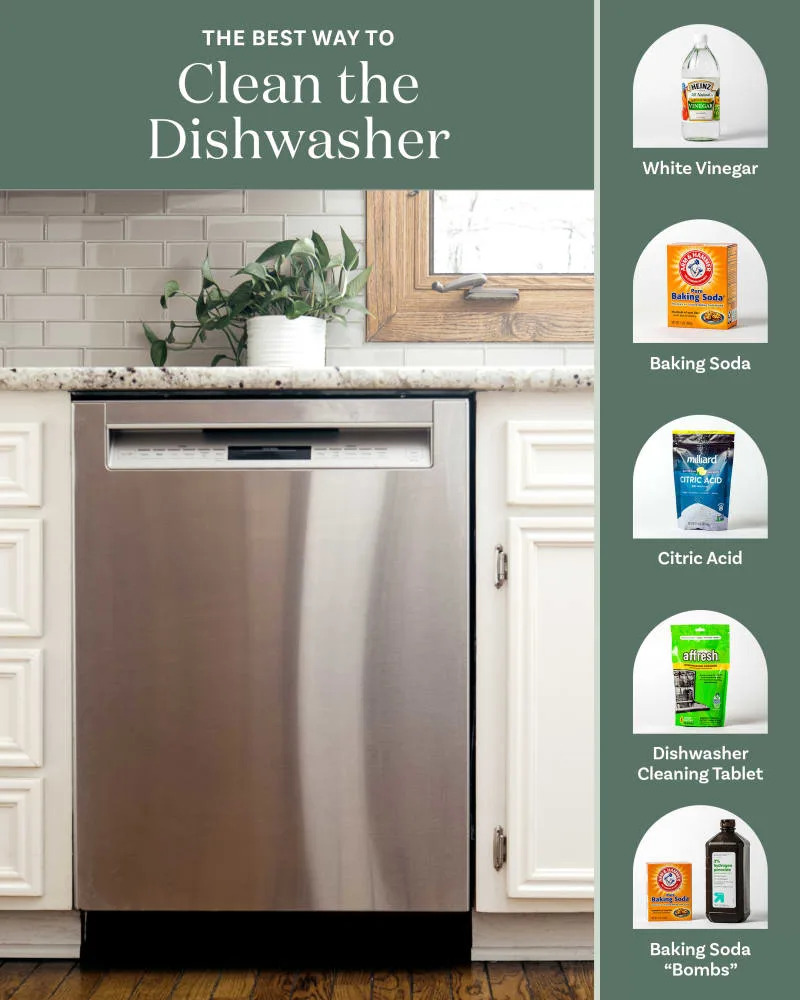
When it comes to cleaning your kitchen, choosing the right material can make all the difference. You want something that works fast, is gentle on surfaces, and keeps your space sparkling clean without extra effort.
But with so many options out there, how do you know which one is truly the best for your kitchen? Keep reading, because we’re about to reveal the top materials that will make your cleaning routine easier, safer, and more effective than ever before.
Your kitchen deserves the best—let’s find out what that is.
Common Kitchen Cleaning Materials
Choosing the right material for cleaning your kitchen can make a big difference in how efficiently you tackle messes. Each cleaning tool has its strengths and ideal uses, depending on the surface and type of dirt. Understanding common kitchen cleaning materials helps you pick the best option for your daily tasks.
Microfiber Cloths
Microfiber cloths are excellent for wiping down countertops, appliances, and even glass surfaces. They trap dust and grease without the need for harsh chemicals, making them a safer choice for your kitchen. I’ve found that a damp microfiber cloth quickly removes sticky spills without leaving streaks or lint behind.
These cloths dry fast and can be washed repeatedly, which saves money and reduces waste. Have you noticed how much smoother your cleaning routine gets when you switch to microfiber?
Sponges And Scrubbers
Sponges are versatile and come in many forms, from soft cellulose to abrasive scrubbers. They work well for washing dishes and cleaning stubborn grime on pots and pans. However, sponges can harbor bacteria if not cleaned properly, so replacing them regularly is key.
Scrubbers with rough surfaces are great for tackling baked-on food, but they might scratch delicate surfaces. Consider using different sponges for different tasks to keep your kitchen hygienic and your tools effective.
Paper Towels
Paper towels offer convenience and quick cleanup, especially for small spills and drying hands. They’re disposable, which means less chance for germs to spread, but this also creates more waste. Using them sparingly or opting for recycled varieties can help reduce your environmental impact.
Keep a roll handy for emergency messes, but don’t rely on paper towels for everyday cleaning to avoid unnecessary expenses.
Steel Wool Pads
Steel wool pads excel at removing tough, burnt-on residue from pots, pans, and grills. They’re abrasive and can restore shine to metal surfaces, but they can also scratch non-stick coatings or delicate finishes. Always test on a small area before using steel wool on your cookware.
Have you ever struggled to clean a cast iron skillet? Steel wool might be your secret weapon, but use it cautiously to avoid damaging your kitchen tools.

Credit: www.carawayhome.com
Material Effectiveness On Different Surfaces
Choosing the right cleaning material depends a lot on the surface you're tackling. Each kitchen surface reacts differently to materials like microfiber cloths, sponges, or scrub brushes. Understanding how these materials work on various surfaces helps you protect your kitchen while keeping it spotless.
Countertops And Cabinets
For countertops and cabinets, a soft microfiber cloth is usually your best bet. It lifts dust and grime without scratching delicate finishes. If you deal with stubborn stains, a gentle sponge with mild detergent can work well, but avoid anything too abrasive.
Have you ever used a rough scrubber on a painted cabinet? It can leave tiny scratches that dull the finish over time. Stick to soft materials to keep your surfaces looking fresh longer.
Stainless Steel Appliances
Stainless steel needs special care to avoid streaks and fingerprints. Microfiber cloths combined with a little bit of white vinegar or a dedicated stainless steel cleaner work wonders. Avoid using steel wool or harsh scrubbers, as they can cause permanent scratches.
One trick I learned is to always wipe in the direction of the grain. This simple step makes your appliances shine without damaging them.
Glass And Mirrors
For glass and mirrors, microfiber cloths shine—literally. They prevent streaks and lint buildup much better than paper towels. Spray your cleaner on the cloth, not directly on the glass, to avoid drips and smears.
Have you noticed how some cloths leave fuzz behind? Choosing a high-quality microfiber cloth can save you from re-cleaning the same spot multiple times.
Cookware And Utensils
Cookware and utensils require materials that clean effectively but don't damage surfaces. Non-abrasive sponges are perfect for non-stick pans, while stainless steel scrubbers can handle tougher grime on pots and pans. Wooden utensils respond well to gentle cleaning with dish soap and a soft cloth.
Consider the material of your cookware before choosing your cleaning tool. Using a harsh scrubber on a non-stick pan can ruin its coating, forcing you to replace it sooner than expected.
Durability And Longevity
Durability and longevity are key factors for choosing kitchen cleaning materials. Strong materials last longer and save money. They also reduce waste by cutting down replacements. Choosing durable tools means fewer trips to buy new items. Quality materials handle tough kitchen messes without breaking or wearing out quickly. This makes cleaning easier and more efficient.
Reusable Vs Disposable Options
Reusable cleaning tools often use stronger materials like microfiber or silicone. They hold up well after many uses and washes. Disposable options, like paper towels or single-use wipes, are convenient but tear easily. They create more trash and need frequent replacement. Reusable items cost more at first but save money over time. Disposable tools suit quick cleanups but do not last.
Maintenance Tips For Cleaning Tools
- Rinse tools thoroughly after each use.
- Allow them to air dry to prevent mold and odor.
- Wash reusable cloths in warm water regularly.
- Replace tools showing wear, like frayed edges or cracks.
- Store cleaning materials in dry, ventilated areas.
Health And Safety Considerations
Choosing the right cleaning materials is crucial for kitchen health and safety. Safe cleaning practices prevent harmful bacteria and protect family members. Materials must be effective against germs and safe for everyone.
Bacterial Growth And Hygiene
Some materials resist bacterial growth better than others. Microfiber cloths are popular for their ability to trap dirt and germs. They don't scratch surfaces and are easy to clean. Always wash microfiber cloths after each use to maintain hygiene.
Chemical Compatibility
Not all cleaning materials react well with chemicals. Some can degrade or release harmful substances. Use stainless steel or glass for chemical-based cleaning. They are less likely to react with cleaning agents. Always read labels and instructions carefully.
Allergy And Sensitivity Issues
Some cleaning materials can trigger allergies or skin sensitivities. Choose hypoallergenic materials when possible. Natural fibers like cotton are gentle on the skin. Ensure cleaning products are free from harsh chemicals and fragrances.
Environmental Impact
Choosing the right cleaning material affects the environment a lot. Many kitchen cleaning tools and products stay in landfills for years. Some materials break down quickly, causing less harm. Others add to pollution and waste. Understanding the environmental impact helps pick better options for your kitchen and the planet.
Biodegradable Materials
Biodegradable materials break down naturally in soil or water. They do not leave harmful residues behind. Examples include cotton cloths, cellulose sponges, and bamboo scrubbers. These materials reduce plastic waste and pollution. They also return nutrients to the earth after disposal. Using biodegradable options lowers your kitchen’s carbon footprint.
Waste Reduction Strategies
Cutting waste means using cleaning items longer and smarter. Reusable cloths and sponges last more than single-use wipes. Washing and drying cleaning tools properly extends their life. Avoid products with excessive packaging to reduce trash. Small changes in habits can lead to big waste reduction. This helps keep kitchens cleaner and landfills smaller.
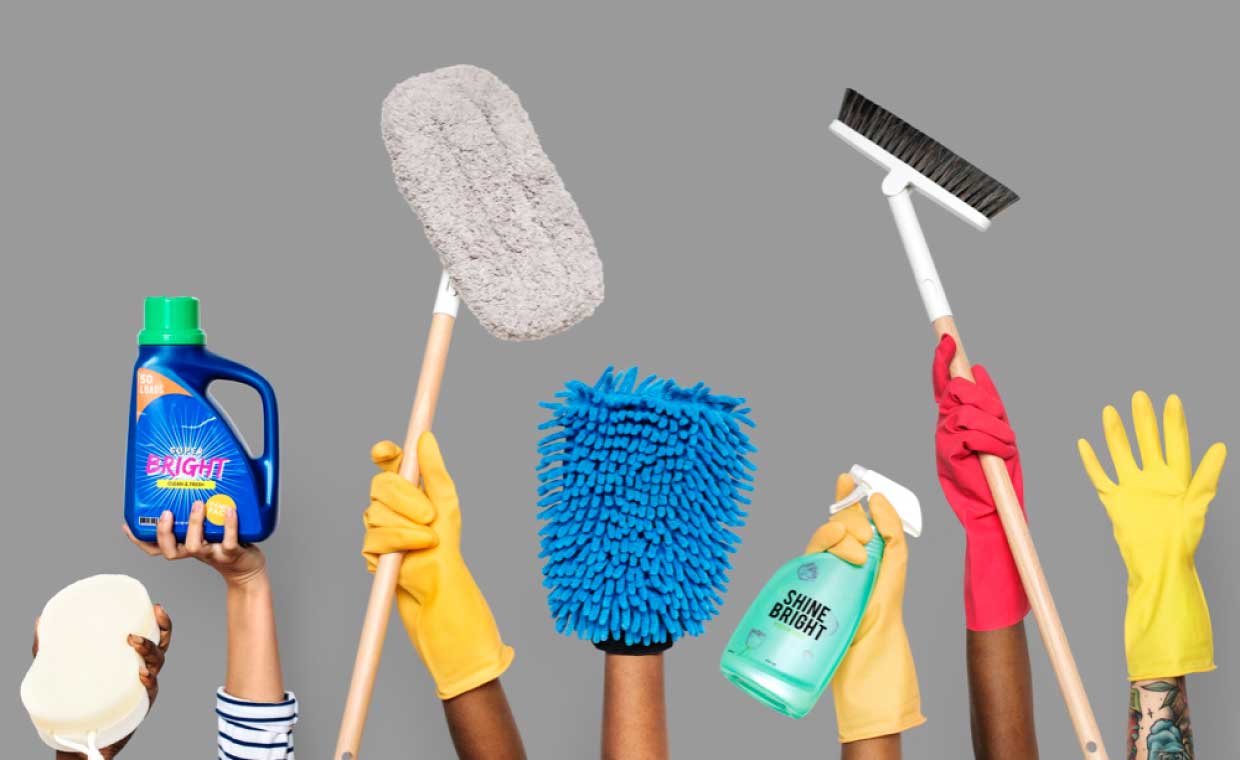
Eco-friendly Cleaning Alternatives
Eco-friendly products use natural or plant-based ingredients. They avoid harsh chemicals that harm water and soil. Examples include vinegar, baking soda, and castile soap. These alternatives clean well without toxic effects. Choosing eco-friendly options supports healthier homes and ecosystems. They also often come in recyclable or minimal packaging.
Credit: gharpedia.com
Cost And Availability
Choosing the right material for cleaning your kitchen depends on cost and availability. These two factors affect how practical and easy it is to maintain cleanliness daily.
Some materials offer great cleaning power at low prices. Others may cost more but last longer or perform better. Knowing where to find these items also matters for convenience.
Budget-friendly Choices
Many kitchen cleaning materials cost very little. Common sponges, microfiber cloths, and basic scrubbers fit this category. They work well on most surfaces and are easy to replace.
These options help keep your kitchen clean without spending much money. You can buy them in bulk for even better savings. They suit families or anyone with a tight budget.
Premium Cleaning Materials
Some cleaning products come with higher prices but offer special benefits. Natural fiber cloths, heavy-duty scrub pads, and reusable silicone scrubbers last longer. They can reduce waste and improve cleaning results.
Premium materials often resist stains and odors better. They may cost more upfront but save money over time. These are ideal for people who prefer quality and durability.
Where To Buy
- Supermarkets and grocery stores sell everyday cleaning supplies.
- Online stores offer a wide range, including premium options.
- Specialty kitchen shops provide high-quality and eco-friendly materials.
- Discount stores can be good for affordable bulk purchases.
Choosing a reliable place to buy ensures you get genuine and effective products. It also affects how fast you can restock your cleaning materials.
Tips For Choosing The Best Cleaning Material
Choosing the right cleaning material for your kitchen can make a big difference in how effective and efficient your cleaning routine is. The best material depends on what you need it for, how much you want to spend, and what feels comfortable for you to use. Let's look at some useful tips to help you pick the perfect cleaning tools and products for your kitchen tasks.
Matching Material To Task
Not all cleaning materials work well for every kitchen job. For scrubbing tough stains on pots, a steel wool pad works better than a soft sponge. But for wiping delicate surfaces like glass or stainless steel, microfiber cloths are your best friend since they clean without scratching.
Think about the surfaces you clean most often. Are you wiping counters, scrubbing dishes, or cleaning appliances? Choose materials designed for those specific tasks to save time and avoid damage. Have you ever ruined a countertop by using a harsh scrubber? Matching the material to the job prevents that kind of mistake.
Balancing Cost And Performance
High-end cleaning materials often promise better results, but they don't always fit every budget. Sometimes, a moderately priced sponge or cloth can do the job just as well if used correctly. Consider how often you clean and whether the material holds up over time.
Buying in bulk can lower costs, but beware of sacrificing quality. For example, cheap sponges might fall apart quickly, costing you more in replacements. How much are you willing to invest upfront to get better durability and performance?
User Preferences And Habits
Your personal comfort and habits play a big role in choosing cleaning materials. If you dislike the feel of rough scrubbers, you might avoid cleaning certain areas thoroughly. Picking materials that feel good in your hands can make cleaning less of a chore.
Some people prefer eco-friendly options like reusable cloths, while others want disposable wipes for convenience. Reflect on your routine and how much time you spend cleaning. Would changing your materials improve your experience or results?

Credit: www.kitchendeepcleaninglondon.co.uk
Frequently Asked Questions
What Is The Best Material For Kitchen Cleaning Cloths?
Microfiber cloths are the best for kitchen cleaning. They trap dirt and bacteria effectively. They are durable, reusable, and gentle on surfaces, making them ideal for various kitchen tasks.
Which Sponge Material Cleans Kitchen Surfaces Safely?
Natural cellulose sponges are safe and eco-friendly. They absorb water well and scrub gently without scratching surfaces. They also break down faster in the environment compared to synthetic sponges.
Are Stainless Steel Scrubbers Good For Kitchen Cleaning?
Stainless steel scrubbers work well on tough grime and burnt food. However, they can scratch delicate surfaces. Use them only on pots, pans, and sturdy cookware.
Why Choose Microfiber Over Cotton For Kitchen Cleaning?
Microfiber attracts dust and grease better than cotton. It dries faster and resists bacteria buildup. This makes microfiber more hygienic and efficient for kitchen cleaning.
Conclusion
Choosing the right material makes kitchen cleaning easier and safer. Soft cloths protect surfaces but may need frequent washing. Sponges work well but can hold bacteria if not cleaned often. Microfiber cloths absorb dirt and dry quickly. Scrub brushes remove tough stains without scratching.
Think about your kitchen needs and pick what suits you best. Clean tools help keep your kitchen fresh and healthy. Simple choices lead to better, faster cleaning every day.