

Why is My Kitchen Aid Food Processor Not Working: Is your KitchenAid food processor suddenly refusing to work? It’s frustrating when a trusted kitchen helper stops functioning just when you need it most.
You might be wondering why it won’t start, make noise, or chop like it used to. Don’t worry—you’re not alone, and the fix might be simpler than you think. You’ll discover the common reasons behind your KitchenAid food processor’s problems and easy steps to get it running smoothly again.
Keep reading to save time, avoid costly repairs, and bring your kitchen back to life.

Credit: www.kitchenaid.com
Common Issues
Common issues can stop your Kitchen Aid food processor from working. These problems often cause frustration and delays in the kitchen. Understanding the usual faults helps fix the device quickly. Many issues are simple to identify and solve. Here are the most frequent causes of malfunction.
Power Supply Problems
Check if the food processor is plugged in properly. A loose connection can stop it from turning on. Examine the power outlet by testing another device. A tripped circuit breaker might cut power to the outlet. The power cord could be damaged or broken. Inspect the cord carefully for any cuts or frays. Sometimes, the internal fuse in the food processor blows. This fuse protects the motor from electrical damage.
Blade Assembly Errors
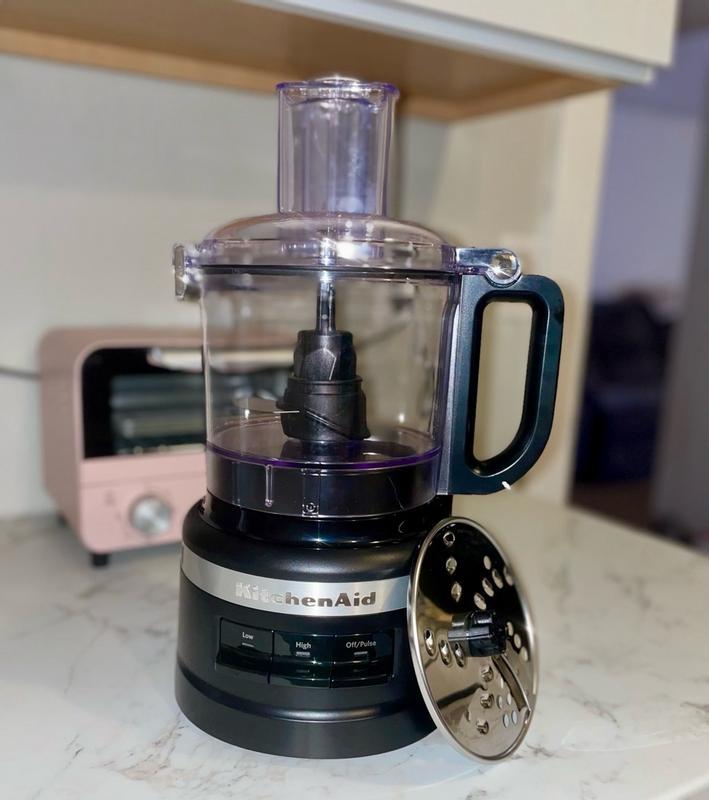
The blade must be installed correctly for the processor to work. Misaligned blades can prevent the motor from starting. Clean the blade and the bowl to remove any stuck food. Food debris can block the safety lock mechanism. The safety lock ensures the processor runs only when assembled. Make sure all parts click into place firmly. A damaged or warped blade assembly can cause issues too.
Motor Overheating
Running the processor for too long can cause the motor to overheat. Overheating triggers an automatic shutoff to protect the motor. Let the device cool down before trying again. Thick or heavy ingredients increase motor strain. Process in smaller batches to avoid overheating. Blocked vents reduce airflow and cause heat buildup. Clean vents regularly to keep air flowing freely.
Credit: www.kitchenaid.com
Basic Troubleshooting
Basic troubleshooting helps find simple issues with your Kitchen Aid food processor. This saves time and avoids costly repairs. Most problems come from power, safety locks, or the need to reset. Start here before calling for service.
Checking The Power Source
Make sure the food processor is plugged in securely. Try a different outlet to rule out power problems. Look for any visible damage on the power cord. A loose connection or broken cord can stop the machine from working.
Inspecting The Safety Locks
Kitchen Aid food processors have safety locks to prevent accidents. Check that all parts are assembled correctly and locked in place. The processor will not run if the lid or bowl is not secured properly. Clean any dirt or food stuck near the locks.
Resetting The Processor
Unplug the machine and wait for about a minute. Plug it back in and try to turn it on. This can reset the internal system. Sometimes, the processor needs a simple restart to work again.
Cleaning And Maintenance
Keeping your Kitchen Aid food processor in top shape often comes down to simple cleaning and maintenance. Neglecting these can lead to performance issues or even complete failure. Let’s look at key areas that might be causing your food processor to stop working and how you can fix them.
Removing Food Residue
Food particles trapped in the blades or motor base can block proper functioning. After each use, carefully remove the bowl and blades and wash them thoroughly with warm soapy water. Pay close attention to the crevices where food tends to get stuck; leftover residue can cause the processor to jam or overheat.
Have you ever noticed a strange smell or heard unusual noises? This often means residue is causing strain on the motor. Cleaning these spots immediately can save you from costly repairs.
Lubricating Moving Parts
Did you know that some moving parts in your food processor require occasional lubrication? Without it, friction increases, and components can wear out faster. Use a small amount of food-safe lubricant on the shaft and any other recommended areas to keep the movement smooth and quiet.
If your processor feels stiff or makes grinding sounds, it might be time to lubricate. Check your user manual to identify which parts need attention and what type of lubricant to use to avoid damage.
Regular Maintenance Tips
- Always unplug the processor before cleaning or maintenance to avoid accidents.
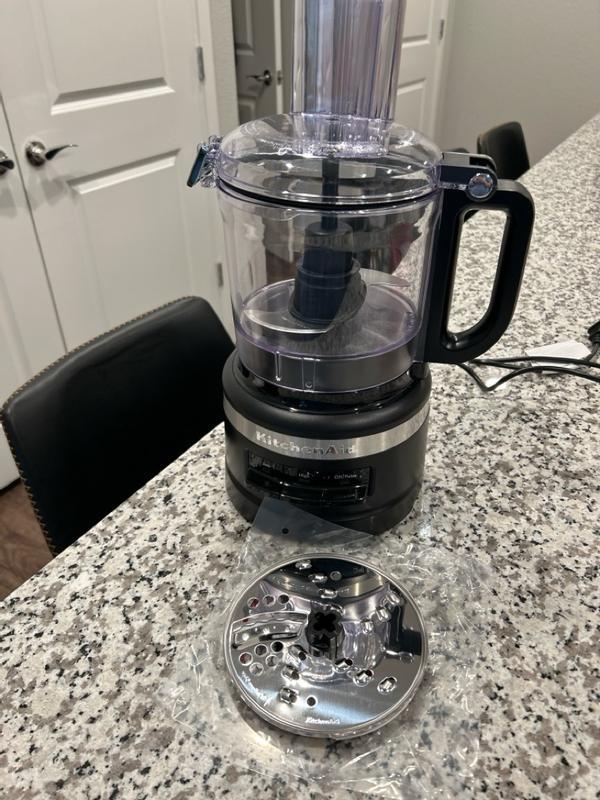
- Inspect the blades regularly for dullness or damage; sharp blades improve efficiency and reduce motor strain.
- Store the processor in a dry place to prevent rust or electrical issues.
- Run the processor with a little water and dish soap every few uses to clean internal parts gently.
- Check the power cord and plug for wear or fraying; damaged cords can cause intermittent power problems.
How often do you check your food processor beyond just washing it? Setting a simple routine for maintenance can extend its life and keep it working like new. The little effort you invest now can save you from the frustration of unexpected breakdowns later.
Credit: www.kitchenaid.com
When To Replace Parts
Parts should be replaced when the food processor shows signs of wear or stops working properly. Worn-out blades, seals, or motors often cause problems. Timely replacement helps restore the appliance’s function and prevents further damage.
Understanding when to replace parts in your Kitchen Aid food processor can save you a lot of frustration and ensure smooth operation. Certain components naturally wear out over time, impacting performance. Knowing which parts to check and replace can be the difference between a quick fix and needing a whole new machine.
Worn Blades And Discs
Blades and discs are crucial for efficient processing. Over time, they can become dull or worn, leading to uneven chopping or blending. If your vegetables look more bruised than diced, it might be time to swap out the blades. Consider investing in a new set of blades if you notice a significant drop in cutting performance. This small change can breathe new life into your food processor, making meal prep quicker and easier.
Damaged Power Cord
A damaged power cord is not only inconvenient but also dangerous. If you notice fraying or exposed wires, it's crucial to address this immediately. Replacing a damaged cord can prevent electrical hazards and ensure your appliance runs smoothly. Think of a power cord replacement as a small investment in your safety and the longevity of your device. It's often a simple fix that can spare you bigger headaches down the line.
Faulty Motor Components
The motor is the heart of your food processor. If it’s not functioning correctly, you might hear unusual noises or experience inconsistent speeds. These are signs that the motor components may need attention. Replacing faulty motor parts can restore your processor’s power and efficiency. Have you ever considered how much easier life would be if your machine ran like new? Taking action now can keep your food processor humming along for years to come.
Professional Repair Options
If your Kitchen Aid food processor suddenly stops working, professional repair options can be a reliable way to get it back in action. Trusting experts ensures that the issue is diagnosed correctly and fixed with genuine parts. This not only extends the life of your appliance but also keeps it safe to use.
Authorized Service Centers
Authorized service centers specialize in Kitchen Aid appliances. They have access to original replacement parts and follow the manufacturer’s repair guidelines closely. Visiting one means your food processor is handled by technicians trained specifically for your model.
Have you ever noticed how using non-certified repair services sometimes leads to repeated breakdowns? Authorized centers reduce this risk significantly.
Warranty And Repair Costs
Check if your food processor is still under warranty before seeking repairs. If it is, repairs at authorized centers might be free or cost significantly less. However, if the warranty has expired, you’ll need to weigh the repair cost against the price of a new unit.
Some repairs can be surprisingly affordable, especially if it involves replacing small parts like seals or switches. Ask for a detailed quote upfront to avoid any surprises.
Finding Local Technicians
If there’s no authorized service center nearby, local technicians can be a good alternative. Look for those with good reviews and experience in Kitchen Aid appliances to ensure quality work. Don’t hesitate to ask about their repair process and parts used.
Sometimes, local repair shops offer faster service and more flexible pricing. Would you prefer a quick fix close to home, or are you okay with sending your food processor away for expert care?
Frequently Asked Questions
Why Won’t My Kitchen Aid Food Processor Start?
Your food processor may not start due to improper assembly or a safety lock issue. Ensure all parts are correctly locked. Check the power source and reset the appliance if needed.
How Do I Reset A Kitchen Aid Food Processor?
Unplug the food processor and wait for 5 minutes. Reassemble the parts securely and plug it back in. This often resets the safety mechanism and resolves basic issues.
What Causes Kitchen Aid Food Processor Blades To Stop Spinning?
Blades may stop due to motor overload or blockage. Turn off and unplug the unit. Remove any stuck food debris and avoid overfilling to prevent motor strain.
Why Is My Kitchen Aid Food Processor Making A Buzzing Noise?
A buzzing noise usually indicates a jammed motor or blade. Stop the machine, unplug it, and check for obstructions. Clean and reassemble before restarting.
Conclusion
A Kitchen Aid food processor not working can feel frustrating. Check simple issues first, like power and assembly. Small fixes often solve common problems quickly. Regular cleaning and proper use keep your machine running well. Don’t ignore warning signs or unusual sounds.
Taking care now saves time and money later. Stay patient and try these tips before calling for help. Your food processor can work smoothly again soon.