
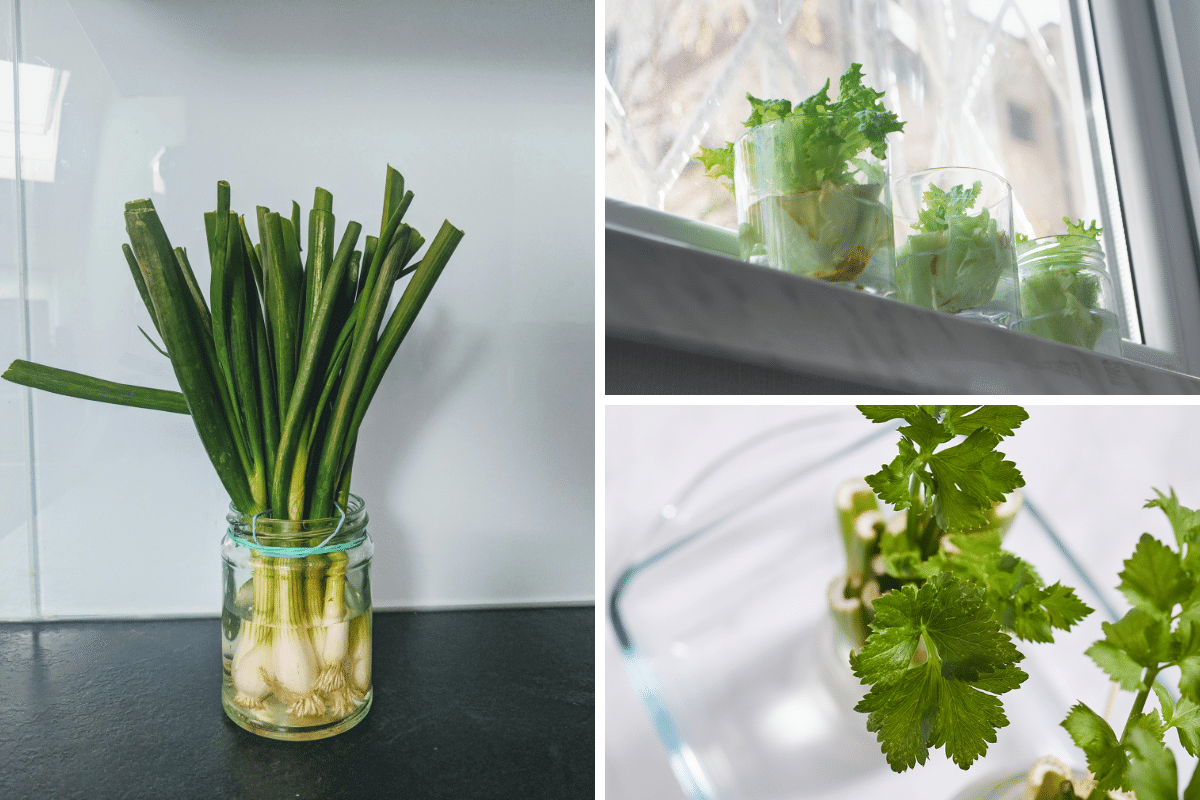
Imagine turning your everyday kitchen scraps into a fresh supply of vegetables right at home. You might be surprised how easy and rewarding it is to regrow vegetables from what you usually toss away.
Not only can this save you money, but it also brings a sense of satisfaction and freshness to your meals. If you want to learn simple steps to breathe new life into your vegetable scraps and watch your kitchen waste transform into vibrant greens, keep reading.
This guide will show you exactly how to do it—no special skills or tools needed!
Benefits Of Regrowing Vegetables
Regrowing vegetables from kitchen scraps offers many benefits beyond just gardening fun. It helps save money, ensures fresh produce, and supports eco-friendly habits. Anyone can start this simple practice at home with little effort. The rewards are both practical and good for the planet.
Save Money And Reduce Waste
Regrowing vegetables cuts down grocery bills. Instead of buying new plants, reuse scraps from your kitchen. This reduces food waste by giving old vegetable parts a new life. Less waste means fewer trips to the store and less trash in landfills. It is an easy way to save money and help the environment.
Fresh Produce At Home
Growing vegetables from scraps guarantees fresh food anytime. You control how plants grow without chemicals. Harvest vegetables straight from your kitchen garden for better taste. This habit encourages healthier eating by having fresh options always available. Homegrown veggies often have more nutrients than store-bought ones.
Eco-friendly Gardening
Regrowing scraps lowers the demand for packaged produce. It reduces carbon footprints linked to transporting food. This simple gardening practice supports sustainable living. Composting scraps and regrowing plants help recycle natural resources. Small actions like these add up to a healthier planet for everyone.
Credit: www.gardenary.com
Best Vegetables To Regrow
Regrowing vegetables from kitchen scraps saves money and reduces waste. Some vegetables regrow faster and easier than others. Choosing the best vegetables makes regrowing more successful and fun. Here are some top vegetables to try at home.
Lettuce And Leafy Greens
Lettuce and leafy greens regrow quickly from scraps. Cut the base and place it in water. New leaves will sprout in a few days. These greens thrive on sunlight and regular water changes.
Green Onions And Leeks
Green onions and leeks regrow well from their roots. Put the white root ends in a glass with water. They grow fresh green tops in about a week. These vegetables need bright light to grow strong.
Carrots And Radishes
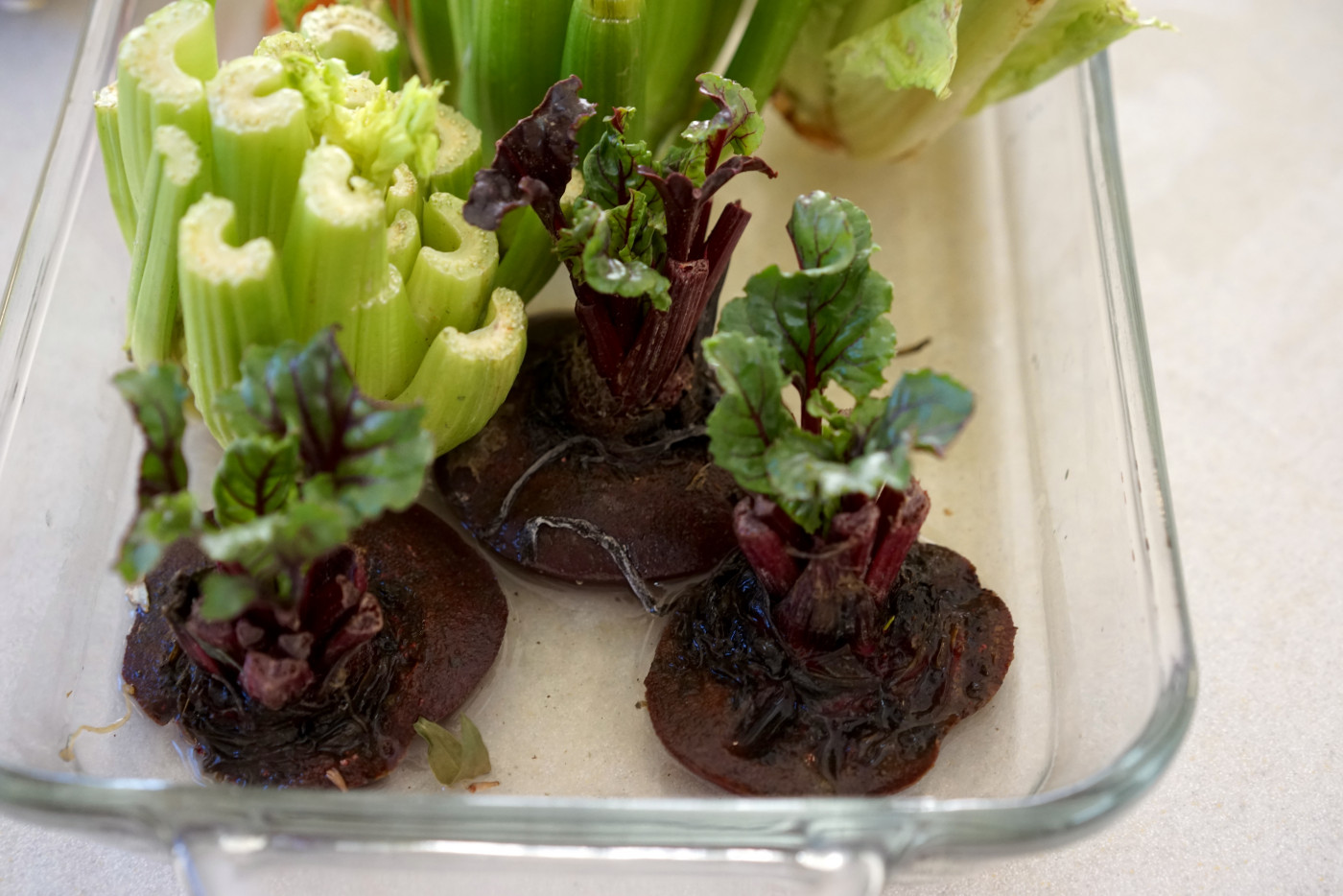
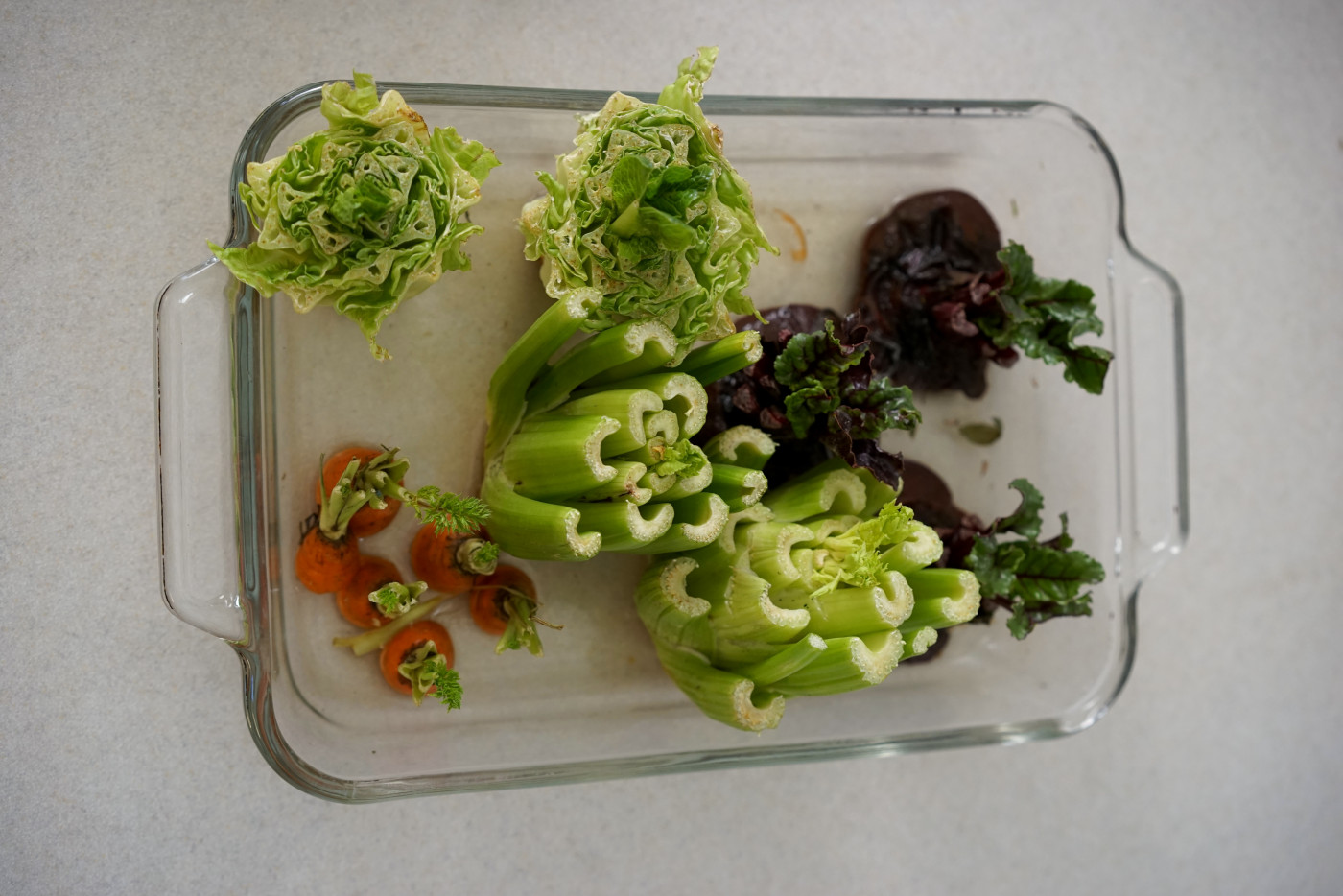
Carrot and radish tops can regrow new greens. Use the cut tops and place them in shallow water. They won’t grow new roots but will produce edible greens. These greens add flavor to salads and soups.
Celery And Bok Choy
Celery and bok choy regrow from their base. Set the bottom part in water and wait for growth. New leaves and stalks will appear in a week or two. They like indirect sunlight and fresh water regularly.
Garlic And Ginger
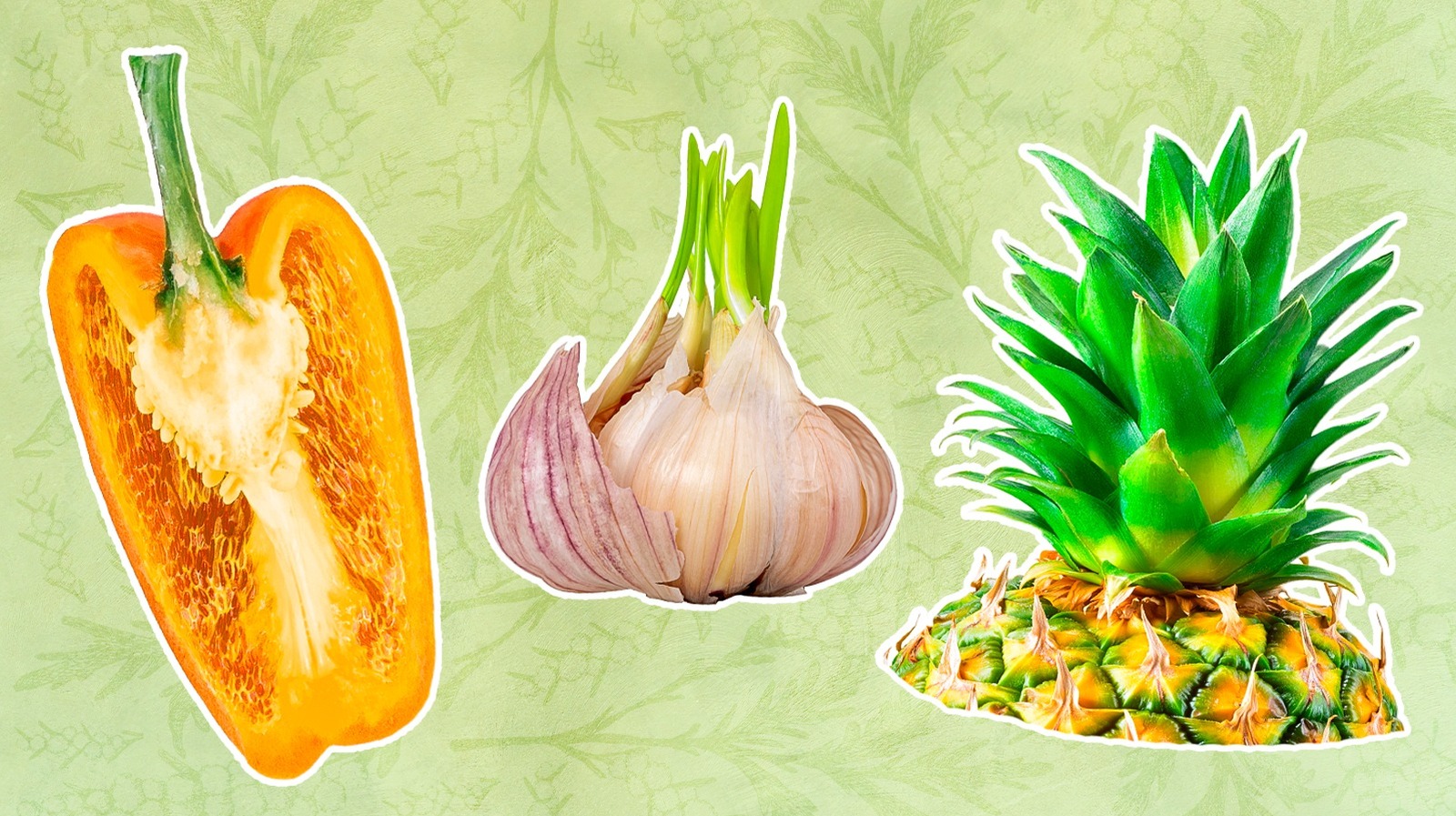
Garlic and ginger regrow from cloves or small pieces. Plant them in soil with the pointed side up. They need warmth and moisture to sprout roots. These vegetables take longer but offer fresh harvests at home.
Preparing Kitchen Scraps
Save vegetable ends like carrot tops, celery bases, and green onion roots. Rinse scraps gently and place them in water or soil to encourage new growth. Keep them in sunlight and change water regularly for best results.
Regrowing vegetables from kitchen scraps is a rewarding experience. It reduces waste and provides fresh produce. The first step is preparing the scraps correctly. This ensures they sprout successfully. Here's how to get started.
Selecting Healthy Scraps
Choose vibrant, healthy vegetable scraps. Avoid those with signs of rot or mold. Fresh, firm scraps have a better chance of regrowth. Look for parts with visible roots or nodes. These are more likely to thrive.
Cleaning And Trimming
Rinse the scraps under cool water. Remove any dirt or debris. Trim away damaged or unhealthy parts. Use a sharp knife for clean cuts. Proper cleaning prevents mold and encourages growth.
Using Water Or Soil Methods
Decide between water or soil for regrowing. Both methods work well. - For water: Place scraps in a shallow bowl. Add enough water to cover the base. Change water every few days. - For soil: Plant scraps in a pot with good drainage. Keep soil moist but not soaked. Each method offers unique benefits. Water is easier for monitoring. Soil provides more nutrients. Choose based on your preference and space. By following these steps, your kitchen scraps will be ready to grow. Enjoy fresh vegetables and reduce waste at home.
Step-by-step Regrowing Process
Regrowing vegetables from kitchen scraps can be a rewarding way to reduce waste and enjoy fresh produce. The process involves a few simple steps that anyone can follow at home. Once you understand how to care for your scraps, you’ll see how easy it is to bring new life to what you might usually throw away.
Rooting In Water
Start by placing your vegetable scraps in a container filled with water. For example, green onions and celery bases root well this way. Change the water every couple of days to prevent bacteria buildup and keep the scraps fresh.
Watch closely as roots and small shoots begin to form within a week. Have you noticed how some scraps sprout faster than others? That’s your cue to move on to the next step.
Planting In Soil
Once the roots are about 2 inches long, it’s time to transfer your scraps into soil. Use a pot with good drainage and fill it with a quality potting mix. Plant the scraps deep enough to cover the roots and gently press the soil around them.
Keep the soil moist but not soggy to encourage healthy growth. I once planted a bunch of green onions this way, and within weeks, I had a fresh supply for cooking. What vegetable scraps do you think you’ll try next?
Providing Proper Light And Temperature
Your regrowing vegetables need plenty of light to thrive. Place your pot near a sunny window where it can get at least 6 hours of indirect sunlight daily. If natural light is limited, consider using a grow light to supplement.
Temperature also matters—most vegetables prefer a warm environment, around 65–75°F (18–24°C). Avoid placing your plants near drafts or heat vents. How do you plan to create the perfect spot for your indoor garden?
Common Challenges And Fixes
Regrowing vegetables from kitchen scraps can be rewarding but also comes with its own set of challenges. Recognizing common problems early helps you fix them fast and keep your plants healthy. Here’s how to tackle some issues you’re likely to face on your regrowing journey.
Dealing With Mold And Rot
Mold and rot often appear when scraps sit too long in water or soil that’s too damp. You might notice a fuzzy white or green layer on the base of your scraps—this is mold taking over.
To stop this, change the water every two days and keep containers clean. If you spot rot, remove the affected parts immediately to prevent spreading. Using well-draining soil or a container with holes helps avoid soggy roots, which cause rot.
Preventing Pests
Pests like aphids and gnats love tender, regrowing scraps. I once ignored a small aphid cluster on my green onions, and they quickly multiplied, stunting growth.
Keep pests away by rinsing scraps before placing them in water or soil. Introducing natural deterrents such as neem oil or a mild soap spray can help. Also, try to keep your regrowing area well-ventilated and avoid overwatering—pests thrive in damp conditions.
Encouraging Strong Growth
Scraps can be delicate and may struggle to grow strong without proper care. You might find your plants growing leggy or slow if they don’t get enough light or nutrients.
Place your scraps in a sunny spot with at least 6 hours of light daily. If natural light is limited, a small grow light works wonders. Adding a diluted, balanced fertilizer once roots appear boosts nutrient supply and encourages robust growth.
Credit: www.gardenary.com
Tips For Sustainable Gardening
Growing vegetables from kitchen scraps is not just about saving money; it’s a chance to garden more sustainably. You can reduce waste, use fewer resources, and still enjoy fresh produce. Here are some practical tips to help your gardening efforts support a healthier planet.
Reusing Containers
Instead of tossing out containers, save jars, yogurt cups, or egg cartons to start your regrowth. They make perfect mini greenhouses that keep moisture in and protect young plants. Think about how many plastic pots you can avoid buying just by giving new life to items around your home.
Make sure to clean containers thoroughly to prevent mold or pests. Small holes for drainage are crucial to keep roots healthy. This simple habit cuts down on plastic waste and makes your garden setup more affordable.
Composting Scraps
Not all scraps can regrow, but many can feed your soil instead. Composting vegetable peels, coffee grounds, and eggshells creates rich, natural fertilizer. Have you noticed how much better your plants grow after adding homemade compost?
Keep a small bin in your kitchen to collect scraps, then add them to your outdoor compost pile. Turn the pile regularly to speed up decomposition. This cycle reduces landfill waste and nourishes your garden without chemicals.
Water Conservation Techniques
Watering wisely saves both water and money while helping your plants thrive. Try watering early in the morning or late in the evening to reduce evaporation. Have you ever checked your soil moisture before watering? It can prevent overwatering, which harms plants.
Mulching around your plants keeps soil moist longer by reducing evaporation. Use grass clippings, leaves, or straw as a protective layer. These small steps make a big difference in how efficiently your garden uses water.
Credit: www.tastingtable.com
Frequently Asked Questions
How Can I Regrow Vegetables From Kitchen Scraps?
You can regrow vegetables by placing scraps like celery, green onions, or lettuce in water. Change the water every few days. Once roots develop, transfer them to soil for continued growth.
Which Vegetables Regrow Best From Kitchen Scraps?
Green onions, lettuce, celery, and carrots regrow well from scraps. Their bases or root ends can be easily revived in water or soil, making them ideal for kitchen regrowing projects.
How Long Does It Take To Regrow Vegetables From Scraps?
Most vegetables start regrowing roots within 5 to 10 days. Leafy greens may take 2 to 3 weeks to show new leaves. Growth speed depends on vegetable type and conditions.
What’s The Best Method To Regrow Vegetables Indoors?
Use a clear container with water to root scraps. Place it in indirect sunlight. After roots grow, plant scraps in soil with good drainage for healthy indoor growth.
Conclusion
Regrowing vegetables from kitchen scraps saves money and reduces waste. It also brings fresh greens to your home easily. Anyone can try this with simple steps and patience. Small efforts grow into healthy plants over time. Start with scraps you usually throw away.
Watch your kitchen scraps turn into new food. Enjoy the fun and reward of growing your own veggies. It’s a simple way to connect with nature every day. Give it a try, and see the green life grow!