
Your kitchen sponge is one of the dirtiest items in your home, even dirtier than you might think. You use it every day to clean dishes, wipe counters, and soak up spills—but do you really know how to keep it clean?
If you don’t clean your sponge properly, it can become a breeding ground for germs that could make you and your family sick. But don’t worry—cleaning your kitchen sponge is easier than you might expect. Keep reading to discover simple, effective ways to clean your sponge and keep your kitchen safe and fresh.
:max_bytes(150000):strip_icc()/hydrogen-peroxide-uses-home-4174809-05-3c126f03778d46f4858d75c2780429a9.jpg)
Credit: www.thespruce.com
Why Clean Your Sponge
Cleaning your kitchen sponge might seem like a small task, but it plays a crucial role in your daily kitchen routine. Neglecting this step can lead to unpleasant odors and even health risks. Understanding why you need to clean your sponge regularly will help you keep your kitchen safe and fresh.
Bacteria And Germ Growth
Sponges are perfect places for bacteria and germs to multiply. They stay damp and often come into contact with food particles, creating an ideal environment for harmful microorganisms.
If you don’t clean your sponge, germs like salmonella and E. coli can thrive. This can lead to food contamination and increase the risk of illness for you and your family.
Have you ever noticed a bad smell coming from your sponge? That’s a clear sign bacteria are growing inside it.
Maintaining Kitchen Hygiene
Your sponge touches many surfaces like dishes, counters, and cutting boards. If it’s dirty, it spreads germs instead of cleaning them up.
Keeping your sponge clean helps maintain the overall hygiene of your kitchen. It ensures that the surfaces you prepare food on stay safer and healthier.
Think about how often you touch your sponge throughout the day—doesn’t it make sense to keep it as clean as possible?
Extending Sponge Life
Cleaning your sponge regularly can make it last longer. When you remove food residue and bacteria, the sponge stays fresh and functional.
A clean sponge won’t break down as quickly, saving you money and reducing waste. It’s a simple way to get the most out of your kitchen tools.
Have you ever thrown away a sponge that still looked okay just because it smelled bad? Proper cleaning can prevent that from happening.

Credit: www.youtube.com
Daily Cleaning Methods
Keeping your kitchen sponge clean daily is essential to prevent bacteria buildup and keep your dishes safe. Simple habits can make a big difference in sponge hygiene and longevity. Let’s look at some easy ways you can clean your sponge every day without much effort.
Rinsing And Squeezing
After each use, rinse your sponge thoroughly with hot water to wash away food particles and soap residue. Squeeze it hard to remove as much water as possible, which helps prevent bacteria growth in damp conditions.
Try to store your sponge in a dry spot where air can circulate. Have you noticed how a soggy sponge smells worse? That’s a sign it’s time to dry it properly or replace it.
Microwave Sterilization
Microwaving your damp sponge for about one to two minutes can kill most bacteria and germs effectively. Make sure the sponge is wet, or it could catch fire—safety first!
This method is quick and handy, especially if you forget to deep clean the sponge regularly. Do you have a microwave-safe container to keep your sponge safe while heating?
Dishwasher Cleaning
Placing your sponge on the top rack of your dishwasher during a hot cycle is another great way to sanitize it. The high temperature and detergent work together to clean and disinfect.
This is perfect for those who run their dishwasher daily. Just make sure your sponge is dishwasher-safe to avoid damage.
Deep Cleaning Techniques
Cleaning a kitchen sponge well removes germs and keeps it fresh. Soaking it in hot water or vinegar helps kill bacteria quickly. Regular deep cleaning prevents bad smells and extends the sponge’s life.
Deep cleaning your kitchen sponge is crucial to keep it germ-free. Regular cleaning removes surface dirt. Deep cleaning targets bacteria and germs hidden inside. Let's explore some effective methods.
Soaking In Vinegar
Soak your sponge in vinegar for five minutes. Vinegar is a natural disinfectant. It kills bacteria and removes odors effectively. After soaking, rinse the sponge with water. This method is simple and uses common household items.
Using Bleach Solution
Prepare a bleach solution using one cup of water and one tablespoon of bleach. Submerge the sponge for five minutes. Bleach is powerful and kills most bacteria and viruses. Rinse the sponge thoroughly after soaking. Ensure no bleach remains to avoid skin irritation.
Boiling For Sterilization
Place your sponge in boiling water for five minutes. Boiling sterilizes the sponge by killing germs with heat. Use tongs to remove the sponge carefully. Allow it to cool before use. This method is chemical-free and effective.
Tips To Keep Sponges Fresh
Keeping your kitchen sponge fresh is key to maintaining a clean and hygienic kitchen. Sponges often harbor bacteria, making it essential to adopt habits that extend their usability and reduce health risks. The following tips focus on practical ways you can keep your sponges in better shape, so they don’t become a source of germs.
Proper Drying Practices
Sponges stay wet for long periods, which creates the perfect environment for bacteria to grow. After using your sponge, squeeze out as much water as possible. Then, place it somewhere with good air circulation to dry quickly.
A simple trick I use is to keep a sponge holder with drainage by the sink. This prevents the sponge from sitting in water and helps it dry faster. Have you noticed how a damp sponge starts to smell? Drying it properly can stop that unpleasant odor before it begins.
Regular Replacement Schedule
No matter how well you care for your sponge, it’s important to replace it regularly. Experts suggest changing kitchen sponges every one to two weeks. If you notice any foul smell or visible wear, it’s time to toss it out.
Tracking sponge age can be tricky. Try marking the purchase date with a permanent marker or setting a reminder on your phone. This small habit can save you from using a sponge that’s too old and full of bacteria.
Using Sponge Alternatives
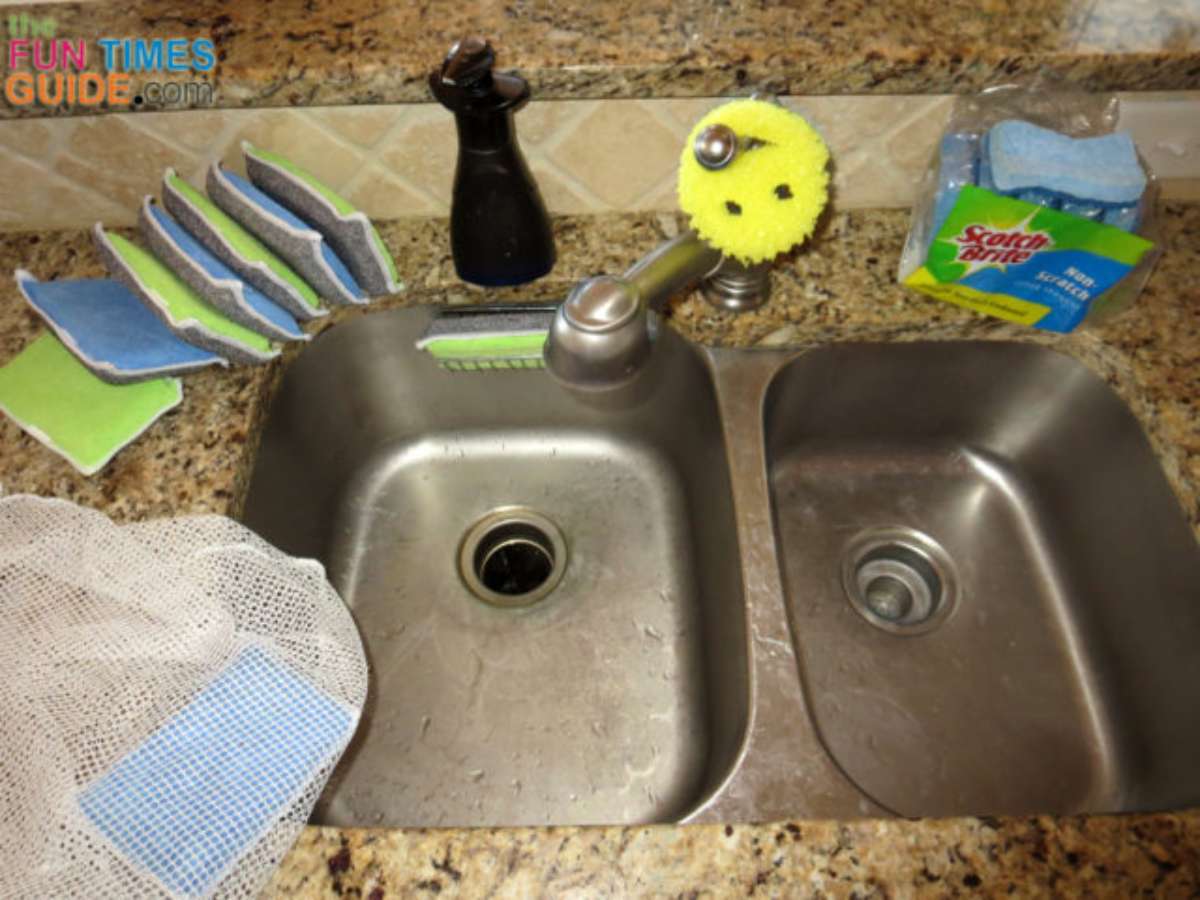
If you want to reduce the hassle of sponge maintenance, consider alternatives like microfiber cloths or silicone scrubbers. These materials dry faster and often resist bacteria better than traditional sponges.
I switched to silicone scrubbers in my kitchen and found they last much longer and don’t develop odors. Plus, they’re easy to clean—just toss them in the dishwasher. Are you open to trying something new that could simplify your kitchen cleaning routine?

Credit: household-tips.thefuntimesguide.com
Frequently Asked Questions
How Often Should You Clean A Kitchen Sponge?
You should clean your kitchen sponge daily to prevent bacteria buildup. Regular cleaning extends its usability and maintains hygiene in your kitchen.
What Is The Best Way To Disinfect A Kitchen Sponge?
Microwave the damp sponge for two minutes or soak it in a bleach solution. Both methods effectively kill germs and bacteria.
Can You Clean A Kitchen Sponge In The Dishwasher?
Yes, place the sponge on the top rack of the dishwasher. Run it through a hot cycle with a drying phase to sanitize.
Is It Safe To Reuse A Kitchen Sponge After Cleaning?
Yes, if properly disinfected and dried thoroughly, you can safely reuse the sponge. Replace it when it starts to smell or deteriorate.
Conclusion
Cleaning your kitchen sponge keeps your dishes safe and fresh. Regular washing stops germs from growing fast. Use simple methods like microwaving or soaking in vinegar. Replace your sponge often to avoid bad smells and bacteria. A clean sponge helps your kitchen stay healthy and neat.
Small efforts make a big difference in daily hygiene. Keep your sponge clean, and your kitchen will thank you. Easy steps, better results!