
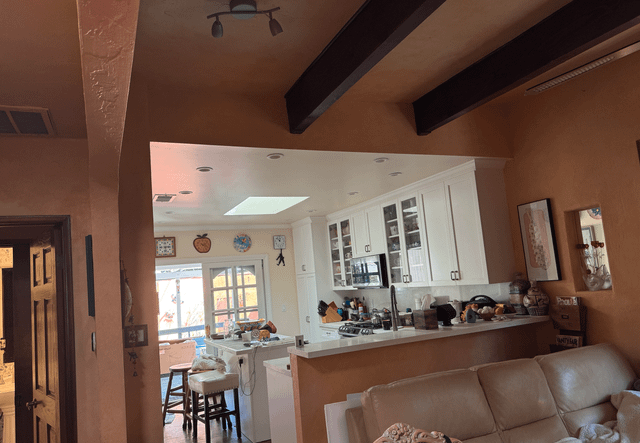
Have you ever wondered where exactly to place a smoke detector near your kitchen? Too close, and it might go off every time you cook.
Too far, and it might not warn you in time if a real fire starts. Finding the right distance is crucial for your safety and peace of mind. You’ll discover the best spot for your smoke detector so it protects your home without causing unnecessary alarms.
Keep reading to learn how to keep your kitchen—and your family—safe without the hassle.
Smoke Detector Placement Basics
Understanding the basics of smoke detector placement is key to keeping your home safe without dealing with constant false alarms. Kitchens are busy places with lots of steam and cooking smells that can easily trigger smoke detectors if they are too close. You want to find a balance where your smoke detector can alert you to real dangers without sounding off every time you fry bacon or boil water.
Ideal Distance From Kitchen
Placing a smoke detector at the right distance from your kitchen is crucial. Experts generally recommend installing it at least 10 to 20 feet away from cooking appliances. This distance helps reduce false alarms caused by normal cooking smoke or steam.
Think about your kitchen layout. If your kitchen is open-plan, consider placing the smoke detector near a doorway or hallway leading away from the cooking area. This way, you still get early warnings of real fires without the annoyance of frequent false alerts.
Avoiding False Alarms
False alarms can make you ignore your smoke detector, which is dangerous. To avoid this, don’t install detectors directly above the stove or oven where smoke and steam are frequent. Avoid spots near windows or vents where drafts can carry cooking smoke directly to the sensor.
Regular maintenance also helps—clean your detectors every few months to remove dust and grease that might trigger unwanted alarms. Would you rather deal with a harmless beep or miss an important warning? Keeping false alarms to a minimum ensures you take every alert seriously.
Types Of Smoke Detectors
Choosing the right type of smoke detector for your kitchen area matters. Ionization smoke detectors are highly sensitive to flaming fires but more prone to false alarms from cooking. Photoelectric detectors respond better to smoldering fires and are less likely to be triggered by cooking smoke.
Many homeowners find a combination or dual-sensor alarm works best, offering balanced protection. You might also consider heat detectors in or near kitchens; they activate only when temperatures rise quickly, reducing false alarms from everyday cooking.
Credit: www.kidde.com
Common Kitchen Hazards
Kitchens are full of hazards that can trigger smoke detectors unnecessarily or, worse, fail to alert you during a real fire. Knowing the common kitchen hazards helps place smoke detectors correctly. Smoke and steam from cooking can cause false alarms. Flames or overheating can start fires quickly. Understanding these risks is key to safety and proper detector placement.
Sources Of Smoke And Steam
Cooking produces smoke from burning food or oil. Steam rises from boiling water or frying. Both can set off smoke alarms if detectors are too close. Smoke from burnt toast or grease can linger and cause false alerts. Steam can block smoke from reaching the detector, delaying alarms. Proper distance helps avoid these issues.
Fire Risks In Cooking Areas
Open flames from gas stoves or electric burners pose fire hazards. Grease buildup can ignite easily. Flammable items like paper towels or cloth near heat increase risk. Small fires can spread fast if not detected early. Smoke detectors need placement that catches real fires, not just smoke from cooking. This balance is crucial for safety.
Installation Tips Near The Kitchen
Installing a smoke detector near your kitchen requires careful thought to balance safety and functionality. You want the detector close enough to alert you quickly in case of a real fire, but not so close that it triggers false alarms from everyday cooking. Understanding the best practices for mounting height and room layout can help you place your smoke detector effectively.
Mounting Height Recommendations
Smoke rises, so smoke detectors should be installed on the ceiling or high on a wall. The ideal height is at least 4 inches below the ceiling if mounted on a wall. Placing the detector too low can delay detection, while placing it too close to the ceiling corners might cause it to miss rising smoke.
Keep the smoke detector at least 10 feet away from cooking appliances to reduce false alarms. If you have vaulted ceilings or a high kitchen ceiling, install the detector where smoke is likely to accumulate. This ensures early detection without frequent nuisance alerts.
Room Layout Considerations
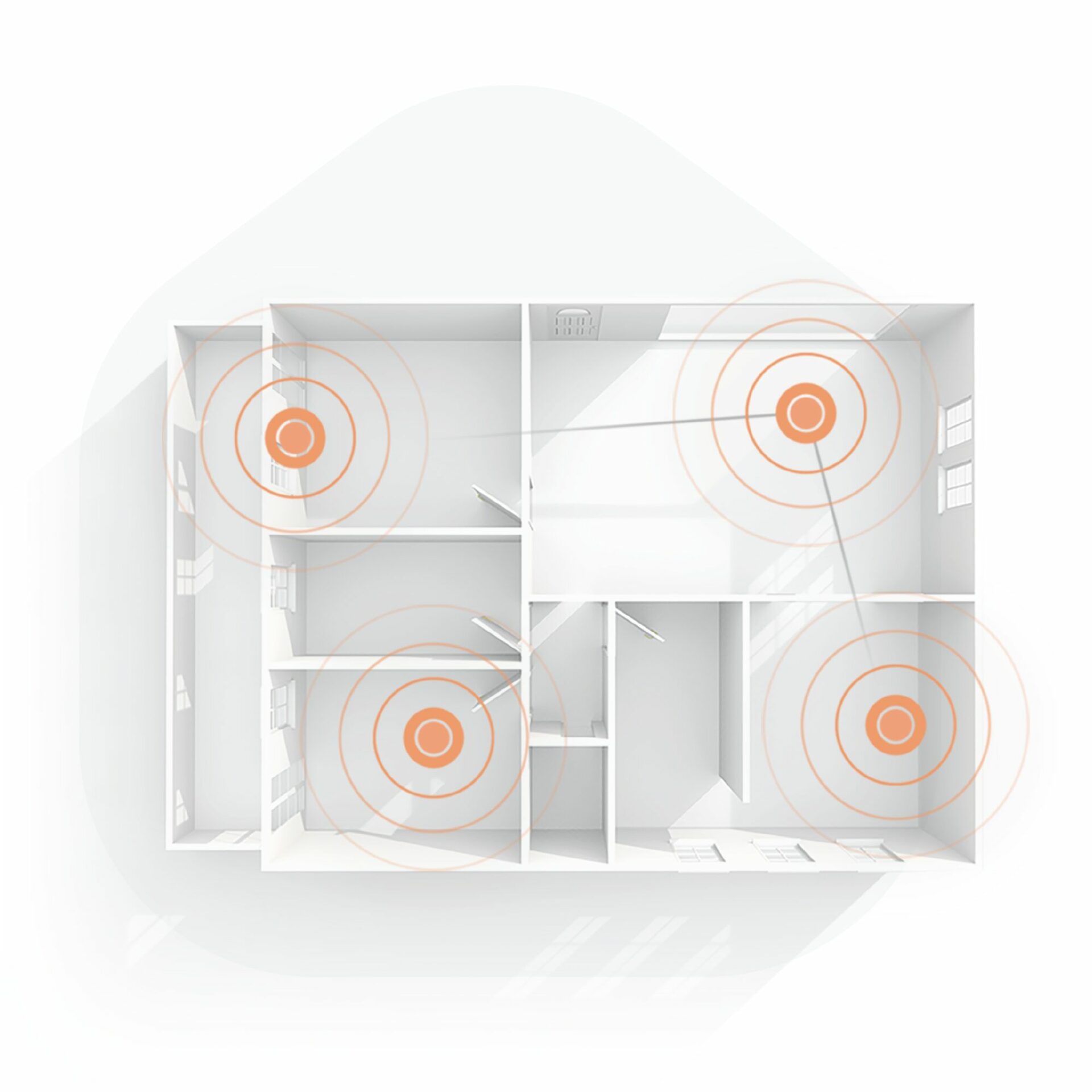
Think about your kitchen’s airflow and how smoke will travel if a fire starts. Position the detector near the kitchen entrance or in an adjacent hallway rather than directly above the stove. This placement helps catch smoke from the entire room without reacting to normal cooking fumes.
If your kitchen opens directly into living spaces, consider installing interconnected detectors so all alarms sound simultaneously. This setup ensures everyone hears the warning, even if they’re not near the kitchen. Have you checked how your kitchen’s layout affects smoke movement? It might change where your detector should go.
Credit: www.fireangel.co.uk
Maintenance And Testing
Smoke detectors should be placed at least 10 feet away from the kitchen to avoid false alarms. Regular testing and maintenance ensure they work properly when needed. Check batteries monthly and clean detectors to keep them reliable.
Maintaining and testing smoke detectors near the kitchen is vital. Regular checks ensure they function correctly. This helps prevent false alarms and ensures safety. Consistent upkeep extends the device's life and reliability. Let's explore how to maintain and test these essential devices effectively.
Cleaning Smoke Detectors
Dirt and dust can affect smoke detectors. Regular cleaning prevents this. Use a vacuum cleaner with a soft brush attachment. Gently remove any debris from the vents. Avoid using water or cleaning solutions. These can damage the detector. A clean smoke detector works better and lasts longer.
Regular Testing Schedule
Create a monthly testing schedule. Test each smoke detector using the test button. Press and hold until you hear the alarm sound. If it doesn't work, replace the battery immediately. Testing ensures the detector is ready when needed. Keep a log of test dates and results. This helps track maintenance and identify issues early.
Additional Safety Measures
Additional safety measures improve kitchen fire safety beyond smoke detectors. Kitchens have unique risks that smoke detectors alone may not catch. Combining tools helps detect different fire types and allows quicker responses. These measures protect your home and loved ones more effectively.
Using Heat Detectors
Heat detectors sense rapid temperature rises, ideal for kitchens. They avoid false alarms from cooking smoke or steam. Placing heat detectors near cooking appliances ensures early fire warnings. They work well alongside smoke detectors for layered protection.
Fire Extinguishers Placement
Keep fire extinguishers within easy reach in the kitchen. Place them near exits or cooking areas but away from heat sources. This placement allows quick access during a fire emergency. Regularly check extinguishers for pressure and expiry dates to ensure readiness.

Credit: www.sdmmag.com
Frequently Asked Questions
How Far Should Smoke Detectors Be From The Kitchen?
Smoke detectors should be installed at least 10 feet from the kitchen. This distance helps prevent false alarms caused by cooking smoke or steam.
Can Smoke Detectors Be Too Close To The Kitchen?
Yes, placing detectors too close can trigger frequent false alarms. Positioning them properly ensures reliable fire detection without nuisance alerts.
Why Avoid Installing Smoke Detectors Inside The Kitchen?
Smoke and steam from cooking can cause false alarms. Detectors work best when placed outside, near the kitchen but not inside.
What Is The Ideal Height For Kitchen Smoke Detectors?
Smoke detectors should be installed on the ceiling or high on walls. Smoke rises, so higher placement ensures early detection of smoke or fire.
Conclusion
Placing a smoke detector near the kitchen needs careful thought. Keep it close enough to detect smoke fast. But not too close to avoid false alarms from cooking steam or smoke. A good rule is at least 10 feet away from cooking appliances.
This balance helps keep your home safe without annoying false alerts. Test your smoke detector regularly to make sure it works well. Safety starts with smart placement and regular checks. Stay safe, stay aware.