

Choosing the right smoke detector for your kitchen is more important than you might think. You want to keep your home safe without dealing with constant false alarms from cooking steam or burnt toast.
But with so many options out there, how do you find the perfect one for your space? You’ll discover exactly which type of smoke detector works best in the kitchen and why it matters for your safety and peace of mind.
Keep reading—your home’s protection depends on it.
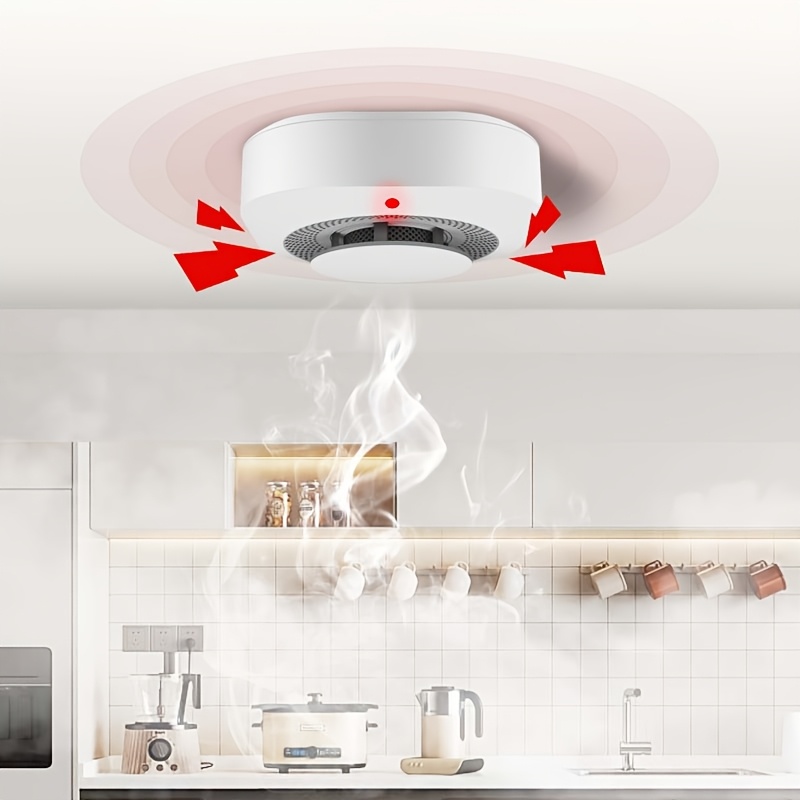
Credit: www.temu.com
Common Smoke Detector Types
Choosing the right smoke detector for your kitchen is important for safety. Different types of detectors sense smoke in various ways. Knowing the common types helps you pick the best one for your kitchen environment.
Ionization Detectors
Ionization detectors react quickly to flaming fires with small smoke particles. They use a small amount of radioactive material to detect smoke. These detectors are sensitive and can alert you fast. However, they may give false alarms from cooking smoke or steam. Not always ideal for kitchens because of this.
Photoelectric Detectors
Photoelectric detectors detect large smoke particles from smoldering fires. They use a light beam to sense smoke entering the chamber. These are less likely to trigger false alarms from cooking. They work well in kitchens with regular smoke or steam. Photoelectric detectors are a good choice for kitchen safety.
Dual-sensor Detectors
Dual-sensor detectors combine ionization and photoelectric technology. They offer broader detection for both flaming and smoldering fires. These detectors reduce false alarms and improve safety. Many homes use dual-sensor types for kitchen protection. They provide reliable alerts without frequent nuisance alarms.
Challenges In Kitchen Environments
Choosing the right smoke detector for your kitchen isn’t just about picking any model off the shelf. The kitchen presents unique challenges that can make standard detectors less effective or even a nuisance. Understanding these challenges can help you select a device that keeps your home safe without constant interruptions.
False Alarms From Cooking Smoke
Cooking often produces small amounts of smoke and steam that can easily trigger false alarms. Imagine frying bacon or searing vegetables—these activities release particles that regular smoke detectors might mistake for danger. Frequent false alarms not only annoy you but can also lead to ignoring real emergencies.
Some smoke detectors are designed to be less sensitive to cooking smoke by using advanced sensing technology. For example, photoelectric detectors react slower to typical kitchen smoke, reducing false alarms. Have you ever had your smoke alarm go off just because you burnt toast? That’s exactly the frustration these special detectors aim to prevent.
Humidity And Steam Issues
Kitchens generate a lot of steam and humidity, especially when boiling water or using the dishwasher. High moisture levels can interfere with smoke detectors, causing them to malfunction or trigger unnecessary alarms. This makes placement and type of detector crucial to avoid these issues.
Some models come with built-in humidity resistance or are specifically rated for kitchen use. Installing detectors slightly away from direct steam sources, like above the stove hood or near the ceiling but not directly over the sink, can help. Have you noticed your smoke detector acting up right after a hot shower? The kitchen environment can cause similar problems if you’re not careful.
Best Smoke Detectors For Kitchens
Choosing the right smoke detector for kitchens is key to avoid false alarms. Photoelectric detectors work best by sensing smoke without reacting to steam or cooking fumes. Installing heat detectors can also help detect real fires quickly.
Choosing the right smoke detector for your kitchen is crucial. Kitchens can have more smoke and steam than other rooms. This can trigger false alarms. The best smoke detectors for kitchens reduce these issues. They offer reliable safety without constant annoyance. Below, explore the top choices for kitchen smoke detectors.
Photoelectric Advantages
Photoelectric smoke detectors are excellent for kitchens. They detect smoke using light beams. This makes them less likely to trigger false alarms from cooking. They're better at catching slow, smoldering fires. Perfect for kitchens where these fires can start. They provide a balance of safety and convenience.
Combination Alarms
Combination alarms offer dual protection. They include both smoke and carbon monoxide detection. This is beneficial in kitchens where gas appliances are common. They ensure safety from both fire and gas leaks. It's a smart choice for comprehensive protection.
Heat Detectors As Alternatives
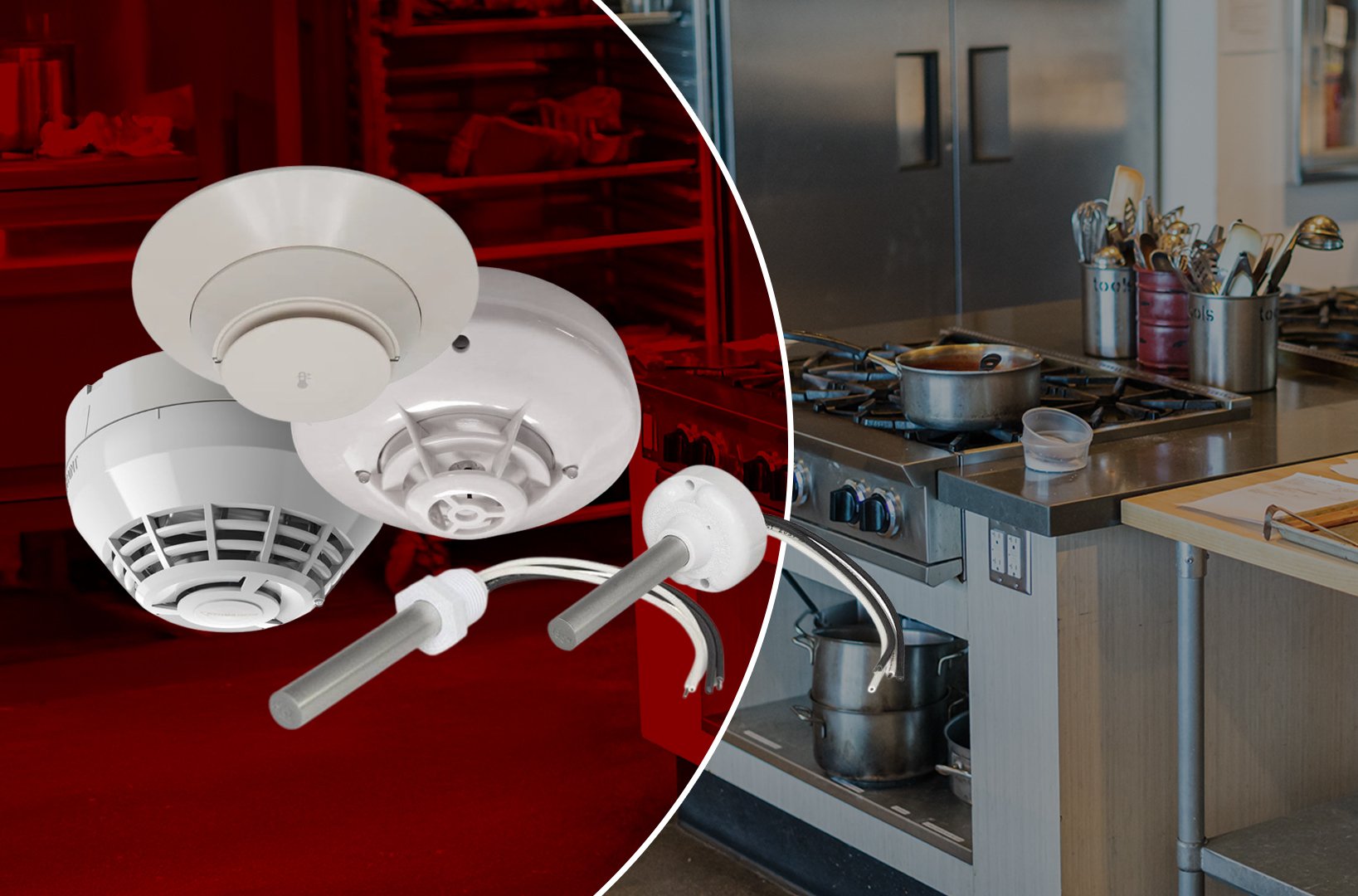
Heat detectors are another option. They sense changes in temperature rather than smoke. This makes them ideal for kitchens with frequent smoke. They respond to fires without reacting to cooking smoke. Heat detectors can be a reliable alternative for kitchens.
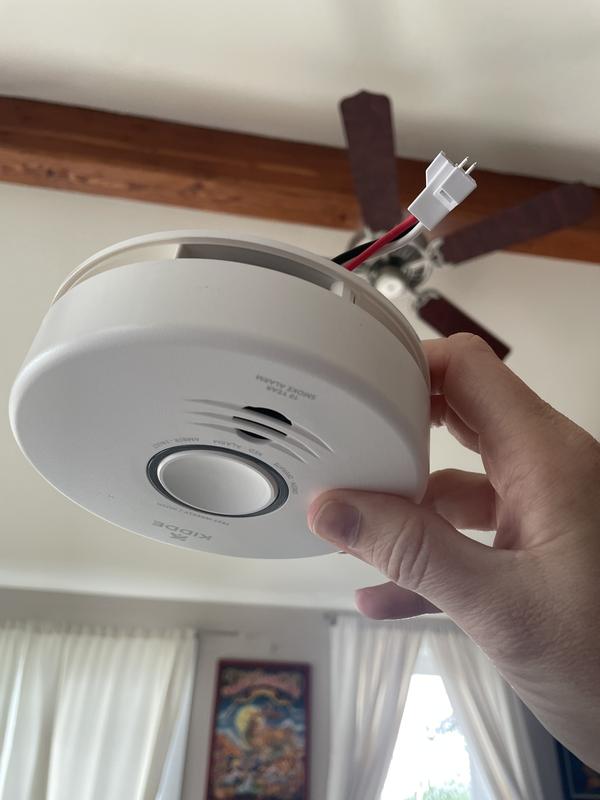
Credit: www.kidde.com
Installation Tips For Kitchen Detectors
Installing a smoke detector in your kitchen needs careful thought. The kitchen’s environment is tricky because of steam, smoke from cooking, and heat. Placing the detector correctly and maintaining it can prevent false alarms and ensure safety.
Ideal Placement
Place your smoke detector at least 10 feet away from cooking appliances to reduce false alarms triggered by normal cooking activities.
Mount the detector on the ceiling or high on the wall since smoke rises. Avoid corners where air flow might be blocked.
If your kitchen has a high ceiling, consider detectors with adjustable sensitivity or use multiple units for better coverage.
Avoiding False Alarms
False alarms can be frustrating and cause you to disable your smoke detector, which is dangerous. To minimize this, choose photoelectric smoke detectors specifically designed for kitchens—they respond better to smoldering smoke rather than quick bursts from cooking.
Keep the detector away from windows, vents, or fans that can blow smoke away or bring in steam. This helps the detector sense real danger, not just cooking byproducts.
Have you ever been startled by a smoke alarm just because you burned toast? Proper placement and type can prevent that, letting your detector alert only when it truly matters.
Maintenance Practices
Regularly clean your smoke detector to remove dust and grease, which can interfere with its sensors. Use a soft brush or vacuum attachment to gently clean the unit.
Test your detector monthly by pressing the test button. Replace batteries at least once a year or when the low-battery warning sounds.
Remember, smoke detectors don’t last forever—replace the entire unit every 8-10 years to keep your kitchen safe.
Smart Smoke Detectors
Smart smoke detectors bring modern technology to kitchen safety. They offer more than just smoke detection. These devices adapt to kitchen conditions, reducing false alarms. Their advanced sensors understand the difference between cooking smoke and dangerous fires. Smart smoke detectors provide peace of mind with their intelligent design.
Features For Kitchen Use
Smart smoke detectors have special features for kitchens. They include:
- Heat sensing technology to avoid false alerts from cooking steam.
- Silence button to stop alarms during harmless smoke.
- Voice alerts that tell you the exact problem and location.
- Battery backup for power outages.
- Compact design to fit in tight kitchen spaces.
Connectivity And Alerts
These detectors connect to your smartphone and home network. Features include:
- Instant alerts sent to your phone anywhere.
- Integration with other smart home devices.
- Ability to check detector status remotely.
- Group alerts if multiple detectors sense smoke.
- Easy app control for settings and updates.
Credit: firealarm.com
Budget And Brand Recommendations
Choosing the right smoke detector for your kitchen depends on your budget and trusted brands. It is essential to find a balance between cost and quality. A reliable smoke detector ensures safety without overspending. The following sections highlight affordable options and top-rated brands that suit kitchen environments.
Affordable Options
Budget-friendly smoke detectors offer good protection without a high price. Many models come with basic features suitable for kitchens. Look for:
- Photoelectric sensors that reduce false alarms from cooking smoke
- Battery-operated devices for easy installation
- Compact designs that fit well in kitchen spaces
Some affordable detectors include models from First Alert and Kidde. These brands offer reliable devices under $30. They provide essential safety features and easy maintenance. Choosing these options helps protect your home without a large investment.
Top-rated Brands
Trusted brands provide advanced features and longer durability. They design smoke detectors specifically for kitchen use. Features often include:
- Dual-sensor technology for better detection
- Smart connectivity for alerts on your phone
- Long-life batteries lasting up to 10 years
Brands like Nest, First Alert, and Kidde rank high in customer reviews. Their models combine safety, reliability, and convenience. Investing in these brands can enhance your kitchen’s fire safety system.
Frequently Asked Questions
What Type Of Smoke Detector Is Best For Kitchens?
Photoelectric smoke detectors are best for kitchens. They detect slow, smoldering fires and reduce false alarms from cooking smoke. Ionization detectors often trigger false alarms in kitchens due to regular cooking fumes.
Can I Use Ionization Smoke Detectors In The Kitchen?
Ionization smoke detectors are not recommended for kitchens. They react quickly to flaming fires but often cause false alarms from normal cooking. Photoelectric models are better suited for kitchen environments to avoid nuisance alerts.
How To Prevent False Alarms From Kitchen Smoke Detectors?
Install photoelectric smoke detectors away from cooking appliances. Use combination smoke and carbon monoxide alarms. Proper ventilation and regular cleaning also reduce false alarms.
Are Heat Detectors Better Than Smoke Detectors In Kitchens?
Heat detectors are a good alternative in kitchens. They trigger alarms based on temperature rise and reduce false alarms from cooking smoke. However, they may respond slower to smoldering fires than smoke detectors.
Conclusion
Choosing the right smoke detector keeps your kitchen safe. Optical smoke detectors handle cooking smoke well. Avoid alarms that trigger from normal kitchen steam. Regularly test your smoke detector for proper function. Place detectors away from direct heat and steam.
A good alarm gives early warning of danger. Protect your family by installing a suitable smoke detector. Safety starts with the right choice in your kitchen. Stay alert, stay safe.