
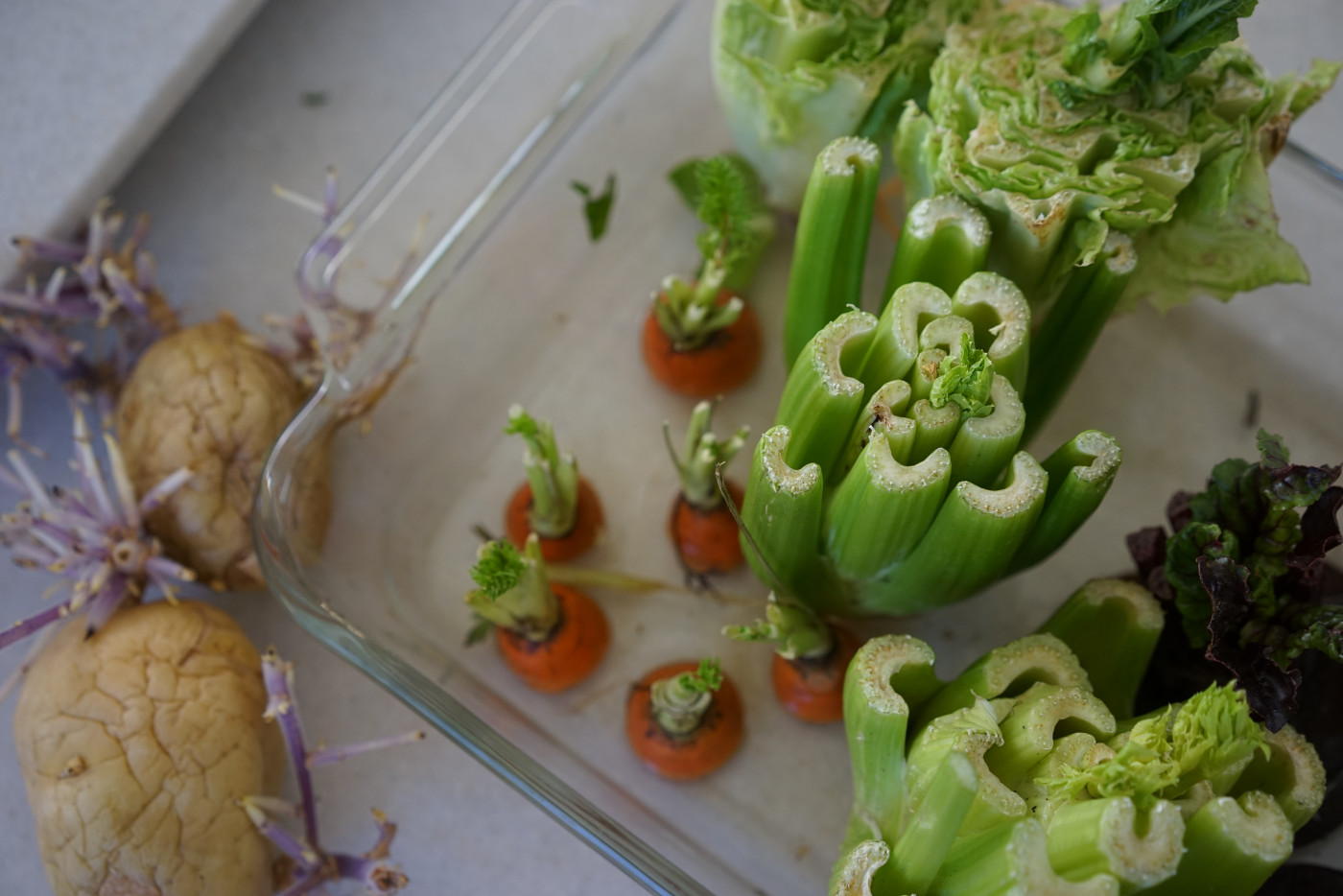
Have you ever thought about turning your kitchen scraps into fresh, homegrown broccoli? It’s easier than you might think, and you don’t need a garden full of space or fancy tools.
Growing broccoli from scraps not only saves money but also gives you a rewarding way to reduce waste. Imagine harvesting your own crisp, healthy broccoli right from your kitchen counter. In this guide, you’ll discover simple steps to make that happen—get ready to unlock a green thumb you didn’t know you had!

Credit: m.youtube.com
Choosing The Right Broccoli Scraps
Choosing the right broccoli scraps is key to growing healthy plants. Using good scraps saves time and gives better results. Not all broccoli pieces work well for regrowing. Select scraps that have the best chance to sprout and grow strong.
Selecting Healthy Stems
Pick broccoli stems that are firm and fresh. Look for pieces with no soft spots or cracks. The stem base is important; it should be about 2 to 3 inches long. Fresh green color shows the scrap is still alive. Choose stems with a bit of leaf or floret attached. These parts help the plant grow roots faster.
Avoiding Spoiled Parts
Discard any broccoli scraps with mold or dark spots. Soft or slimy stems will not grow well. Avoid pieces that look dried out or wilted. Spoiled parts can carry diseases to new plants. Only use scraps that feel solid and healthy to the touch. Clean cuts are better than jagged or broken ends.

Credit: www.yahoo.com
Preparing Scraps For Planting
Preparing your broccoli scraps properly can make a huge difference in how well they take root and grow. Before you plant, the scraps need a little care to set them up for success. This means trimming away what’s not needed and cleaning the pieces so they’re healthy and ready to sprout.
Trimming And Cleaning
Start by cutting the broccoli scraps to about 2-3 inches in length. Remove any leaves or florets that look wilted or damaged. This helps the plant focus its energy on new growth rather than trying to heal old parts.
Next, rinse the scraps under cool water to wash away dirt and any tiny bugs hiding in the crevices. Dirty scraps can invite mold or rot, which will stop your broccoli from growing. Have you noticed how a quick rinse can sometimes reveal hidden pests? Don’t skip this step!
Soaking Techniques
Soaking the broccoli scraps in water before planting encourages root development. Use a shallow container and fill it with enough water to cover the base of the scraps. Change the water every day to keep it fresh and oxygen-rich.
Try soaking them for about 24 to 48 hours. This short soak helps the cut ends soften and start to produce tiny roots. You might be surprised how quickly you see new growth if you watch closely each day.
Would you believe that some gardeners even add a drop of natural fertilizer or a pinch of sugar to the soaking water to give the scraps an extra boost? Experiment to see what works best for your kitchen scraps.
Planting Methods
Planting broccoli from kitchen scraps is a rewarding way to reduce waste and grow fresh vegetables at home. The key lies in choosing the right planting method that suits your space and patience. Two popular ways to start your broccoli scraps are water propagation and planting directly in soil.
Using Water Propagation
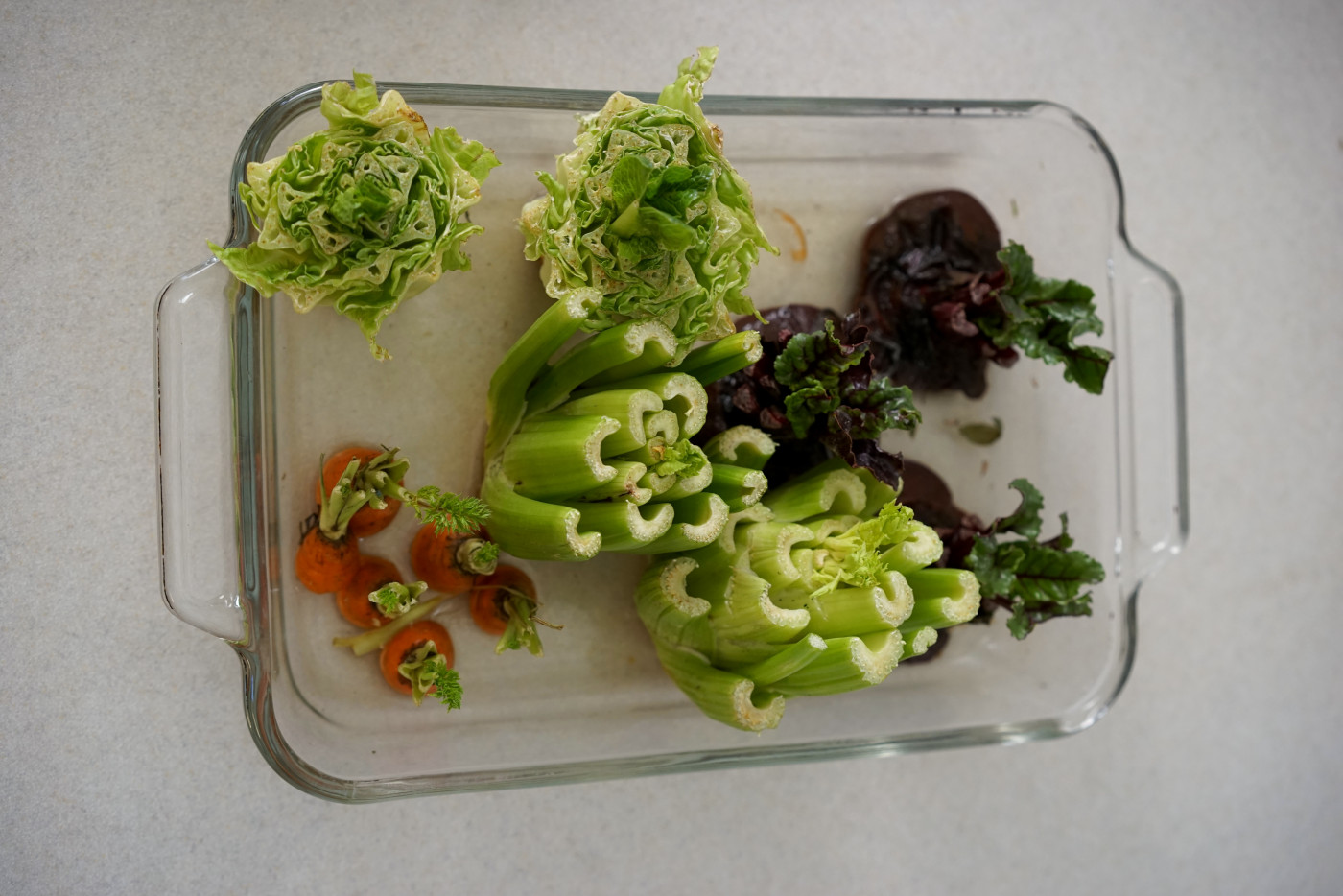
Water propagation lets you watch new roots form, which can be quite satisfying. Start by cutting off the broccoli stem, leaving about 2-3 inches of the base. Place this base in a shallow container with water, making sure the cut end is submerged.
Change the water every couple of days to keep it fresh and prevent mold. Within a week, you should see roots and tiny leaves starting to grow. Once the roots reach about 1-2 inches, you can transfer the broccoli to soil for further growth.
Have you tried growing plants in water before? You might be surprised how quickly broccoli adapts to this method, making it a great choice for beginners.
Planting In Soil
Planting directly in soil gives broccoli the nutrients it needs to grow strong and healthy. Use a pot or garden bed with well-draining soil, and dig a small hole deep enough to cover the base of your broccoli stem.
Place the broccoli scrap in the hole, then gently press soil around it to hold it in place. Water it lightly but consistently to keep the soil moist, not soggy.
Within a few days to a week, you’ll notice new leaves emerging. Soil planting requires a bit more patience, but it can produce a sturdier plant ready for a full harvest. What space do you have available for planting? Choosing soil or water might depend on your room and time.
Caring For Broccoli Cuttings
Place broccoli stalks in water and watch new roots grow. Change water often to keep cuttings fresh and healthy. Once roots develop, plant them in soil for new broccoli growth.
Caring for broccoli cuttings is an exciting part of your sustainable gardening journey. Watching those small cuttings sprout into thriving plants can be incredibly rewarding. To ensure your broccoli grows healthily, you need to focus on a few key care aspects.
Watering And Light Needs
Broccoli cuttings thrive with consistent moisture. Keep the soil slightly damp, but be cautious of overwatering. I once drowned my cuttings in enthusiasm, and they didn’t recover well. Position your cuttings in a spot where they receive ample sunlight. A sunny windowsill can work wonders. If natural light is scarce, consider using a grow light.
Temperature And Humidity Tips
Broccoli prefers cooler temperatures, ideally between 60°F and 70°F. It’s a bit like Goldilocks—neither too hot nor too cold. If your home gets warmer, a fan can help maintain the desired temperature. Humidity is also crucial for healthy growth. You can place a shallow tray of water nearby to increase humidity levels. Have you ever noticed how some rooms feel fresher with a little extra moisture in the air? Your broccoli will appreciate it too. These little adjustments can make a big difference in how your broccoli cuttings flourish. What small changes can you make today to create a nurturing environment for your plants?
Transplanting To Garden Or Pots
Transplanting broccoli seedlings from kitchen scraps to a garden or pots is a vital step. It lets your plants get enough space and nutrients to grow strong. Proper care during this move helps your broccoli thrive and produce healthy heads.
Choosing The Right Spot
Select a location with full sunlight for at least 6 hours daily. Broccoli grows best in cool weather and open spaces. Avoid places with heavy shade or strong winds. Ensure the spot has good air circulation to reduce disease risk. If using pots, pick containers at least 12 inches deep with drainage holes.
Soil Preparation
Prepare soil that drains well and holds moisture. Mix compost or aged manure into the soil for nutrients. Keep soil pH between 6.0 and 7.0 for best growth. Remove weeds and debris before planting. Loosen soil to allow roots to spread easily. For pots, use high-quality potting mix with organic matter.
Troubleshooting Common Issues
Troubleshooting is a key part of growing broccoli from kitchen scraps. Even with the best care, problems can arise that slow your progress or damage your plants. Knowing how to spot and fix these issues quickly helps keep your broccoli healthy and thriving.
Pests And Diseases
Broccoli grown from scraps can attract pests like aphids, cabbage worms, and flea beetles. These little invaders can quickly ruin your leaves and stunt growth. Check your plants regularly, especially the undersides of leaves, for tiny bugs or holes.
Try these simple fixes:
- Spray leaves with a gentle mix of water and a few drops of dish soap to wash away pests.
- Introduce natural predators like ladybugs to control aphids.
- Remove damaged leaves to prevent disease spread.
If you notice white powdery spots or yellowing leaves, fungal infections could be the cause. Improving air circulation and avoiding overwatering can reduce these problems. Have you tried spacing your plants a bit wider? It can make a big difference.
Slow Growth Solutions
If your broccoli scraps sprout but grow slowly, several factors might be at play. Lack of sunlight is a common culprit. Broccoli loves full sun—at least 6 hours a day. Try moving your container or pot to a brighter spot.
Soil quality also matters. Kitchen scraps may start in poor soil, which lacks nutrients. Adding a balanced organic fertilizer or compost can boost growth. Have you tested your soil’s pH? Broccoli prefers slightly acidic to neutral soil (pH 6.0–7.0).
Watering habits impact growth too. Too much water can drown roots, while too little stresses the plant. Keep the soil moist but not soggy. A simple finger test—feeling the soil about an inch deep—can help you decide when to water.
Harvesting And Enjoying Your Broccoli
Harvesting your homegrown broccoli is a rewarding experience that brings your kitchen scrap gardening full circle. Knowing the right moment to pick your broccoli ensures it tastes fresh and maintains its nutritional value. Once harvested, proper storage keeps your broccoli crisp and ready for your next meal.
When To Harvest
Look for tight, firm heads that are deep green and compact. If the buds start to open or turn yellow, your broccoli is past peak freshness. Usually, this happens when the head reaches about 4 to 7 inches across.
Check your broccoli daily once it approaches this size. You want to catch it before the flowers bloom because that signals the start of bitterness. Have you noticed how fresh broccoli tastes sweeter and more vibrant than store-bought?
Storing Fresh Broccoli
After harvesting, handle your broccoli gently to avoid bruising. Store it unwashed in a perforated plastic bag inside the refrigerator’s crisper drawer. This keeps moisture balanced and prevents wilting.
- Use broccoli within 3 to 5 days for best taste and texture.
- If you can’t use it right away, blanch and freeze it to preserve nutrients.
- Avoid sealing broccoli in airtight bags without ventilation; it can cause mold.
Have you tried eating broccoli straight from your garden? The freshness and crunch make a simple steamed broccoli dish feel like a special treat. Growing it yourself from scraps not only saves money but also adds a personal touch to your meals.
Credit: www.gardenary.com
Frequently Asked Questions
How Do I Regrow Broccoli From Kitchen Scraps?
Cut the broccoli stem about 2 inches below the crown. Place it in water and change water every 2 days. Roots will develop in about a week. Then, plant it in soil for continuous growth.
Can Broccoli Scraps Grow New Plants Indoors?
Yes, broccoli scraps can grow indoors. Provide bright, indirect sunlight and keep the soil moist. Indoor growth may be slower but is successful with proper care.
What Is The Best Water Method For Broccoli Regrowth?
Use a shallow container filled with water. Submerge the broccoli stem base and avoid soaking leaves. Change water regularly to prevent rot and encourage root growth.
How Long Does Broccoli Take To Regrow From Scraps?
Broccoli roots usually develop within 7 to 10 days. After planting, it can take 50 to 70 days to mature and produce edible florets.
Conclusion
Growing broccoli from kitchen scraps saves money and reduces waste. It takes just a little care and patience. Watch your scraps turn into green, healthy plants over time. This simple method brings fresh veggies right to your home. Anyone can try it, no special tools needed.
Start today and enjoy homegrown broccoli soon. Gardening like this feels good and helps the planet too. Give it a try—you might be surprised how easy it is.