
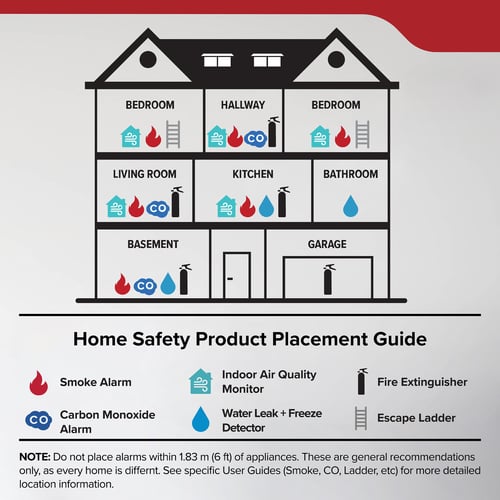
Have you ever wondered if your kitchen really needs a smoke detector? You spend so much time cooking, and the last thing you want is a fire to start without warning.
But is putting a smoke detector in your kitchen a smart move, or could it cause more false alarms than safety? You’ll discover the truth about kitchen smoke detectors and find out how to protect your home without the hassle.
Keep reading to learn what you need to know to keep your kitchen—and your family—safe.
Credit: www.servpro.com
Benefits Of Kitchen Smoke Detectors
Installing a smoke detector in your kitchen offers several important benefits that go beyond just alerting you to danger. Kitchens are a common source of household fires, so having a smoke detector there can make a critical difference. Understanding these benefits can help you decide if a kitchen smoke detector is right for your home.
Early Fire Detection
Smoke detectors in the kitchen catch smoke and flames quickly, giving you more time to react. Fires can start from unattended cooking or electrical faults, and an early alert can prevent disaster. Have you ever thought about how fast a small kitchen fire can spread before you even notice it?
Reducing Property Damage
By alerting you early, kitchen smoke detectors help limit damage to your home and belongings. A timely warning means you can extinguish a fire before it grows, saving costly repairs and replacements. Protecting your investment starts with catching problems before they escalate.
Protecting Family Safety
Your family’s safety is the top priority, and a kitchen smoke detector plays a key role in that. Smoke inhalation is a leading cause of injury during fires, but early detection helps everyone get out safely. Would you want to take any chances when it comes to your loved ones?
Common Concerns About Kitchen Detectors
Many people worry about having smoke detectors in the kitchen. The kitchen is a busy place with lots of smoke and steam. This can cause some issues with smoke detectors. Understanding these concerns helps you choose the right detector and place it correctly.
False Alarms From Cooking
Smoke detectors in kitchens can trigger false alarms. Cooking smoke, steam, and burnt food often set off alarms. This can make people ignore real emergencies. Choosing a detector with a photoelectric sensor helps. These sensors react less to cooking smoke but still detect real fires. Placing the detector away from the stove reduces false alarms too.
Detector Placement Challenges
Finding the right spot for a kitchen smoke detector is hard. Too close to the stove causes false alarms. Too far means it may not detect fires quickly. Avoid placing detectors near windows or vents. Airflow can stop smoke from reaching the sensor. The ceiling near the kitchen entrance is a good spot. This balances early detection and fewer false alarms.
Maintenance And Battery Issues
Smoke detectors need regular care to work well. Kitchen detectors face grease and dust buildup. This can block sensors and stop alarms. Clean detectors every month with a soft cloth. Test batteries regularly and replace them twice a year. Consider detectors with long-life batteries for less hassle. Proper maintenance keeps your kitchen safe without extra trouble.
Choosing The Right Smoke Detector
Choosing the right smoke detector for your kitchen is important for safety and peace of mind. Different types of detectors work better for different situations. Kitchens often have smoke or steam from cooking, so selecting the right sensor helps prevent false alarms. Understanding the main types of smoke detectors makes the decision easier.
Ionization Vs Photoelectric Sensors
Ionization sensors detect fast, flaming fires well. They react quickly to small smoke particles. Photoelectric sensors detect slow, smoldering fires better. They sense larger smoke particles from smoldering materials. In kitchens, photoelectric sensors usually cause fewer false alarms. Cooking often creates smoke that can trigger ionization alarms unnecessarily. Choose photoelectric sensors for fewer interruptions and reliable alerts.
Combination Alarms
Combination alarms include both ionization and photoelectric sensors. They provide protection against both fast and slow fires. This type covers more fire risks in one device. Combination alarms reduce chances of missing any type of fire. They can be a good choice for kitchens with mixed cooking styles. Expect fewer false alarms compared to ionization-only alarms.
Smart Smoke Detectors
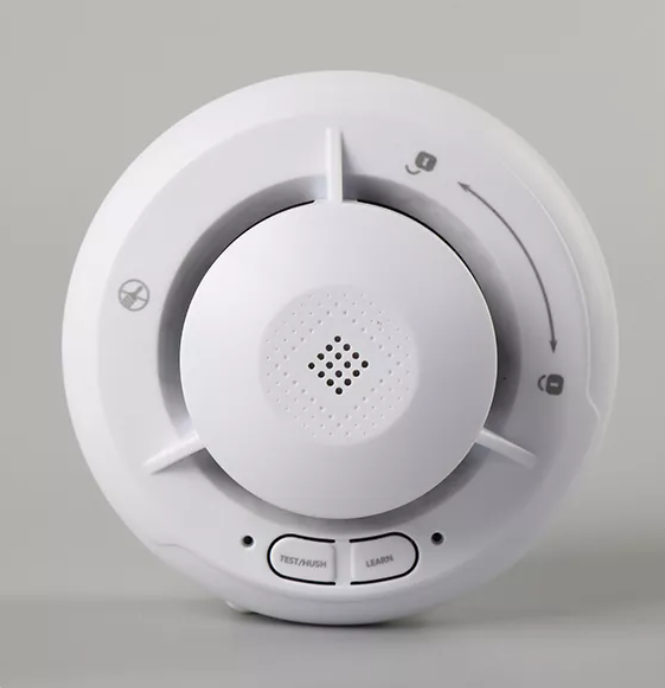
Smart smoke detectors connect to your phone or home system. They send alerts even if you are not home. Some models can silence false alarms from cooking smoke. They offer easy testing and battery alerts. Smart detectors can link with other smart devices in your home. This technology adds convenience and better control over your kitchen safety.
Credit: www.kingdunalarm.com
Best Placement Practices
Placing a smoke detector near the kitchen helps catch fires early but avoid spots too close to the stove. Smoke from cooking can cause false alarms. Position detectors where smoke can reach quickly without frequent triggers.
Incorporating a smoke detector in your kitchen enhances safety. Placing it correctly is crucial to avoid false alarms. The kitchen poses unique challenges due to steam and smoke from cooking. Understanding the best placement practices ensures effectiveness and minimizes disruptions.
Avoiding Steam And Smoke Zones
Keep detectors away from direct steam sources. Steam from cooking triggers false alarms. Avoid placing it near stove tops and ovens. These areas produce heat and smoke regularly.
Recommended Distances
Place smoke detectors at least 10 feet from cooking appliances. This distance helps reduce false alarms. Ensure they are not too far, so they detect real fires quickly.
Mounting Tips
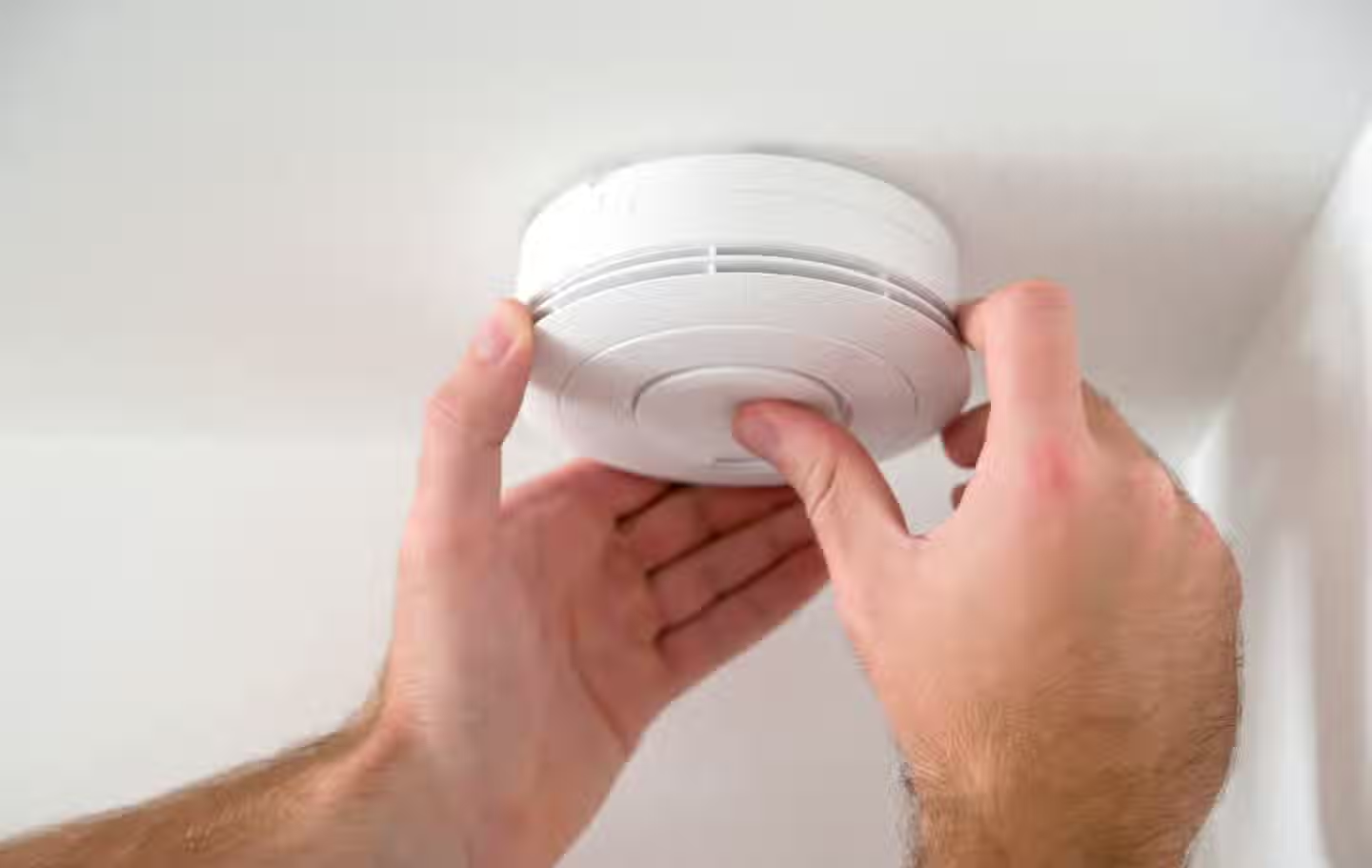
Mount detectors on ceilings or high walls. This position captures rising smoke effectively. Use screws or adhesive strips for secure attachment. Ensure the device is easily accessible for maintenance.
Additional Kitchen Safety Tips
Keeping your kitchen safe goes beyond having a smoke detector installed. You need a well-rounded approach to prevent accidents and respond quickly if something goes wrong. Here are some practical tips to help you maintain a safer kitchen environment every day.
Fire Extinguisher Accessibility
Having a fire extinguisher within easy reach can make a huge difference during a kitchen fire. Place it where you can grab it quickly, such as near the exit or under the sink, but never too close to the stove where a fire might block access.
Check the extinguisher regularly to ensure it’s fully charged and ready to use. If you’re unsure how to operate it, spend some time learning the basics—you might save your kitchen from serious damage.
Regular Kitchen Maintenance
Keep your kitchen appliances clean and in good working order. Grease buildup in ovens and on stovetops is a common cause of fires, so wipe surfaces after cooking and clean your exhaust hood filters often.
Don’t ignore small repairs like frayed cords or faulty wiring. These might seem minor but can turn into major hazards if left unattended.
Safe Cooking Habits
Stay focused while cooking, especially when frying or using high heat. Leaving pots unattended is a major risk that can quickly lead to a fire. Have a habit of turning off burners if you need to step away.
Use timers to remind yourself of cooking times. Simple actions like keeping flammable items away from the stove and using oven mitts can prevent accidents and burns.
Have you ever thought about how a few small changes in your routine could make your kitchen much safer? What’s one habit you can adjust today to reduce risk?
Legal And Insurance Considerations
Installing a smoke detector in your kitchen isn't just about safety—there are important legal and insurance factors you need to understand. These considerations can affect your compliance with local laws and your eligibility for insurance coverage. Knowing what rules apply can save you from unexpected costs and hassles.
Building Codes And Regulations
Local building codes often specify where smoke detectors must be installed, but kitchens can be tricky. Some codes restrict placing detectors too close to cooking appliances because of frequent false alarms. However, many require smoke alarms nearby to ensure early warning without unnecessary nuisance.
Have you checked your city or state’s specific regulations? It’s worth a quick call or online search to avoid fines or failed inspections. Sometimes, alternatives like heat detectors are recommended instead of smoke alarms directly in the kitchen.
Insurance Requirements
Your home insurance policy might have specific rules about smoke detector placement. Some insurers require detectors in all sleeping areas and common spaces, including near kitchens. Missing detectors or improper placement could affect your claim if fire damage occurs.
Consider asking your insurance agent if kitchen smoke detectors impact your premium or coverage. This small step can protect your investment and ensure you’re fully covered in case of fire.
Liability And Safety Compliance
If you rent out your property, smoke detector laws become even more critical. Landlords are often legally responsible for providing working smoke alarms in required areas. Failing to meet these requirements can lead to liability issues if a fire causes harm.
Even as a homeowner, adhering to safety compliance reduces your risk and shows you’ve taken reasonable precautions. Could overlooking detector placement expose you to legal trouble after a fire? Ensuring your kitchen is properly equipped helps protect you and everyone in your home.
:max_bytes(150000):strip_icc()/spr-kidde-hardwired-smoke-alarm-i4618-julia-warren-01-faa480fecad5429d9cab4d8386ea1422.jpeg)
Credit: www.thespruce.com
Frequently Asked Questions
Should I Install A Smoke Detector In My Kitchen?
Yes, installing a smoke detector in your kitchen improves fire safety. It alerts you early to smoke or fire, helping prevent damage and injury. Choose a photoelectric smoke detector, as it detects smoldering fires common in kitchens.
What Type Of Smoke Detector Suits Kitchens Best?
Photoelectric smoke detectors are best for kitchens. They detect slow, smoldering fires effectively. Ionization detectors may cause false alarms from cooking smoke. Photoelectric alarms reduce nuisance alarms and improve safety in the kitchen area.
Can Kitchen Smoke Detectors Prevent False Alarms?
Yes, photoelectric smoke detectors minimize false alarms in kitchens. They detect actual fire smoke, not just cooking fumes. This reduces unnecessary disruptions while keeping your home safe. Proper placement away from stoves further prevents false alarms.
Where Should Kitchen Smoke Detectors Be Placed?
Place smoke detectors at least 10 feet from cooking appliances. This location reduces false alarms from normal cooking smoke. Install them on the ceiling or high on a wall for optimal detection.
Conclusion
Having a smoke detector in your kitchen helps keep your home safe. It can warn you early if smoke or fire starts. Kitchens are common places for fires to begin. A smoke detector gives peace of mind while cooking. Choose a model that suits your kitchen’s needs.
Test it regularly to ensure it works well. Safety should always come first in your home. Don’t wait for an accident to happen. Protect your family by installing a smoke detector today. Simple steps can prevent serious damage and harm.