

Are you thinking about installing a smoke detector in your kitchen but aren’t sure if it’s a good idea? You might worry about constant false alarms from cooking smoke or wonder if it’s even safe to place one there.
The truth is, having the right smoke detector in your kitchen can protect your home and loved ones from fire risks. But choosing the wrong type or location could cause frustration or even put you at risk. Keep reading to discover what you need to know before installing a smoke detector in your kitchen—so you can make the best decision for your safety and peace of mind.
Smoke Detectors And Kitchens
Smoke detectors play a crucial role in home safety, but placing them in kitchens can be tricky. Kitchens are full of smoke, steam, and cooking odors that can easily trigger alarms. Understanding how smoke detectors interact with kitchen environments helps you decide the best way to protect your home without constant false alerts.
Challenges Of Kitchen Installations
Installing a smoke detector directly inside the kitchen often leads to frequent false alarms. Cooking produces small amounts of smoke and steam, especially when frying or boiling, which can confuse traditional smoke sensors.
Another challenge is the detector's sensitivity. If it’s too sensitive, it will go off every time you grill or use the oven. If it’s not sensitive enough, it might miss real danger signs, which defeats the purpose.
Placement matters a lot. Installing the detector too close to cooking appliances increases false alarms, but placing it too far might delay alerting you in case of an actual fire. Finding the right balance is key.
Common False Alarms
Have you ever had your smoke detector scream right in the middle of making toast? That’s one of the most common false alarms in kitchens.
These false alarms happen because smoke detectors react to particles in the air. Normal cooking activities like frying bacon or burning toast release enough particles to set off the alarm.
Steam from boiling water or even high humidity can also trigger some smoke detectors. This means everyday kitchen activities might cause more noise than actual emergencies.
To reduce false alarms, consider using a heat detector or a smoke detector with a hush feature designed specifically for kitchen use. These options help you avoid unnecessary panic while still keeping you safe.
Credit: www.kidde.com
Best Types For Kitchen Use
Choosing the right smoke detector for the kitchen is crucial for safety. Kitchens produce smoke and steam often, which can trigger false alarms. Some detectors handle these conditions better than others. Here are the best types of detectors designed for kitchen use.
Photoelectric Smoke Detectors
Photoelectric smoke detectors sense smoke using a light beam. They react quickly to smoldering fires, common in kitchens. These detectors are less sensitive to cooking smoke and steam. This reduces false alarms and keeps your kitchen safe.
They work well near cooking areas but should be placed at a distance from stoves. This placement helps avoid nuisance alarms while still detecting real danger.
Heat Detectors
Heat detectors respond to temperature changes, not smoke. They trigger alarms only when the temperature rises quickly or reaches a set level. Heat detectors are ideal for kitchens where smoke or steam is normal.
They avoid false alarms caused by cooking fumes. Heat detectors are less sensitive but provide reliable protection from fires. Use them near cooking appliances for the best results.
Ideal Placement Tips
Placing a smoke detector in the kitchen requires careful thought. The kitchen has unique challenges that can affect detector performance. Proper placement helps avoid false alarms and ensures safety. Follow these ideal placement tips for the best results.
Avoiding Steam And Smoke
Steam and cooking smoke can trigger false alarms. Avoid placing detectors near the stove, oven, or dishwasher. Keep detectors away from vents and windows where air flows strongly. Position detectors where normal cooking won’t set them off. This helps keep alarms reliable and reduces unwanted noise.
Recommended Distances
Maintain a safe distance from cooking appliances. Place smoke detectors at least 10 feet away from the stove or oven. Mount detectors on the ceiling or high on a wall. Avoid corners or areas with poor air circulation. Proper spacing ensures smoke reaches the detector in time but limits false alarms.
Credit: mrelectric.com
Installation Guidelines
Installing a smoke detector in the kitchen requires careful planning. The kitchen is a high-risk area for fires. Following proper guidelines ensures safety and efficiency.
Mounting Height
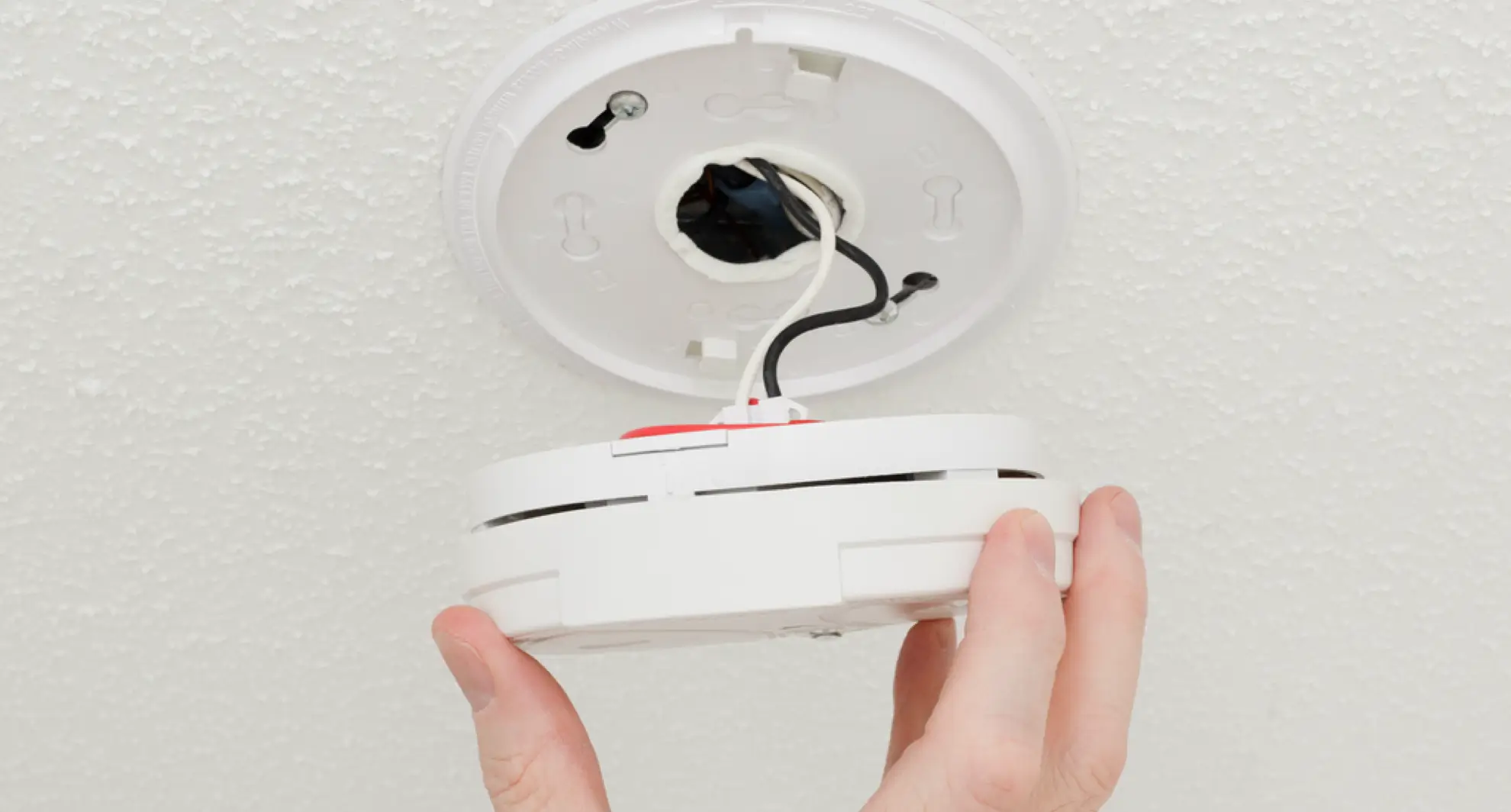
Mount your smoke detector on the ceiling. This is the best spot for detecting smoke. Keep it at least 10 feet away from cooking appliances. This prevents false alarms from normal cooking smoke. Avoid placing it near vents or windows. Air flow can interfere with the detector's function.
Power Source Options
Choose between battery-operated or hardwired smoke detectors. Battery-operated models are easy to install. They need regular battery checks. Hardwired detectors connect directly to your home’s electrical system. They often have battery backups for power outages. Both options have their pros and cons. Consider your kitchen’s setup and personal preference.
Maintenance For Reliability
Keeping your smoke detector in top shape is key to making sure it works when you really need it. Regular maintenance not only extends the life of your device but also ensures your kitchen stays safe from unexpected fires. Let’s look at how you can keep your smoke detector reliable with simple, hands-on care.
Regular Testing
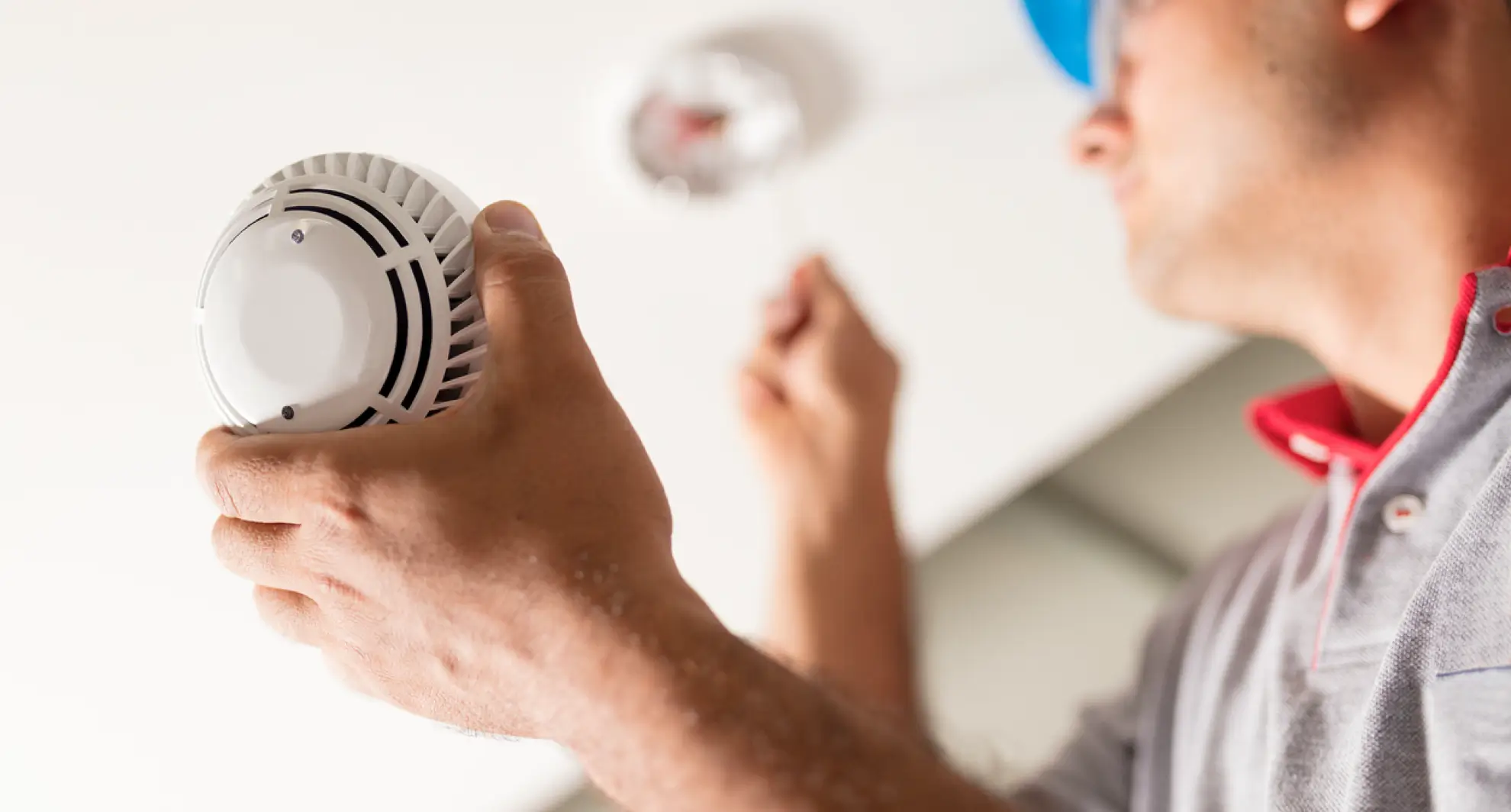
Testing your smoke detector regularly is a straightforward way to check if it’s ready to alert you. Try pressing the test button on your device once a month; you should hear a loud, clear alarm. If the sound is weak or absent, replace the batteries immediately or consider getting a new unit.
Have you ever pressed the test button only to find silence? That moment is a wake-up call that your safety depends on these small checks. Don’t wait for an emergency to discover your detector isn’t working.
Cleaning Tips
Smoke detectors can gather dust and grease, especially in a kitchen, which may stop them from sensing smoke effectively. Use a vacuum cleaner with a soft brush attachment to gently clean the outside and vents every few months. Avoid using water or cleaning sprays directly on the detector to prevent damage.
If you notice a lot of buildup, wipe the area around your detector with a damp cloth to reduce airborne particles. Keeping the device free from dirt helps maintain its sensitivity and extends its lifespan. How often do you check the hidden corners of your kitchen for dust? Your smoke detector needs that attention too.
Credit: mrelectric.com
Additional Kitchen Safety Measures
Adding a smoke detector in your kitchen is a smart move, but it’s only one part of keeping your cooking space safe. Kitchens can get busy and sometimes chaotic, so having extra safety measures can make a big difference. Simple steps can prevent accidents and give you peace of mind while you cook.
Fire Extinguishers
Having a fire extinguisher within easy reach in your kitchen is crucial. Not all fires are the same, so choose a multi-purpose extinguisher rated for grease and electrical fires. Place it somewhere visible and accessible—behind the door or near the exit works well.
Remember to check the expiration date regularly and know how to use it properly. Practice aiming at the base of the fire, not the flames. Would you be confident grabbing it quickly in an emergency?
Ventilation Importance
Good ventilation helps reduce smoke, heat, and harmful fumes while cooking. A powerful range hood or exhaust fan can clear the air fast and prevent smoke detectors from going off unnecessarily. This also lowers the risk of fire caused by grease buildup on surfaces.
Open windows if you can, especially when frying or grilling indoors. Think about whether your kitchen’s airflow could be improved—sometimes just a small change can make your cooking safer and more comfortable.
Frequently Asked Questions
Can You Install A Smoke Detector Directly In The Kitchen?
Installing smoke detectors directly in the kitchen is not recommended. Cooking smoke can cause frequent false alarms. Instead, place detectors near the kitchen but away from cooking appliances for effective and reliable alerts.
What Type Of Smoke Detector Suits Kitchen Areas Best?
Photoelectric smoke detectors are best near kitchens. They detect smoldering fires with less false alarms from cooking smoke. Avoid ionization detectors in kitchens as they react more to cooking particles.
How Far Should A Smoke Detector Be From The Stove?
Smoke detectors should be at least 10 feet away from stoves. This distance reduces false alarms caused by normal cooking smoke and steam while still providing safety coverage.
Can Heat Detectors Replace Smoke Detectors In Kitchens?
Heat detectors can be used in kitchens instead of smoke detectors. They respond to rapid temperature rises, minimizing false alarms from cooking smoke. Heat detectors complement smoke alarms but don’t replace them elsewhere in the home.
Conclusion
Installing a smoke detector in the kitchen needs careful thought. Smoke alarms can warn you early of fire. Yet, kitchen smoke and steam may cause false alarms. Choose models designed to reduce false alerts in kitchens. Place the detector away from cooking areas and vents.
Regular testing keeps the smoke detector working well. Safety in the kitchen matters a lot. A good smoke detector helps protect your home and family.