
Have you ever stopped to think about what your kitchen sponge is actually made of? It’s a small, everyday item you use without much thought, but understanding its ingredients can change how you use it—and even how often you replace it.
Knowing what goes into your sponge can help you choose the best one for your needs, keep your kitchen cleaner, and protect your health. Keep reading to discover the surprising materials behind this simple tool and why it matters to you.
Common Materials In Kitchen Sponges
Kitchen sponges might seem simple, but they often combine different materials to handle various cleaning tasks. Understanding the common materials helps you pick the right sponge for your needs and know what you're bringing into your kitchen. Let’s look closer at what these sponges are made of and why those materials matter.
Natural Fibers
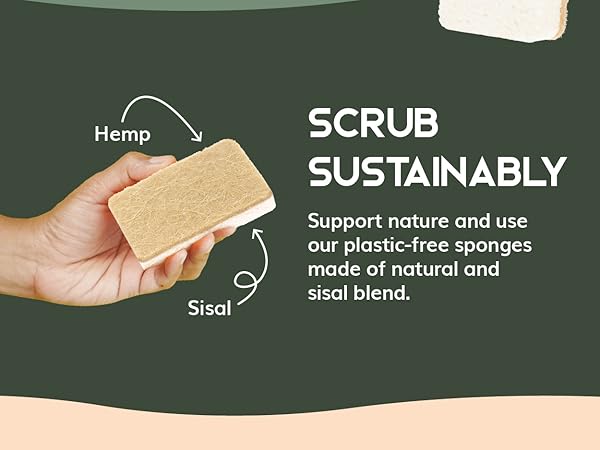
Natural fibers in kitchen sponges come from plants or animals. These fibers are biodegradable and often preferred by those who want eco-friendly options. Materials like cellulose, made from wood pulp, absorb water well and break down naturally over time.
Some sponges also include cotton or coconut fibers, which add strength and softness. Have you ever noticed how a cellulose sponge feels softer and more flexible than synthetic ones? That’s because natural fibers mimic the texture of real plant-based materials.
Using natural fibers means your sponge can last through many scrubs without falling apart quickly. But they might not hold up well against harsh chemicals or very tough grime.
Synthetic Components
Most kitchen sponges include synthetic components like polyurethane foam or polyester. These materials are designed to resist wear and tear, making the sponge durable for heavy-duty cleaning. They also dry faster, which helps reduce bacteria growth.
Many scrubbing pads combine synthetic foam with abrasive layers made from nylon or polyester mesh. This blend gives you both softness and scrubbing power in one tool. Have you ever struggled with a sponge that falls apart after a week? Synthetic parts usually help avoid that problem.
However, synthetic materials don’t break down easily and can contribute to plastic waste. Choosing sponges with a balance of synthetic and natural materials might help you clean effectively while caring for the environment.
How Sponges Are Manufactured
Understanding how kitchen sponges are made helps you appreciate the simple tool you use daily. The manufacturing process transforms raw materials into the soft, absorbent sponge you rely on for cleaning. Let’s look at how these sponges come to life and what ensures their quality.
Production Process
The production starts with a mixture of synthetic materials, usually cellulose or polyurethane. These materials are combined with water and chemicals that create a foam-like substance.
This foam is then poured into molds or spread out in large sheets. It is heated to solidify the structure, forming the sponge’s characteristic porous texture.
After cooling, the sponge is cut into different sizes and shapes. Some sponges get an extra abrasive layer for tougher cleaning tasks.
Quality Control Measures
Quality checks are crucial to make sure the sponge performs well and lasts long. Factories test for durability by squeezing and stretching sponges repeatedly.
They also check for safety, ensuring no harmful chemicals remain in the final product. Absorbency tests confirm the sponge can hold enough water for efficient cleaning.
Imagine buying a sponge that falls apart after a week—wouldn’t you want assurance it’s built to last? These quality controls help prevent that frustration.
Eco-friendly Sponge Alternatives
Eco-friendly sponge alternatives offer a way to keep your kitchen clean without harming the environment. These options break down naturally or can be reused multiple times, reducing waste and chemical exposure. If you want to make a positive impact on the planet, switching to sustainable sponges is a smart and simple step.
Biodegradable Options
Biodegradable sponges are made from natural materials that decompose quickly after use. Common ingredients include cellulose from wood pulp, coconut fibers, and loofah plants. These sponges don’t sit in landfills for decades like synthetic ones.
Using biodegradable sponges means you can toss them into your compost bin when they wear out. This helps close the loop on waste and supports healthier soil. Have you tried a cellulose sponge? They feel soft yet scrub well, making cleaning less of a chore.
Reusable Materials
Reusable sponges often come from durable materials like silicone or tightly woven cotton. These last much longer than traditional sponges and can be washed in the dishwasher or washing machine. That means fewer replacements and less plastic waste.
Imagine cutting down your kitchen waste simply by rinsing and sanitizing a sponge instead of throwing it away. Some reusable sponges even have antibacterial properties built-in, keeping germs at bay without harsh chemicals. What if your next sponge could save you money and help the planet at the same time?

Credit: www.airnex.store
Health Concerns And Hygiene
Kitchen sponges are everyday essentials in many homes. They help clean dishes and surfaces. Yet, they can also pose health risks. These risks often come from poor hygiene practices. Let’s explore some of these concerns.
Bacterial Growth Risks
Sponges are porous and moist. This makes them ideal for bacteria. Common bacteria include E. coli and Salmonella. These can lead to foodborne illnesses. A dirty sponge spreads germs rather than cleans.
Cleaning Tips
To keep sponges safe, clean them regularly. A microwave can kill germs. Wet the sponge and heat it for two minutes. Boiling water works too. Soak the sponge for five minutes.
Replace sponges often. A new sponge every week is best. This reduces the risk of spreading bacteria.
Innovations In Sponge Design
Kitchen sponges have evolved with new designs to improve hygiene and ease of use. Innovations focus on making sponges last longer and fight germs better. They also aim to fit comfortably in your hand for quick cleaning.
Antimicrobial Treatments
Many modern sponges come with antimicrobial coatings. These coatings stop bacteria from growing on the sponge surface. This keeps the sponge cleaner and reduces odors. Some sponges use silver ions or special chemicals for this effect. Antimicrobial sponges help keep your kitchen safer.
Ergonomic Shapes
Sponges now often have ergonomic shapes for better grip and control. Curved edges and textured surfaces fit naturally in your hand. This design reduces hand fatigue during scrubbing. Some sponges have finger grooves or non-slip sides. Ergonomic sponges make cleaning easier and more comfortable.

Credit: www.amazon.com

Credit: www.airnex.store
Frequently Asked Questions
What Materials Are Kitchen Sponges Commonly Made Of?
Kitchen sponges are typically made from cellulose, polyurethane foam, or synthetic fibers. Cellulose sponges are natural and biodegradable. Foam sponges are soft and absorbent. Synthetic fibers provide durability and scrubbing power. These materials help sponges absorb water and clean surfaces effectively.
Are Kitchen Sponges Biodegradable And Eco-friendly?
Some kitchen sponges, especially those made from cellulose, are biodegradable and eco-friendly. Synthetic sponges often take longer to decompose and may not be environmentally safe. Choosing cellulose or plant-based sponges helps reduce plastic waste and supports sustainable kitchen cleaning.
How Does A Kitchen Sponge Absorb Water?
Kitchen sponges absorb water through their porous structure. Tiny holes and spaces trap water molecules, allowing the sponge to soak up liquids efficiently. This porous design also helps sponges hold soap and clean surfaces effectively during kitchen tasks.
Can Kitchen Sponges Harbor Bacteria?
Yes, kitchen sponges can harbor bacteria due to their moist and porous nature. Regular cleaning or replacement is essential to prevent bacterial buildup. Microwaving or soaking sponges in disinfectant can help reduce germs and maintain kitchen hygiene.
Conclusion
Kitchen sponges are made from natural or synthetic materials. They help clean dishes and surfaces effectively. Knowing what they contain helps you choose the right one. Natural sponges come from sea plants, while synthetic ones use plastic fibers. Each type has its pros and cons.
Remember to replace your sponge often to keep your kitchen clean. Understanding sponge materials keeps your home healthier and cleaner. Simple choices make a big difference in daily cleaning.