
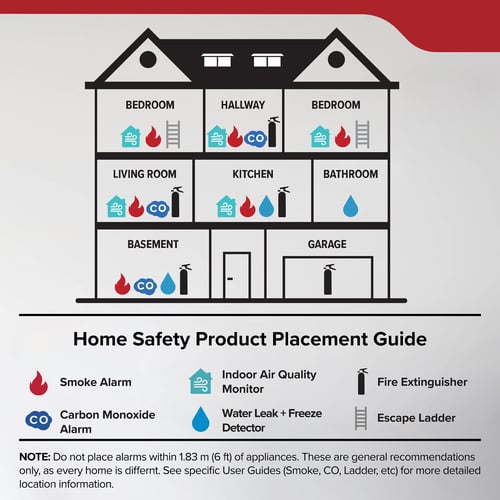
Your kitchen is the heart of your home, but it can also be a hotspot for unexpected fires. Placing a smoke detector in the right spot could save your life and protect your belongings.
But where exactly should you put it to avoid false alarms while ensuring your safety? You’ll discover the best locations to install a smoke detector in your kitchen. Keep reading to learn simple tips that make a big difference in keeping your home safe and your peace of mind intact.

Credit: www.sdmmag.com
Best Locations For Kitchen Smoke Detectors
Choosing the right spot for your kitchen smoke detector can make all the difference in safety and convenience. The kitchen is a high-risk area for fires, but it’s also a place where smoke from cooking can easily trigger false alarms. Finding the balance between effective detection and minimizing nuisance alerts is key.
Ceiling Placement Guidelines
Smoke rises, so the ceiling is usually the best place to install a detector. Position it at least 10 feet away from cooking appliances to avoid constant false alarms from normal cooking smoke or steam. Make sure it’s not too close to vents or ceiling fans, as air movement can prevent smoke from reaching the detector quickly.
Think about the kitchen layout. Placing the detector near but not directly above the stove gives you early warning without frequent triggers. Have you noticed how a detector too close to the stove can sound off every time you fry something? Avoid that frustration by keeping a little distance.
Wall Mounting Tips
If ceiling placement isn’t possible, mount the detector on the wall. It should be 4 to 12 inches below the ceiling to catch rising smoke effectively. Avoid placing it near windows or doors where drafts could blow smoke away from the sensor.
Consider the height and accessibility for testing and maintenance. A detector placed at eye level or just above makes it easier to check batteries and clean. Would you want to struggle with a hard-to-reach alarm when you need to replace batteries?
Avoiding False Alarms
False alarms can make you ignore your smoke detector when it really matters. To reduce these, don’t install detectors right next to the stove, toaster, or kettle. Steam and cooking fumes are common culprits that trigger false alerts.
Use detectors with a hush feature or photoelectric sensors designed to differentiate between smoke and cooking particles. These options can save you from the frustration of frequent, unnecessary alarms. How often have you rushed to silence your detector only to realize it was just burnt toast?
Credit: dconc.gov
Types Of Smoke Detectors Suitable For Kitchens
Choosing the right smoke detector for your kitchen is important. Kitchens have steam, smoke, and cooking odors that can affect detector performance. Using suitable types helps avoid false alarms and ensures safety. Some detectors react better to kitchen conditions than others.
Ionization Vs Photoelectric Detectors
Ionization detectors sense small smoke particles from fast fires. They react quickly but often trigger false alarms from cooking smoke. Photoelectric detectors detect larger smoke particles from smoldering fires. They are less sensitive to cooking smoke and better for kitchens.
Photoelectric detectors reduce false alarms in the kitchen. Many experts recommend them for cooking areas. Ionization alarms work well in other home areas like bedrooms and hallways.
Combination Alarms
Combination alarms use both ionization and photoelectric sensors. They provide quick and accurate fire detection. These alarms lower false alarms from cooking while keeping safety high. Combination detectors suit kitchens and other home areas for full protection.
They often include a hush button to silence false alarms temporarily. This feature is useful during cooking. Combination alarms balance sensitivity and false alarm reduction.
Smart Smoke Detectors
Smart smoke detectors connect to Wi-Fi and send alerts to your phone. They offer easy testing and maintenance reminders. Some models adjust sensitivity to reduce false alarms in kitchens. Smart detectors can link with other home devices for extra safety.
They allow remote silence during cooking smoke alarms. Smart technology helps keep the kitchen safe without constant disturbances.
Common Mistakes To Avoid
Placing a smoke detector in the kitchen can be tricky. Many make avoidable errors that reduce its effectiveness. Understanding common mistakes helps keep your home safe and your alarms reliable.
Smoke detectors near cooking appliances often cause false alarms. Ventilation also affects detector performance. Regular maintenance is key to keeping detectors working properly.
Placing Too Close To Cooking Appliances
Smoke detectors placed too near stoves or ovens trigger false alarms. Cooking smoke and steam often set off the alarm unnecessarily. This leads to annoyance and may cause people to disable the device. Keep detectors at least 10 feet away from cooking areas to avoid this problem.
Ignoring Ventilation Effects
Strong kitchen ventilation can carry smoke away from detectors. Exhaust fans or open windows may prevent smoke from reaching the alarm. This reduces the detector’s chance to sense danger early. Position detectors where airflow does not block smoke from reaching the sensor.
Neglecting Regular Maintenance
Smoke detectors need routine checks and cleaning. Dust, grease, and insects can clog sensors and cause malfunctions. Replace batteries twice a year and test alarms monthly. Neglecting maintenance can lead to failure during an emergency.
Additional Kitchen Safety Measures
Keeping the kitchen safe goes beyond installing a smoke detector. Additional safety measures ensure your kitchen remains secure from potential fire hazards. These measures not only protect your home but also provide peace of mind.
Installing Heat Detectors
Heat detectors are valuable additions to kitchen safety. Unlike smoke detectors, they sense temperature changes. This makes them ideal for detecting kitchen fires. Install them on the ceiling or high on the wall. Ensure they're away from cooking appliances to avoid false alarms. Regular maintenance keeps them functioning efficiently.
Using Fire Extinguishers
A fire extinguisher is essential in any kitchen. Place it in a visible, easily accessible location. Ensure everyone in the household knows how to use it. Remember the PASS method: Pull, Aim, Squeeze, Sweep. Regular checks ensure the extinguisher remains charged and ready. Replace or service as needed.
Creating An Emergency Plan
Having an emergency plan saves lives during a fire. Discuss and practice evacuation routes with family members. Designate a safe meeting point outside the home. Keep emergency contacts easily accessible. Conduct regular drills to ensure everyone knows their role. Preparedness reduces panic in real situations.

Credit: www.reddit.com
Frequently Asked Questions
Where Is The Best Spot For A Kitchen Smoke Detector?
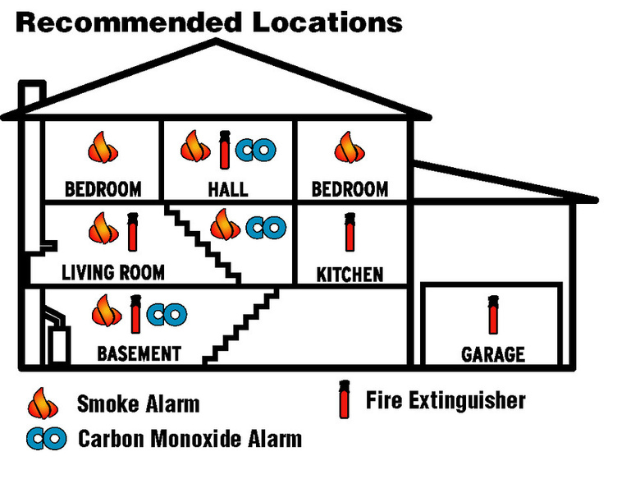
Install the smoke detector on the ceiling, at least 10 feet from cooking appliances. Avoid placing it too close to prevent false alarms from cooking smoke or steam.
How Far Should A Smoke Detector Be From The Stove?
Keep the smoke detector at least 10 feet away from the stove. This distance reduces false alarms caused by normal cooking smoke and heat.
Can I Install A Smoke Detector Inside The Kitchen?
It’s not recommended to install smoke detectors directly inside the kitchen. Instead, place them just outside the kitchen to avoid frequent false alarms.
Should Smoke Detectors Be On The Ceiling Or Wall In Kitchens?
Smoke detectors work best when mounted on the ceiling. If ceiling installation isn’t possible, place them high on the wall, at least 4 inches below the ceiling.
Conclusion
Placing a smoke detector in the kitchen helps keep your home safe. Choose a spot away from the stove to avoid false alarms. Mount it on the ceiling or high on the wall for best detection. Test the detector regularly to ensure it works well.
Remember, a well-placed smoke detector can alert you early. It protects your family and property from fire dangers. Safety starts with smart choices. Keep your kitchen secure with the right smoke detector placement.