
Your kitchen is one of the busiest places in your home, filled with appliances that keep your family safe and comfortable. But what about invisible dangers lurking in the air?
Carbon monoxide is a silent threat that you can’t see or smell, yet it can be deadly. Knowing exactly where to put a carbon monoxide detector in your kitchen could save your life and protect your loved ones. You’ll learn the best spots to install your detector, so you can breathe easier and stay safe every time you cook.
Keep reading to find out how to make your kitchen a safer place right now.
Credit: uw.co.uk
Importance Of Carbon Monoxide Detectors In Kitchens
Carbon monoxide (CO) is a silent threat lurking in many homes, especially in kitchens where gas appliances are common. This odorless, colorless gas can build up quickly and cause serious health risks without warning. Installing carbon monoxide detectors in your kitchen is essential to protect you and your loved ones from this invisible danger.
Why Kitchens Are High-risk Areas For Carbon Monoxide
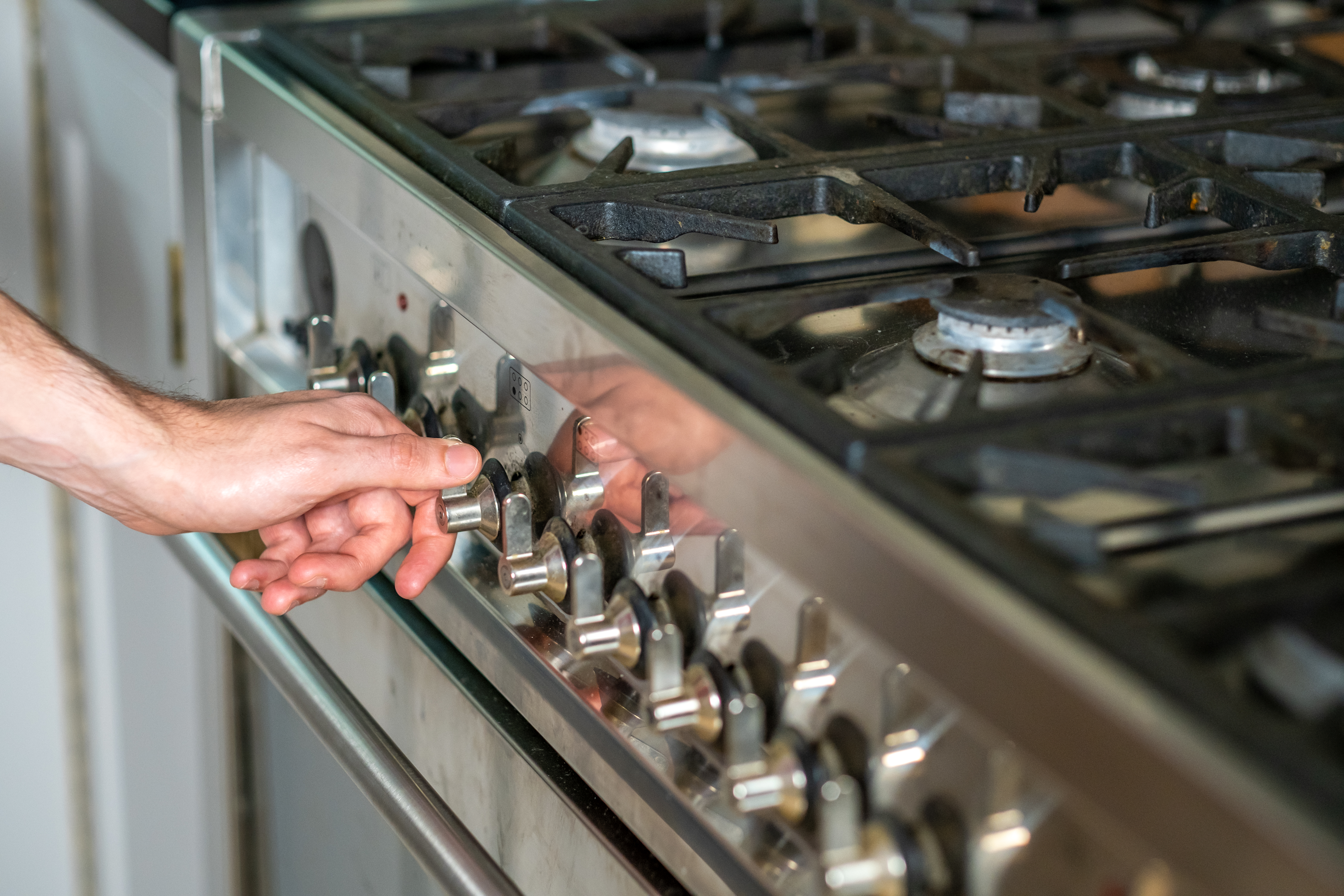
Kitchens often contain gas stoves, ovens, and sometimes heaters, all of which can emit carbon monoxide if not properly ventilated or maintained. Even a small leak or incomplete combustion can cause CO levels to rise rapidly. Are you confident that your kitchen appliances are safe and your space is well-ventilated?
How Carbon Monoxide Detectors Save Lives
These detectors alert you to unsafe CO levels before symptoms appear, giving you time to act. Without a detector, you might not notice the gas until you feel dizzy or nauseous, which could be too late. Installing a detector is a simple step that can prevent emergencies and save lives.
Protecting Your Family From Hidden Dangers
Children, elderly people, and pets are more vulnerable to carbon monoxide poisoning. Having a reliable detector in the kitchen ensures everyone is safe, especially during busy cooking times when gas appliances are in use. Think about how peace of mind changes your daily routine when you know your kitchen is monitored.
Ideal Placement For Carbon Monoxide Detectors
Placing a carbon monoxide (CO) detector in your kitchen needs careful thought. The goal is to catch dangerous gas levels early without triggering false alarms. Understanding where to install the detector can make a big difference in your safety and peace of mind.
Height Considerations
Carbon monoxide mixes evenly with air, so your detector should be installed at a height between 5 and 6 feet above the floor. This placement matches the average breathing zone, ensuring it detects CO before it reaches dangerous levels.
Mounting it too close to the ceiling or too low near the floor might delay detection. Think about where you spend most of your time in the kitchen to decide the best height.
Distance From Appliances
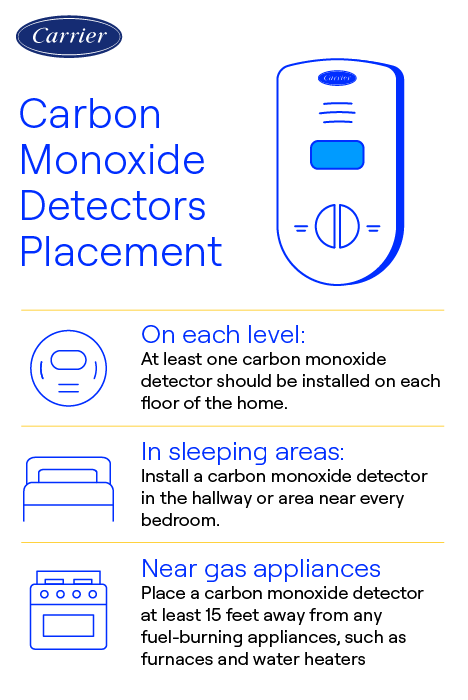
Keep your CO detector at least 15 feet away from fuel-burning appliances like stoves, ovens, and water heaters. Placing it too close can cause false alarms from normal appliance operation.
On the other hand, placing it too far from these sources reduces its effectiveness in early detection. Find a spot that balances proximity to risk with practical daily use.
Avoiding High Humidity Areas
High humidity can damage your CO detector or cause it to malfunction. Avoid placing it near sinks, dishwashers, or areas prone to steam and moisture buildup.
Instead, choose a dry spot with good airflow. This keeps your detector working reliably and prevents unnecessary alerts that might make you ignore real dangers.
Common Mistakes To Avoid
Placing a carbon monoxide detector in the kitchen needs care. Many make simple mistakes that reduce its effectiveness. Avoid placing it where air flows strongly or near heat sources. These errors can cause false alarms or stop the detector from sensing danger.
Near Windows Or Vents
Never place the detector close to windows or vents. Fresh air can dilute carbon monoxide and stop detection. Strong air currents may push gas away from the detector. This lowers safety and gives false security. Choose a spot away from openings and air flow.
Too Close To Cooking Surfaces
Do not install the detector too near stoves or ovens. Cooking produces smoke and steam that can trigger false alarms. Heat from cooking can also damage the sensor. Keep a safe distance to ensure the detector works properly and lasts longer.
In Corners Or Behind Furniture
Avoid placing the detector in corners or hidden behind furniture. These spots reduce air circulation around the device. Carbon monoxide may not reach the detector fast enough. Mount it on a clear wall or ceiling for best results and quick alerts.
Credit: www.carrier.com
Additional Safety Measures In The Kitchen
Place the carbon monoxide detector near the ceiling, away from cooking appliances. Avoid spots close to windows or vents to ensure accurate readings. Regular checks keep your kitchen safe from invisible gas dangers.
Ensuring the safety of your kitchen involves more than just installing a carbon monoxide detector. Additional safety measures can protect you and your loved ones. Consider integrating various safety practices to enhance protection.
Regular Maintenance And Testing
Test your carbon monoxide detector monthly. Replace batteries twice a year. Dust and debris can block sensors. Clean detectors regularly to ensure functionality. Follow the manufacturer's guidelines for maintenance.
Using Multiple Detectors
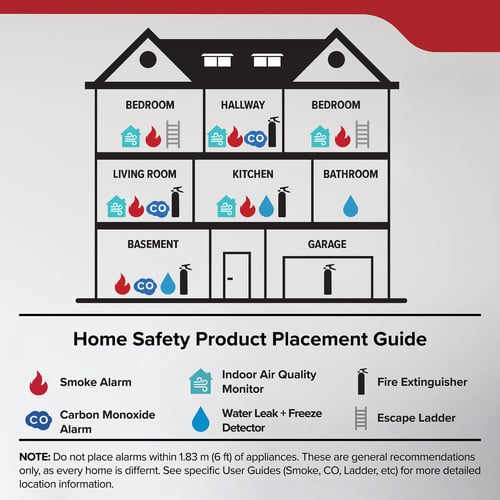
Place detectors on each level of your home. Install one near sleeping areas. This ensures early detection at night. Use additional detectors in rooms with fuel-burning appliances. They offer extra coverage and safety.
Combining With Smoke Alarms
Integrate smoke alarms with carbon monoxide detectors. This dual setup enhances protection. Choose combination units for convenience. They save space and simplify maintenance. Make sure both alarms are interconnected. This ensures all units alert simultaneously during emergencies.
Choosing The Right Carbon Monoxide Detector
Choosing the right carbon monoxide detector for your kitchen is crucial for your safety and peace of mind. Not all detectors are created equal, and understanding the differences can help you pick the one that fits your needs best. Consider your kitchen layout, power options, and the features that matter most to you.
Battery Vs. Hardwired Models
Battery-powered detectors offer flexibility and easy installation. You can place them anywhere without worrying about wiring, which is perfect for renters or those who want a quick setup.
Hardwired models connect directly to your home's electrical system and often include battery backup. These are more reliable for long-term use but usually require professional installation.
Ask yourself: Do you prefer a detector that’s ready to go right out of the box, or one that integrates seamlessly with your home’s power system?
Features To Look For
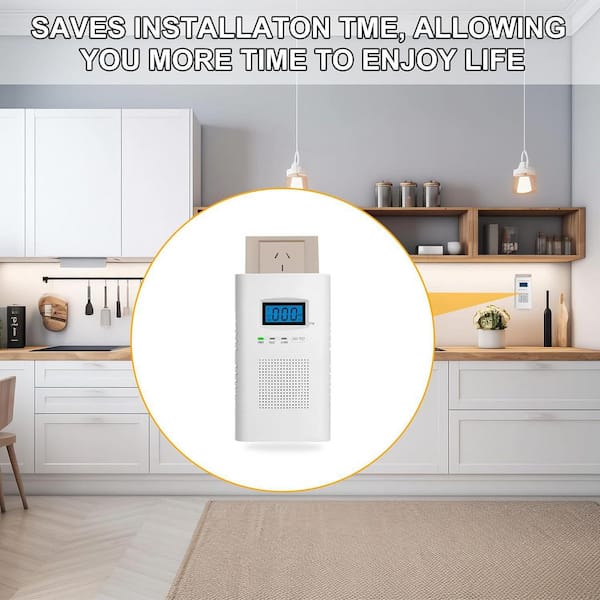
Look for detectors with a loud alarm and a digital display showing real-time carbon monoxide levels. Some models include voice alerts that tell you where the danger is detected, adding clarity during emergencies.
Consider detectors with test and reset buttons for easy maintenance. Some advanced units also connect to your smartphone, sending alerts even when you’re not home.
Think about what features will make you feel safest and most informed in your kitchen environment.
Certifications And Standards
Always choose a detector certified by recognized organizations like UL (Underwriters Laboratories) or CSA (Canadian Standards Association). These certifications ensure the device meets strict safety and performance criteria.
Check if the detector complies with local building codes or regulations, which can vary by region. This ensures your device is both legal and reliable.
Would you trust a device without proven testing and certification when your family’s safety is on the line?
Credit: www.homedepot.com
Frequently Asked Questions
Where Is The Best Place To Install A Carbon Monoxide Detector In Kitchen?
It's essential to install a carbon monoxide detector near cooking areas or above sleeping areas. This allows for early detection of carbon monoxide levels. Typically, install near a kitchen window, above a stove, or near a water heater.
Can I Put Carbon Monoxide Detector Near A Gas Stove In Kitchen?
Yes, you can install a carbon monoxide detector near a gas stove, but ensure it's at least 10 feet away. This allows for proper airflow and reduces the risk of false alarms. Always follow the manufacturer's instructions for optimal placement.
How High Should I Install A Carbon Monoxide Detector In Kitchen?
Install a carbon monoxide detector between 5 and 20 feet off the floor, ensuring it's at least 6 inches away from any walls or obstructions. This provides accurate readings and reduces interference from other devices.
Can I Install Multiple Carbon Monoxide Detectors In A Large Kitchen?
Yes, install multiple carbon monoxide detectors in a large kitchen, spaced at least 10 feet apart. This ensures comprehensive coverage and early detection of carbon monoxide levels. Always follow the manufacturer's guidelines for optimal placement and configuration.
Conclusion
Placing a carbon monoxide detector in the kitchen keeps your home safe. Install it near cooking appliances but not too close to avoid false alarms. Keep it at eye level for easy monitoring. Regularly check and replace the batteries. This small step helps protect your family from dangerous gas leaks.
Safety starts with the right detector placement. Stay alert and keep your kitchen secure.