

Are you wondering where to put a heat detector in your kitchen to keep your home safe? Choosing the right spot isn’t as simple as it sounds.
Place it too close to your stove, and false alarms might drive you crazy. Put it too far, and it might not alert you quickly enough in an emergency. You’ll discover the best locations for your heat detector to protect your kitchen without unnecessary interruptions.
Keep reading to learn how to make your kitchen safer with the right placement.
Heat Detectors Vs Smoke Alarms
Choosing the right fire detection device for the kitchen is essential. Heat detectors and smoke alarms serve different purposes. Knowing their differences helps protect your home better.
Key Differences
- Smoke alarms detect smoke particles in the air early.
- Heat detectors sense a rise in temperature or a fixed heat level.
- Smoke alarms can give false alarms from cooking fumes.
- Heat detectors are less sensitive to smoke and steam.
- Smoke alarms react faster to smoldering fires.
- Heat detectors respond well to fast, high-temperature fires.
Why Heat Detectors Suit Kitchens
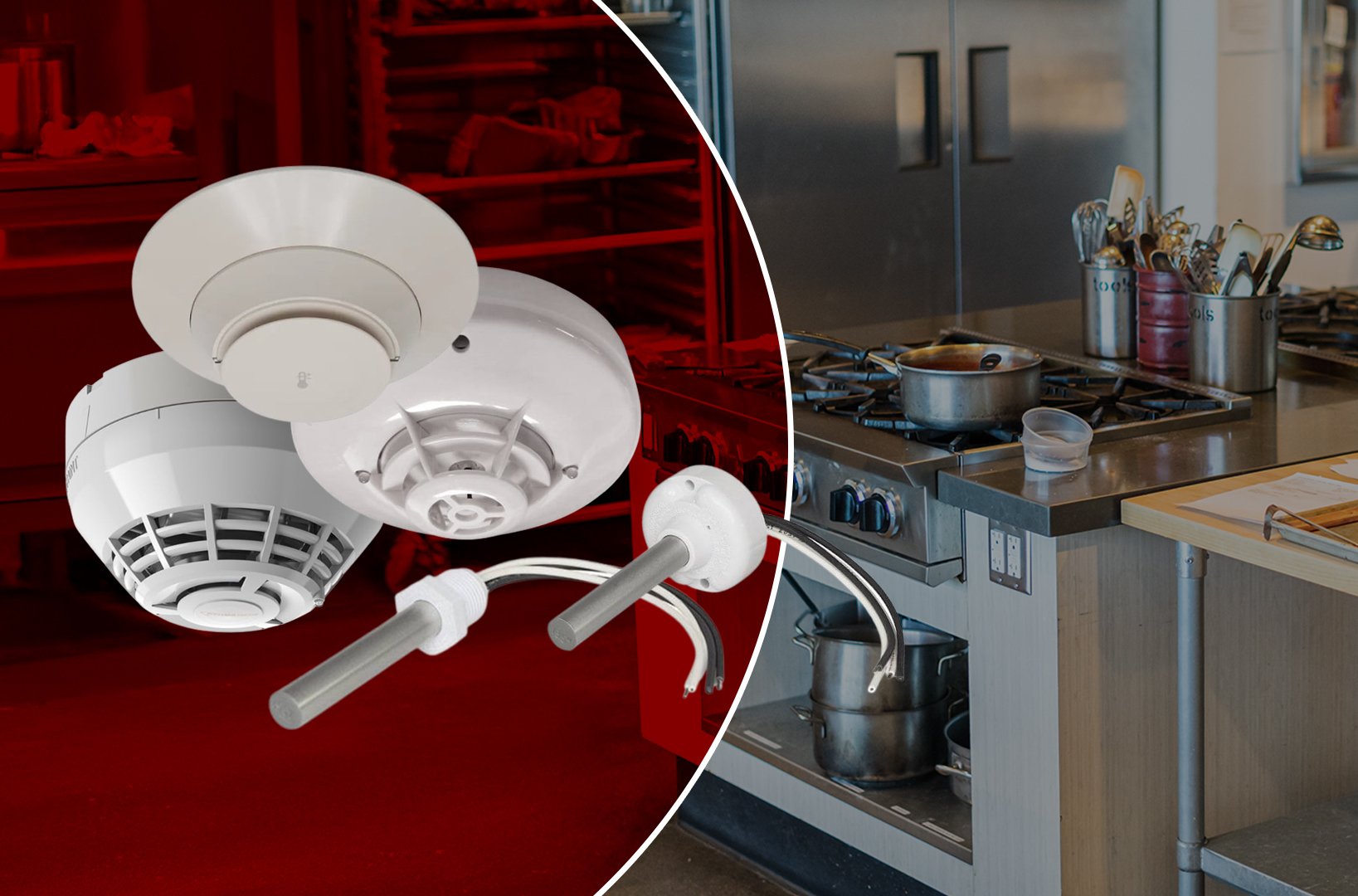
Kitchens often have smoke from cooking. This smoke can trigger false alarms in smoke detectors. Heat detectors avoid this problem by only reacting to temperature changes.
Heat detectors stay quiet during normal cooking activities. They only alert when the temperature rises quickly, signaling a real fire. This reduces unnecessary alarms and stress.
Placing heat detectors in the kitchen protects without interrupting daily life. Their design makes them ideal for areas with smoke or steam.
Credit: firealarm.com
Ideal Heat Detector Placement
Placing a heat detector correctly in the kitchen ensures early fire detection without constant false alarms. The ideal spot captures rising heat quickly while avoiding steam and smoke from regular cooking. Proper placement balances safety and convenience.
Ceiling Positioning
Mount heat detectors on the ceiling, as heat rises. Place them at least 4 inches away from walls to avoid dead air zones. Center the detector in the kitchen if possible for even coverage. Avoid corners where heat can get trapped or slow to reach the sensor.
Distance From Cooking Appliances
Keep heat detectors 3 to 5 feet away from stoves and ovens. This distance prevents alarms from triggering during normal cooking heat. Position detectors near but not directly above cooking appliances to detect real fires early. Use a spot that monitors the whole kitchen space effectively.
Avoiding False Alarms
Do not install detectors near vents, windows, or areas with high airflow. Steam and smoke from boiling or frying can cause false alarms. Avoid placing detectors too close to microwaves or toasters. Regularly clean detectors to prevent dust build-up that may trigger false signals.
Factors Affecting Detector Efficiency
Choosing the right spot for your kitchen heat detector isn’t just about placing it anywhere on the ceiling. Several factors affect how well the detector senses heat and alerts you promptly. Understanding these factors helps you avoid false alarms and ensures your safety.
Kitchen Size And Layout
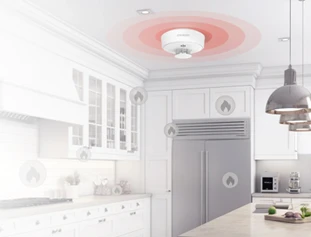
The size of your kitchen plays a big role in where you should position the heat detector. In a small kitchen, placing the detector near the cooking area usually works well. But in larger kitchens with multiple cooking zones, you might need more than one detector for full coverage.
Think about the layout too. Is your kitchen open to other rooms or enclosed? Open kitchens may require detectors placed strategically to avoid delays in heat detection due to air flow from adjoining spaces. Have you noticed how heat travels differently in your kitchen space?
Ventilation Impact
Ventilation can be a friend or foe for heat detectors. Exhaust fans, vents, and open windows can quickly carry heat away from the detector, delaying its response. If your kitchen has strong ventilation, avoid placing detectors right next to vents or fans.
Position the detector where it can sense rising heat without being affected by drafts. This balance is tricky but crucial. Have you ever experienced a false alarm because of a sudden kitchen breeze?
Temperature Fluctuations
Kitchens often have rapid temperature changes, especially near stoves and ovens. Heat detectors placed too close to these appliances might trigger false alarms during normal cooking. On the other hand, placing them too far might slow down detection of real fires.
Find a spot that avoids extreme temperature swings but still catches dangerous heat levels quickly. Remember, your goal is quick alert without unnecessary interruptions. How do you currently manage temperature changes around your kitchen detectors?
Credit: www.firedetectionshop.co.uk
Installation Tips
Place heat detectors on the ceiling, away from cooking appliances to avoid false alarms. Keep them at least three feet from stoves and ovens for accurate detection. Avoid corners and vents to ensure proper heat sensing.
Installing a heat detector in your kitchen is crucial for safety, but placement and setup can be tricky. Getting it right ensures that your detector functions optimally, giving you peace of mind. Let's dive into some practical tips to help you install your heat detector effectively.
Mounting Height
Choosing the right mounting height is essential for accurate heat detection. Ideally, place the heat detector on the ceiling, as heat rises. Ensure it's at least 4 inches away from any walls to avoid dead air spaces, which might delay detection. Avoid placing the detector near vents or fans, as these could disrupt heat flow. A friend once installed their detector too close to an air vent, leading to delayed alerts during a kitchen mishap. It’s a mistake you can easily avoid with proper planning.
Wiring And Power Sources
When it comes to wiring, ensure you use the right type of power source for your heat detector. Most detectors are either battery-operated or hard-wired. Battery-operated detectors offer flexibility in placement, while hard-wired models require a bit more planning and installation effort. Consider using a professional if you're opting for a hard-wired detector. Incorrect wiring can lead to malfunction, which is the last thing you want in an emergency. Think about your kitchen layout and power sources to choose the right option for you.
Testing And Maintenance
Regular testing and maintenance are key to keeping your heat detector in top condition. Test the device monthly by pressing the test button until you hear a loud beep. This ensures the detector is working properly and the battery is still active. Don't forget to clean your detector to prevent dust accumulation, which can impede functionality. Use a vacuum cleaner or a soft brush to gently clean around the vents. This simple maintenance step can significantly extend the life of your detector and ensure it functions when you need it most. Have you ever wondered if your kitchen safety measures are up to date? Regularly maintaining and testing your heat detector keeps you prepared and safe.
Common Mistakes To Avoid
Placing a heat detector in the kitchen is important for safety. Many people make common mistakes that reduce its effectiveness. Avoiding these errors ensures the detector works well when needed.
Placing Near Steam Sources
Do not install heat detectors near stoves, ovens, or dishwashers. Steam and smoke from cooking can cause false alarms. This leads to frequent, annoying beeps or silence when real danger occurs. Place detectors away from areas with high steam or smoke levels.
Ignoring Manufacturer Guidelines
Each heat detector comes with specific instructions. Ignoring these can cause poor performance. Follow the height and distance rules carefully. Wrong placement may prevent the detector from sensing heat properly. Always read and apply the manufacturer’s rules for best results.
Overlooking Regular Checks
Many forget to test heat detectors regularly. Dust or dirt can block sensors. Batteries may run out. Test your detector monthly. Clean it gently to remove dust. Replace batteries as needed to keep it working well.
Enhancing Kitchen Fire Safety
Keeping your kitchen safe from fire hazards is crucial since this area is one of the most common places where fires start. Placing heat detectors in the right spots can make a huge difference in early fire detection. But safety doesn’t stop there—you need a combination of tools, habits, and plans to protect your home effectively.
Combining Heat Detectors With Other Devices
Heat detectors work best when paired with smoke alarms. Smoke alarms catch fires that produce smoke early, while heat detectors sense rapid temperature changes, especially useful in the kitchen where smoke from cooking might cause false alarms.
Consider adding a carbon monoxide detector too. Some fires release harmful gases before flames appear. Having multiple devices increases your chance of detecting danger fast.
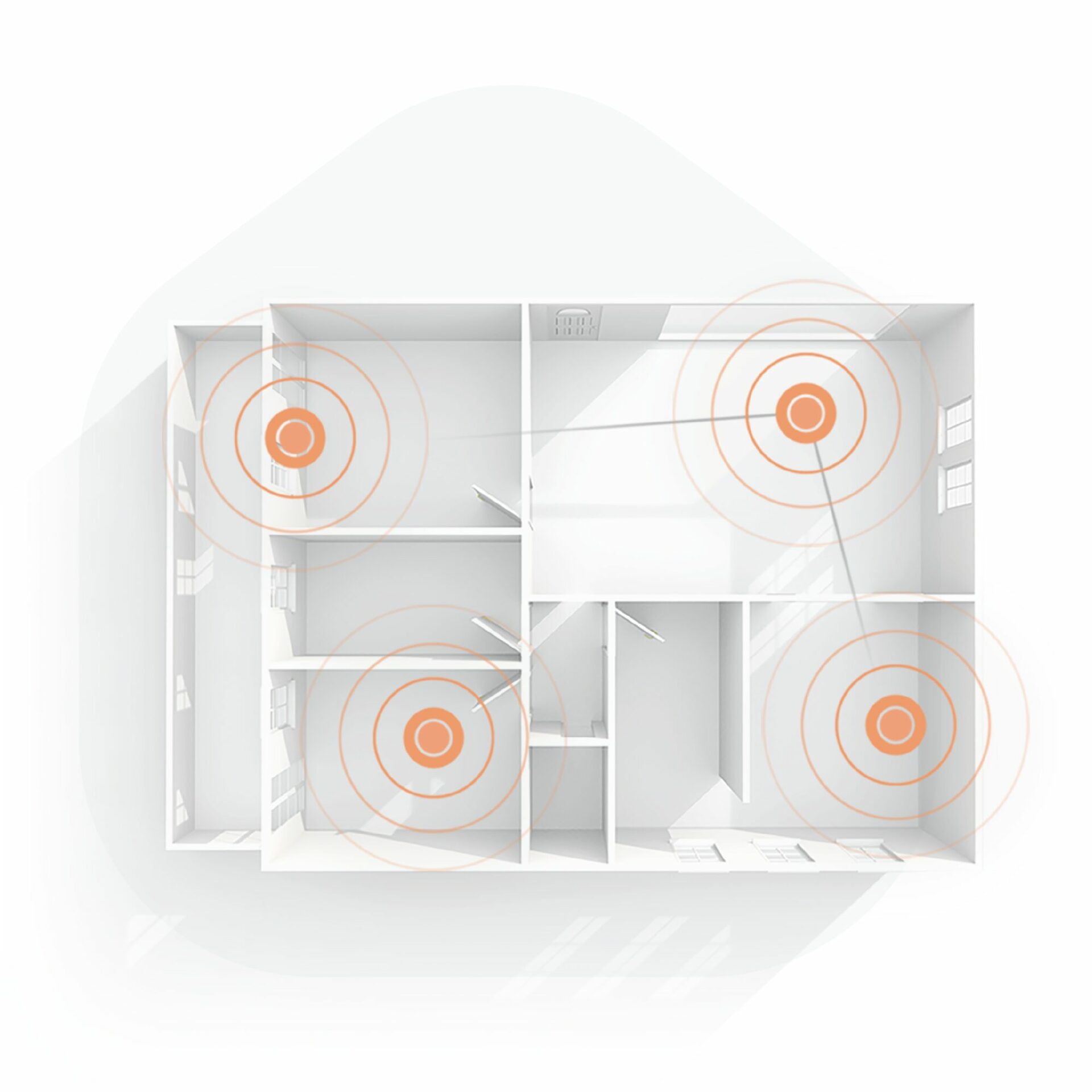
Place your heat detector at least 10 feet away from cooking appliances to reduce false alarms but close enough to spot real heat surges. Have you checked if your kitchen devices are interconnected so all alarms sound together?
Safe Cooking Practices
Never leave cooking unattended—most kitchen fires start when food is forgotten on the stove. Keep flammable items like towels, paper, and curtains away from heat sources.
Clean your stove and oven regularly to prevent grease buildup. Grease fires are harder to control and spread quickly.
Use timers to remind you when food is cooking. Simple habits like this reduce risks and give your heat detectors a better chance to alert you before things get out of hand.
Emergency Response Planning
Having a plan ready can save lives. Discuss with your family or housemates what to do if a fire starts in the kitchen.
Practice quick evacuation routes and identify a safe meeting spot outside your home. Does everyone know how to turn off the stove and call emergency services?
Keep a fire extinguisher nearby and learn how to use it. This small preparation step can stop a fire before it spreads and allows your heat detector’s alert to become your call to action.
Credit: www.fireangel.co.uk
Frequently Asked Questions
Where Is The Best Spot For A Kitchen Heat Detector?
Place the heat detector on the ceiling, 12-18 inches away from walls. Avoid placing it near cooking appliances to reduce false alarms.
How High Should A Heat Detector Be Installed In Kitchen?
Install the heat detector on the ceiling, ideally 4 to 12 inches below the ceiling. This height ensures early detection of heat.
Can A Heat Detector Be Installed Near Kitchen Vents?
Avoid placing heat detectors near vents or fans. Airflow can interfere with heat sensing, causing delayed or false alarms.
Should Heat Detectors Be Placed Inside Or Outside The Kitchen?
Install heat detectors inside the kitchen, but away from direct cooking areas. This ensures quick heat detection without false alarms from normal cooking.
Conclusion
Place heat detectors where they sense heat quickly, like near the stove. Avoid putting them too close to steam or smoke areas to prevent false alarms. Keep detectors high on the wall or ceiling for best results. Regularly check and clean detectors to keep them working well.
Proper placement helps protect your kitchen and home from fire risks. Safety starts with smart detector positioning. Stay safe and alert by choosing the right spots for your heat detector.