
Have you ever picked up your kitchen sponge only to be hit by a strong, unpleasant smell? That bad odor isn’t just annoying—it’s a sign that your sponge might be full of germs.
Your kitchen sponge works hard every day, soaking up food particles and moisture, which creates the perfect environment for bacteria to grow. But why does your sponge stink so much, and what can you do to stop it? Keep reading to discover the surprising reasons behind that foul smell and simple tricks to keep your kitchen sponge fresh and clean.
Credit: lazermax.lv
Common Causes Of Sponge Odor
Kitchen sponges often develop bad smells due to several common reasons. Understanding these causes helps keep your sponge fresh and hygienic. Odors usually come from tiny germs and trapped food bits. Moist environments make it easier for smells to grow. Below are the main causes behind sponge odor.
Bacterial Growth
Sponges are perfect places for bacteria to live and multiply. Warmth and moisture help bacteria grow fast. These tiny creatures release foul smells that make your sponge stink. Cleaning alone does not always remove all bacteria inside.
Food Residue
Leftover food particles get stuck deep in the sponge. These bits rot and produce unpleasant odors. Sticky or greasy foods especially cause strong smells. Regular rinsing does not always remove all food residue.
Moisture Retention
Sponges hold water for a long time after use. This constant wetness creates a damp environment. Dampness encourages bacteria and mold growth. Letting your sponge dry fully helps reduce bad smells.
Mold And Mildew
Dark, wet sponges often develop mold and mildew. These fungi have a musty, sour smell. Mold spores spread quickly inside the sponge. Moldy sponges can cause health problems if not replaced.
How Sponges Trap Smells
The kitchen sponge often smells bad because it traps odors easily. This happens due to its structure and the environment it stays in. Understanding how sponges hold smells helps keep kitchens fresher.
Porous Nature Of Sponges
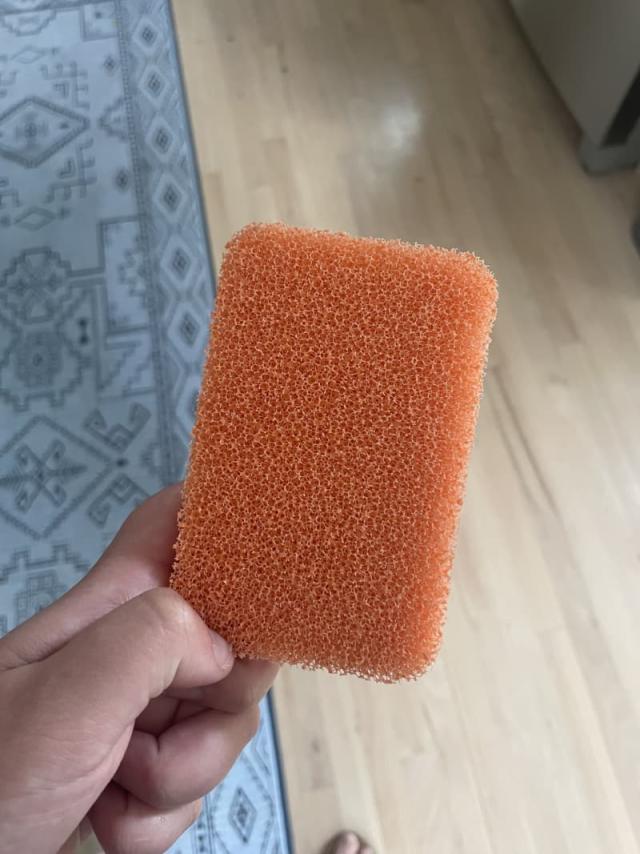
Sponges have many tiny holes called pores. These pores absorb water and food particles. They create a perfect place for bacteria to grow. Bacteria produce bad smells as they multiply. The more pores, the more places for germs to hide.
Warm And Damp Environment
Sponges stay wet for a long time. Warmth from the kitchen makes the sponge damp. Bacteria and mold love warm, wet places. This environment speeds up the smell formation. Dry sponges do not trap smells as much.
Cross-contamination
Sponges touch many surfaces during cleaning. They pick up food bits and grease from plates and counters. These leftovers mix inside the sponge pores. Bacteria feed on this mix, causing stronger odors. Using the same sponge for many tasks spreads germs easily.
Daily Habits That Worsen Odors
Daily habits often cause kitchen sponges to develop bad odors quickly. Small actions can create the perfect place for bacteria to grow. Understanding these habits helps keep your sponge fresh longer. Avoiding these mistakes improves kitchen hygiene and prevents foul smells.
Leaving Sponge Wet
Sponges hold water after use, creating a damp environment. Bacteria and mold thrive in wet sponges. Leaving the sponge wet on the sink or in a closed container worsens odors. Always squeeze out excess water and store the sponge in a dry spot.
Using On Raw Meat Surfaces
Using the sponge on raw meat spreads harmful bacteria inside its pores. These bacteria multiply quickly, causing a strong smell. Cross-contamination also risks food safety. Use separate cloths or disposable wipes for raw meat cleaning.
Neglecting Regular Cleaning
Not cleaning sponges often lets bacteria build up. A dirty sponge smells bad and becomes less effective. Clean sponges by microwaving wet for one minute or soaking in vinegar. Replace sponges every one to two weeks for best results.

Credit: www.threads.com
Simple Cleaning Methods
Kitchen sponges trap food and moisture, creating a perfect place for bacteria to grow. Cleaning them regularly stops bad smells and keeps your kitchen fresh. Simple rinsing and drying can help reduce the stink quickly.
Keeping your kitchen sponge fresh and odor-free doesn't have to be a daunting task. If you've ever noticed an unpleasant smell emanating from your sponge, you're not alone. The good news is that there are simple cleaning methods to ensure your sponge stays clean and hygienic. Let's dive into some effective techniques to tackle that stubborn stink.
Microwave Disinfection
Did you know your microwave can do more than just heat leftovers? It can also disinfect your sponge. Simply soak your sponge in water and place it in the microwave for about one minute. The heat will kill most bacteria, leaving your sponge fresher. Remember to let it cool before handling!
Dishwasher Cleaning
Your dishwasher is another great tool for cleaning your sponge. Just toss it in with your regular dishwashing cycle. The hot water and detergent work together to eliminate germs. This method is both easy and effective, giving your sponge a new lease on life.
Bleach Soak
Bleach is a powerful disinfectant that can tackle even the toughest odors. Mix a tablespoon of bleach with a gallon of water, then soak your sponge for five minutes. This method is excellent for killing bacteria and removing odors. Be sure to rinse the sponge thoroughly to remove any bleach residue.
Vinegar And Baking Soda
Vinegar and baking soda aren't just for baking—they're also fantastic for cleaning. Soak your sponge in vinegar for five minutes, then sprinkle baking soda on it. The fizzing action helps lift away grime and odors. This natural method is gentle yet effective, leaving your sponge smelling fresh. Have you tried these methods before? If so, which one worked best for you? Share your thoughts and tips in the comments below!
Preventing Sponge Smell
Preventing that unpleasant odor from your kitchen sponge starts with simple daily habits. It’s easy to overlook how moisture and bacteria team up to create that stink. But by managing these factors, you can keep your sponge fresher and your kitchen smelling clean.
Proper Drying Techniques
After each use, squeeze out as much water as you can from your sponge. Leaving it wet is like inviting bacteria to thrive.
Place your sponge in a well-ventilated spot where air can circulate freely. Avoid tossing it into a damp sink corner or a closed container.
Have you tried standing your sponge upright or using a sponge holder with drainage? These small changes can make a big difference in drying speed.
Frequent Replacement
Even with careful drying, sponges don’t last forever. Replacing your sponge every one to two weeks helps prevent buildup of odor-causing germs.
Keep a reminder on your phone or calendar to swap out old sponges regularly. It’s a quick task that saves you from a stinky surprise.
Think about how often you use your sponge daily. If it’s heavy use, consider changing it more often to stay ahead of the smell.
Dedicated Sponges For Different Tasks
Using one sponge for everything can spread bacteria and cause odors faster. Assign different sponges for dishes, countertops, and cleaning spills.
This separation reduces cross-contamination and helps each sponge stay cleaner longer. Label them or use color-coded sponges to keep track.
Have you noticed how a sponge used for greasy pans smells worse than one for wiping counters? Keeping tasks separate can prevent that.
Alternatives To Traditional Sponges
Traditional kitchen sponges trap food, moisture, and bacteria. This causes bad smells and makes them unhealthy. Many people switch to alternatives that stay cleaner and last longer. These options reduce odor problems and improve kitchen hygiene.
Silicone Scrubbers
Silicone scrubbers dry quickly and resist bacteria growth. Their soft, flexible texture cleans dishes without scratching. They are easy to wash and can be sanitized in hot water. Silicone scrubbers do not absorb water or food particles.
Reusable Cloths
Reusable cloths made from cotton or microfiber are good sponge alternatives. They absorb water but dry faster than sponges. These cloths can be washed in a machine to kill germs. Reusable cloths are gentle on dishes and reduce waste.
Natural Fiber Sponges
Natural fiber sponges come from plant materials like cellulose or loofah. They biodegrade and do not hold odors as much as synthetic sponges. These sponges dry well and break down bacteria faster. Natural fiber sponges offer an eco-friendly cleaning choice.
Credit: www.vevor.com
Frequently Asked Questions
Why Does My Kitchen Sponge Smell Bad?
Your kitchen sponge smells bad due to bacteria and mold buildup. Moist environments encourage microbial growth, causing foul odors. Regular cleaning and drying prevent this issue and keep your sponge fresh.
How Often Should I Replace My Kitchen Sponge?
Replace your kitchen sponge every 1 to 2 weeks. Frequent use and moisture lead to bacteria growth. Regular replacement ensures hygiene and prevents unpleasant smells in your kitchen.
Can I Deodorize A Smelly Kitchen Sponge?
Yes, deodorize by soaking the sponge in vinegar or baking soda solution. These natural cleaners kill bacteria and neutralize odors. Rinse and dry thoroughly after treatment for best results.
Does Microwaving Kill Bacteria In Kitchen Sponges?
Microwaving a damp sponge for 1-2 minutes can kill most bacteria. Ensure the sponge is wet to avoid fire hazards. However, this method doesn’t remove all germs or odors completely.
Conclusion
Kitchen sponges often smell bad because they hold moisture and germs. Germs grow fast in warm, damp places. Cleaning your sponge regularly helps stop the smell. Let your sponge dry completely after each use. Replace old sponges every one to two weeks.
Small habits keep your kitchen fresh and safe. Remember, a clean sponge means cleaner dishes and a healthier home. Simple steps make a big difference in your kitchen’s smell. Keep your sponge fresh, and your kitchen will feel better.