

Have you ever wondered if your kitchen really needs a smoke detector? You might think it’s unnecessary or worry about false alarms from cooking.
But what if that small device could be the difference between a close call and a serious fire? Your kitchen is one of the busiest places in your home, filled with heat, flames, and potential hazards. This article will help you understand why having a smoke detector in your kitchen is not just a good idea—it could be a lifesaver.
Keep reading to discover how this simple tool protects you, your loved ones, and your home.
Smoke Detectors In Kitchens
Smoke detectors play a crucial role in kitchen safety. Kitchens are areas where fires can start quickly. Cooking involves heat, flames, and sometimes grease. These factors make kitchens one of the most common places for house fires. Having the right smoke detector helps alert you early and can save lives.
Why Kitchens Are High-risk Areas
Kitchens have many fire hazards. Open flames from stoves and ovens can ignite nearby items. Grease buildup can catch fire easily. Electrical appliances may cause sparks. Cooking often produces smoke and steam. These can trigger false alarms in some detectors. Fires can grow fast if not noticed early. This is why kitchens need special attention for fire safety.
Types Of Smoke Detectors Suitable For Kitchens
Not all smoke detectors work well in kitchens. Some are sensitive to cooking smoke and steam, causing false alarms. Choosing the right type reduces nuisance alarms while providing safety.
- Photoelectric Smoke Detectors:Detect smoke from smoldering fires. Less sensitive to cooking smoke. Ideal for kitchens near cooking areas.
- Ionization Smoke Detectors:Better at sensing fast-flaming fires. More prone to false alarms in kitchens. Use with caution in cooking spaces.
- Combination Smoke and Heat Detectors:Detect both smoke and high heat. Heat sensor reduces false alarms from steam or light smoke.
- Heat Detectors:Trigger alarm only when temperature rises quickly. Good for kitchens with heavy smoke or steam.
Placing smoke detectors slightly away from cooking appliances can also help. This prevents frequent false alarms while maintaining safety.
:max_bytes(150000):strip_icc()/spr-kidde-hardwired-smoke-alarm-i4618-julia-warren-01-faa480fecad5429d9cab4d8386ea1422.jpeg)
Credit: www.thespruce.com
Challenges With Kitchen Smoke Detectors
Kitchen smoke detectors face unique challenges that affect their performance. These devices often react to everyday kitchen activities. Cooking produces steam, smoke, and odors, which can confuse the detector. This leads to frequent false alarms. False alarms can annoy residents and cause them to ignore real warnings.
Finding the right balance between safety and convenience is hard. The detector must sense real fires early. At the same time, it should avoid reacting to normal cooking events. Understanding these challenges helps in choosing and placing detectors wisely.
Common Causes Of False Alarms
- Smoke from frying or grilling food
- Steam from boiling water or hot showers
- Burnt toast or overheated food
- Cooking odors and smoke particles
- Dust and insects inside the detector
- High humidity and poor ventilation
How To Reduce False Alarms
- Place smoke detectors away from the stove and oven
- Use a heat detector instead of a smoke detector
- Install a detector with a hush or silence button
- Keep the kitchen well ventilated during cooking
- Regularly clean the detector to remove dust and insects
- Use exhaust fans or range hoods to remove smoke
Placement Tips For Kitchen Smoke Detectors
Proper placement of smoke detectors in the kitchen is crucial for safety and to avoid false alarms. Smoke detectors must detect real fires quickly but not react to everyday cooking smoke. Thoughtful positioning helps achieve this balance.
Ideal Locations
Install smoke detectors on the ceiling or high on a wall. Smoke rises, so higher placement ensures early detection. Place detectors near entry points to the kitchen. This helps alert anyone entering the area in case of smoke.
Avoid corners where smoke may not reach sensors promptly. Keep detectors away from vents or fans that can blow smoke away. These locations reduce the chance of missed alarms.
Distance From Cooking Appliances
Keep smoke detectors at least 10 feet (3 meters) away from stoves and ovens. Cooking produces steam and small smoke bursts that can trigger false alarms. This distance reduces nuisance alarms while maintaining safety.
Mount detectors near, but not directly above, cooking surfaces. This placement detects smoke fast without reacting to normal cooking fumes. Use heat detectors in areas prone to steam and smoke near appliances for better accuracy.
Credit: www.businessinsider.com
Alternative Safety Devices
When considering kitchen safety, smoke detectors often come to mind first. However, there are alternative safety devices that can offer added peace of mind. These devices are designed to handle the unique conditions of a kitchen, where smoke and steam are common. Let's explore some of these alternatives.
Heat Detectors Vs Smoke Detectors
Heat detectors are a valuable option for kitchens, particularly because they react to a rise in temperature rather than smoke. This makes them less likely to trigger false alarms caused by cooking. Think about the last time you cooked a big meal and set off the smoke alarm—it can be frustrating, right? Heat detectors can prevent that.
Unlike smoke detectors, which are designed to sense particles in the air, heat detectors focus on temperature. They activate when the room's temperature reaches a set threshold. This feature can be particularly useful in kitchens, where smoke is not always indicative of danger.
Combination Detectors
If you're looking for an all-in-one solution, consider combination detectors. These devices can detect both smoke and heat, offering comprehensive coverage. They provide flexibility and enhanced safety, especially in areas like the kitchen.
Combination detectors offer the best of both worlds. You get the smoke detection capabilities, which are crucial for early warning in case of fire, and the heat detection, which minimizes false alarms. This dual protection can be particularly reassuring if you have a busy kitchen.
Have you ever thought about how these devices could integrate into your home? With technology constantly advancing, combination detectors are becoming smarter and more efficient. They can be a worthy investment for any homeowner focused on safety.
Maintenance And Testing
Maintaining and testing kitchen smoke detectors keeps them ready to protect your home. Dirt and dust can block sensors, causing false alarms or failure. Testing ensures the detector works and alerts you quickly during danger.
Regular Cleaning
Clean the smoke detector every month to remove dust and grease. Use a soft brush or vacuum cleaner with a soft nozzle. Avoid using water or harsh chemicals that can damage the device. Wipe the outside gently with a dry cloth to keep it clear.
Testing Frequency
Test the smoke detector at least once a month. Press the test button until you hear a loud alarm sound. Replace batteries every six months or when the low battery alert sounds. Replace the entire smoke detector every 10 years for best safety.
Additional Kitchen Fire Safety Measures
Beyond just having a smoke detector, your kitchen needs extra layers of protection to keep fire risks low. Taking additional fire safety measures can make a huge difference when accidents happen. These steps not only help you respond quickly but also prevent fires from starting in the first place.
Fire Extinguishers
Keeping a fire extinguisher in your kitchen is a smart move. Make sure it’s an ABC type, which can handle grease, electrical, and paper fires.
Place it within easy reach but away from the stove, so you can grab it safely if a fire breaks out. Knowing how to use it is just as important—practice the PASS technique:
- Pullthe pin
- Aimat the base of the fire
- Squeezethe handle
- Sweepside to side
Have you checked your extinguisher’s pressure gauge lately? Regular maintenance keeps it ready when you need it most.
Safe Cooking Practices
Many kitchen fires start because of simple mistakes during cooking. Never leave food unattended on the stove or in the oven—this is one of the easiest ways to avoid a disaster.
Keep flammable items like dish towels and paper towels away from heat sources. Use timers to remind you when food is cooking, especially if you’re multitasking.
Thinking about frying? Use a lid to smother flames if oil catches fire, and never pour water on it—it will only make things worse.
Could a small change in your cooking routine reduce your fire risk? Paying attention to these details keeps your kitchen safer every day.
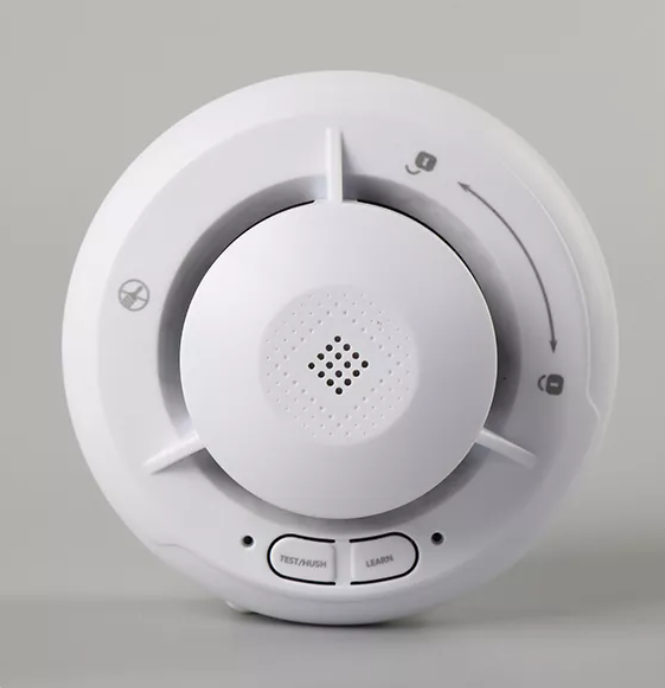
Credit: www.kingdunalarm.com
Frequently Asked Questions
Does A Kitchen Need A Separate Smoke Detector?
Yes, kitchens should have a dedicated smoke detector. It helps detect fires early and enhances home safety. However, it must be a photoelectric type or heat detector to reduce false alarms from cooking fumes.
What Type Of Smoke Detector Is Best For Kitchens?
Photoelectric smoke detectors or heat detectors are ideal for kitchens. They are less sensitive to cooking smoke and steam, minimizing false alarms while ensuring timely fire detection.
Can A Smoke Detector Prevent Kitchen Fires?
A smoke detector alerts you early about smoke or fire, allowing quick action. While it doesn’t prevent fires, early detection significantly reduces damage and increases safety.
Where Should Kitchen Smoke Detectors Be Installed?
Install smoke detectors at least 10 feet from cooking appliances. Avoid placing them directly above stoves to prevent false alarms from normal cooking smoke.
Conclusion
A smoke detector in the kitchen helps keep your home safe. It warns you early if smoke or fire starts. Kitchens can be risky places for fires. Having a detector nearby gives you time to act fast. It can protect your family and property from harm.
Installing one is simple and low cost. Choose a detector designed for kitchen use to reduce false alarms. Safety is always worth the small effort. Don’t wait until it’s too late. Keep your kitchen and home secure with a smoke detector today.