
Are you ready to upgrade your kitchen with a double sink and dishwasher but worried about the plumbing? You’re not alone.
Installing double kitchen sink plumbing with a dishwasher might sound tricky, but with the right steps, you can do it yourself and save money. Imagine how much easier your daily chores will become once everything flows smoothly and works perfectly together.
In this guide, you’ll find clear, simple instructions that anyone can follow—no plumber required. Keep reading, and soon you’ll have a fully functional, efficient kitchen setup that makes your life easier every day.
Tools And Materials Needed
Installing double kitchen sink plumbing with a dishwasher requires specific tools and materials. Having the right items ready makes the job easier and faster. It also helps avoid mistakes and leaks. This section lists everything needed for a smooth installation process.
Basic Plumbing Tools
- Adjustable wrench for tightening connections
- Pipe wrench for gripping pipes firmly
- Slip-joint pliers to hold or turn fittings
- Hacksaw to cut pipes to size
- Pipe cutter for clean, precise cuts
- Plumber’s tape (Teflon tape) to seal threaded joints
- Channel-lock pliers for versatile gripping
- Bucket to catch water during disassembly
Materials For Plumbing Installation
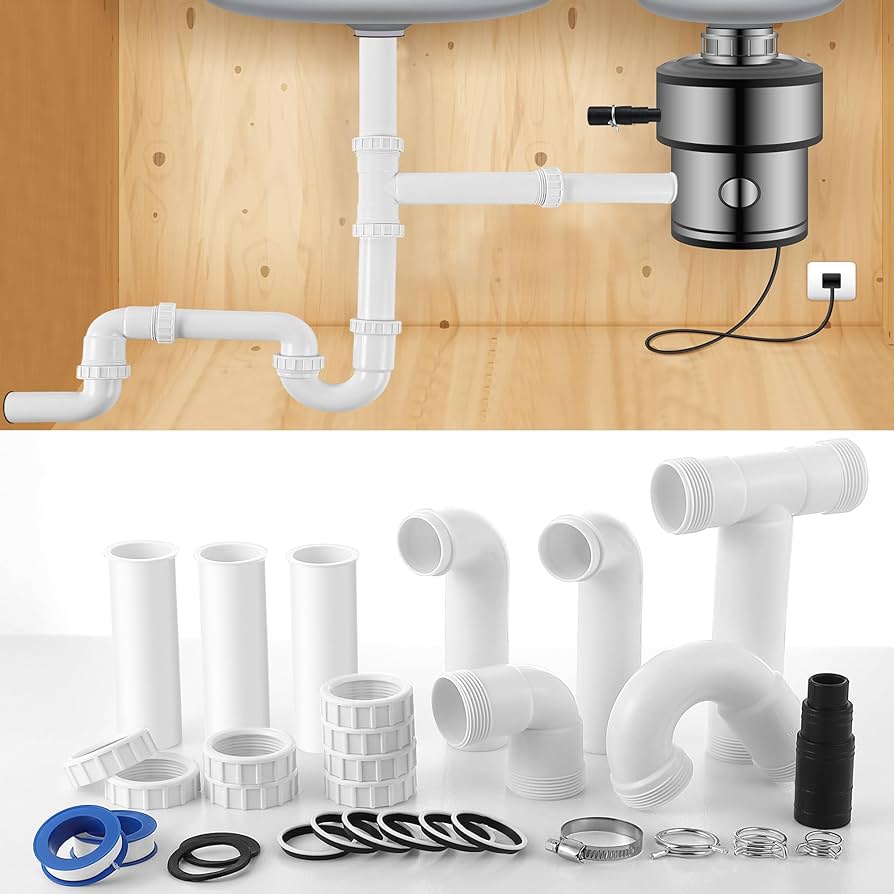
- Double kitchen sink with drain assemblies
- PVC or ABS drain pipes and fittings
- Dishwasher drain hose
- Dishwasher inlet water supply line
- Compression fittings and slip nuts
- Plumber’s putty or silicone sealant for sink leaks
- Trap assembly (P-trap) to prevent odors
- Hose clamps to secure dishwasher hose
Safety And Preparation Items
- Gloves to protect hands from sharp edges
- Safety goggles to shield eyes from debris
- Towels or rags to clean spills
- Flashlight for working under the sink
- Pipe thread sealant for extra leak protection
Credit: www.diychatroom.com
Preparing The Workspace
Preparing the workspace is the first key step in installing double kitchen sink plumbing with a dishwasher. A clean, organized area helps avoid problems and saves time. Clear the cabinet under the sink and remove any stored items. This gives you enough space to work and access plumbing connections easily.
Check the area for leaks or damage before starting. Fix any issues to prevent future problems. Turn off the water supply to avoid spills and flooding while working. Also, disconnect the dishwasher power and water connections to work safely.
Gather All Necessary Tools And Materials
Collect all tools and parts before you begin. Common tools include:
- Adjustable wrench
- Pipe cutter or hacksaw
- Plumber’s tape
- Bucket for catching water
- Slip-joint pliers
- Drain assembly and fittings
- Dishwasher drain hose
Having everything ready prevents delays and keeps the process smooth.
Clear And Clean The Work Area
Remove dirt and debris from the cabinet and sink area. Use a cloth and mild cleaner to wipe surfaces. A clean space helps you spot any problems early. It also ensures better sealing and fitting of pipes.
Protect Cabinets And Flooring
Place a waterproof mat or old towels on the floor inside and outside the cabinet. This protects against water spills and scratches. Use painter’s tape to cover cabinet edges if needed. Protecting surfaces keeps your kitchen safe during installation.
Shutting Off Water Supply
Before you dive into installing the plumbing for your double kitchen sink and dishwasher, shutting off the water supply is a crucial first move. It prevents unexpected flooding and protects your pipes while you work. Taking this step seriously saves you time and stress down the road.
Locate The Main Water Shut-off Valve
Start by finding your home's main water shut-off valve. It’s often near the water meter, in the basement, or where the main water line enters your house. If you live in an apartment, check near the kitchen or bathroom.
Knowing exactly where this valve is can save you from a surprise water spill. Have you ever searched frantically for it during an emergency? Finding it now means you’re ready.
Turn Off The Water Supply Properly
Once located, turn the valve clockwise to close it. Don’t force it if it feels stuck; gentle pressure is usually enough. Turning it fully off stops all water flow, ensuring a dry workspace.
After shutting off the main valve, open the kitchen faucet to release any remaining water in the pipes. This step lowers pressure and prevents drips while you disconnect plumbing.
Verify That The Water Is Fully Off
Double-check the water is completely off by turning on the sink taps. No water should come out. If you still see a drip, check the valve again or try shutting off a secondary valve under the sink if available.
Taking the time to confirm this avoids surprises when you start disconnecting pipes. It’s better to pause here than fix a leak later.
Credit: medium.com
Removing Existing Sink And Plumbing
Begin by turning off the water supply and disconnecting the existing sink and plumbing. Carefully remove old pipes and fittings to prepare for the new double sink installation with dishwasher plumbing.
Removing an existing sink and its plumbing might seem daunting, but with a clear plan and the right tools, it can become a manageable task. Before diving into the project, ensure you have a solid understanding of your kitchen’s plumbing layout. Armed with this knowledge, you'll be ready to tackle any challenges that might surface.
Gather Your Tools And Materials
Make sure you have all necessary tools on hand. You’ll need a wrench, pliers, bucket, and a utility knife. Having everything ready ensures a smooth and efficient process.
Turn Off The Water Supply
Locate the shut-off valves under your sink. Twist them clockwise to stop the water flow. This step prevents unwanted water spills.
Disconnect The Sink And Drain Lines
Using your wrench, loosen the nuts connecting the sink to the drain lines. Be prepared with a bucket to catch any residual water. Carefully remove the pipes and set them aside.
Remove The Sink
Cut through any sealant holding the sink in place with your utility knife. Gently lift the sink out of the countertop. Take care not to damage the surrounding area.
Inspect The Plumbing And Clean The Area
Take a moment to inspect the existing plumbing for any signs of wear. Cleaning the area thoroughly helps in setting the stage for your new setup. This step ensures that your new installation will have a solid foundation. Have you ever wondered why some projects seem to go off without a hitch while others falter? It often comes down to preparation and attention to detail. By following these steps, you set yourself up for a successful installation of your double kitchen sink with a dishwasher.
Installing The Double Kitchen Sink
Installing a double kitchen sink requires careful attention to positioning, securing, and sealing. This process ensures the sink fits well and prevents leaks. Follow simple steps for a smooth installation.
Positioning The Sink
Place the sink over the countertop cutout. Check the alignment with the cabinet edges. Make sure the sink is centered and balanced. Verify there is enough space for the faucet and dishwasher connections. Adjust the sink until it sits evenly on the countertop.
Securing The Sink In Place
Use mounting clips or brackets to hold the sink firmly. Attach them under the countertop along the sink edges. Tighten screws slowly to avoid damaging the sink or countertop. Ensure the sink does not move or shift. Check that the sink stays flush with the countertop surface.
Applying Sealant
Apply a bead of waterproof sealant around the sink’s edge. Use silicone sealant suitable for kitchen sinks. Smooth the sealant with a finger or tool for a clean finish. This step prevents water from leaking under the sink. Allow the sealant to dry fully before using the sink.
Connecting Drain Pipes
Connecting the drain pipes for a double kitchen sink with a dishwasher can feel tricky, but breaking it down makes the task manageable. This step ensures water flows smoothly from both basins and the dishwasher without leaks or clogs. Let’s look at how to fit the drain assembly, install the P-trap, and link the sink drains effectively.
Fitting The Drain Assembly
Start by securing the drain assemblies to each sink basin. Make sure the rubber gaskets sit snugly between the sink and the drain flange to prevent leaks.
Tighten the locknut under the sink by hand first, then finish with a wrench. Avoid over-tightening—it can crack the sink or damage the seal.
Don’t forget to check the dishwasher drain connection on the side of one of the drain assemblies. This is where your dishwasher’s drain hose will attach later.
Installing The P-trap
The P-trap is essential to stop sewer gases from entering your kitchen. Attach it directly to the drain tailpiece under the sink.
Make sure to align the trap arm with the wall drain pipe. Use slip nuts and washers to connect everything firmly but leave room for small adjustments.
Here’s a practical tip: before tightening, test fit the P-trap to ensure it doesn’t strain or misalign any pipes. It saves a lot of hassle later.
Linking Both Sink Drains
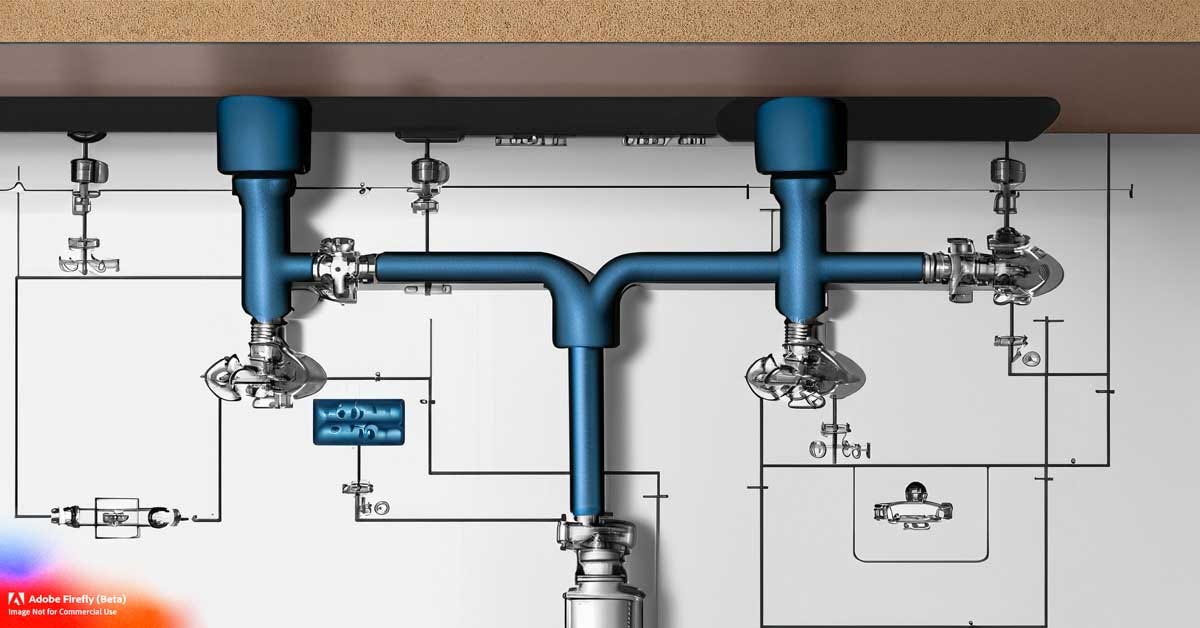
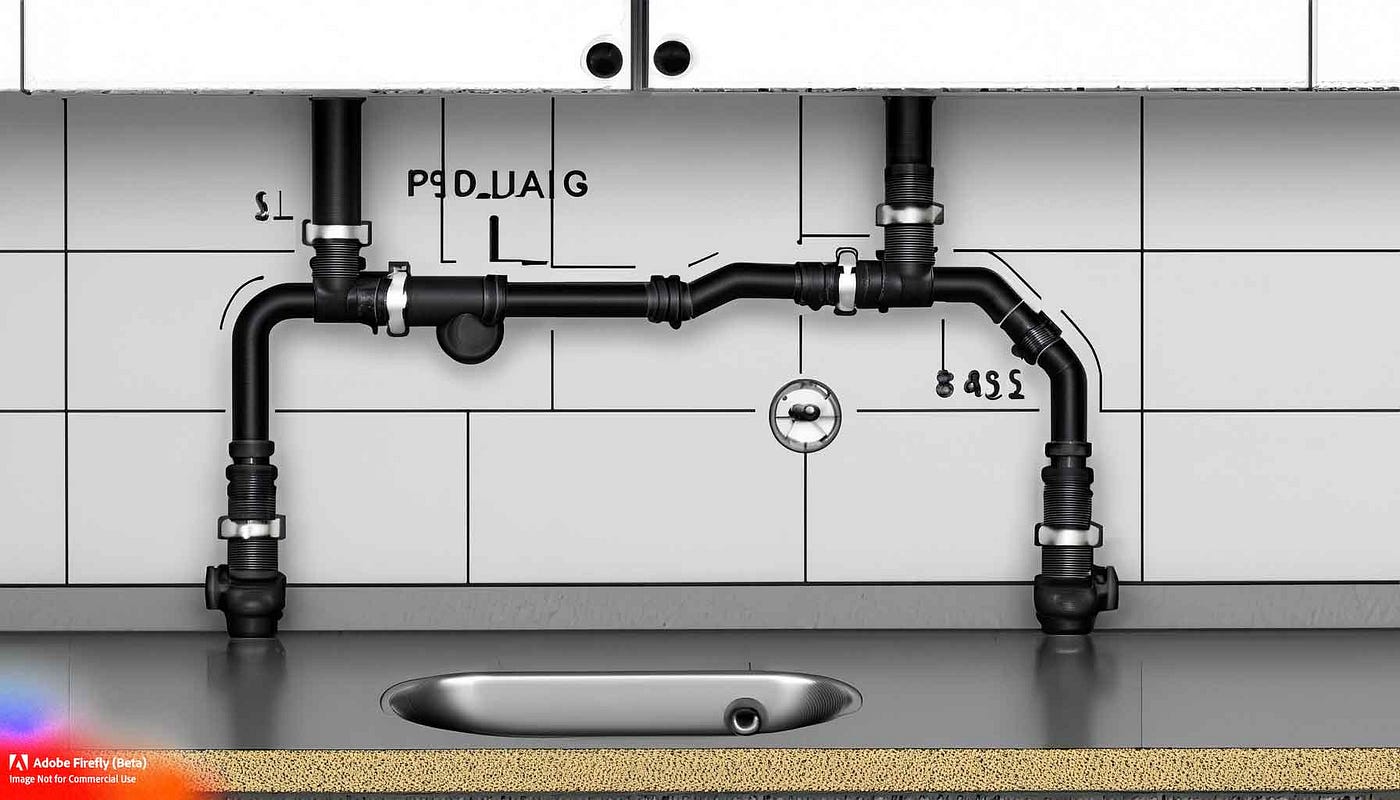
To connect the two sinks, use a T-shaped or Y-shaped fitting. This allows water from both basins to flow into the main drain line smoothly.
- Attach each sink’s drain tailpiece to the fitting.
- Ensure washers and slip nuts are in place for a watertight seal.
- Check the dishwasher drain hose connects to the fitting’s side inlet.
Have you noticed that sometimes water drains slower from one side? Properly linking the drains with the right fittings avoids this common issue.
Once everything is connected, run water through both sinks and the dishwasher drain to check for leaks or slow drainage. Adjust fittings as needed until the flow is clear and tight.
Hooking Up The Dishwasher Drain
Hooking up the dishwasher drain is a key part of installing double kitchen sink plumbing with a dishwasher. This connection ensures wastewater flows properly without causing leaks or odors. If you skip careful installation here, you might face clogging or water backing up into your dishwasher, which no one wants.
Attaching The Dishwasher Drain Hose
Start by locating the dishwasher drain hose, which usually comes out of the bottom of the appliance. Attach it firmly to the dishwasher tailpiece or the garbage disposal inlet under the sink. Use a hose clamp to tighten the connection securely—this prevents leaks during heavy water flow.
Make sure the hose is not kinked or bent sharply, as that can block water from draining smoothly. Also, avoid stretching the hose too tight; leave a little slack to allow movement when you open or close the dishwasher door.
Installing The Air Gap
If your local plumbing code requires it, or if you want to avoid potential backflow issues, install an air gap on the sink or countertop. This small device creates a physical break in the drain line, preventing dirty water from siphoning back into your dishwasher.
Mount the air gap in a drilled hole near your sink. Connect the dishwasher drain hose to the air gap’s inlet, then connect the outlet side to the garbage disposal or sink drain pipe. Secure all connections tightly and test for leaks by running the dishwasher through a cycle.
Securing Hose Connections
Every hose connection must be tight and leak-free. Use stainless steel hose clamps rather than plastic ones, as they provide better durability and grip. Check each joint visually and by hand to ensure no movement or gaps are present.
After securing, run water through the system to spot any leaks early. If you notice any drips, tighten the clamps or reposition the hoses. Properly secured hoses prevent water damage and keep your kitchen running smoothly.
Connecting Water Supply Lines
Connecting water supply lines is a key part of installing double kitchen sink plumbing with a dishwasher. It ensures water flows properly to both sinks and the dishwasher. Proper connections prevent leaks and maintain water pressure. Use quality materials and tools for secure attachments.
Attaching Hot And Cold Water Lines
Start by identifying the hot and cold water valves under the sink. Use flexible braided hoses for easier installation. Attach the hot water line to the hot valve and the cold water line to the cold valve. Tighten connections by hand first, then use a wrench for a snug fit. Avoid overtightening to prevent damage.
Connect the other ends of the hoses to the corresponding faucets. For the dishwasher, connect its water supply line to the cold water valve or a dedicated dishwasher valve. Check all fittings are secure before proceeding.
Ensuring Leak-free Connections
Wrap plumber’s tape around threaded connections before tightening. This helps create a watertight seal. After all connections are made, turn on the water supply slowly. Watch carefully for drips or moisture around joints. Tighten any loose fittings immediately.
Run water through both sinks and the dishwasher inlet to test pressure. Inspect connections again after a few minutes of use. Replace any worn washers or damaged hoses to stop leaks. A leak-free setup protects your kitchen from water damage.
Testing For Leaks And Functionality
Testing for leaks and functionality is a crucial part of installing your double kitchen sink plumbing with a dishwasher. Without thorough checks, small leaks can turn into costly water damage, and improper drainage can disrupt your daily routine. Taking the time to test each component ensures your system runs smoothly and saves you frustration down the line.
Running Water Through Sinks
Start by turning on both sink faucets fully. Let the water run for several minutes to check for any visible drips or moisture around the pipes underneath. Pay close attention to the areas where the pipes connect to the sink drains—you want to catch even the smallest leaks early.
Try running hot and cold water separately and together. This helps ensure your plumbing handles temperature changes without issue. Have a towel handy to quickly spot any dampness under the sink cabinets.
Checking Dishwasher Drainage
Next, run your dishwasher through a full cycle to observe how it drains. Watch carefully under the sink as the dishwasher empties its water through the drain hose. This test confirms that the dishwasher is connected properly and that waste water flows out without backing up.
If you notice water pooling or slow drainage, it might mean the hose is kinked or the connection is loose. Fixing these problems now avoids clogged drains or dishwasher malfunctions later. Have you ever ignored a small drip only to find a bigger mess? Catching it here saves headaches.
Inspecting All Connections
Finally, inspect every joint and fitting in the plumbing system. Use a flashlight to see tight spots clearly. Look for signs of moisture, corrosion, or loose fittings, and tighten any that seem suspect.
It’s helpful to place dry paper towels or tissue around the connections before testing water flow. Wet spots will show immediately, making it easier to pinpoint trouble areas. Don’t rush this step—your careful inspection can prevent leaks that are hard to detect later.
Credit: medium.com
Final Adjustments And Cleanup
Check all connections to ensure there are no leaks or loose fittings. Clean the work area and dispose of any debris or leftover materials. Test the sink and dishwasher to confirm everything works properly.
The final phase of installing double kitchen sink plumbing with a dishwasher is all about ensuring everything works seamlessly and leaving your workspace spotless. This is where you get to see the fruits of your labor, but it's also crucial to pay attention to details that might seem small but can make a big difference in functionality. You'll check for leaks, make necessary adjustments, and tidy up, so your kitchen is back in business and looking great.
Check For Leaks
Turn on the water supply and closely inspect all connections and joints. Use a flashlight to see better into darker areas under the sink. If you spot any drips, tighten the fittings gently.
Test The Drainage
Fill the sink with water and then release it to check how efficiently it drains. Ensure the water flows smoothly without any backflow. Listen for any unusual gurgling sounds which might indicate a blockage.
Adjust Dishwasher Connections
Run a short cycle on your dishwasher to ensure it's draining properly. Check the hose connections for any leaks or kinks. Adjust the hose if necessary for a smooth water flow.
Tidy Up The Work Area
Remove any tools, packaging, or leftover materials from the installation site. Wipe down the sink and surrounding areas to remove dust and debris. A clean workspace is not just aesthetically pleasing but also safer.
Ensure Safety
Double-check that all electrical connections for the dishwasher are secure. Make sure there are no exposed wires or loose connections. This step is crucial to prevent any electrical hazards.
Celebrate Your Success
Take a moment to appreciate your hard work and the new functionality of your kitchen. Share your success with friends or family who might be considering a similar upgrade. Your experience might just inspire them to take on their own DIY project. How did you find the entire process? Would you try another DIY plumbing task in the future? Your insights and lessons learned are valuable, not just for you but for others considering a similar project.
Frequently Asked Questions
How Do I Connect A Dishwasher To Double Sink Plumbing?
Connect the dishwasher drain hose to the sink drain or garbage disposal. Use a high loop or air gap to prevent backflow. Secure all connections tightly to avoid leaks.
What Tools Are Needed To Install Double Kitchen Sink Plumbing?
You need a wrench, plumber’s tape, pipe cutter, screwdriver, and plumber’s putty. These tools help in fitting pipes, sealing joints, and tightening connections efficiently.
Can I Install Double Sink Plumbing Without Professional Help?
Yes, if you have basic plumbing skills and tools. Follow the instructions carefully, check for leaks, and ensure proper drainage to avoid issues.
How To Prevent Leaks In Double Kitchen Sink Plumbing?
Use plumber’s tape on threaded connections and tighten all fittings securely. Inspect joints and hoses for damage before installation to ensure a leak-free system.
Conclusion
Installing double kitchen sink plumbing with a dishwasher can be simple. Follow each step carefully for best results. Use the right tools and materials to avoid leaks. Test all connections before finishing the job. This setup helps save time and keeps your kitchen organized.
Take your time and work safely. Soon, you will enjoy a fully functional sink and dishwasher. Plumbing can be a rewarding project with patience and care. Ready to improve your kitchen? Give it a try!