
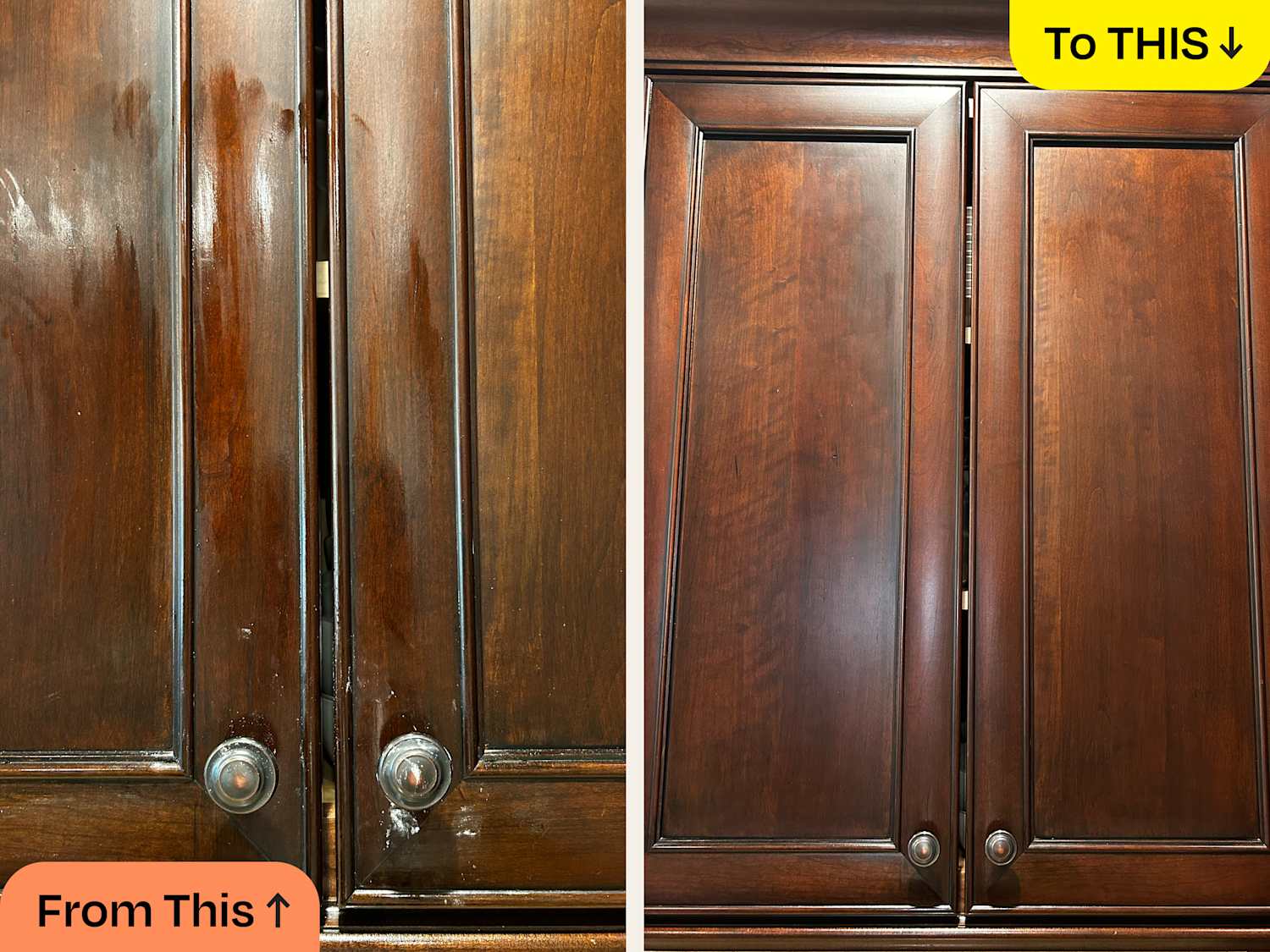
Are your kitchen cabinets looking dull, greasy, or just plain tired? You spend a lot of time cooking and preparing meals, so your cabinets take a beating every day.
Finding the best cleaner for kitchen cabinets can make a huge difference in keeping them fresh and looking new. But with so many options out there, how do you know which one really works without damaging the finish? You’ll discover simple, effective cleaning solutions that protect your cabinets and bring back their shine.
Keep reading to find out exactly what you need to make your kitchen cabinets sparkle like new.
Credit: www.cabinetdoors.com
Types Of Kitchen Cabinet Materials
Kitchen cabinets come in various materials, each needing different cleaning care. Knowing the type helps pick the best cleaner. Some materials are delicate, others tough. This guide covers common cabinet materials and their cleaning needs.
Wood Cabinets
Wood cabinets offer a classic, warm look. They need gentle cleaners to protect the finish. Avoid harsh chemicals and excess water. Use mild soap and a soft cloth for best results.
Laminate Cabinets
Laminate cabinets are made from plastic layers on particleboard. They resist stains and scratches well. Use a non-abrasive cleaner and soft sponge. Avoid rough scrubbing to prevent damage.
Thermofoil Cabinets
Thermofoil cabinets have a vinyl finish over MDF. They resist moisture but can peel if cleaned roughly. Use gentle soap and warm water. Avoid strong solvents and abrasive pads.
Metal Cabinets
Metal cabinets are sturdy and modern. They resist stains but show fingerprints easily. Use mild detergent and a microfiber cloth. Avoid steel wool or harsh cleaners that scratch the surface.
Common Kitchen Cabinet Stains
Kitchen cabinets face various stains every day. These stains affect their look and cleanliness. Knowing common stains helps choose the best cleaner. Each type needs a careful approach to avoid damage.
Grease And Oil
Grease and oil stains come from cooking splashes. They leave sticky, shiny marks on cabinet surfaces. These stains attract dust and dirt quickly. Regular cleaning prevents buildup and keeps cabinets fresh.
Water Spots
Water spots appear from splashes and spills. Hard water leaves mineral deposits on cabinets. These spots cause dull patches and rough texture. Wiping cabinets dry stops water spots from forming.
Food Residue
Food residue comes from spills and crumbs. Sugary or acidic foods leave stains and sticky spots. These residues can damage cabinet finish if not cleaned fast. Use a gentle cleaner to remove food stains safely.
Dust And Dirt
Dust and dirt settle on cabinets over time. They make surfaces look dull and worn. Dirt can scratch cabinet finish when rubbed hard. Regular dusting with a soft cloth keeps cabinets bright and smooth.
Top Cleaners For Kitchen Cabinets
Choosing the right cleaner for kitchen cabinets keeps them looking fresh and new. The perfect cleaner removes grease, dirt, and stains without damaging the surface. Different cleaners suit various cabinet materials and finishes. This section explores top options to make your cabinets shine.
Natural Cleaning Solutions
Natural cleaners are gentle and safe for most cabinet surfaces. They avoid harsh chemicals and reduce indoor pollution.
- White vinegar mixed with water cuts grease effectively.
- Lemon juice brightens wood and leaves a fresh scent.
- Baking soda creates a mild abrasive paste to remove tough spots.
- Olive oil combined with lemon juice nourishes wood finishes.
These solutions are easy to prepare and cost-effective. Test on a small area first to avoid damage.
Commercial Cleaning Products
Commercial cleaners offer strong formulas for heavy dirt and grease. Choose products labeled safe for kitchen cabinets.
- All-purpose cleaners with degreasing agents work well on laminate and painted surfaces.
- Wood-specific cleaners protect natural finishes and prevent drying.
- Foam cleaners reach crevices and detailed molding easily.
- Disinfecting sprays kill bacteria while cleaning.
Always follow product instructions and avoid abrasive scrubbers. Rinse thoroughly to prevent residue buildup.
Diy Cleaning Mixtures
DIY cleaners combine household ingredients for effective cabinet cleaning. These are customizable and eco-friendly.
- Mix dish soap and warm water to remove light dirt.
- Combine baking soda with water for a gentle scrubbing paste.
- Blend castile soap with water and essential oils for a fresh cleaner.
- Use rubbing alcohol diluted with water for sticky residue removal.
Make small batches to keep solutions fresh. Apply with soft cloths to protect cabinet surfaces.

Credit: www.amazon.ca
Choosing The Right Cleaner
Choosing the right cleaner for your kitchen cabinets is essential to keep them looking fresh and lasting longer. The wrong product can damage the finish or leave behind residues that attract dirt. Think about what your cabinets need, and how each cleaner fits those needs before making a choice.
Matching Cleaner To Cabinet Material
Different cabinet materials react differently to cleaners. Wood cabinets often need gentle, pH-balanced cleaners that protect the finish without stripping oils. Laminate or painted cabinets can handle stronger cleaners but watch out for harsh abrasives that might scratch the surface.
If you have glass-front cabinets, a streak-free glass cleaner works best, but avoid letting it drip onto wood edges. Ask yourself: is your cleaner safe for the specific surface, or could it cause fading or peeling over time?
Considering Safety And Environmental Impact
Many kitchen cleaners contain chemicals that can irritate your skin or harm indoor air quality. Choosing non-toxic, biodegradable options protects your health and the environment. Look for labels that mention “phosphate-free,” “non-VOC,” or “plant-based ingredients.”
How much do you value a cleaner that’s safe around kids and pets? Sometimes a simple mixture of vinegar and water can do the trick without any risk.
Ease Of Use And Application
A cleaner’s effectiveness depends on how easy it is to apply and rinse off. Spray bottles with adjustable nozzles let you control the amount, preventing waste or over-saturation. Foam cleaners often cling better to vertical surfaces, reducing drips and mess.
Think about your cleaning routine—do you prefer quick wipes, or deep cleans that require soaking? Picking a product that fits your habits makes maintenance less of a chore.
Step-by-step Cleaning Process
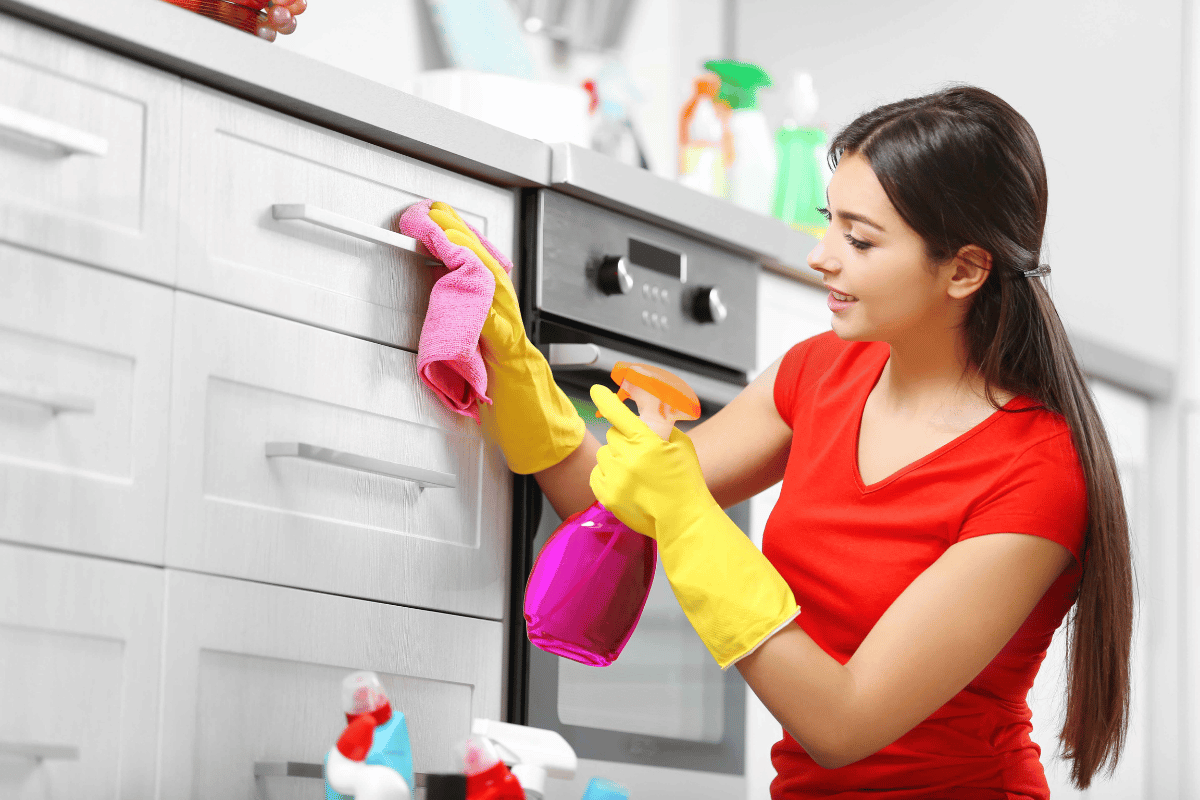
Cleaning your kitchen cabinets properly can transform the look and feel of your entire kitchen. A good cleaning routine not only removes dirt and grease but also protects the finish, making your cabinets last longer. Here’s a clear, easy-to-follow process to get your cabinets spotless and shining.
Preparing The Cabinets
Start by removing everything from your cabinets. Clearing the space helps you reach every corner and prevents items from getting wet or dirty.
Next, dust off the surfaces using a microfiber cloth or a soft brush. This step removes loose dirt and crumbs that might scratch the surface during cleaning.
Don’t forget to check for any sticky spots or stains that might need extra attention. Are you noticing buildup that you’ve ignored for a while? Target those areas carefully.
Applying The Cleaner
Choose a cleaner suitable for your cabinet material—wood, laminate, or painted surfaces often need different products. If you’re unsure, test the cleaner on a small hidden area first.
Spray or apply the cleaner gently, focusing on one section at a time. Avoid soaking the wood to prevent damage.
Let the cleaner sit for a minute or two to break down grease and grime. This pause can make the wiping process much easier and more effective.
Wiping And Drying
Use a soft cloth or sponge to wipe down the cabinets in smooth, even strokes. Pay attention to edges and corners where dirt tends to accumulate.
Rinse the cloth frequently if you’re using water-based cleaners to avoid spreading dirt around. Then, dry the surfaces immediately with a clean, dry towel to prevent water damage.
Have you noticed a difference in how the cabinets look just after this step? Often, a thorough wipe reveals a surprising amount of dirt that was previously invisible.
Polishing For Extra Shine
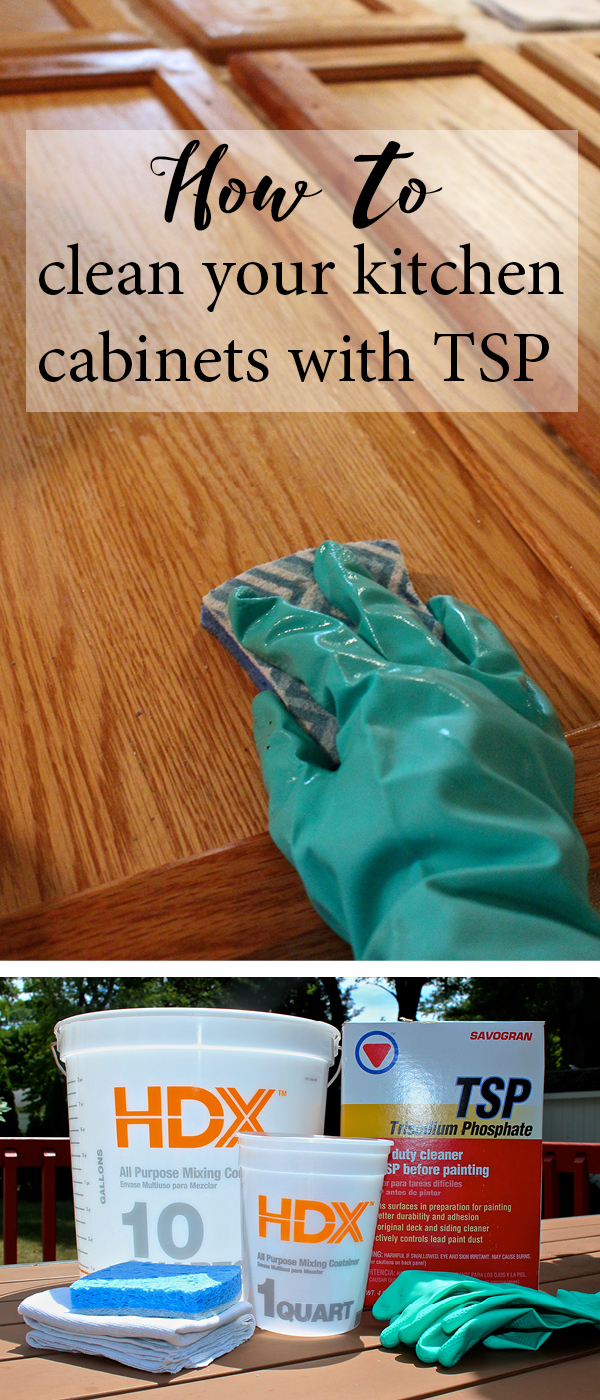
For wooden cabinets, applying a polish or conditioner can restore natural oils and enhance shine. Use a small amount and buff gently with a soft cloth.
Polishing isn’t just about looks—it adds a protective layer that helps keep your cabinets cleaner longer. Even laminate or painted cabinets benefit from specialized finishing sprays designed to repel dust and fingerprints.
Try this final touch and see how much more vibrant your kitchen feels. What difference does a little polish make in your space?
Credit: weekendcraft.com
Tips For Maintaining Cabinet Shine
Choose a gentle cleaner made for wood or laminate to keep cabinets shiny. Avoid harsh chemicals that can damage the finish. Regular wiping with a soft cloth helps maintain their smooth look.
Maintaining the shine of your kitchen cabinets enhances the overall look of your kitchen. Proper care keeps them looking new and extends their life. Here are some effective tips to keep your cabinets shining beautifully.
Regular Cleaning Schedule
Set a routine to clean your cabinets weekly. Regular dusting prevents buildup. Use a soft cloth to wipe away dirt and grime. A gentle cleaner mixed with warm water works best. Rinse the cloth in clean water, then wipe again. Ensure cabinets are dry after cleaning.
Avoiding Harsh Chemicals
Harsh chemicals can damage cabinet surfaces. Choose mild, non-abrasive cleaners. Read labels to avoid bleach or ammonia. Natural cleaners like vinegar and water are safer. Always test cleaners on a small area first.
Protecting Cabinets From Damage
Protect your cabinets from moisture and heat. Install liners in cabinets to guard against spills. Keep appliances that emit heat away from cabinet surfaces. Use coasters to prevent water rings from forming.
Common Mistakes To Avoid
Cleaning kitchen cabinets requires care and attention. Mistakes can damage the finish or reduce the cabinet's life. Avoiding common errors helps keep cabinets looking fresh and new. Below are key mistakes to watch out for during cleaning.
Using Abrasive Materials
Abrasive scrubbers or harsh brushes can scratch cabinet surfaces. Scratches make cabinets look old and worn out. Use soft cloths or sponges instead. Gentle cleaning tools protect the cabinet’s finish and maintain its shine.
Over-wetting Cabinets
Too much water can harm wood cabinets or loosen adhesives. Damp cloths are better than soaking wet ones. Wipe excess moisture quickly to prevent swelling or warping. Proper drying keeps cabinets in good condition for longer.
Ignoring Manufacturer Recommendations
Manufacturers provide specific care instructions for each cabinet type. Ignoring them may void warranties or cause damage. Always check labels or manuals before choosing a cleaner. Following guidelines ensures safe and effective cleaning results.
Frequently Asked Questions
What Is The Best Cleaner For Wooden Kitchen Cabinets?
The best cleaner for wooden kitchen cabinets is a mild, non-abrasive solution. Use warm water mixed with gentle dish soap. Avoid harsh chemicals that can damage the wood finish. Always test on a small area first to ensure no discoloration occurs.
Can I Use Vinegar To Clean Kitchen Cabinets?
Yes, diluted vinegar can clean kitchen cabinets effectively. Mix equal parts vinegar and water for a natural cleaner. It removes grease and grime without harsh chemicals. Avoid using vinegar on unsealed wood, as it can damage the surface over time.
How Often Should I Clean My Kitchen Cabinets?
Clean kitchen cabinets at least once a month to prevent buildup. Wipe down with a gentle cleaner and a soft cloth. For greasy areas near the stove, clean weekly. Regular maintenance keeps cabinets looking fresh and extends their lifespan.
Are Commercial Kitchen Cabinet Cleaners Safe?
Most commercial kitchen cabinet cleaners are safe when used as directed. Choose products labeled non-toxic and suitable for your cabinet material. Avoid abrasive cleaners that can scratch or dull finishes. Always read instructions and test on a hidden spot first.
Conclusion
Choosing the right cleaner keeps kitchen cabinets fresh and bright. Gentle, effective products protect wood and paint from damage. Regular cleaning stops dirt buildup and stains. Natural cleaners work well and are safe for families. Avoid harsh chemicals that can ruin cabinet finishes.
Test any cleaner on a small spot first. Clean cabinets often to maintain their look and feel. Simple care makes your kitchen a pleasant space. Trust the best cleaner for lasting cabinet beauty and health.