
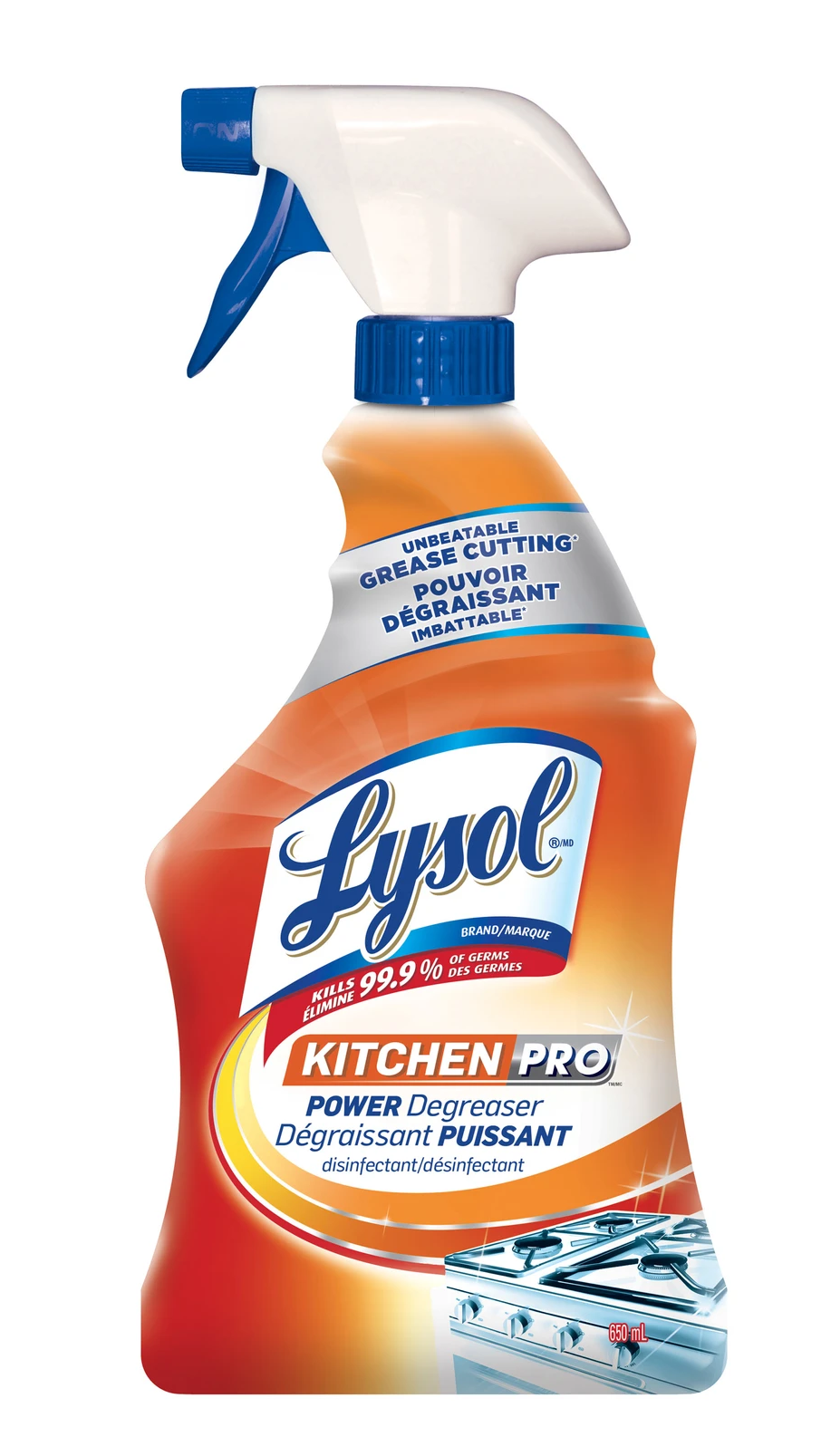
Are you wondering if Lysol Bathroom Cleaner can be safely used in your kitchen? You want your kitchen to be spotless and germ-free, but using the wrong cleaner might cause more harm than good.
Cleaning products made for bathrooms often have strong ingredients, so it’s smart to know if they’re suitable for kitchen surfaces where you prepare food. You’ll discover the facts about Lysol Bathroom Cleaner and whether it’s a good choice for your kitchen cleaning routine.
Keep reading to learn how to keep your kitchen both clean and safe.
Lysol Bathroom Cleaner Ingredients
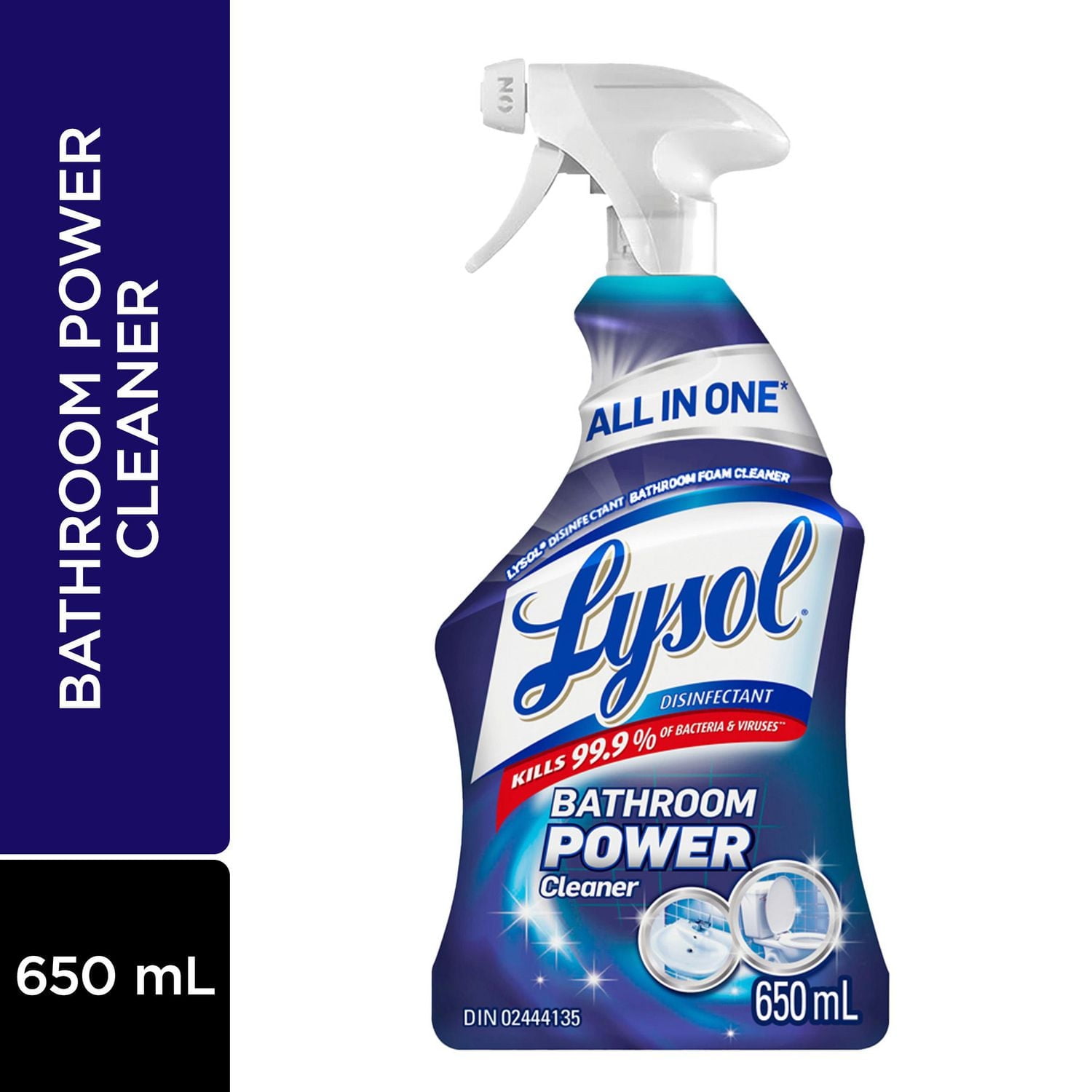
Lysol Bathroom Cleaner contains strong ingredients made to kill germs and remove tough stains. These ingredients help clean soap scum, mold, and mildew in bathrooms. Knowing what is inside the cleaner is key to deciding if you can use it in the kitchen.
The formula includes chemicals that fight bacteria and viruses. Some ingredients are powerful disinfectants. Others help break down dirt and grime on surfaces.
Lysol Bathroom Cleaner Active Ingredients
- Hydrogen Peroxide: Kills germs and breaks down stains
- Surfactants: Help lift dirt and grease from surfaces
- Fragrance: Leaves a fresh scent after cleaning
- pH Adjusters: Keep the cleaner stable and effective
Potential Concerns For Kitchen Use
- Contains strong chemicals that may leave residues
- Not always safe for food contact surfaces
- May cause irritation if used near food preparation areas
- Requires thorough rinsing if used on kitchen surfaces
Why Ingredients Matter For Kitchen Safety
Kitchen surfaces often touch food directly. Harsh chemicals must be safe and fully rinsed off. Some bathroom cleaner ingredients may not be suitable for food areas. Choosing the right product protects health and prevents contamination.
Credit: www.walmart.ca
Safety Concerns In The Kitchen
Ensuring safety in the kitchen is crucial. Kitchens handle food, making cleanliness important. Cleaning products like Lysol Bathroom Cleaner might seem versatile. But, using them in the kitchen raises safety concerns. Understanding these concerns helps make informed choices.
Chemical Composition Of Lysol Bathroom Cleaner
Lysol Bathroom Cleaner contains strong chemicals. These are designed to tackle tough bathroom grime. They might not be safe for kitchen surfaces. The product's label provides information on its intended use.
Potential Health Risks
Using bathroom cleaner in the kitchen can pose health risks. Residues might remain on surfaces. These can contaminate food during preparation. Ingesting such chemicals is harmful.
Surface Compatibility
Not all cleaners suit every surface. Kitchen counters, often made of sensitive materials, can be damaged. Lysol Bathroom Cleaner might cause discoloration or wear. Always check compatibility before use.
Recommended Cleaning Practices
Opt for cleaners specifically made for kitchens. These are designed with food safety in mind. They effectively clean without leaving harmful residues. Regular cleaning with appropriate products ensures a safe kitchen environment.
Alternatives To Lysol Bathroom Cleaner
Consider natural cleaning alternatives like vinegar or baking soda. These are effective and safe for food-contact surfaces. They clean without harsh chemicals, ensuring a safer kitchen.
Effectiveness On Kitchen Surfaces
Cleaning kitchen surfaces requires products that remove grease, grime, and bacteria effectively. Lysol Bathroom Cleaner is designed for bathroom dirt, but many wonder about its strength on kitchen messes. Understanding its effectiveness on kitchen surfaces helps decide if it fits your cleaning routine.
Cleaning Ability On Different Kitchen Surfaces
Lysol Bathroom Cleaner works well on hard, non-porous surfaces. It removes dirt and kills germs on countertops, sinks, and tiled backsplashes. The formula breaks down soap scum and light grease. However, it may not be ideal for natural stone or wood surfaces.
Safety For Food Preparation Areas
This cleaner contains strong chemicals. It kills bacteria and viruses but requires careful rinsing after use. Always wipe surfaces with water after cleaning. Avoid direct contact with food or utensils until the surface dries completely.
Comparison With Kitchen-specific Cleaners
| Feature | Lysol Bathroom Cleaner | Kitchen-Specific Cleaner |
|---|---|---|
| Grease Removal | Moderate | Strong |
| Safe on Food Surfaces | Requires rinsing | Usually safe |
| Surface Compatibility | Non-porous only | Varies by product |
Practical Tips For Using Lysol Bathroom Cleaner In Kitchens
- Test on a small area first.
- Rinse thoroughly after cleaning.
- Avoid use on wood or stone countertops.
- Keep away from food items during application.
Credit: www.lysol.com
Comparing Bathroom And Kitchen Cleaners
Bathroom and kitchen cleaners are designed with different purposes in mind, which affects their ingredients and effectiveness. Understanding these differences helps you decide if a product like Lysol Bathroom Cleaner can safely and effectively be used in your kitchen. Let’s break down what sets bathroom and kitchen cleaners apart and what that means for your cleaning routine.
Ingredients And Their Intended Use
Bathroom cleaners often contain stronger disinfectants and chemicals to tackle soap scum, mold, and mildew common in damp areas. These ingredients might be harsher compared to kitchen cleaners, which focus more on degreasing and removing food residues.
Kitchen cleaners usually avoid harsh acids or bleach levels that could leave harmful residues on surfaces where you prepare food. This difference means some bathroom cleaners may not be food-safe or could damage certain kitchen surfaces.
Surface Compatibility
Bathrooms have tiles, porcelain, and metal fixtures, which handle heavy-duty cleaners well. Kitchens, however, feature a wider range of materials like wood, granite, and stainless steel that might react poorly to strong bathroom cleaners.
Using a bathroom cleaner on a delicate kitchen countertop could cause discoloration or dullness. Ask yourself: will the cleaner protect your kitchen surfaces while still doing the job?
Effectiveness Against Common Kitchen Messes
Kitchen messes often include grease, oil, and food stains, which require degreasers and milder disinfectants. Bathroom cleaners excel at killing bacteria and mold but may not be as efficient against greasy residues.
Try using the cleaner on a small kitchen area first. Does it remove food grime without leaving residue? This test helps avoid wasting product or risking damage.
Safety And Health Considerations
Since you prepare food in the kitchen, cleaner safety matters more here than in the bathroom. Chemicals from bathroom cleaners can linger and cause health concerns if not rinsed properly.
Look for products labeled as safe for food-contact surfaces. If you’re unsure, follow up with thorough rinsing to keep your kitchen safe for cooking and eating.
Expert Recommendations
Experts give clear advice about using Lysol Bathroom Cleaner in the kitchen. The key is knowing its ingredients and purpose. Lysol Bathroom Cleaner is designed for bathroom grime and germs, which differ from kitchen messes.
Using a bathroom cleaner in the kitchen can cause safety concerns. Experts warn about chemical residues that might not be safe near food. It is crucial to use cleaners made for kitchen surfaces.
Cleaning professionals recommend reading product labels carefully. Look for directions and warnings about surface types. This helps avoid damage to kitchen counters and appliances.
Experts also highlight the importance of rinsing surfaces well after cleaning. This ensures no harmful chemicals remain where food is prepared.
Safety Precautions For Using Bathroom Cleaner In Kitchen
- Check ingredients for harmful chemicals
- Avoid using on food contact surfaces
- Wear gloves to protect your skin
- Ventilate the area well during cleaning
- Rinse surfaces thoroughly after use
Recommended Cleaners For Kitchen Use
- Multi-surface kitchen sprays
- Food-safe disinfectants
- Natural cleaners like vinegar and baking soda
- Products labeled for kitchen and food areas
Expert Tips To Maintain A Clean Kitchen
- Clean spills immediately to prevent bacteria
- Use different cloths for kitchen and bathroom
- Disinfect high-touch areas regularly
- Store cleaners away from food items
- Follow manufacturer instructions strictly
Credit: www.lysol.com
Alternatives For Kitchen Cleaning
Choosing the right cleaner for your kitchen is crucial for maintaining a safe and hygienic space. While Lysol Bathroom Cleaner is great for bathrooms, it’s not always the best choice for kitchen surfaces where food is prepared. Fortunately, there are plenty of effective alternatives designed specifically for kitchen cleaning that keep your space spotless without compromising safety.
Natural Ingredients For Safe Cleaning
Many people prefer natural cleaning products in the kitchen to avoid harsh chemicals. Ingredients like vinegar, baking soda, and lemon juice offer powerful cleaning and deodorizing effects. You can mix these with water to create homemade sprays that tackle grease and stains effectively.
For instance, I once struggled with stubborn countertop stains until I tried a paste of baking soda and water. It lifted the stains without any strong chemical smell, leaving my kitchen fresh and safe for meal prep. Have you ever considered switching to natural cleaners to protect your family’s health?
Commercial Kitchen-specific Cleaners
There are plenty of commercial products made specifically for kitchens, such as all-purpose kitchen sprays and degreasers. These products are formulated to remove food residues, grease, and bacteria safely from countertops, appliances, and sinks.
Look for labels that mention food-safe ingredients or FDA approval for kitchen use. Using the right cleaner can save you time and prevent damage to your surfaces. Do you know which ingredients to avoid when picking a kitchen cleaner?
Using Disinfecting Wipes And Sprays Safely
Disinfecting wipes and sprays can be convenient, but it’s important to choose ones labeled for kitchen use. Some disinfectants contain chemicals that shouldn’t touch food preparation areas.
Always check if the product requires rinsing after use. I learned this the hard way when a disinfectant left a residue that affected the taste of my food. How often do you read the instructions before using cleaning products in your kitchen?
Tools That Make Cleaning Easier
Sometimes, the right tools can enhance your cleaning routine. Microfiber cloths, scrub brushes, and sponges designed for kitchen use help remove grime without scratching surfaces.
Pairing these tools with your preferred cleaner can speed up the process and give better results. What tools have you found indispensable in keeping your kitchen clean?
Frequently Asked Questions
Can Lysol Bathroom Cleaner Be Safely Used In Kitchens?
Lysol Bathroom Cleaner is formulated for bathroom surfaces and may contain harsh chemicals. It’s best to avoid using it on kitchen surfaces that contact food.
Is Lysol Bathroom Cleaner Effective For Kitchen Grease?
Lysol Bathroom Cleaner is designed for soap scum and bathroom grime. For kitchen grease, a degreaser or kitchen-specific cleaner works better.
Does Lysol Bathroom Cleaner Kill Kitchen Bacteria?
Yes, it kills many bacteria and viruses but is optimized for bathrooms. Use kitchen-safe disinfectants to ensure food safety.
Can Lysol Bathroom Cleaner Damage Kitchen Countertops?
Some kitchen surfaces, especially natural stone or sealed wood, can be damaged by bathroom cleaners. Always check product labels and test a small area first.
Conclusion
Lysol Bathroom Cleaner can clean kitchen surfaces but with care. Avoid using it on areas where food touches directly. Always read the label to check safety instructions. Choose the right cleaner for each room to keep your home safe. Clean regularly to stop germs from spreading.
Simple steps make your kitchen fresh and healthy. Stay safe and clean with smart choices.