
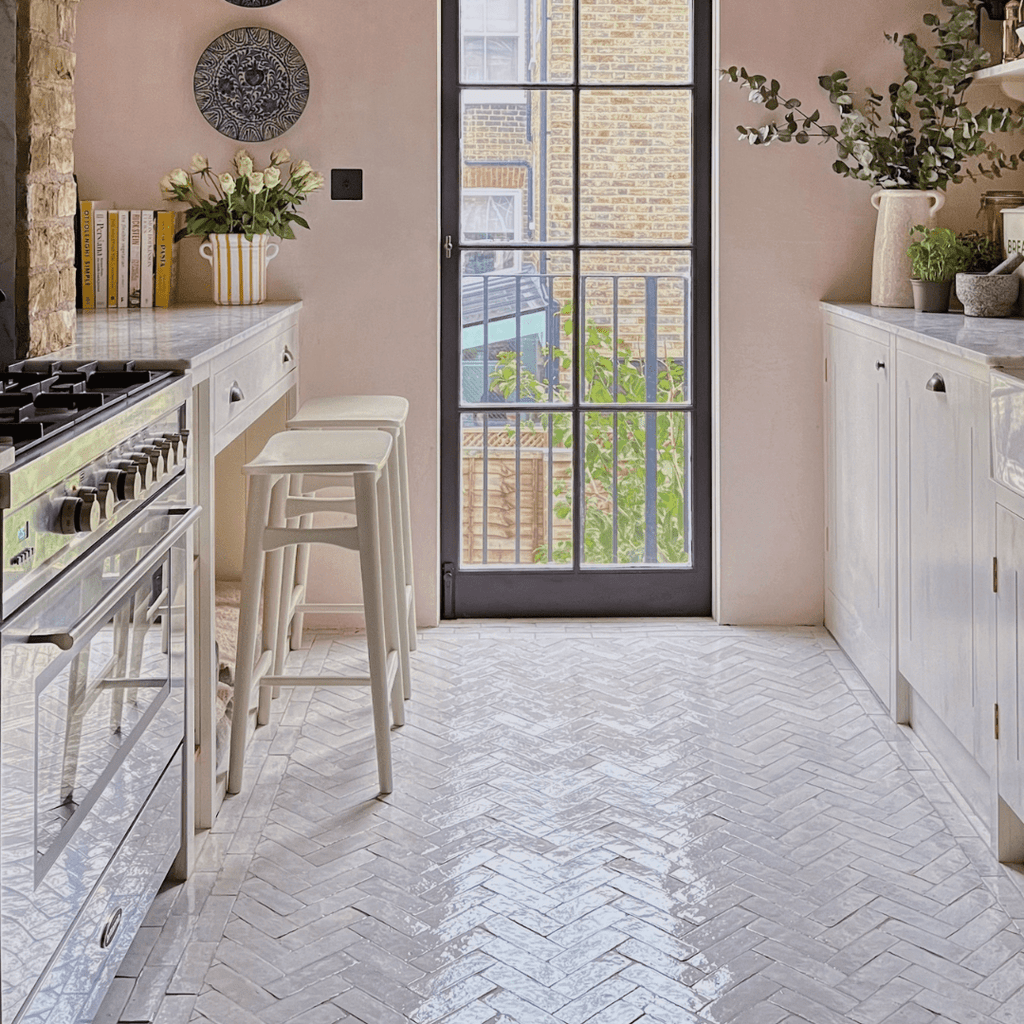
Are you tired of staring at those old kitchen floor tiles but don’t want the hassle of ripping them out? You’re not alone.
Many people wonder, “What can I cover kitchen floor tiles with? ” The good news is, you have plenty of easy and affordable options to transform your kitchen floor without a full renovation. Whether you want something stylish, durable, or quick to install, this guide will help you find the perfect solution for your space.
Keep reading to discover how you can give your kitchen floor a fresh new look that fits your style and budget.
Popular Tile Coverings
Covering your kitchen floor tiles can refresh the entire look of the space without the hassle of ripping out old tiles. Popular tile coverings offer a range of affordable and easy-to-install options that can suit various styles and budgets. Whether you want something durable, stylish, or quick to apply, there’s a solution that fits your needs.
Vinyl Flooring Options
Vinyl flooring is a favorite choice for many homeowners. It’s water-resistant, making it perfect for kitchen spills and humidity. Plus, vinyl comes in a variety of designs—from wood-like planks to stone patterns—so you can easily match your kitchen’s style.
One of the best parts about vinyl is how simple it is to install over existing tiles. You can choose between sheet vinyl, which offers a seamless look, or vinyl planks and tiles that snap together. Have you considered how much time you could save by skipping tile removal?
Laminate Over Tiles
Laminate flooring can also be laid directly over your kitchen tiles, providing a fresh, polished look. It’s harder and more resistant to scratches than vinyl, which is ideal if your kitchen sees a lot of foot traffic. Plus, laminate flooring comes in many colors and textures, including realistic wood finishes.
Installation is straightforward with a click-lock system that doesn’t require glue or nails. A personal tip: make sure the tile surface is clean and level before laying laminate to avoid bumps. Would you be surprised how much a new floor can transform your cooking space?
Peel And Stick Tiles
Peel and stick tiles offer a quick and budget-friendly way to cover kitchen floor tiles. They are self-adhesive, so you just peel off the backing and press them down. This makes them ideal for renters or anyone who wants a temporary update.
These tiles come in many patterns, including mosaic, marble, and geometric designs. Keep in mind they work best on smooth, clean surfaces. Have you ever tried peel and stick tiles as a project? They’re a great way to test out new styles without a big commitment.
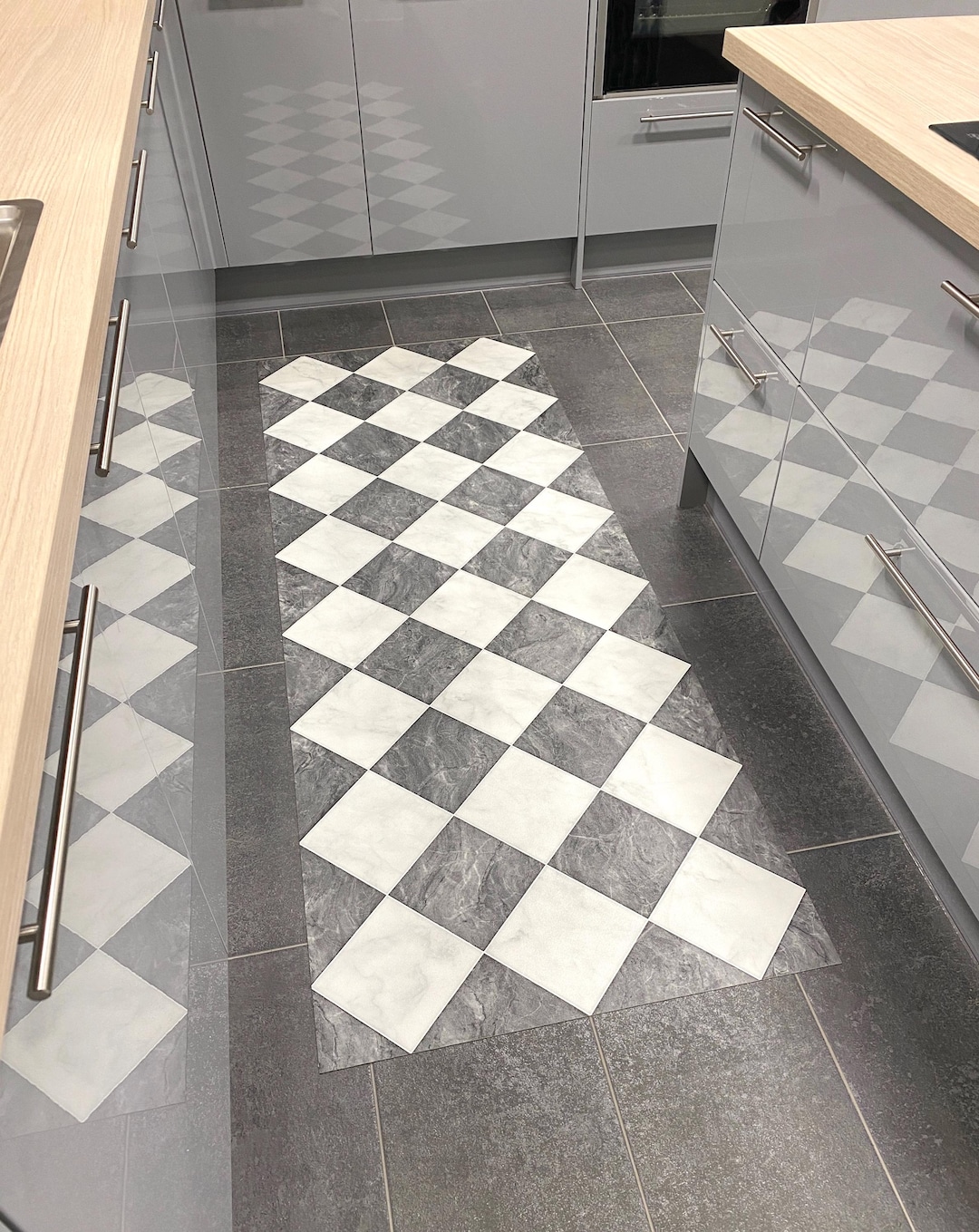
Credit: www.etsy.com
Wood Alternatives
If you're thinking about covering your kitchen floor tiles with wood alternatives, you're making a smart choice. Wood alternatives can bring warmth and style to your kitchen without the hassle of removing existing tiles. Plus, many options offer durability and water resistance, which are essential in a kitchen setting.
Engineered Wood Flooring
Engineered wood flooring is a great option if you want the look of real wood but need something more stable over tile. It consists of a thin layer of hardwood on top of plywood, making it less prone to warping from moisture or temperature changes.
You can install it as a floating floor, which means no glue or nails are needed. This makes the installation faster and less messy. If you want a natural wood feel without worrying about kitchen spills damaging the floor, engineered wood is worth considering.
Bamboo Flooring
Bamboo flooring stands out for its eco-friendliness and unique appearance. It’s harder than many traditional hardwoods, which means it can handle the wear and tear of a busy kitchen.
Its natural resistance to moisture also makes it suitable for covering tiles. Plus, bamboo floors come in different shades, so you can easily find one that matches your kitchen’s style and color palette.
Cork Flooring Benefits
Cork flooring might surprise you as a wood alternative, but it offers some impressive benefits. It’s soft underfoot, making it comfortable if you spend long hours cooking or cleaning in your kitchen.
Cork is also naturally resistant to mold and mildew, which helps in a space prone to spills and humidity. If you want a floor that’s warm, cushioned, and easy to maintain, cork is a practical choice to cover your kitchen tiles.
Carpet And Rugs
Kitchen floor tiles can be covered with rugs or carpets to add warmth and style. Choose washable, non-slip options for safety and easy cleaning. Rugs soften the space and protect tiles from wear and tear.
Carpet and rugs offer a warm, inviting feel to kitchens. They can transform cold, hard tiles into cozy, comfortable spaces. Adding a carpet or rug is an easy way to enhance your kitchen's aesthetic. It also adds a layer of safety by reducing the risk of slipping.
Area Rugs For Kitchens
Area rugs are versatile and easy to use. They come in various styles, colors, and sizes. This allows you to match your kitchen décor effortlessly. They are also easy to clean and maintain. Place an area rug in front of the sink for added comfort while washing dishes. It can also protect the floor from spills and stains.
Carpet Tiles Pros And Cons
Carpet tiles offer flexibility and are easy to install. They are available in many designs and colors. You can create unique patterns by mixing different tiles. If one tile gets damaged, replace it without removing the whole carpet. However, carpet tiles may not be as durable as other options. They might wear out faster in high-traffic areas. Regular maintenance is essential to keep them looking fresh.

Credit: www.bertandmay.com
Epoxy And Paint Solutions
Epoxy and paint solutions offer a versatile way to cover kitchen floor tiles without the hassle of removing them. These options are not only budget-friendly but also allow you to customize your kitchen’s look with colors and finishes that suit your style. If you want a durable surface that stands up to spills and foot traffic, these coatings might be exactly what you need.
Epoxy Floor Coatings
Epoxy is a strong resin that forms a hard, shiny surface over your existing tiles. It bonds tightly to the floor, making it resistant to stains, water, and scratches. Many homeowners choose epoxy because it can transform dull tiles into a sleek, modern floor with just a few coats.
Applying epoxy requires careful preparation. You need to clean the tiles thoroughly and roughen the surface to help the epoxy stick better. Some brands even offer kits with clear or colored epoxy, so you can create patterns or a solid color finish depending on your taste.
Have you considered how much longer your kitchen floor could last with epoxy? It’s a smart choice if you want both protection and style without a full renovation.
Floor Paint Techniques
Floor paint is another practical way to cover kitchen tiles. Unlike epoxy, paint is easier to apply and comes in many colors and finishes, including matte, satin, and gloss. It’s ideal if you’re looking for a quick refresh or want to add a pop of color.
To get a smooth, lasting finish, start by cleaning and sanding the tiles. Use a primer designed for tile surfaces to prevent peeling. Then, apply multiple thin coats of floor paint, allowing each layer to dry completely before adding the next.
Consider using stencils or painter’s tape to create patterns like checkerboards or stripes. This can give your kitchen a unique look without spending much. What design would make your kitchen floor stand out?
Practical Considerations
Choosing the right material to cover your kitchen floor tiles involves more than just looks. You need to think about how the covering will stand up to daily use and how easy it will be to keep clean. These practical considerations will help you find a solution that fits your lifestyle and budget.
Durability And Maintenance
Kitchen floors take a beating from dropped utensils, heavy foot traffic, and spills. You want a covering that won’t scratch or wear out quickly. Vinyl sheets or planks are popular because they resist scratches and stains well, making them easy to maintain.
Think about how often you’re willing to clean or repair the floor. Some coverings like peel-and-stick tiles might look good at first but can peel up over time. Would you prefer something that lasts years with minimal effort, or are you okay with more frequent touch-ups?
Moisture Resistance
Kitchens are prone to spills and humidity, so moisture resistance is critical. Materials like waterproof vinyl or epoxy coatings prevent water damage and mold growth better than wood or carpet.
Ask yourself how often your floor might get wet. If you have kids or pets, a waterproof surface can save you from constant worry. Do you want a floor that dries quickly and stays safe, or are you willing to risk warping or mildew?
Cost And Installation
Budget plays a huge role in what you can cover your kitchen tiles with. Laminate and vinyl options tend to be affordable and often come with DIY-friendly installation.
Professional installation can add to the cost but might be worth it for durability and a perfect finish. Are you comfortable installing the material yourself, or would you rather hire help? Knowing this upfront helps avoid surprises later.

Credit: www.tilemountain.co.uk
Design Tips
Design plays a big role in choosing how to cover kitchen floor tiles. The right design can bring harmony to your kitchen space. It also improves the look and feel of the room. Here are some simple tips to help you choose the best design for covering your kitchen floor tiles.
Color Coordination
Choose colors that match your kitchen walls and cabinets. Light colors make the room feel bigger and brighter. Dark colors hide dirt well and add warmth. Use neutral tones for a timeless look. Bright colors add energy but work best in small doses. Balance colors between floor covering and kitchen decor to keep a smooth flow.
Texture And Pattern Ideas
Mix textures to add depth and interest. Smooth surfaces look clean and modern. Rough textures give a natural, cozy feel. Patterns like stripes or checks create movement and style. Geometric shapes add a modern touch. Avoid very busy patterns that may overwhelm the space. Choose simple designs for a calm, balanced kitchen.
Enhancing Kitchen Style
Match floor coverings to the kitchen’s overall style. Use wood-like vinyl or laminate for a rustic or farmhouse vibe. Glossy finishes suit modern kitchens. Matte finishes work well in classic or traditional spaces. Layer rugs or mats to add warmth and comfort. Small floor accents can highlight your kitchen’s personality.
Frequently Asked Questions
What Materials Can Cover Kitchen Floor Tiles?
You can cover kitchen floor tiles with vinyl, laminate, peel-and-stick tiles, or rugs. These options are affordable and easy to install. They provide a fresh look without removing existing tiles. Choose materials that resist moisture and stains for durability in kitchen areas.
Can I Paint Over Kitchen Floor Tiles?
Yes, you can paint kitchen floor tiles using special tile paint. Proper cleaning and priming are essential before painting. This method is budget-friendly and allows customization. However, painted tiles may require touch-ups over time due to wear.
Are Peel-and-stick Tiles Good For Kitchen Floors?
Peel-and-stick tiles are a popular, easy-to-install option. They are water-resistant and come in various designs. These tiles can cover old floors without heavy renovation. However, they may not be as durable as traditional tiles or hardwood.
How Do Rugs Protect Kitchen Floor Tiles?
Rugs protect kitchen floor tiles from scratches, stains, and wear. They add comfort and style to the space. Choose rugs with non-slip backing for safety. Regular cleaning of rugs helps maintain hygiene in the kitchen.
Conclusion
Covering kitchen floor tiles can change your space quickly. Options like peel-and-stick vinyl or area rugs work well. They hide old tiles and add style without heavy work. Choose materials that suit your budget and taste. Always prepare the floor before covering for best results.
With the right choice, your kitchen looks fresh and clean. Simple updates can make a big difference. Try one of these easy solutions and enjoy your kitchen again.