
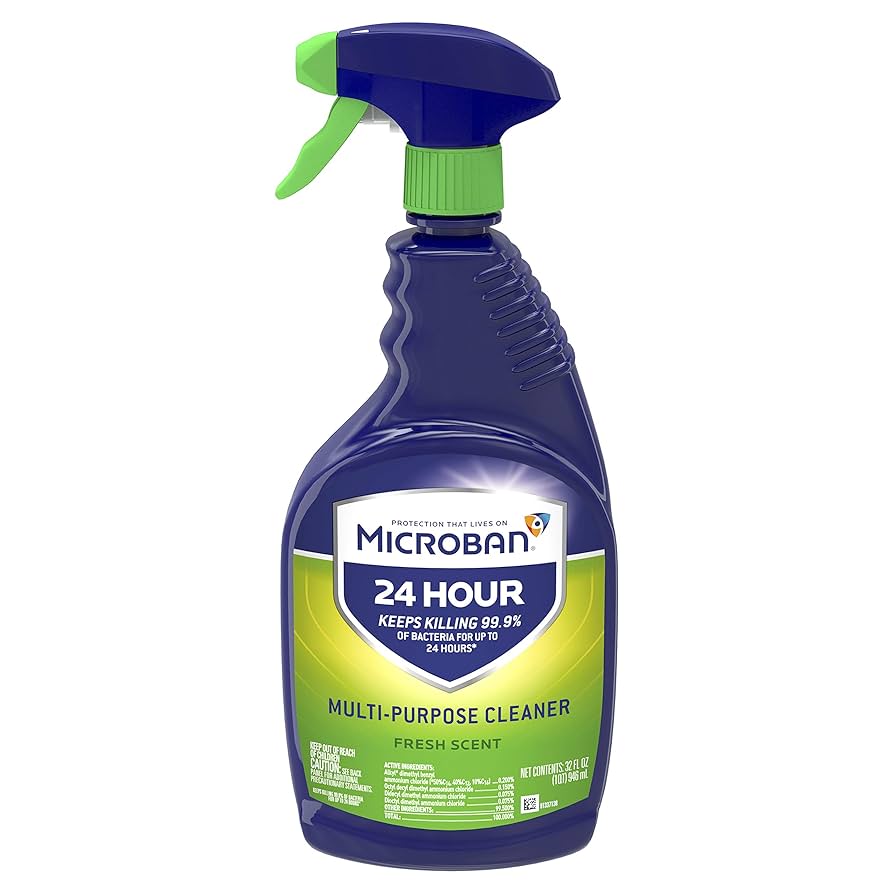
Are you wondering if you can use Microban Bathroom Cleaner in your kitchen? It’s a smart question because keeping your kitchen clean is important for your health and safety.
You want to make sure the products you use are effective but also safe around your food and family. Using the wrong cleaner could cause problems or leave harmful residues behind. You’ll find clear answers and helpful tips to make sure your kitchen stays fresh and safe without any guesswork.
Keep reading to discover what you need to know before reaching for that bottle of Microban Bathroom Cleaner in your kitchen.
Microban Bathroom Cleaner Features
Understanding the features of Microban Bathroom Cleaner helps you decide if it suits your kitchen cleaning needs. This product is designed with specific ingredients and properties that target bathroom messes. But can these same features work effectively and safely in your kitchen?
Active Ingredients
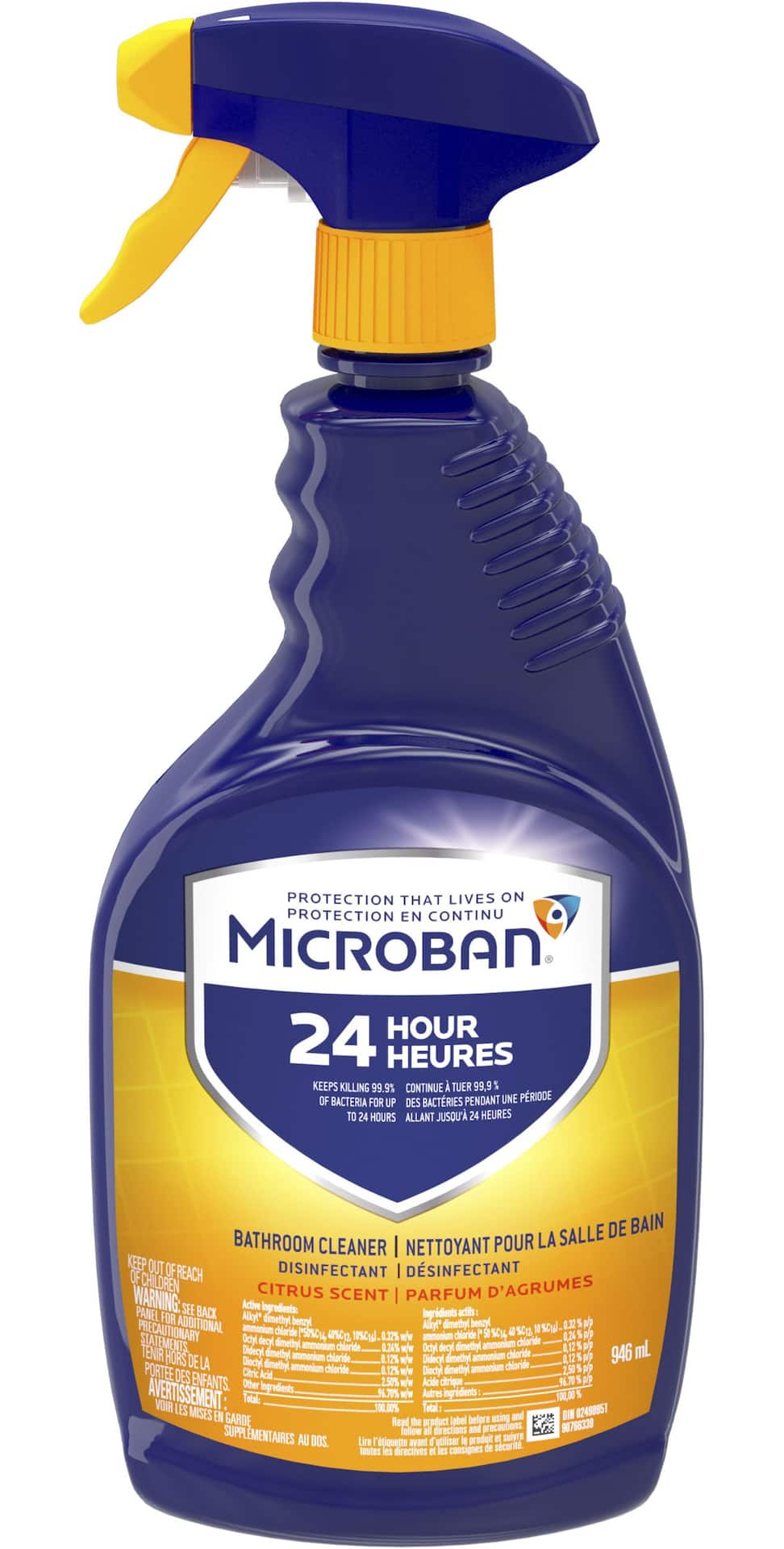
Microban Bathroom Cleaner contains powerful agents like benzalkonium chloride, known for killing germs effectively. It also includes surfactants that help break down soap scum and grime. These ingredients work together to provide a deep clean on hard bathroom surfaces.
Knowing these active components is important because some chemicals may not be ideal around food prep areas. Are you comfortable using cleaners with disinfectants like benzalkonium chloride near your kitchen counters?
Antimicrobial Properties
This cleaner is designed to kill bacteria, mold, and mildew commonly found in bathrooms. Its antimicrobial action continues to prevent the growth of germs after cleaning. This feature keeps bathroom surfaces hygienic for longer periods.
Think about your kitchen’s needs—does your cleaning routine benefit more from ongoing antimicrobial protection, or do you prefer products designed specifically for food-safe environments?
Intended Uses
Microban Bathroom Cleaner is formulated for bathroom surfaces such as tiles, sinks, and tubs. The manufacturer recommends using it in these areas to effectively tackle bathroom-specific dirt and germs. It is not primarily intended for kitchen surfaces where food contact is frequent.
Using a bathroom cleaner in the kitchen might seem convenient, but could it introduce unwanted chemicals to areas where you prepare meals? It’s wise to check product labels and guidelines to ensure safe use.
Credit: www.canadiantire.ca
Kitchen Cleaning Requirements
Cleaning the kitchen needs special care. Surfaces must be safe for food and free from germs. The products used should work well without causing harm. Understanding kitchen cleaning needs helps choose the right cleaner.
Surface Types
Kitchens have many surface types. Countertops can be granite, marble, or laminate. Cabinets may be wood or metal. Appliances often have stainless steel or plastic parts. Each surface needs a cleaner that does not damage it.
Some cleaners can leave stains or dull finishes. Others might cause corrosion or peeling. Always check if the cleaner is safe for the specific surface.
Food Safety Concerns
Kitchen cleaning products must keep food safe. Residue from harsh chemicals can contaminate food. This can cause illness or allergic reactions. Using a cleaner that is safe for food areas is important.
Rinse surfaces well after cleaning. This removes any leftover cleaner. Avoid cleaners with toxic ingredients near food prep areas.
Common Kitchen Germs
Germs in the kitchen cause illness. Bacteria like Salmonella and E. coli live on raw meat and vegetables. Mold grows in damp areas like sinks and drains. Viruses can spread from hands to surfaces.
Cleaning should kill these germs effectively. Choose products with antibacterial or antiviral properties. Regular cleaning reduces the risk of foodborne sickness.
Using Bathroom Cleaner In Kitchen
Microban Bathroom Cleaner is designed for bathroom surfaces, not kitchen areas. Using it in the kitchen may leave harmful residues on food contact surfaces. Choose cleaners made specifically for kitchen use to ensure safety and cleanliness.
Using Bathroom Cleaner in Kitchen Have you ever found yourself staring at a bottle of Microban Bathroom Cleaner and wondered if it could tackle the grease and grime in your kitchen? It's a common curiosity. After all, cleaning products are often versatile, but using a bathroom cleaner in the kitchen needs careful consideration. You wouldn't want to damage your kitchen surfaces or compromise food safety. Let's explore this topic in detail.
Compatibility With Kitchen Surfaces
Before using any cleaner in your kitchen, it's essential to know if it's compatible with the surfaces you have. Kitchen countertops can be made from a variety of materials such as granite, marble, laminate, and stainless steel. Each of these surfaces reacts differently to cleaning agents. Microban Bathroom Cleaner is designed specifically for bathroom surfaces, which might mean it's too harsh for delicate kitchen materials. For instance, acidic or abrasive cleaners might dull the shine of granite or scratch stainless steel. Always test a small, inconspicuous area first.
Potential Risks
Using a bathroom cleaner in the kitchen isn't just about compatibility with surfaces; it's also about safety. Most bathroom cleaners contain strong chemicals designed to kill germs and eliminate tough stains. While effective in bathrooms, these chemicals may leave residues that could be harmful if ingested. Consider the food preparation aspect of your kitchen. Would you be comfortable using a product that might leave behind chemicals where you cook and eat? It's crucial to weigh the potential health risks against the convenience of using a single cleaner for multiple areas.
Manufacturer Guidelines
Always check the manufacturer's guidelines before using any product outside its intended purpose. The Microban Bathroom Cleaner bottle should provide specific instructions on where and how it can be used safely. Manufacturers usually have a customer service line or website for inquiries. If in doubt, reaching out to the company can provide clarity and peace of mind. Following the guidelines ensures you're not voiding any warranties or causing damage to your surfaces. Ultimately, while it might be tempting to streamline your cleaning supplies, it's important to ensure you're doing so safely and effectively. Have you ever tried using bathroom cleaners in your kitchen? What was your experience like?
Credit: www.homedepot.com
Health And Safety Considerations
Health and safety matter most when using any cleaner in the kitchen. The kitchen is where food is prepared, so any chemical left behind can affect health. Understanding the risks helps keep your family safe. This section explains key concerns about using Microban Bathroom Cleaner in the kitchen.
Chemical Residue Impact
Microban Bathroom Cleaner contains chemicals designed for bathroom surfaces. These chemicals may leave residues that are unsafe for food contact areas. Even small amounts of residue can transfer to utensils or food.
Residues can cause stomach upset or allergic reactions. Some chemicals may also affect the taste or smell of food. It is best to avoid cleaners not made for kitchen use on food surfaces.
Allergen And Toxicity Risks
Certain ingredients in bathroom cleaners can trigger allergies or cause toxicity. People with sensitive skin or breathing issues may react to strong chemicals. Children and pets are especially vulnerable.
Toxic substances can enter the body through ingestion or skin contact. Long-term exposure to harsh chemicals may cause health problems. Using kitchen-safe cleaners reduces these risks significantly.
Safe Cleaning Practices
- Always read and follow the label instructions carefully.
- Use kitchen-specific cleaners on food preparation surfaces.
- Rinse surfaces thoroughly with water after cleaning.
- Keep cleaners out of reach of children and pets.
- Wear gloves to protect your skin from irritation.
- Ventilate the area well to avoid inhaling fumes.
Following these steps ensures your kitchen stays clean and safe. Cleaners designed for bathrooms might not suit kitchen hygiene needs. Safe cleaning protects your health and your family’s well-being.
Alternative Kitchen Cleaners
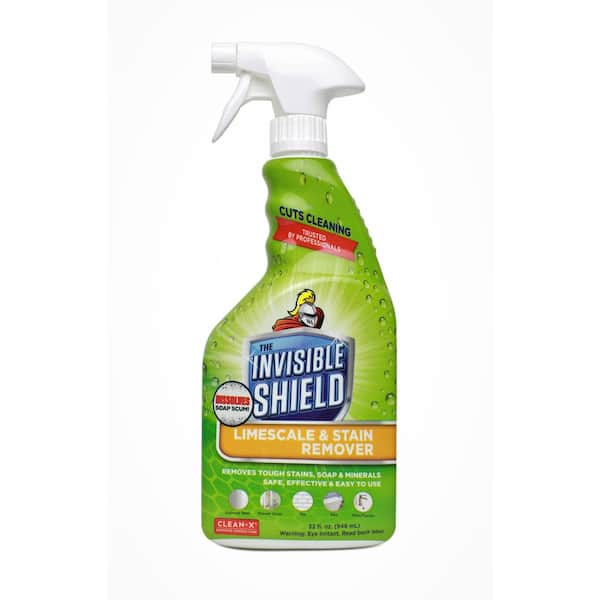
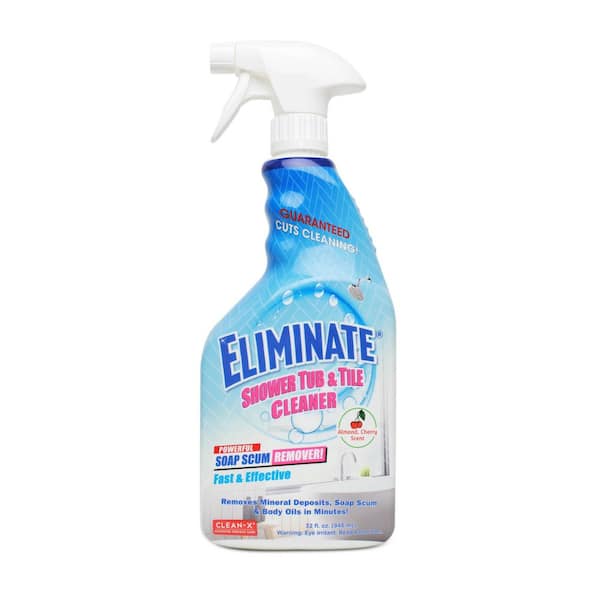
Choosing the right cleaner for your kitchen is important for safety and hygiene. Some bathroom cleaners, like Microban, contain chemicals not ideal for food prep areas. Instead, opt for cleaners designed for kitchens. These alternatives keep your surfaces clean and safe for cooking.
Food-safe Options
Food-safe cleaners are gentle and free from harmful chemicals. They clean grease and dirt without leaving toxic residues. These products are safe to use on countertops, cutting boards, and appliances. Look for labels that say “food-safe” or “non-toxic.”
- Mild dish soap mixed with water
- Food-grade vinegar solutions
- Commercial food-safe sprays
Natural Cleaning Solutions
Natural cleaners use ingredients from nature. They avoid harsh chemicals and still clean well. Vinegar, baking soda, and lemon juice kill bacteria and remove stains. These solutions are affordable and eco-friendly. Use them regularly to keep your kitchen fresh.
- Mix vinegar and water for a disinfectant spray
- Sprinkle baking soda to scrub tough spots
- Lemon juice helps remove odors and grease
Disinfectants Approved For Kitchens
Disinfectants made for kitchens kill germs without harming food surfaces. They meet health regulations for food contact areas. Check product labels for approval by health authorities. These disinfectants work quickly and leave no harmful residue.
- Quaternary ammonium compounds (quats)
- Hydrogen peroxide-based cleaners
- Alcohol-based sprays with food-safe certification
Credit: www.homedepot.com
Tips For Effective Kitchen Cleaning
Keeping your kitchen spotless is more than just a chore—it’s essential for your health and safety. Effective cleaning can prevent the spread of germs and keep your cooking space fresh. Here are practical tips to help you clean smarter, not harder.
Proper Application Techniques
Using a cleaner like Microban Bathroom Cleaner in the kitchen requires careful application. Spray directly on surfaces and let it sit for a few minutes to allow the disinfectant to work effectively. Wiping with a clean cloth afterward removes dirt and germs thoroughly.
Don’t forget to test the cleaner on a small, hidden area first to avoid damage. Some kitchen materials may react differently than bathroom surfaces. Applying the cleaner evenly ensures no spots are missed, reducing the risk of bacteria lingering.
Frequency Of Cleaning
How often should you clean your kitchen surfaces? High-touch areas like countertops and handles benefit from daily wiping, especially after food prep. For less-used spots, a thorough cleaning once or twice a week usually suffices.
Adjust your cleaning schedule based on your kitchen’s usage and the types of food you prepare. Raw meats and sticky spills demand immediate attention to prevent contamination. Staying consistent can save you from bigger messes and health issues later.
Avoiding Cross-contamination
Cross-contamination can easily happen if cleaning tools or products are shared between bathroom and kitchen areas. Use separate cloths, sponges, and gloves to keep germs from spreading. Even if a product is effective, improper use can undo your efforts.
Think about your cleaning routine: Are you using the same sponge for all surfaces? Small habits like this increase risk. Keeping dedicated kitchen cleaning supplies is a simple step that makes a big difference in food safety.
Frequently Asked Questions
Can Microban Bathroom Cleaner Be Used On Kitchen Surfaces?
Microban Bathroom Cleaner is designed for bathroom use. It can clean kitchen surfaces but avoid direct contact with food areas. Always rinse thoroughly after application to ensure safety and prevent chemical residue.
Is Microban Bathroom Cleaner Safe For Kitchen Countertops?
Microban Bathroom Cleaner is generally safe for non-porous countertops. However, test it on a small area first. Avoid using it on natural stone like granite or marble to prevent damage.
Will Microban Bathroom Cleaner Remove Kitchen Grease Effectively?
Microban Bathroom Cleaner targets bacteria and soap scum, not heavy kitchen grease. For grease, use a degreaser specifically made for kitchens to achieve better results.
Can Microban Bathroom Cleaner Disinfect Kitchen Areas?
Yes, Microban Bathroom Cleaner can disinfect kitchen surfaces. It kills germs and bacteria, making your kitchen safer. Always follow the label instructions for proper disinfection.
Conclusion
Microban Bathroom Cleaner is designed for bathroom surfaces. Using it in the kitchen is not always safe. Kitchen areas need cleaners made for food contact surfaces. Always check the label before using any cleaner. Some ingredients might not be safe around food.
Choose products that kill germs but are food-safe. Keeping your kitchen clean protects your family’s health. Clean wisely and follow product instructions carefully. This helps avoid any health risks or damage. Stay safe and keep your home fresh and clean.